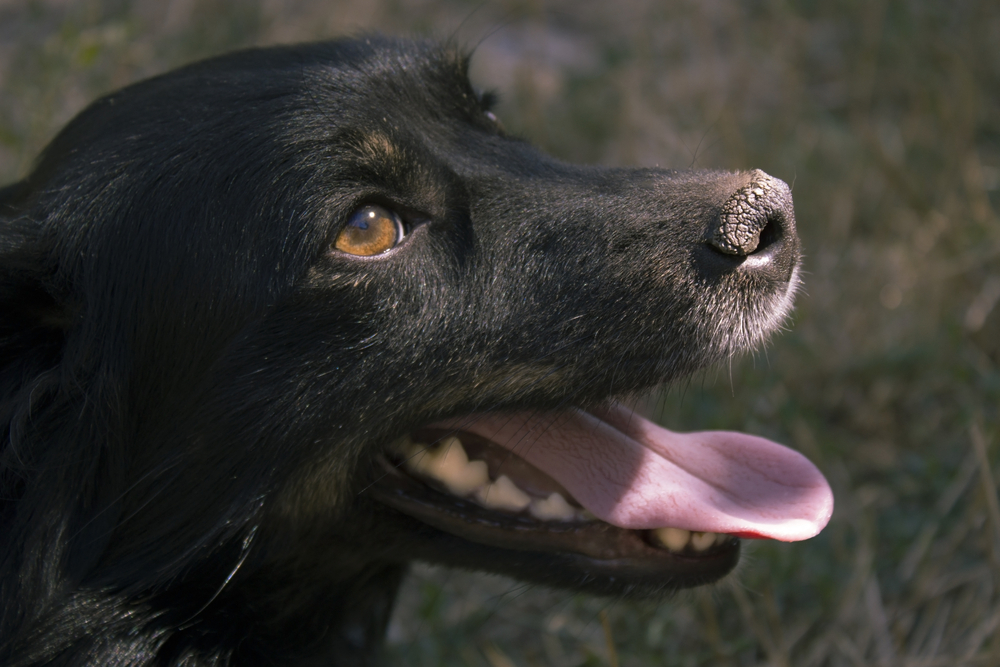
A dog’s world is driven by the animal’s sense of smell. Humans have just 6 million scent receptors compared to their 100 million. Bloodhounds have up to three times more! It’s something to pay close attention to if something is amiss with your pup’s nose. After all, a wet nose benefits our canine companions by helping them pick up more scent molecules.
A wet nose also allows canids to dissipate heat better. That’s in addition to panting and sweating through their paws. On the other hand, a dry nose is a sign of change, whether it’s how your pet feels or the ambient conditions. It could mean nothing is wrong, or it can be a red flag to investigate the situation further.

The 10 Potential Reasons Your Dog’s Nose Is Dry
1. They’re a Brachycephalic Breed
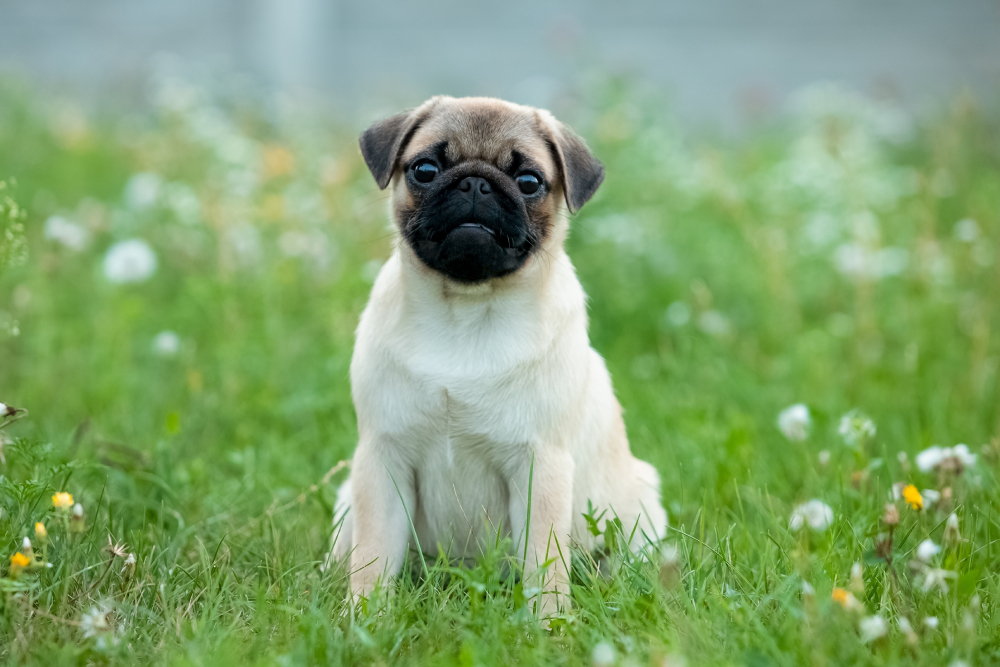
Brachycephalic breeds are dogs with shorter snouts and skulls than other canids. This includes breeds such as the Pug, Boston Terrier, and Boxer. Their unique facial features give them almost a human-like face, but they also make them vulnerable to respiratory conditions and illnesses which can contribute to a dry nose. Their wide head and short noses can also make it hard for them to lick their noses to help keep them moist.
What to Do:
This usually isn’t a big cause for concern with brachycephalic breeds if not accompanied by any other signs of illness such as breathing difficulties. However, keep a close eye on it, and speak to a vet about whether or not applying a dog-safe moisturizer to their nose could be a good idea.
2. Your Home Is Dry
Undoubtedly, you’ve noticed when your home is humid, with everything feeling sticky in the summer versus the bone-dry winter months when static electricity positively charges the air. And your dog feels it too. They may drink more than usual, or they may shrink from you fearful of getting shocked. Your pup’s nose may also be dry simply because it’s reflecting the ambient conditions.
What to Do:
If the weather or environment is the problem, the easiest solution may be to add a humidifier to your home to ensure your dog’s nose doesn’t get too dry or chapped.
3. They Just Woke Up
Think of how you feel when you first wake up in the morning. You probably feel parched and immediately reach for a glass of water to quench your thirst. After all, you’ve gone hours without drinking. It’s the same with your dog, whether it’s been since bedtime or after their afternoon nap. They haven’t been licking their nose during this time, leaving it dry.
What to Do:
There isn’t anything to do if this is the case. However, their nose should be wet again about 10 minutes after waking up.
4. They Just Came in From Outside
The weather has a similar effect on people and animals. Wind blowing dries wet surfaces quickly. Likewise, the sun beating down on them will do the same. A dry nose could be the result of spending time outside, perhaps without drinking as much water as they should’ve. It’s a reflection of your dog’s response to the change in the properties of the circulating air.
What to Do:
If dogs spend too much time outside, you’ll have to be careful about several things, including dehydration and sunburn (more on that next). So, be sure that they always have fresh, clean water whenever they spend time outside.
5. They’re Dehydrated
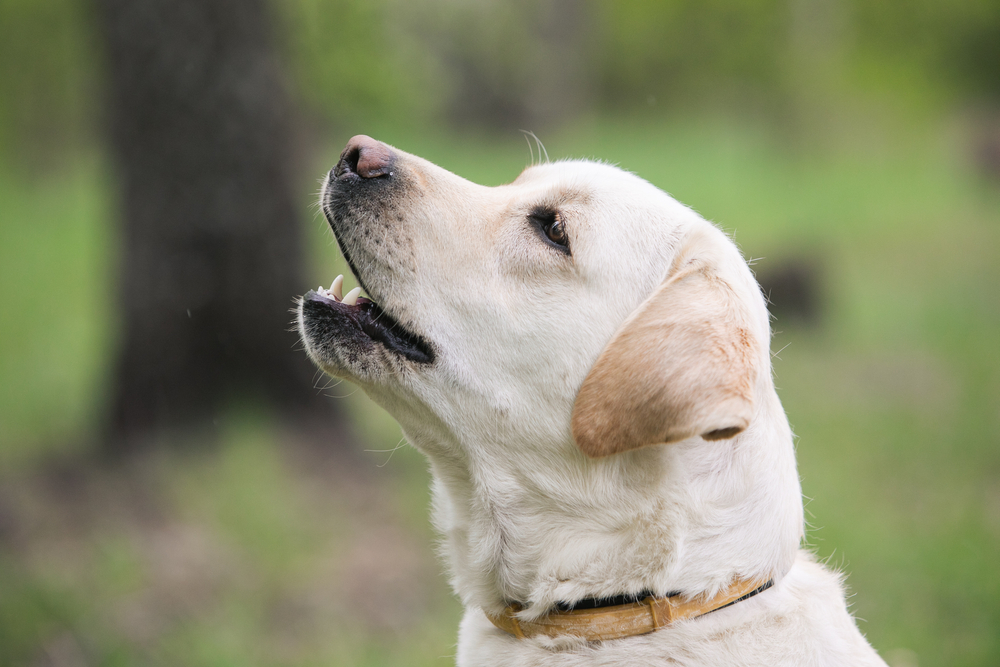
Dehydration takes a case of dry nose to the next level. When you feel thirsty, you’re already getting dehydrated by as much as 2%. If your dog reacts similarly, they’re also likely craving something to drink. It’s all about balance. Your pup’s nose may seem dry because the animal is trying to conserve moisture loss.
What to Do:
Unless due to an underlying health condition or illness, dehydration is easily avoidable in dogs. Ensure that they have fresh, cool, and clean water both inside and outside. If they aren’t drinking much, it might be a good idea to mix some water into their food bowl with their kibble during meals or to incorporate wet food into their diet to encourage moisture intake. Keep a very close eye out for signs of dehydration in case you need to phone your vet.
- Loss of skin elasticity
- Vomiting
- Loss of appetite
- Reduced energy
- Sunken, dry-looking eyes, panting
- Dry nose
- Thick saliva
- Dry, tacky gums
6. They Have a Sunburn
Pets with light pigmentation or skin conditions like snow nose are more vulnerable to UV radiation. Yes, dogs can get sunburned, just like you. The signs are similar, with redness, flaky skin, and a dry nose if affected.
What to Do:
You should take your pup to the vet if there are signs of a more serious burn, such as blisters. Remember that it can be just as painful for your pet as it is for you. However, the best way to avoid this is to apply a pet-safe sunscreen to their exposed skin before prolonged periods outdoors, as well as provide plenty of shade for them.
7. They Have Nasal Hyperkeratosis
Nasal hyperkeratosis describes a condition where keratin-producing cells multiply on the flat part of your dog’s nose or planum. It causes thickening and fronding or feather-like growths on your dog’s snout or paws. It can also make them feel dry. The English Bulldog and American Cocker Spaniel are particularly susceptible. Several conditions can cause it. However, there is no cure.
What to Do:
Speak to your vet if you suspect this is the cause of your dog’s dry nose. Nasal hyperkeratosis is managed by keeping the skin supple with ointments if your vet has ruled out other causes, such as trauma or canine distemper.
Did you know you can speak to a veterinarian without having to travel? Just head over to PangoVet. It's our online service where you can talk to a vet online and get the advice you need for your pet — all at an affordable price!

8. They Have a Fever
A dog running a fever may also have a dry nose. Of course, this sign is not diagnostic. Many things can cause an elevated temperature, including sunburn. Your pet may display other red flags like loss of appetite or lethargy, warranting veterinary intervention.
What to Do:
The best thing you can do if you suspect your dog has a fever is to reach out to your vet. Your vet will likely begin by getting a complete history and running bloodwork to identify a possible cause.
9. They May Have an Autoimmune Disease
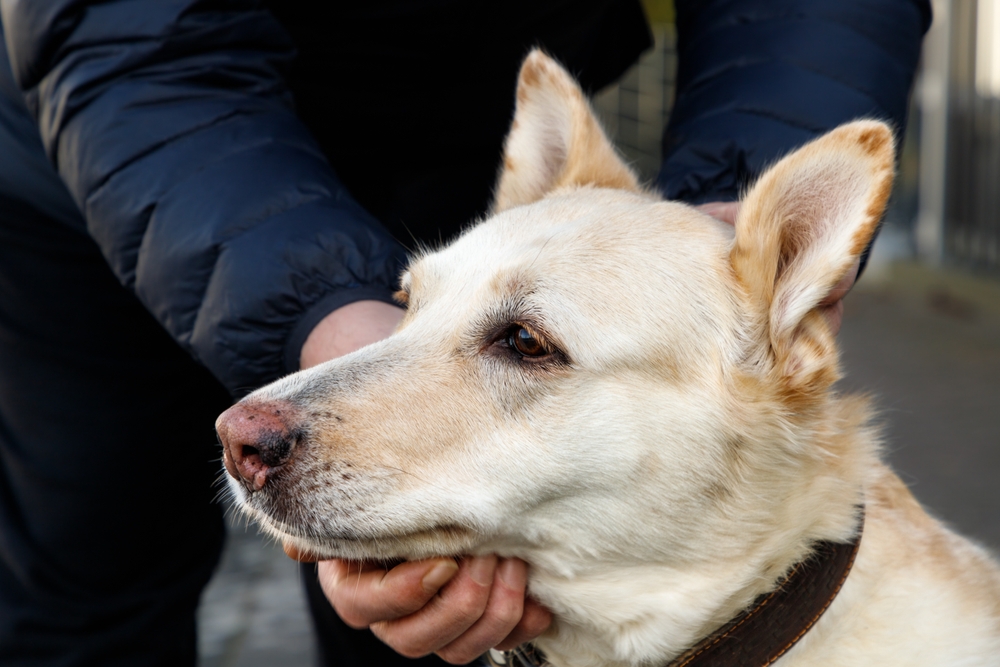
Discoid lupus erythematosus (DLE) is an autoimmune disease typically confined to the affected animal’s nose. Telltale signs include pigment loss, cracking of the skin, and scaling. Your dog’s nose may also feel dry with everything else going on with the animal. Your pet’s treatment plan may include topical or oral immunosuppressive medications such as steroids, and limits on UV exposure.
What to Do:
Again, the best thing you can do for your dog in this case is get them checked out by a vet. The sooner they’re diagnosed, the sooner they can get on a treatment plan.
10. It’s a Sign of Aging
A dry nose may also be a sign of aging. Dogs lick their noses and deposit mucus to keep them moist. The production tends to slow with age. Of course, a decrease in activity and more sleep may exacerbate the condition.
What to Do:
We suggest discussing the matter with your vet if it occurs often. It may be just a sign of the times, or it could be something else worth investigating.
When You Should Contact Your Vet
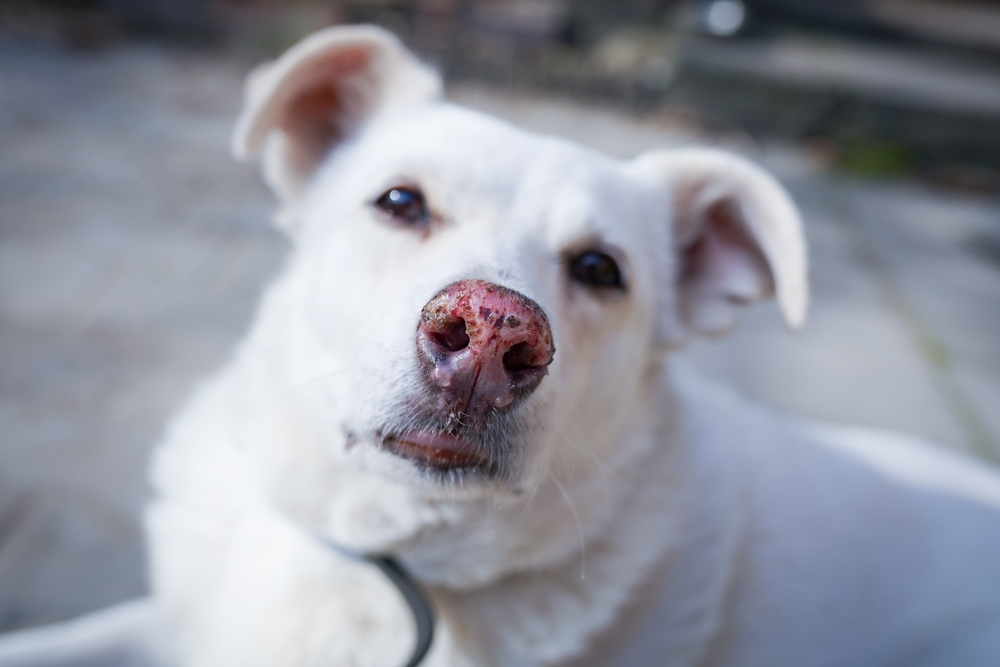
A dry nose isn’t always a cause for alarm. However, the devil is in the details, as they say. If any of the following accompanies your dog’s dry nose, contact your vet.
- Loss of appetite
- Redness and swelling
- Crust, pus or discharge
- Lethargy
Itchiness is a red flag since it can increase your dog’s chances of a secondary bacterial infection if your pet breaks the skin. Obvious pain is another cause for concern. Remember that a dog’s nose is quite sensitive. The structure is close to the animal’s brain, making it something else worth investigating. We recommend taking action sooner rather than later to avoid unnecessary complications and discomfort.
Conclusion
It’s a familiar adage that goes back generations—something is wrong if a dog’s nose is dry. While a dog’s nose should usually be wet, it doesn’t necessarily apply in all cases. It can result from exercise or dehydration, which are easily remedied. However, it is a concern if it’s accompanied by other signs that point to something more serious, and those cases require further investigation.
Featured Image Credit: Alexandra Morosanu, Shutterstock
 The 10 Potential Reasons Your Dog’s Nose Is Dry