Get

In Your Inbox

Dogster is reader-supported. When you buy via links on our site, we may earn an affiliate commission at no cost to you. Learn more.

The Spice Cabinet Dangers Most Dog Owners Don’t Think About

Share

a variety of spices on wooden table

Most people know chocolate is off-limits for dogs. Fewer realize that some of the most common herbs and spices sitting in a kitchen cabinet right now are just as dangerous, and far easier for a dog to get into. A pinch of the wrong seasoning or a curious nose getting too close to a cutting board are the kinds of everyday moments that can turn into an emergency vet visit.

Spices fall into two clear groups when it comes to dogs: those that are genuinely safe and even carry health benefits, and those that range from mildly problematic to seriously toxic. Knowing which is which matters a lot more than most dog owners realize.

The ones that are actually fine

Several common herbs are not only safe for dogs but can offer some real benefits when used in small amounts.

Rosemary is a good example. It is antimicrobial, contains antioxidants, may support cardiovascular health, and has been used as a natural flea repellent. Basil is another. It has anti-inflammatory properties and antioxidants, and has been associated with reduced anxiety and joint pain when used in moderation. Coriander has long been reported to aid digestion, which makes it a reasonable addition for dogs with sensitive stomachs.

Ginger, in any form except pickled, is safe for dogs and comes with a solid list of benefits: it contains antioxidants, acts as a natural anti-inflammatory, and can help reduce gas and bloating. Because it acts as a blood thinner, it should be avoided for dogs already taking blood thinners. Parsley, specifically curly, is safe and can be mixed into food. Spring leaf, flat-leaf, and Italian parsley are a different story. They contain high levels of furanocoumarins, which are toxic to dogs. If the type of parsley is unknown, the safest move is to skip it entirely.
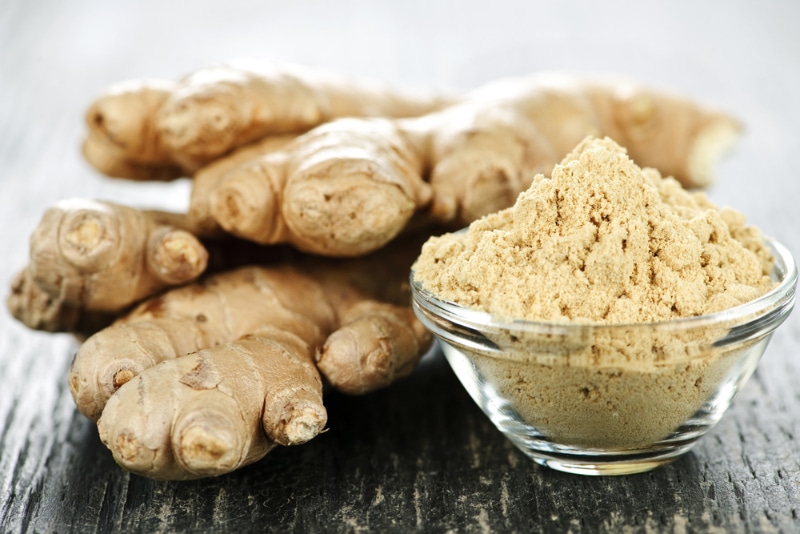
Fresh and ground ginger on wooden table
Image Credit: Elena Elisseeva, Shutterstock

Cinnamon sits in an interesting middle ground. It is non-toxic in small quantities, but even a teaspoon of cinnamon powder is considered too much according to the Pet Poison Hotline. In larger amounts, it can cause vomiting, diarrhea, heart rate changes, low blood sugar, and liver damage. It also irritates the nose and eyes when airborne. Safe in a light sprinkle, but not something to use freely.

The ones worth keeping away from dogs entirely

This list is longer, and some entries are surprising.

Garlic, onion, leeks, and chives all belong to the allium family, and all of them are toxic to dogs. They are also among the most accessible ingredients in most kitchens, showing up in stocks, seasonings, sauces, and leftovers.

Nutmeg contains a compound called myristicin. Small exposures may produce only mild stomach upset, but larger amounts can cause hallucinations, disorientation, rapid heart rate, dehydration, seizures, abdominal pain, and high blood pressure. It is in far more recipes than people tend to realize.

Cocoa powder is essentially concentrated chocolate. It contains theobromine, the same compound that makes chocolate toxic to dogs, but in a more potent form. The symptoms of theobromine toxicity include rapid heart rate, tremors, diarrhea, and, in serious cases, seizures and death.

Hops, an ingredient in home brewing, can trigger a condition called malignant hypothermia in dogs. Body temperature escalates rapidly, and the condition can also cause panting, vomiting, diarrhea, agitation, and elevated heart rate. It is life-threatening and requires immediate veterinary attention.
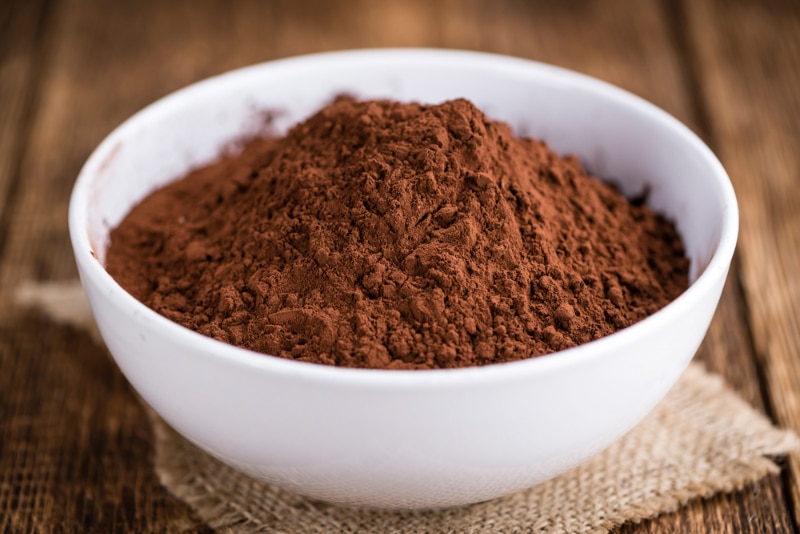
a bowl of cocoa powder on wooden table
Image Credit: HandmadePictures, Shutterstock

Marjoram causes significant gastrointestinal distress in dogs and can also produce bradycardia and low blood sugar. Allspice is toxic in both fresh and powdered form. Mustard and mustard seed cause vomiting and diarrhea and are considered completely toxic. Bay leaves contain eugenols and essential oils that are harmful to dogs. And cayenne, while not technically classified as toxic, causes enough gastrointestinal distress and irritation to the nasal passages and eyes that it is best avoided.

Pumpkin pie spice is worth a specific mention because it looks harmless. It is not. It typically contains allspice, nutmeg, and other problematic ingredients, making it a concentrated mix of things dogs should not have at all.

If you need to speak with a vet but can't get to one, head over to PangoVet. It's our online service where you can talk to a vet online and get the advice you need for your pet — all at an affordable price!

PangoVet_Mention-in-Content Savings V1

When to call a vet

If a dog has gotten into any spice and the situation is uncertain, calling a veterinarian or poison control right away is the right move. Even spices considered generally safe can cause problems in large enough quantities. The rule is simple: when in doubt, make the call rather than wait to see what happens. Most of the more serious toxicity cases become harder to manage the longer they go untreated.

Spice cabinets are easy to overlook as a hazard, but they are one of the more common sources of accidental ingestion in dogs. A little awareness of what’s on those shelves goes a long way.

Featured Image Credit: Stock Studio 4477, Shutterstock


Did You Know? 

  • Our brand-new posts are rounded up and included in our weekly emails. Don’t miss out on the latest – sign up for our newsletter below!

Want content like this delivered to you?

Sign Up For Our Newsletter

News, insights, expert advice, and everything dog

* By submitting, you agree to our Terms & Conditions and Privacy & Cookies Policy.


How useful was this post?

Click on a star to rate (you can leave written feedback after clicking submit)

Help us improve Dogster for pet parents!

Your feedback really matters.

What did you like about this post? Also how can we improve it?

Join the conversation

Leave a Reply

You’re very welcome to leave a comment or question. Please know that all comments must meet our community guidelines, and your email address will NOT be published. Let’s have a positive and constructive conversation.


Talk With A Vet Online

Peace of mind,
anywhere, anytime

Affordable vet advice

The Spice Cabinet Dangers Most Dog Owners Don’t Think About

Most people know chocolate is off-limits for dogs. Fewer realize that some of the most common herbs and spices sitting in a kitchen...

A Major Breakthrough in Canine Anxiety Care: FDA Approves First Dual-Purpose Medication

Why This FDA Approval Is Such Important News For years, veterinarians and pet parents have struggled with a frustrating reality in canine behavioral...

Ask Dr. Paola- Help! Can Shock Collars Cause Seizures? (June 1, 2026)

Welcome to our “Ask Dr. Paola” series, where every Monday we bring expert advice straight from Dr. Paola Cuevas (MVZ) to help our...

Behind Most “Bad” Dog Behavior Is a Pretty Simple Problem (and Solution)

Dogs are supposed to be easygoing companions, and many seem to live up to it: sleeping on the couch for hours, watching the...

More related

Can Dogs Get Addicted to Bully Sticks? Vet-Verified Feeding Facts

Bully sticks are made from the penises of bulls or other male cattle. This is likely why they are called bully sticks when...

How to Stop a Puppy From Barking: 5 Vet-Approved Ways

Barking is a natural behavior for dogs and a means of communication with other animals and humans, and puppies learn to communicate vocally...

How to Train a Pit Bull: 7 Vet-Approved Tips

Being a Pit Bull parent means sharing your life with one of the most affectionate and loyal dogs out there. But owning a...

Do You Tip a Dog Walker, Pet Sitter, or Groomer? Here’s the Standard

Many dog owners use all manner of services to help take care of their beloved pooch. From dog walkers to dog groomers, there...

Keep reading

Feeding Your Maltipoo: A Vet-Approved Guide

Maltipoos (a mix between a Miniature or Toy Poodle and a Maltese) are a popular breed due to their absolute adorableness and extreme cuddliness. These pups make excellent pets for adults and children alike, as they’re small, friendly, and playful....

Maltipoo dog near feeding bowl with dry food on floor in kitchen

Can Dogs Have Peppermint? Vet-Verified Safety Facts & FAQ

Peppermint (Mentha piperita) makes an appearance in so many things we eat and drink, particularly around the holidays! But many also use peppermint for its homeopathic uses, of which there are a number of potential benefits to humans. But can...

peppermint plants

The Farmer’s Dog vs Just Food For Dogs: 2026 Comparison, Pros & Cons

When you make the jump from kibble to fresh food, the number of choices can be astounding. With so many companies offering fresh food options, it can be hard to decide where to go. The Farmer’s Dog and Just Food...

Dogster_Dog Food The Farmer_s Dog VS Just Food

Can Dogs Eat Curry? Vet-Verified Facts & FAQ

Generally, dogs should never have curry because, in addition to being spicy and potentially causing stomach upset, it is also made with ingredients like garlic and onion that can be toxic to dogs. If your dog has eaten a small...

Can Dogs Eat Curry

How to Feed Dogs With Pancreatitis: 6 Tips & Tricks

Feeding a dog with pancreatitis (inflammation of the pancreas) can be difficult, especially when it comes to finding the right diet for them during recovery and long-term feeding. Both acute and chronic pancreatitis both require changes to your dog’s diet...

Golden Retriever dog eating

Is It Alright if My Dog Only Eats Wet Food? Vet-Approved Facts & FAQ

We all want to ensure that we are feeding our dogs a well-balanced diet that meets all their nutritional needs. Not only are there an overwhelming number of choices for dog food brands and food varieties, but there is a...

dog eating wet food

Can Dogs Eat Rambutan? Vet-Verified Safety Facts

If your dog is like most, they love to eat. They gobble up their food at every mealtime, go after scraps that fall off the table or counter, and investigate anything that they come across outdoors to see if it...

Can Dogs Eat_rambutan

8 Amazing Benefits of Bone Broth for Dogs & Why We Love It (Vet Approved)

We want our pups to be as healthy as possible, so we make sure they eat nutritious dog food and exercise daily. But is there more we can do to ensure our dogs’ health and well-being? There is! One great...

bone broth bouillon in stainless steel pot

Love Dogs? So Do We! Join the Dogster Community

Stay informed with expert pet care insights delivered straight to your inbox! Discover professional guidance on animal behavior, feeding tips, trusted product picks, and much more.


Sign up for the Dogster Email Newsletter