The Safe Christmas Foods Guide Every Dog Parent Needs


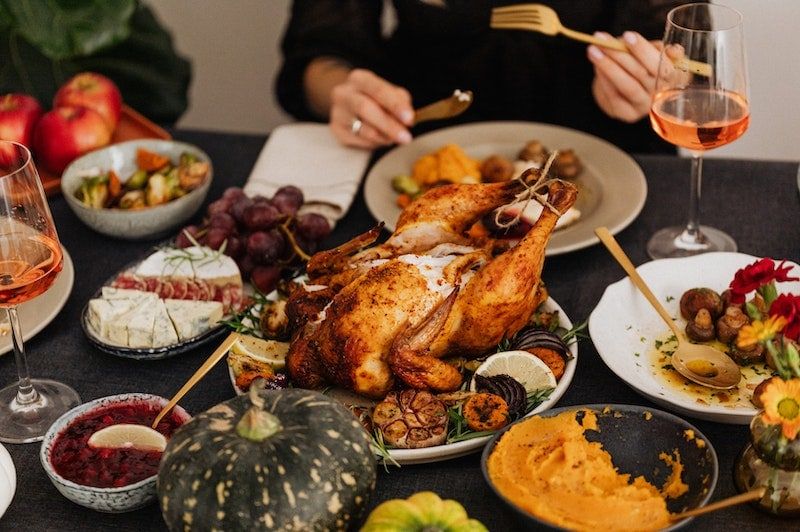
Here's what nobody tells you about cooking Christmas dinner with a dog in the house: you'll become hyper-aware of every single crumb that hits the floor. Your dog has transformed into a four-legged vacuum with laser focus, tracking every movement between the cutting board and the countertop.
And inevitably, someone at the table will ask: "Can we give him some turkey?"
The answer isn't as simple as yes or no. Dogs can safely eat several foods from your holiday spread - but the preparation matters more than you'd think. What's perfectly safe for humans can be dangerous for dogs, and sometimes it's not the food itself but what we add to it.

Quick Reference: 10 Safe Christmas Foods for Dogs
- Turkey (plain, cooked, boneless)
- Cranberries (unsweetened only)
- Potatoes (cooked, plain)
- Green beans (fresh or cooked)
- Homemade broth (no onions or garlic)
- Eggs (cooked thoroughly)
- Dog-friendly gingerbread cookies
- Carrots (raw or cooked)
- Pumpkin (plain, not pie filling)
- Cheese (small amounts only)

What "Plain" Actually Means
When vets say "plain," they mean aggressively boring. No butter. No salt. No herbs. No garlic powder. No onion powder. Nothing that makes human food taste good.
This is harder than it sounds because we season almost everything by default. That turkey gets rubbed with butter and herbs before roasting. Those mashed potatoes get whipped with cream and butter. The green beans get sautéed in garlic.
For your dog, you're essentially cooking a parallel, flavorless version of Christmas dinner. Set aside portions before seasoning, or prepare small amounts separately.
The Protein Question
Turkey is the obvious place to start. Plain, cooked turkey breast is safe and something most dogs will be excited about. But here's what you need to strip away first: skin, bones, and any part that touched seasonings.
The skin concentrates the fat and the seasonings - both problems for dogs. Cooked bones splinter and cause internal damage. And those herb rubs often contain garlic or onion powder, both toxic to dogs.
Raw turkey is also off the table. Raw poultry carries the same Salmonella and Campylobacter risks for dogs as it does for humans.
If you're making homemade broth from turkey or chicken, dogs can have some - but only if you've skipped the onions, garlic, and shallots. Carrots, celery, rosemary, and thyme are all safe additions. A pinch of peppercorn is usually fine, though it might cause mild stomach upset in sensitive dogs.
Eggs are another safe protein if you're baking. Cook an extra one plain and let it cool completely. Raw eggs carry Salmonella risk, so always cook them through.

The Vegetable Lineup
This is where things get surprisingly permissive. Dogs can eat quite a few vegetables that show up at Christmas dinner - they just need the plain versions.
Potatoes and sweet potatoes are both safe once they're fully cooked. The key word is "fully" - raw or undercooked potatoes contain solanine (concentrated in the peels), which is toxic. But baked, boiled, or roasted potatoes that have cooled down are perfectly fine. Just don't add butter, sour cream, cheese, or any of the toppings that make them appealing to humans.
Green beans are safe raw or cooked. They're actually nutritious - vitamin A, vitamin K, calcium, magnesium, phosphorus. Fresh green beans make decent crunchy treats. Just keep them plain. That green bean casserole with fried onions and cream sauce? That's a firm no.
Carrots are safe both ways, too. Raw carrots provide crunch and can help with dental health. Cooked carrots are softer and easier to digest. Either way, cut them into appropriate sizes for your dog to prevent choking.
Pumpkin shows up in a lot of holiday recipes, and plain pumpkin puree is actually beneficial for dogs. It's high in fiber, low in calories, and gentle on digestion - vets often recommend it for dogs with stomach issues. But we're talking about pure pumpkin puree, not pumpkin pie filling with its sugar and spices. Dogs can also eat plain roasted pumpkin seeds for a crunchy, protein-rich snack.
The Cranberry Situation
If you're making cranberry sauce from scratch, you can set aside a small unsweetened portion before adding sugar. Fresh cranberries are safe, though most dogs won't love the tartness.
Canned cranberry sauce is different. It's loaded with sugar dogs don't need, and some brands contain xylitol - an artificial sweetener that's extremely toxic to dogs and can cause liver failure.

What About Gingerbread?
Gingerbread cookies are a Christmas staple in many homes. Ginger itself is safe for dogs and might even help with nausea, though the research on dogs specifically is limited compared to human studies.
If baking is part of your holiday tradition, you can find dog-friendly gingerbread recipes that skip added sugars and use safe ingredients. Some recipes even include yogurt-based icing that's safe for dogs. Your dog won't care that their cookies aren't decorated - they'll just be thrilled to participate.
The Cheese Debate
Cheese boards and charcuterie platters are popular at holiday gatherings. Small amounts of plain cheese are generally okay for dogs who tolerate dairy, but cheese is high in fat and low in nutritional value.
Keep portions tiny. And avoid certain types entirely: blue cheese, Roquefort, goat cheese, brie, feta, and anything with herbs or flavorings added. These often contain ingredients like garlic powder that are toxic to dogs.
Dogs who are overweight shouldn't get cheese at all - the fat content isn't worth it.

Portion Control Matters
Even safe foods can cause problems in large quantities. Rich foods can trigger pancreatitis. Too much fiber causes diarrhea. Sudden dietary changes upset stomachs.
Treats should make up no more than 10% of your dog's daily caloric intake. For a medium-sized dog, that might be a few pieces of turkey and some vegetables - not a second full plate of dinner.
Also consider the behavioral consequence: once your dog learns that holiday cooking means special treats, you may create a kitchen shadow that appears every time you open the oven.
The Absolute No List
Some Christmas foods are genuinely dangerous and require immediate vet attention if consumed:
- Raw or undercooked meat
- Any cooked bones
- Onions and garlic (in any form - fresh, powdered, cooked)
- Grapes and raisins
- Chocolate
- Alcohol
- Xylitol (artificial sweetener)
- Macadamia nuts
- Excessively fatty foods
These aren't just "better to avoid" - they're toxic. Some cause immediate symptoms. Others cause delayed damage to organs.
Making It Work
The simplest approach: when you're prepping ingredients, set aside small plain portions before adding seasonings. Label a container "dog safe" so nobody accidentally grabs the wrong thing.
Cook everything thoroughly. Let it cool completely - dogs will burn their mouths on hot food just like humans do. Cut everything into appropriate sizes for your dog's breed and eating style.
Start with small amounts, especially if your dog has never had these foods before. Watch for any digestive upset over the next 24 hours. Some dogs have cast-iron stomachs. Others react to the slightest dietary change.
Final Thoughts
Including your dog in Christmas isn't about giving them a full plate of human food. It's about making them feel like part of the celebration without risking their health.
A few pieces of plain turkey and some vegetables mixed into their regular food makes them feel special without the emergency vet visit. And that's the goal - a happy dog and a stress-free holiday.
Your dog doesn't know that their version of Christmas dinner isn't herb-crusted or butter-drenched. They just know you made them something special. And from their perspective, that's everything.
Feature Image Credit: karolina-grabowska, Pexels
Did You Know?
- Our brand-new posts are rounded up and included in our weekly emails. Don't miss out on the latest - sign up for our newsletter below!
Expert dog care, straight to your inbox
News, insights, expert advice, and everything dog.

No spam — unsubscribe anytime.
By signing up, you agree to our Terms & Conditions and Privacy & Cookies Policy.
How useful was this post?
Click a star to rate. You can leave written feedback afterwards. (We read all feedback.)
Nicole has loved animals of all sizes her whole life so it's no wonder she has dedicated her career to helping them through what she loves best: learning, writing, and sharing knowledge with others. She’s the proud mom of two dogs, a cat, and a human. With a degree in Education and 15+ years of writing experience, Nicole wants to help pet parents and pets around the planet to live happy, safe, and healthy lives.