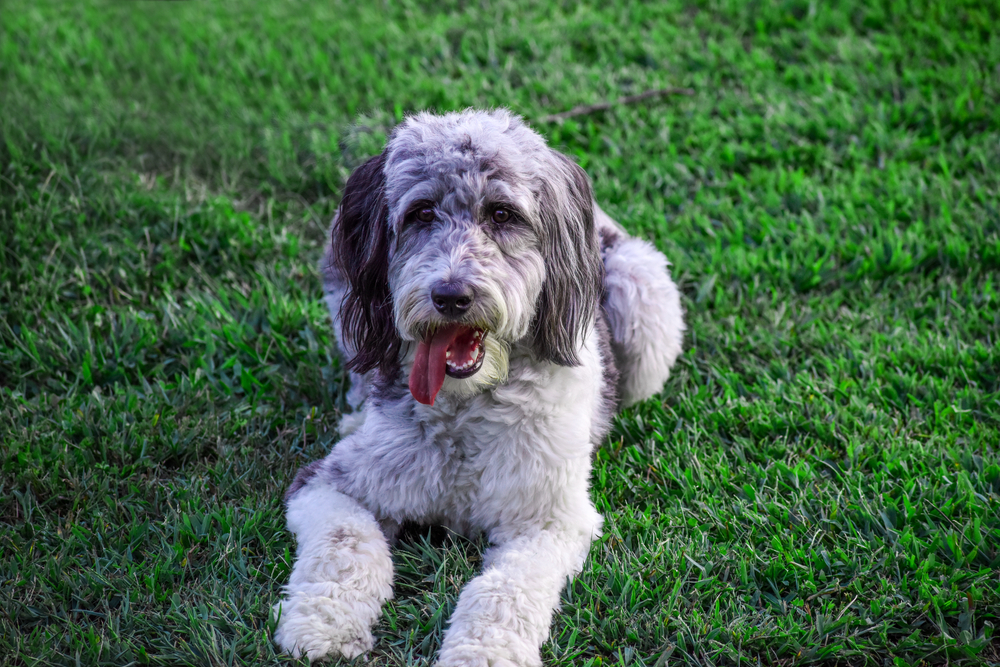
Black beans are a common side dish for many meals, and it’s hard to say no to our dog’s begging eyes. Whether you’re thinking of feeding them some or they stole a bite, you’re probably wondering whether black beans are a healthy choice or a hazard for your furry friend. Luckily, dogs can eat black beans in moderation. In this article, we’ll discuss the benefits and problems of serving black beans to your dogs.

Can Dogs Eat Black Beans?
The good news is that black beans are okay for dogs to eat in small amounts; they shouldn’t eat too many because they can have difficulty digesting them. It’s also important that dogs only eat cooked, plain black beans without seasonings, especially garlic and onion powder, which are toxic to dogs.
If you need to speak with a vet but can't get to one, head over to PangoVet. It's our online service where you can talk to a vet online and get the advice you need for your pet — all at an affordable price!
The 6 Benefits of Black Beans
Now that we know that a small amount of black beans is safe for our dog, are there any benefits for them? Let’s take a look:
1. Protein Powerhouse
Black beans are an excellent source of plant-based protein, akin to a “muscle-building machine” for your dogs. A single cup boasts around 15 grams of protein. This is an essential nutrient in your dog’s diet, pivotal in muscle development and tissue repair.
It’s especially crucial for active dogs that require muscle recovery after strenuous exercise. But the benefits don’t stop there. Protein also contributes to a healthy coat, skin, and nails, making your dog look as good as they feel! Because dogs are facultative carnivores, they can derive much of their protein from plants and animals, unlike cats and other obligate carnivores, which need to eat specific amino acids found only in animal-sourced protein.
2. Fiber-Filled
Black beans are a small but potent source of dietary fiber, packing around 15 grams per cup. Fiber plays a significant role in digestion by regulating bowel movements and contributing to a sense of fullness. This can be particularly advantageous for dogs who need to lose weight or maintain a healthy weight, as it can help prevent overeating and lead to weight loss.

3. Mineral Magic
The nutritional benefits of black beans extend to their mineral content. They are rich in essential minerals like iron, calcium, and magnesium. Iron is vital for oxygen transportation in the blood, while calcium and magnesium contribute to strong and healthy bones. These minerals support a range of bodily functions, contributing to your dog’s overall well-being and vitality.
4. Vitamin Vault
Black beans are a great source of vitamin C, vitamin K, and folic acid. These vitamins play a crucial role in supporting your dog’s immune system and metabolic processes. They contribute to cell repair, blood clotting, and even neurological health, helping your dog stay healthy and energetic.
5. Stronger Bones and Muscles
The calcium and magnesium in black beans and their high protein content can contribute to stronger bones and muscles in dogs. This can help prevent bone density loss and help maintain muscular strength, particularly in older dogs.
6. Better Skin and Coat Condition
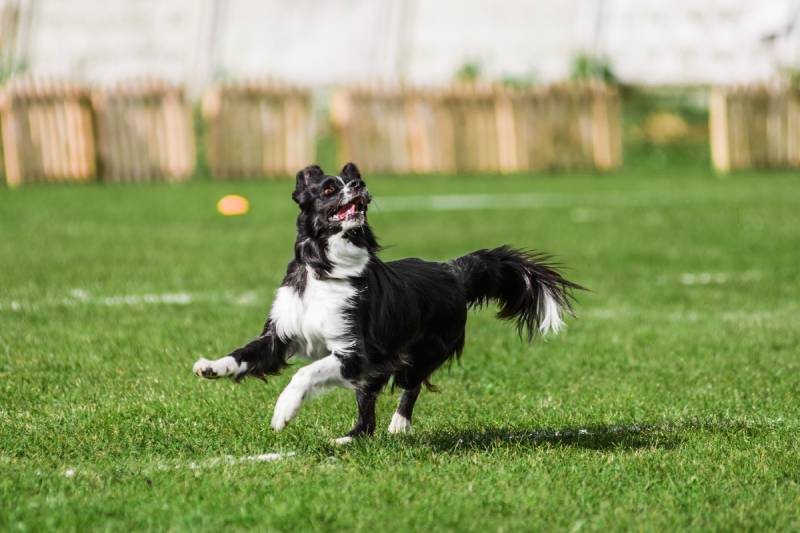
Black beans are also beneficial for improving your dog’s skin and coat condition. The protein in black beans contributes to healthier skin, while the vitamins and minerals enhance the luster and health of your dog’s coat, creating a glossier appearance.
The 6 Potential Risks of Black Beans
After reading about all the benefits of black beans, you may think your dog is missing out if they’re not a part of their diet. However, some dogs have trouble digesting them, and it’s vital to ensure your pup isn’t experiencing any adverse reactions. The benefits listed above can be obtained by feeding your dog a small portion of black beans. Let’s take a look at the dark side of black beans:
1. Digestive Issues
Overfeeding black beans can lead to digestive issues like gas, bloating, or diarrhea. Always observe your dog after introducing a new food into their diet and adjust portions as needed.
2. Allergic Reactions
Though rare, some dogs could be allergic to black beans. Signs may include itching, swelling, or difficulty breathing. If you suspect an allergic reaction, seek veterinary care immediately.

3. Weight Gain
Even though black beans’ high fiber content can assist in weight management, they are also high in calories. If consumed in large amounts without balanced exercise, they can potentially lead to weight gain, especially in less active dogs.
4. Nutrient Imbalance
While black beans are full of beneficial nutrients, they are lacking in others, so over-reliance on them can lead to an imbalance in your dog’s diet. Beans should not replace high-quality dog food formulated to meet all your pet’s nutritional needs.
5. Oral Health Problems
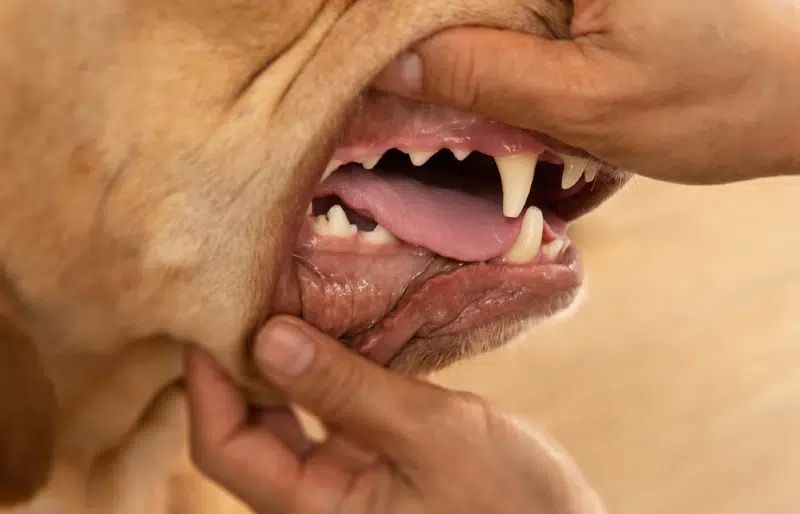
Like other legumes, black beans can stick to your dog’s teeth, leading to plaque buildup over time. This can result in oral health issues such as gum disease or tooth decay if not addressed. Regular teeth cleanings are essential to prevent these problems.
6. Signs to Watch Out For
Watch for signs of nausea or changes in your pup’s behavior, such as vomiting, loss of appetite, and fatigue. If you notice any of these signs after introducing black beans to their diet, consult your vet immediately. Be aware that suddenly offering your dog something new, especially if fed in large amounts, can lead to gastrointestinal problems, so always start with just a few beans and increase from there.
Feeding Black Beans to Your Dog
Black beans are a nutritious treat for your dog, but there are some important points to consider before adding them to their diet. When introducing black beans to your dog’s diet, do so gradually over a week or two. This approach allows you to monitor your pup’s reaction and prevent potential digestive issues.
Cooking Tips
Raw beans contain toxins that can be harmful to dogs. Therefore, black beans should always be cooked before feeding to your pup. Cooking destroys any harmful toxins and also makes the beans easier to digest. Avoid adding salt or other seasonings that could upset your dog’s stomach.
Portion Sizes
While black beans are highly nutritious, they should not constitute more than 10% of your dog’s daily caloric intake. It’s best to start with a tablespoon or two and observe how your pooch reacts.

What Dogs Shouldn’t Eat Black Beans?
In general, black beans are safe for most dogs to eat, but some may not do well with them due to dietary restrictions or allergies. Dogs with digestive sensitivities, such as those with pancreatitis or inflammatory bowel disease, should avoid black beans altogether, and stick to their veterinary recommended diet. It’s best to discuss any dietary changes with your vet before introducing a new food into your pup’s diet.
Final Thoughts
In the grand scheme of your dog’s diet, black beans can play a small yet significant role. These humble legumes pack a nutritional punch that can benefit your furry friend in many ways, and in terms of a treat, they are certainly a healthier option. As with any food, the key is balance and moderation. So, when you’re whipping up a batch of black beans, set a spoonful aside for your four-legged friend!
See Also:
Featured Image Credit: M.M.PHOTO, Shutterstock