Get

In Your Inbox

Dogster is reader-supported. When you buy via links on our site, we may earn an affiliate commission at no cost to you. Learn more.

10 Skin Problems Pitbull Parents Should Never Ignore, According to Vets

red and white pitbull

If you’ve noticed your Pitbull scratching nonstop, developing bald spots, or breaking out in red, irritated skin, you’re not alone. These loyal, lovable companions are sadly prone to a whole range of skin issues that can leave both pup and parent feeling frustrated.

But don’t worry. Once you understand what you’re looking at, many of these problems are totally manageable, some even preventable. We’ve rounded up 10 common skin conditions that affect Pitbulls and what you can do to help your dog feel more comfortable in their own skin.

divider dog paws 2 oct 2024

10 Skin Problems Pitbulls Commonly Face (and How to Help)

gray pitbull
Image Credit: Artuu Paivinen, Unsplash

1. Atopic Dermatitis: The Allergy You Can’t See

This is one of the most frequent culprits behind itchy skin in Pitbulls. It’s caused by airborne allergens like pollen, mold, or dust mites—and it often starts young. Think of it like your dog having “leaky” skin that lets in irritants.

What helps: Medications for itching, allergy testing, and skin-friendly diets or supplements (like omega-3s or turmeric). In severe cases, allergy shots might be recommended.

2. Food Allergies: Sneaky Culprits in the Bowl

If your Pitbull’s skin issues won’t go away, their food could be to blame, especially proteins like beef, chicken, or eggs. Other signs may include ear infections or even digestive trouble.

What helps: A vet-supervised elimination diet is the gold standard for finding the cause. Once you know the trigger, avoiding it (even in treats and meds) is the key to a happy, itch-free pup.

3. Contact Allergies: Trouble on Touch

Grass, cleaning products, and synthetic fabrics can all trigger contact dermatitis. You might see redness or itching on the belly, paws, or armpits.

What helps: Avoiding the trigger is ideal, but not always possible. Try soothing oatmeal shampoos, and ask your vet if prescription creams or meds are needed.

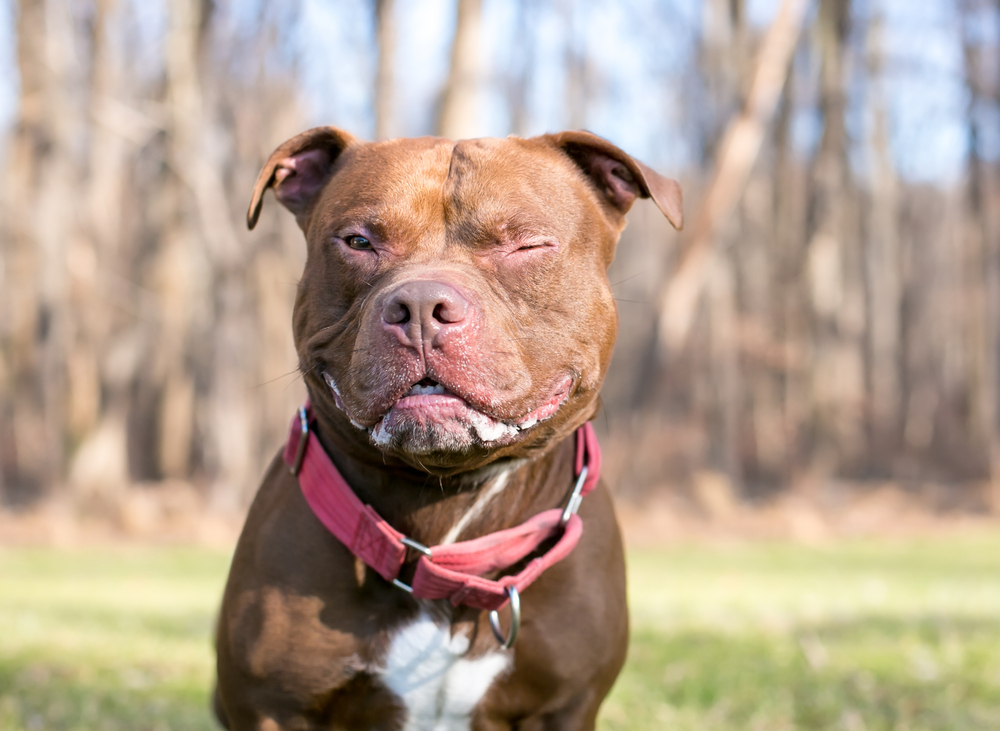
Shar Pei Pitbull mixed breed dog
Image Credit: Kim Bryant, Shutterstock

4. Parasites: The Itch You Can Catch

Fleas and mites can cause chaos on your Pitbull’s skin, leading to scabbing, redness, and even infections. Fleas tend to gather near the tail; mites are invisible without a vet’s help.

What helps: Year-round parasite prevention is a must. If mites are involved, your vet will need to diagnose and prescribe targeted treatments for both your pet and their environment.

5. Infections: Yeast, Bacteria, and Ringworm, Oh My!

Infections often ride along with other skin issues. Yeast infections can cause black discharge, while bacteria may lead to crusty scabs. Ringworm (a contagious fungus) causes classic circular hair loss.

What helps: Medicated shampoos (like Malaseb, which is a vet-prescribed option) can work wonders. Be consistent and talk to your vet about any underlying causes that need long-term solutions.

6. Follicular Dysplasia: A Hair Growth Glitch

Some Pitbulls, especially those with dilute colors like blue or fawn, can develop follicular dysplasia. This genetic condition causes weak, patchy hair that eventually stops growing.

What helps: While there’s no cure, medicated shampoos can prevent infection. Treatments like melatonin or retinoids may help in some cases, but results vary.
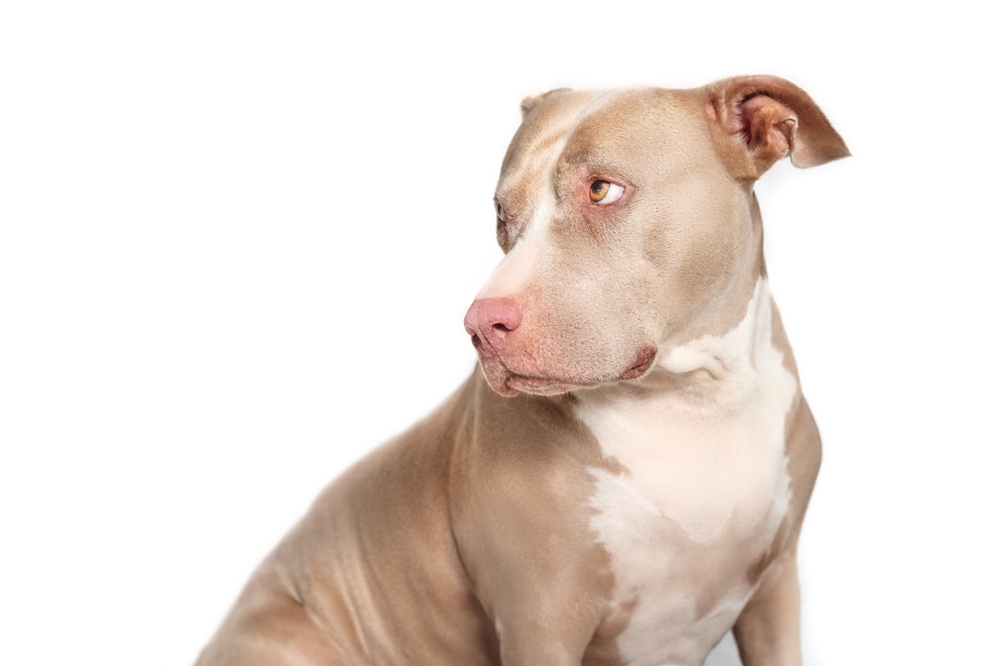
Anxious looking American Pitbull isolated
Image Credit: sophiecat, Shutterstock

7. Hypothyroidism: When the Glands Go Quiet

A common issue in Pitbulls, this condition slows down metabolism and affects the coat. You might notice weight gain, tiredness, flaky skin, or fur that doesn’t grow back.

What helps: Daily thyroid hormone medication usually restores your dog’s energy and skin health. Blood tests are needed to get the dosage just right.

8. Zinc-Responsive Dermatosis: The Nutrient Your Dog Might Be Missing

Zinc deficiency can cause hair loss, cracked paw pads, and thick, crusty skin. It can stem from poor diet, certain supplements, or rare genetic issues.

What helps: Feed a high-quality, zinc-balanced dog food. Your vet may recommend stopping conflicting supplements or adding zinc directly.

9. Sebaceous Adenitis: An Immune System Mix-Up

This inflammatory skin disease attacks the oil glands, leading to dry, scaly skin, matted fur, and infections, often on the head, ears, or torso.

What helps: Special shampoos, conditioners, and immune-modulating medications prescribed by your vet. Long-term care and skin supplements (like vitamin A or omega fatty acids) may also help.

10. Cushing’s Disease: More Than Just a Skin Issue

This hormone imbalance causes thin hair, recurring infections, and even calcium deposits in the skin. Dogs often appear hungry, thirsty, and develop a “pot-belly.”

What helps: Diagnosis involves blood tests and possibly imaging. Depending on the cause, your vet might recommend medication or, in some cases, surgery.
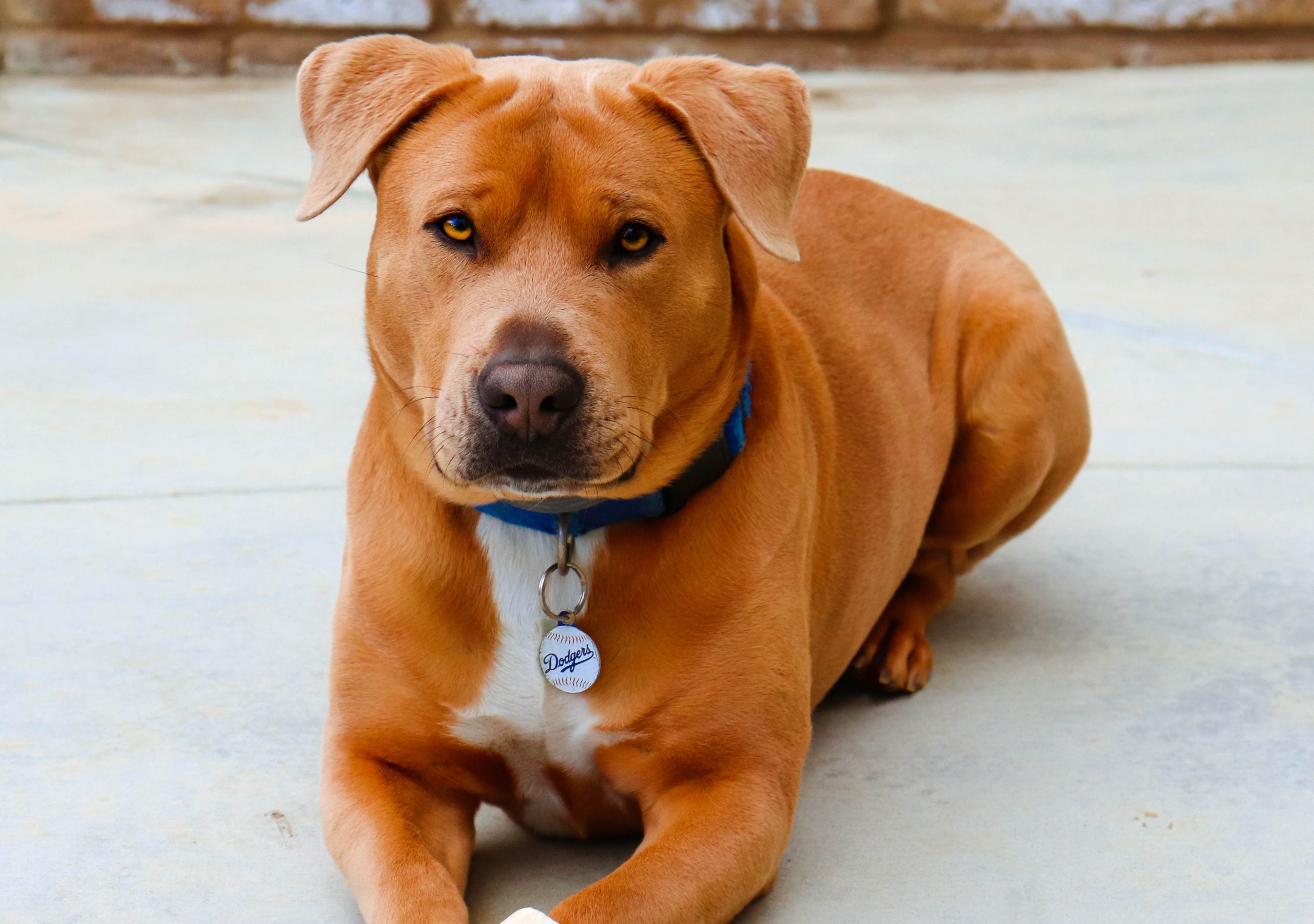
pitbull and golden retriever mixed breed
Image Credit: Chivachuck, Shutterstock

divider dog paws 2 oct 2024

Final Thoughts: Your Pitbull Deserves Healthy Skin

Skin problems can make your Pitbull uncomfortable—but with the right information and a good vet on your team, most are totally manageable. Some conditions may just change how your dog looks, while others can impact their overall health.

The bottom line? If something seems off, don’t guess. Your vet can help you figure it out, and your pup will thank you with tail wags and snuggles.

Feature Image Credit: Mary Swift, Shutterstock


Did You Know? 

  • Our brand-new posts are rounded up and included in our weekly emails. Don’t miss out on the latest – sign up for our newsletter below!

Want content like this delivered to you?

Sign Up For Our Newsletter

News, insights, expert advice, and everything dog

* By submitting, you agree to our Terms & Conditions and Privacy & Cookies Policy.

How useful was this post?

Click on a star to rate (you can leave written feedback after clicking submit)

Help us improve Dogster for pet parents!

Your feedback really matters.

What did you like about this post? Also how can we improve it?

Join the conversation

Leave a Reply

You’re very welcome to leave a comment or question. Please know that all comments must meet our community guidelines, and your email address will NOT be published. Let’s have a positive and constructive conversation.

Talk With A Vet Online

Peace of mind,
anywhere, anytime

Affordable vet advice

Can Dogs Eat Marshmallows? Vet-Verified Risks & FAQ

Most pet parents love to spoil their furry friends with all kinds of treats, so if you and your family are eating tasty...

Fred Is Broken: Tales of a Strange Little Dog (With Video)

Hi, I’m Dr. Karyn. Read my introduction to learn more about me and my five funny dogs, Poppy, Bailey, Kodah, Ned, and Fred....

20 Border Collie Colors & Patterns (With Pictures)

Border Collies are intelligent, high-energy, and adorable dogs. And thanks to their distinctive color combinations, many people can spot a Border Collie at...

16 DIY Dog Halloween Decoration Ideas (With Pictures & Videos)

As the spooky season draws near, the compulsion to decorate your house with cobwebs and pumpkins grows stronger. If you’re looking for Halloween...

More related

Do Dogs’ Paws Get Cold? Vet-Verified Facts & Safety Tips

Dogs seem to walk outdoors in toasty and frigid temperatures without much reaction. So, can a dog’s paws even get cold? Of course,...

Best Bubble Machines for Dogs in 2025 – Reviews & Top Picks

Bubbles shimmer, and bounce, and they’re unpredictable. Other than a damp smear, they don’t cause damage, and as long as you opt for...

Albon for Dogs: Our Vet Explains the Uses & Potential Side Effects

Albon is the brand name for the antibiotic sulfadimethoxine. Because it is an antibiotic, Albon can be used to treat a number of...

Can Dogs Eat Teriyaki Sauce? Vet Reviewed Nutrition Facts & FAQ

Teriyaki sauce can spice up many of our meals. However, while it is tasty, it isn’t safe for our canines. Teriyaki sauce contains...

Keep reading

How to Store Homemade Dog Food: 6 Vet-Reviewed Tips

Making homemade dog food can be a great option for your canine; after all, you can’t get much fresher than homemade. However, storing the food can be a bit more complicated, as it lacks the artificial preservatives found in commercial...

Homemade brown rice dog food on a feeding bowl

Homemade Dog Food vs Store-Bought: Vet-Verified Pros & Cons

Dog owners want to give their dogs the best food possible, which may lead some people to wonder which is better for them: homemade or store-bought food? In this article, we compare both in detail. In almost all aspects, store-bought...

Dogster_Homemade vs Store-bought dogfood

10 Best Dog Foods for Hypothyroidism in 2025 — Reviews & Top Picks

A dog’s thyroid gland is located in their neck and has two lobes, one on each side of the trachea. The thyroid is responsible for regulating the body’s metabolism. Dogs with an overactive thyroid experience hyperthyroidism, and their metabolic rate...

dog rescue sad pixabay

11 Best Dog Foods Made in the USA in 2025 – Reviews & Top Picks

With so many quality dog foods on the market today, dog owners rely on several criteria to help them decide between them. For some, the first question to answer is where the food is manufactured. With several high-profile incidents of...

brown dog sniffing a dog food

10 Best Dog Foods for Autoimmune Disease in 2025: Vet Approved Reviews

Like humans, dogs have an immune system to protect them from illness and disease. When this natural defense system can’t distinguish between foreign cells and the body’s own cells, it can turn on itself. An autoimmune disease is when the...

Dog-with-a-full-food-bowl_nancy-dressel_shutterstock

8 Best Dog Foods for Shelties in 2025 – Reviews & Top Picks

Renowned for their intelligence, athleticism, and sweetness, Shetland Sheepdogs—also known as “Shelties”—have qualities in abundance that make them such a hit with dog lovers the world over. Luckily, like many small breeds, Shelties have a long lifespan. Nevertheless, the breed...

Shetland sheepdog eats food from a food bowl

11 Best Freeze-Dried Dog Foods in 2025 – Reviews & Top Picks

Freeze-dried dog food takes the preparation and the work out of feeding a raw, natural diet. The freeze-drying process preserves more of the original ingredients’ nutrients and retains the natural flavor to make it more palatable for your dog. Freeze-dried...

labrador-retriever-dog-eating

Can Dogs Eat Cantaloupe? Vet-Approved Nutrition Facts

One of the best parts of summertime is sitting down to enjoy a juicy piece of cantaloupe. These tasty treats are a great way to cool down, have a healthy snack, and stifle your hunger at the same time. If...

Can Dogs Eat Cantaloupe