National Heartworm Awareness Month 2026: When It Is & Health Tips



More than 1 million pets throughout the United States have developed heartworm and are suffering from the consequences.1 Heartworm is a preventable disease with the help of effective medication that can be found through veterinarians with a prescription. However, people cannot protect their pets from heartworm if they don’t know about the dangers and how to implement safety measures.
Therefore, April has been designated as National Heartworm Awareness Month. The idea is to make as many pet owners aware of the dangers of heartworm as possible and provide them with information about how to prevent their pets from getting infected with the disease. Here’s what you should know about heartworm and why it’s so important to raise awareness in your community.

The History of National Heartworm Awareness Month
Heartworm infections in dogs were discovered way back in 1856, but it wasn't until the late 20th century that heartworm disease in cats became more widely recognized and studied.2 In 1972, the American Heartworm Society was born to help bring awareness to the disease. April has long been recognized as National Heartworm Awareness Month through ongoing veterinary and public health campaigns.

Here's How Pets Become Infected With Heartworm
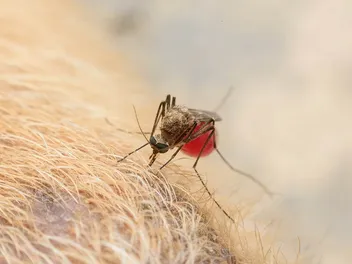
Heartworm is a disease that is transmitted to pet dogs and cats by mosquitoes via biting. Immature larvae (microfilariae that develop into infective larvae within the mosquito), they are transmitted through the bite and then migrate through the tissues before entering the bloodstream. The larvae develop into small spaghetti-like adult worms over several months, and these worms begin to reside primarily in the pulmonary arteries and, in more advanced cases, the heart.
Heartworms can grow to a staggering 6–12 inches in length when fully grown, so each one puts a great deal of stress on an animal’s internal system. These worms can live up to 5–7 years in dogs (and typically 2–3 years in cats) before they die off and are gradually cleared by the body. Dogs can be infected with dozens to, in some cases, hundreds of heartworms at one time, and infection can go on for weeks, if not months, before signs become apparent.
Here Are the Signs of Heartworm Disease
No signs typically develop during the early stages of heartworm disease. However, as the disease develops, certain signs may start to become noticeable to pet owners. Highly active dogs, those with pre-existing health conditions, and those with heavy infections tend to show signs the most predominantly.
Here are the signs of heartworm that pet owners should always be on the lookout for:
- Persistent cough
- Fatigue
- Decreased appetite
- Weight loss
- Reluctance to exercise
Once the disease progresses to a serious level, a swollen belly and heart failure may develop as the disease advances. Therefore, if any signs of heartworm disease are displayed, pet owners need to schedule a checkup appointment with their veterinarian as soon as possible.

Here’s How to Prevent Heartworm Disease
The most effective way to prevent the development of heartworm disease in pets is to administer preventive heartworm medication to them on a regular schedule throughout the year. These medications come in oral, injectable, and topical formulas, depending on things like your pet’s temperament and tolerance. While oral and topical medications must be administered monthly, injectable medications can be administered once every 6–12 months, depending on the specific product used.
If you have any concerns about your dog or their health, we recommend you contact your vet directly.
Conclusion
National Heartworm Awareness Month is an important event. The more pet owners who are aware of heartworm disease and how to prevent it, the more pet lives we can save as time goes on. However, April is not the only good time to remind your friends and family about the importance of heartworm prevention. Reminders are encouraged all year long!
Featured Image Credit: hedgehog94, Shutterstock
Expert dog care, straight to your inbox
News, insights, expert advice, and everything dog.

No spam — unsubscribe anytime.
By signing up, you agree to our Terms & Conditions and Privacy & Cookies Policy.
How useful was this post?
Click a star to rate. You can leave written feedback afterwards. (We read all feedback.)
Rachael has been a freelance writer since 2000. In this time she has had an opportunity to research and write about many different topics while working to master the art of fusing high-quality content with effective content marketing strategies. She is an artist at heart and loves to read, paint, and make jewelry. As a vegan, Rachael is obsessed with helping animals in need, both in her community and anywhere in the world where she feels she can make a difference. Animals also happen to be her favorite topic to write about! She lives off the grid in Hawaii with her husband, her garden, and her rescue animals including 5 dogs, a cat, a goat, and flock of chickens.