

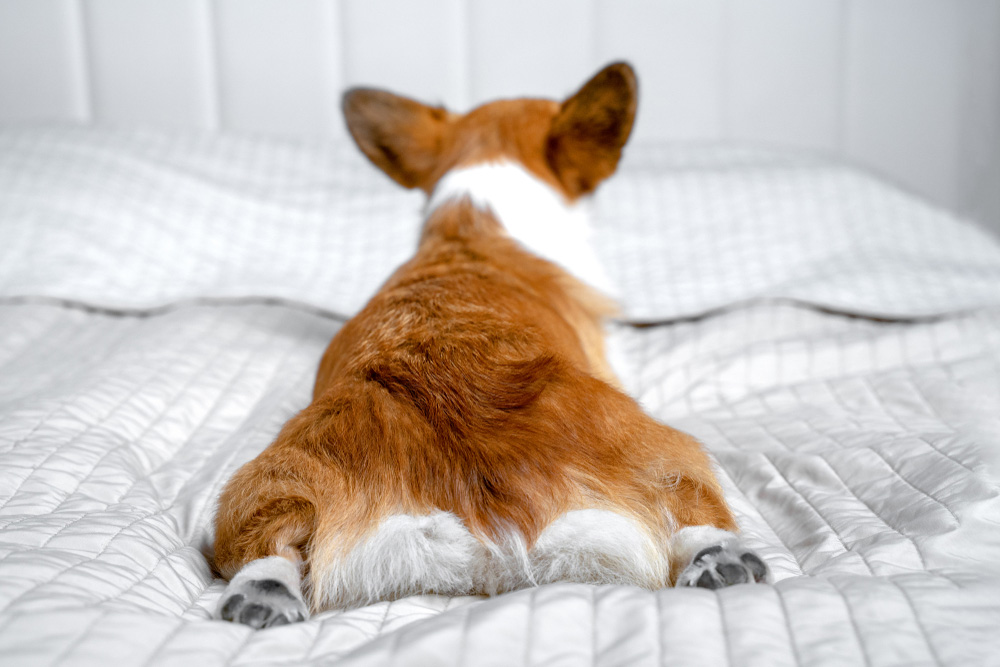
You and your favorite canine are hanging out, watching a movie, and all is well. Then, suddenly it happens—your dog farts. Now you can’t wait to get out of the room to somewhere it smells less terrible. We’ve all been there; dog farts are simply a part of having a dog in your life.
What causes dogs to fart, though, and when is it a sign of a bigger problem? Many things can cause your dog to fart, and canines with gas aren’t uncommon. However, if it occurs too much, suddenly starts out of nowhere, or appears with signs such as vomiting or diarrhea, your pet may need to see their vet. Here’s what you need to know about the causes of canine flatulence and when to see a vet!

The 9 Causes of Canine Flatulence
1. Dietary Changes
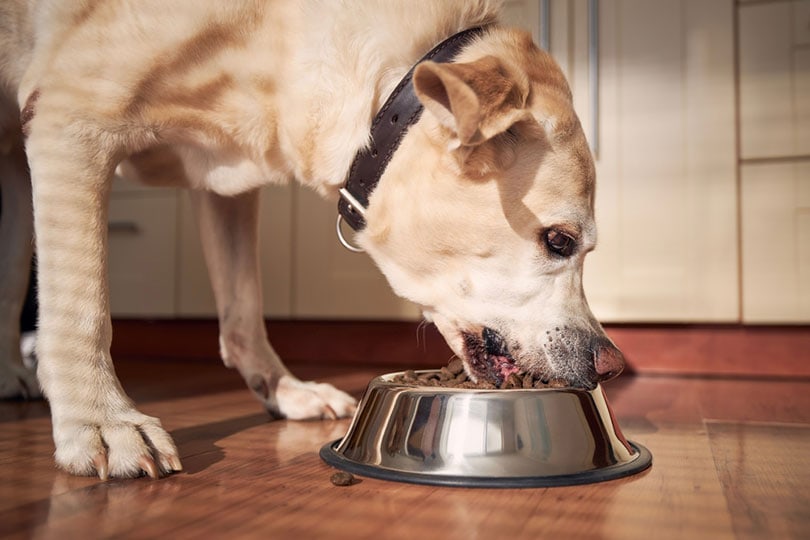
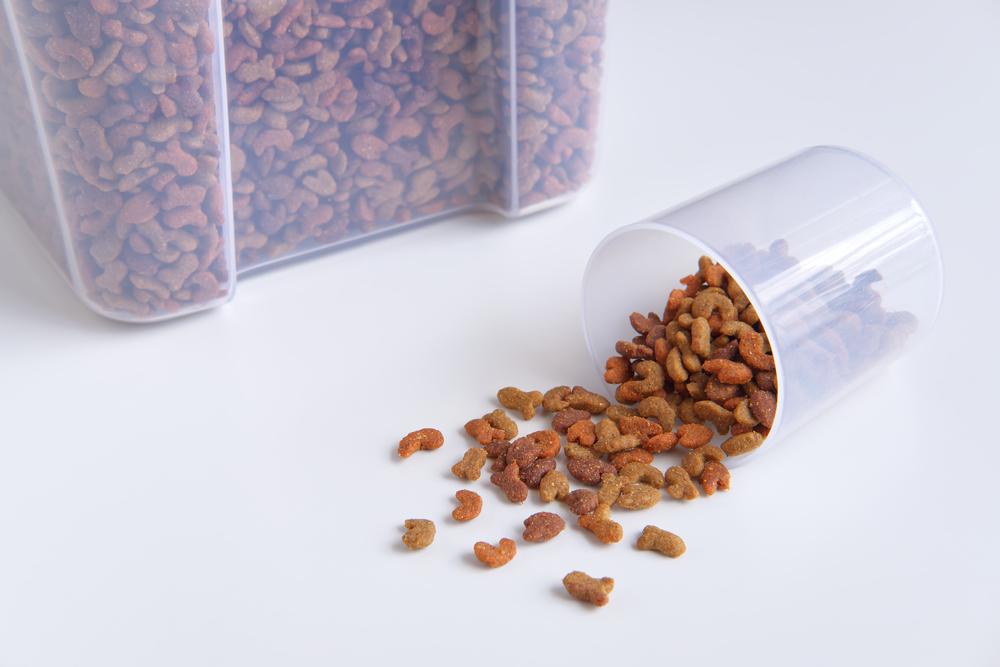
Have you changed the brand or flavor of food your dog is eating recently? Have you switched them from a kibble diet to wet or raw food (or vice versa)? Then, your dog may be gassy and farting a lot because of the changes to their diet. This is especially true if you didn’t switch over their foods slowly enough. When transitioning your pup from one food to another, you can follow general guidelines laid out by your vet to ensure they don’t experience digestive problems. Go any quicker, and your pet could be incredibly gassy (not to mention they may suffer with diarrhea).
The good news is that no vet is needed if your dog is only a bit gassier than normal or experiencing mild gastrointestinal issues. However, if your pup is really suffering after changing their food i.e. if they have severe diarrhea, vomiting or lethargy, they should be seen by your vet.
2. Eating Something Spoiled
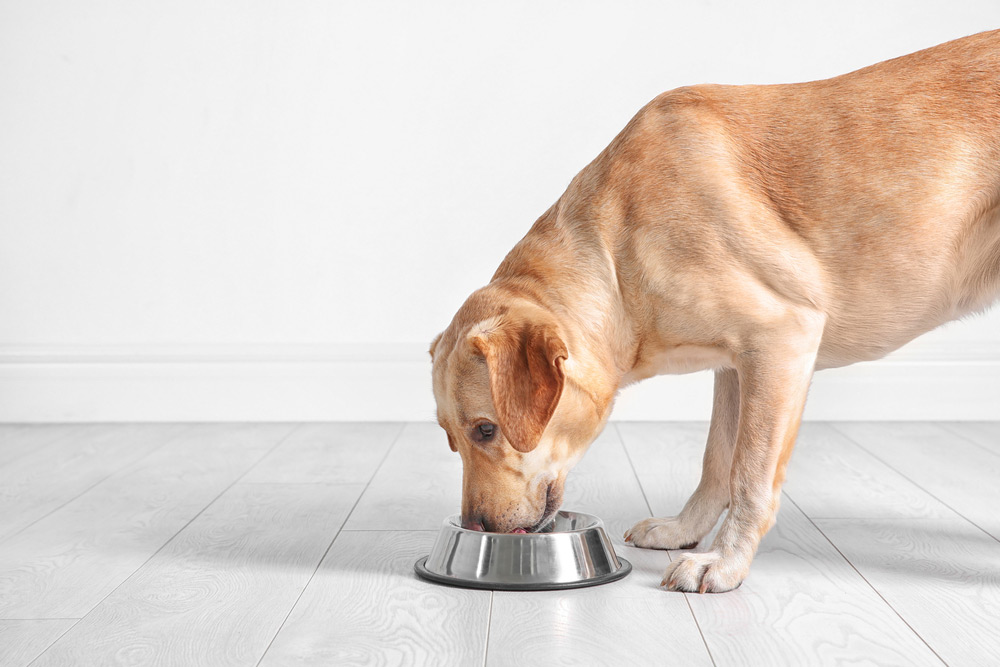
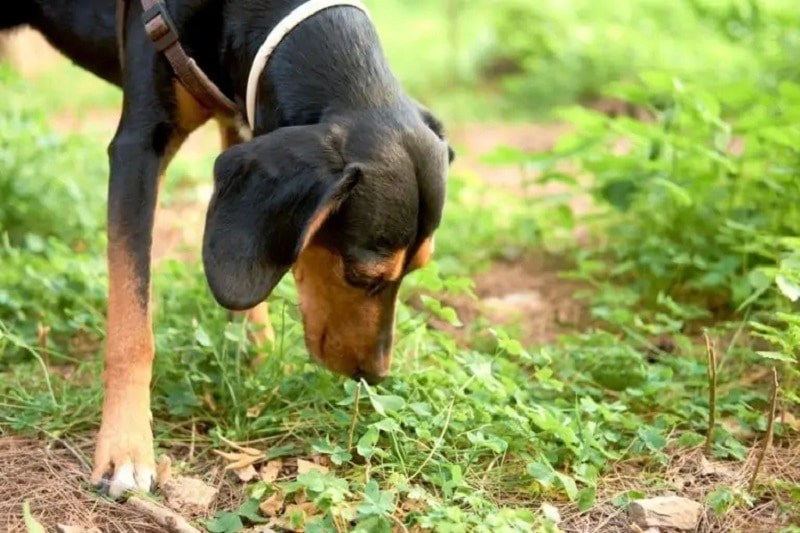
Does your four-legged pal have a tendency to dig through the trash? If so, they may have ended up consuming something spoiled, which has caused them to be gassier than usual. Eating from the garbage can not only make your pup fart a lot, but it could upset their digestive system, too. Plus, some things in your trash could be toxic to them, so it’s wise to do your best to keep your furry friend out of the garbage.
Purchasing a trash can with a lid that locks is probably the easiest way to do this. Also, don’t forget to keep an eye on your pup while you’re out on walks! Your pet can easily eat trash off the ground if you aren’t careful. This is one reason why teaching your dog the “Leave it!” command is vital.
Unless your dog eats something that has caused other signs such as severe diarrhea, vomiting or lethargy, a vet visit shouldn’t be needed. But if you’d like some reassurance, we suggest speaking to an online vet to avoid the stress and cost of an in-person vet visit.
If you need to speak with a vet but can't get to one, head over to PangoVet. It's our online service where you can talk to a vet online and get the advice you need for your pet — all at an affordable price!

3. Consuming Poorly Digestible Foods
When a dog eats something that is poorly digestible, it causes excessive fermentation in the colon, which then leads to the formation of large amounts of gas. What kind of things could a dog eat that would be poorly digestible? While there can be several things that are considered poorly digestible, the biggest culprit is table scraps.
If you’re guilty of sneaking your pet a bite or two from your plate occasionally, you could be giving them foods they can’t digest well. Some of these foods include ones that are high in fat or ones that contain beans, soybeans, and peas. It’s advisable to skip the table scraps for your pup and stick with their regular dog food and treats.
This is another case where a vet shouldn’t be needed (unless you’ve accidentally given your pup food that is toxic to them). Stop giving in to the puppy dog eyes, and hopefully, your pet’s flatulence will clear up!
4. Lactose Intolerant
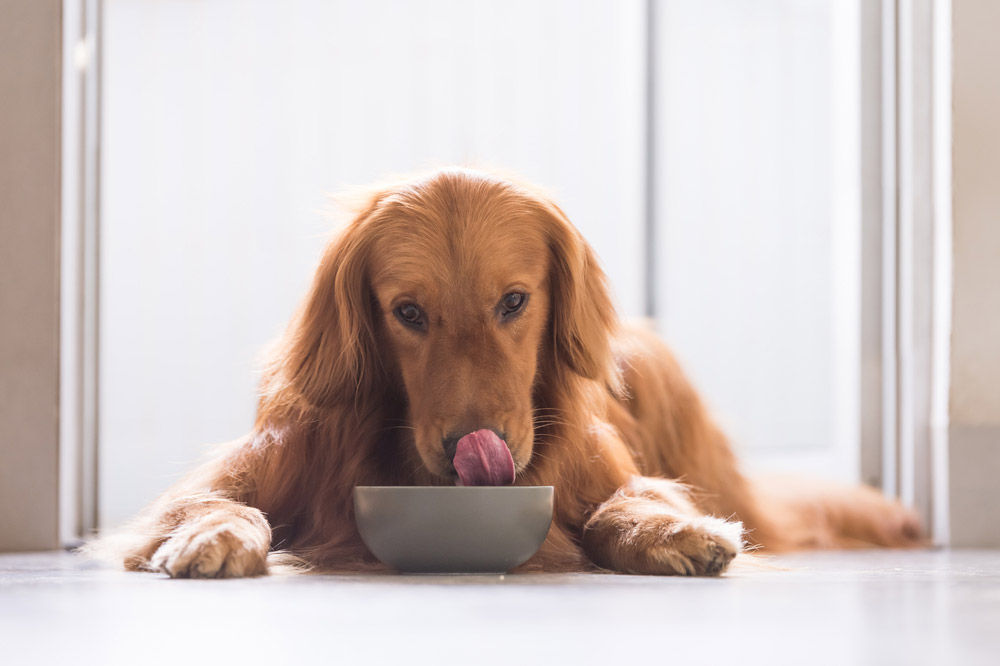
Did you know that most dogs have an intolerance to lactose? The level of intolerance can vary by canine—some dogs can consume yogurt and cheese with no issue, while others cannot—but it may be something you want to avoid giving your pet. At the least, keep the lactose limited if you think it might be the cause of your dog’s smelly farts.
If your pup has been chowing down on the cheese lately and they’re lactose intolerant, not only could they be gassier, but they might also have stomach pain and loose stools. Luckily, your dog won’t need to check in with their vet if this is the cause of their farts; just be careful with your pup and dairy products.
5. Body Isn’t Properly Absorbing Nutrients
If your dog is eating high quality dog food, staying out of the garbage, and doesn’t eat people food but is still experiencing lots of gassiness, then there may be a medical reason for it. In particular, their body might not be properly absorbing the nutrients from their food. This is called malabsorption and is likely to be caused by an overgrowth of bacteria in the small intestine, although there are other causes of malabsorption.
On top of potential gassiness, dogs experiencing malabsorption will also suffer diarrhea and weight loss (even though they’re eating plenty). This is definitely a case where you want to take your pet to their veterinarian, as your dog will need antibiotics and possibly a specialized diet to deal with the issue.
6. Carrying Extra Weight
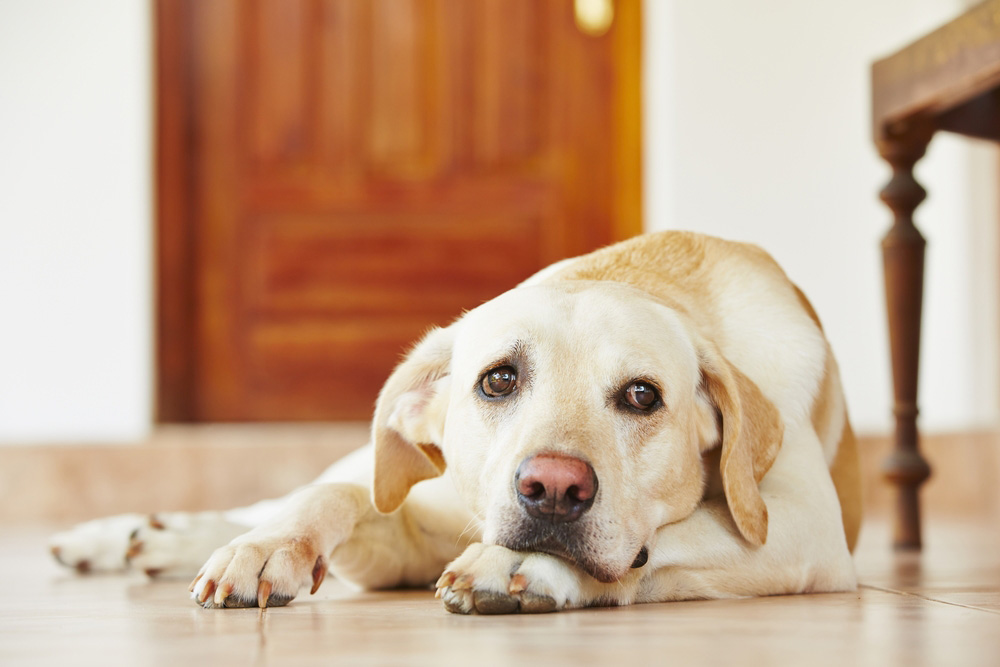
Canines carrying extra weight (whether it’s just a smidge or a lot) are at higher risk of developing chronic flatulence. The same goes for dogs who aren’t active enough. If your pup is on the heavier side or is simply more prone to cuddling than going for a long walk, this could be why they’ve begun farting so much. The solution is easy enough, though; you just need to help your dog lose some weight by ensuring they aren’t overeating and that they’re getting enough daily exercise.
Unless you aren’t sure how to help your pup lose weight, a vet shouldn’t be needed in this instance. However, your pup’s vet can tell you exactly how much your dog should eat to maintain a healthy weight and let you know if any specialized diet is necessary.
7. Food Allergies
Dogs can have food intolerances or allergies, which can cause a range of signs, from itchiness to diarrhea, vomiting and flatulence, so this might be the reason your dog is farting so often. The most common food allergy in canines is an allergy to a common protein, such as beef or chicken, so the fix for this is relatively easy once you’ve found what the allergy is to (which is the hard bit!) You only need to switch your pup’s food to a different one.
However, if you suspect a food allergy, you should speak with your vet. Your vet can run tests to see if your dog does indeed have allergies that are the cause of their flatulence or any other symptoms they may be experiencing.
8. Underlying Health Conditions
We previously mentioned how the overgrowth of bacteria in the small intestine can cause malabsorption, which can result in flatulence. Well, there are other underlying health conditions that could have excessive farting as a symptom. If this is the case, you’ll often see other gastrointestinal-related signs, like vomiting, diarrhea, weight loss, or not wanting to eat.
Some of the more common health conditions that can lead to flatulence include inflammatory bowel disease, exocrine pancreatic insufficiency, colitis, pancreatitis, intestinal parasites and cancer of the bowels. If you think your dog may suffer from any of these ailments, you want to see a vet! Underlying health conditions can be serious, chronic, or even deadly, so don’t wait to take your pup to the vet if they seem ill.
9. Swallowed Air
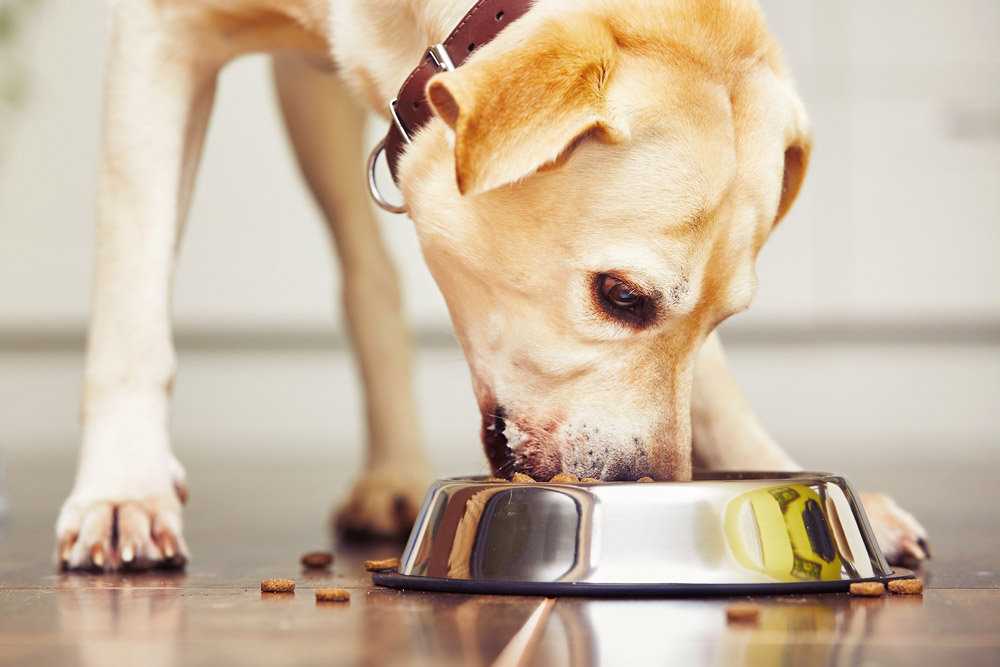
Finally, we have the most common cause of gas in dogs: swallowed air! Pups who gobble down their meals in three seconds flat swallow a lot more air than those who take a longer time to eat and that swallowed air gets expelled from their system by farting. Brachycephalic canines (breeds with short noses) are also more likely to swallow a lot of air when eating. So, if your dog is a brachycephalic breed or just eats quickly, they’ll likely fart a lot.
There isn’t much you can do to prevent brachycephalic dogs from swallowing air, but if you have a fast eater on your hands, you can slow them down with a puzzle feeder. Not only is this a way to keep them from farting so much, but it’s also beneficial, as dogs who eat quickly are more liable to develop bloat, which can be deadly. Other signs of bloat include a swollen abdomen, unproductive vomiting (your dog is trying to be sick but nothing is being produced), drooling, and restlessness; you absolutely want to get your dog to the vet immediately if you suspect bloat.

Conclusion
There are several causes of canine flatulence, but the good news is most of them don’t require a visit to the vet. There are a few instances where your dog farting a lot can indicate something serious going on, but if this is the case, you’ll see other signs that something is wrong. If your pup has been farting a lot recently but doesn’t seem to be ill, you should be able to reduce the level of flatulence once you determine what exactly is causing it.
See Also:
- What Can You Give a Dog for Gas? 5 Vet-Recommended Tips
- Dog Breeds That Fart a Lot: Most Gassy Canines (Vet-Verified)
Featured Image Credit: Masarik, Shutterstock
 The 9 Causes of Canine Flatulence





















One Response
Such an informative and helpful post on dog health & care! 🐶💨 Many pet owners ignore frequent gas issues, but understanding the causes and knowing when to seek help is so important for a dog’s well-being.