Teacup Maltese: Info, Pictures, Care Guide & More


In this article
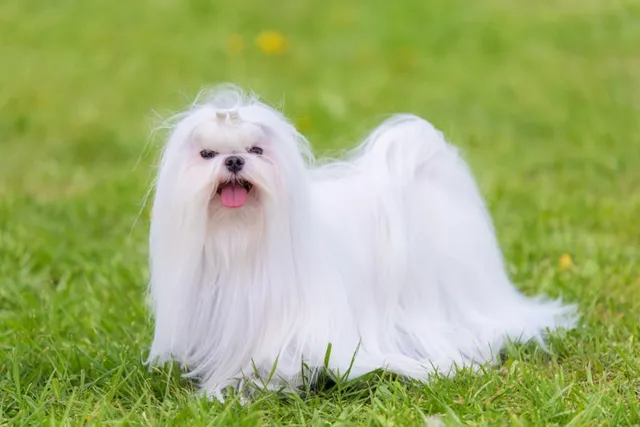
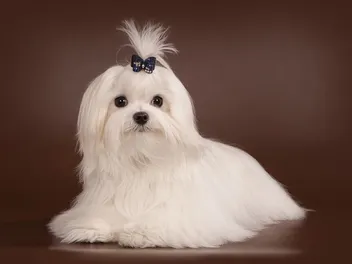
Are you looking for the smallest dog in the world? While the teacup Maltese might not be quite the smallest dog out there, it's pretty close. In fact, some of these pups only stand 4 to 6 inches tall and weigh an average of 4 pounds!
Their super small stature introduces some unique care requirements, which is why we wanted to take the time to break it all down for you here.
Breed Overview
Height:
Weight:
Lifespan:
Colors:
Suitable for:
Temperament:
While the teacup Maltese might be one of the smallest dogs out there, they have an outsized personality that more than makes up for it. They love attention and hanging out with their owners. They're small enough to live with you no matter how tight your living conditions are, and as long as you're spending as much time with them as possible, they're happy.
To many, they're the perfect companion dog, and the more you learn about them, it's not hard to see why they're such great pets.
Teacup Maltese Characteristics

Teacup Maltese Breed Puppies
While the teacup Maltese is an extremely popular puppy, it's worth noting that they're not a separate breed from the Maltese. The teacup Maltese is simply a smaller Maltese, and you're just getting a smaller Maltese.
Many breeders will market the runts as teacup Maltese, although it's certainly possible to get a breeder breeding smaller Maltese dogs. Because of this, it's extremely important to find a reputable breeder when shopping for a teacup Maltese.
Teacup Maltese are usually more expensive than the standard-sized ones. However, costs will vary depending on your location and the breeder you go with.

Temperament & Intelligence of the Teacup Maltese 🧠
The teacup Maltese will have the exact same temperament and intelligence levels as a traditional Maltese. This means that they're incredibly loving and loyal, and they're more than happy as long as you're giving them attention.
However, they can be a bit stubborn at times, but don't let them trick you into thinking that they're not intelligent! These dogs are extremely smart and will do whatever they can to try and get you to do things for them.
And despite their small size, they want to protect you and your belongings, so they'll typically alert you when something is going on. They're also highly adaptable, so they're a great choice if your life is always throwing something new at you.
Are These Dogs Good for Families? 👪
The teacup Maltese will usually get along great with other family members, but because of their super small size, we don't recommend them if you have smaller children. It doesn't take much to injure a teacup Maltese, and toddlers learning to walk or how to properly handle dogs can easily injure them.
Once your kids are a bit older and more careful, the teacup Maltese is a great family dog, even if you need to be careful with how you play with them.

Does This Breed Get Along With Other Pets? 🐶 😽
The teacup Maltese will almost always get along with other pets as long as you properly socialize them. However, while they'll get along with other pets, their small size creates a whole litany of problems you need to worry about.
The teacup Maltese doesn't always realize how small they are, and because of this, they can easily end up hurt while playing with larger pets. Unless your larger pet is well aware of its larger size, we highly recommend not keeping them with a teacup Maltese.
Things to Know When Owning a Teacup Maltese:
The teacup Maltese is one of the smallest dogs out there, and because of this, it's a good idea to know exactly what you're getting yourself into before you bring one home. Their small size makes it easier to care for them in some areas, but it presents its own challenges in others. We'll break it all down for you here:
Food & Diet Requirements 🦴
One area where a teacup size is beneficial for you is their diet. Since these dogs only weigh between 4 and 5 pounds, they really don't need much food. With high-quality kibble, you should only need to feed them about 0.25 cups of dog food each day, although you will need to get dog food specifically for small breeds.
Still, you shouldn't need to spend more than $10 a month for dry kibble. Meanwhile, with wet food, you only need to feed them about half a can a day! Finally, even fresh dog foods shouldn't cost you too much with a teacup of Maltese.
In fact, most fresh food plans will cost you about $75 a month for food. It's far more expensive than kibble, but compared to fresh food plans for larger dogs, it's as affordable as it gets.
Exercise 🐕
While Maltese has moderate exercise requirements, their smaller size makes it easier to meet these needs. In fact, you only need to get them out for about half an hour each day. They'll love trips to the dog park but walks around the neighborhood are usually more than sufficient.
While larger dogs need fenced-in yards to run around, a teacup Maltese can burn more than enough energy simply while running around your home or apartment.
Training 🎾
Just because a Maltese is small doesn't mean you can skip out on the training sessions. The teacup Maltese has a stubborn streak, and if you don't stick with consistent training sessions, you won't get the desired results.
Aim for at least one training session each day that lasts between 15 and 20 minutes. Don't go for anything longer, as your teacup Maltese will lose interest and won't listen to you the way they should throughout the entire training session.
Grooming ✂️
Just because the teacup Maltese is hypoallergenic doesn't mean they don't have any grooming needs. In fact, since they don't shed, it's especially important to brush them out each day so their fur doesn't mat and knot up.
Additionally, you'll need to cut their hair about once a month, whether you're doing it yourself or paying for a professional grooming service. Next, brush their teeth at least once a day to keep up with their oral hygiene, and trim their nails as needed to prevent issues there.
You might also be interested in: 11 Best Dog Wipes: Reviews & Top Picks
Health and Conditions 🏥
While the teacup Maltese certainly suffers from some common health conditions, compared to many other dog breeds out there, it's a relatively healthy breed. If you take your time and only shop from reputable breeders with a solid history, there's a good chance you won't have to worry about too many health problems with your teacup Maltese.
Still, you'll want to feed them a high-quality diet and ensure they get regular checkups from a vet to keep them healthy. With that in mind, we've highlighted a few common health conditions you'll want to keep an eye out for here.
Male vs Female
There's little difference between a male and female teacup Maltese. While males might be a little larger, when the size range is between 4 and 5 pounds, it's unlikely that you'll even notice the difference.
Some people claim that males need a little more direct attention, but whether you get a female or male teacup Maltese, they're going to take as much attention as they can get and constantly demand more!

3 Little-Known Facts About the Teacup Maltese
While the teacup Maltese isn't going to turn too many heads because their small size makes them hard to spot, that doesn't mean there aren't tons of head-turning facts out there! We've highlighted three of our favorites for you to check out here:
1. They Come From Malta
The first half of "Maltese" sounds like Malta, and that comes from their roots. Malta is a small country south of Sicily, Italy, and early records indicate this is the humble home of this super adorable pup.
2. Maltese Dogs Are Picky Eaters
We're not quite sure why so many teacup Maltese dogs are picky eaters, but if you've ever raised a Maltese, you've likely noticed they turn their nose up quite a bit. Persistence and training can help some, but a large part of this pickiness simply comes down to their individual temperament.
3. They're Outstanding Therapy Dogs
If you're looking for the perfect therapy dog, the teacup Maltese is a great choice. Between their small size, loving demeanor, and hypoallergenic coat, there's plenty to love about these adorable pups and they work with tons of people.

Summing Up
Few dogs come any smaller than the teacup Maltese, but that's exactly what a lot of people are looking for. Whether it's the ideal purse dog or a pup that fits into any apartment, the teacup Maltese is an outstanding choice.
And while they might stand tall in stature, their outsized personalities more than make up for what they lack in size!
Featured Image Credit: Plernz, Shutterstock
Expert dog care, straight to your inbox
News, insights, expert advice, and everything dog.

No spam — unsubscribe anytime.
By signing up, you agree to our Terms & Conditions and Privacy & Cookies Policy.
How useful was this post?
Click a star to rate. You can leave written feedback afterwards. (We read all feedback.)
Adam is a professional freelance writer and animal enthusiast who has rescued countless animals throughout the years. He's been a freelance writer for ten years and has been rescuing animals for even longer! Adam is also a proud father of three kids and is always up for a challenge and adventure!