How to Prevent Back Problems in Dachshunds: Vet-Approved Tips & Risks



Dachshunds are a beloved breed of small, long-bodied dogs known for their loyal and affectionate personalities. However, their long backs can be prone to spinal problems, which can manifest as lameness, knuckling, incontinence, and even paralysis.
Fortunately, there are several strategies and measures owners can take to help prevent back problems in their Dachshunds. By understanding the risk factors and recognizing the signs of back problems in Dachshunds, you can keep your four-legged friends healthy and happy. Let's discuss.

Risk Factors for Back Problems in Dachshunds
The Dachshund is a breed with short legs and a long, low body, making it especially prone to spinal (neck and especially back) problems. This is due to the dogs’ anatomy, genetics, and some lifestyle-related factors. The long, low body of a Dachshund means that they often have a difficult time balancing and moving around.
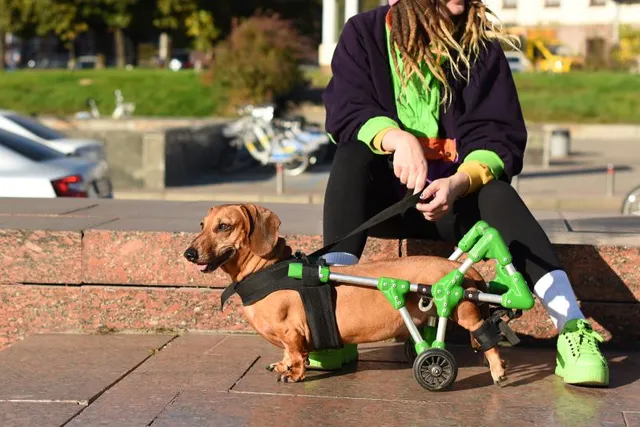
Dachshunds are susceptible to intervertebral disc disease (IVDD). In this condition, the intervertebral disc can slip and bulge, causing spinal cord issues that can include pain, herniations, bladder problems, and, in the worst cases, even paralysis.
These issues are compounded by the fact that Dachshunds are often genetically predisposed to back issues. In fact, the AKC acknowledges that there are several heritable back issues that are common in the breed. That said, there are a few things you can do to lower your Dachshund’s risk of back problems and make their lives happier and healthier.
The 7 Tips on How to Prevent Back Problems in Dachshunds
1. Get Regular Vet Check-Ups
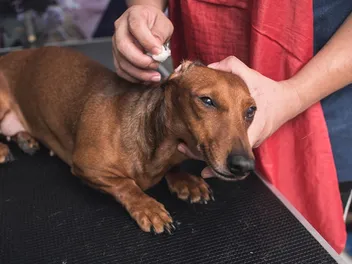
Having regular check-ups with your veterinarian is an essential way to maintain your Dachshund’s health. It can also help catch any issues with their back as early as possible.
If your Dachshund is showing any of the signs of back pain or discomfort described above, talk to your veterinarian about having their spine checked and start any appropriate treatment. This can prevent any permanent damage or issues from developing.

2. Use Furniture Ramps
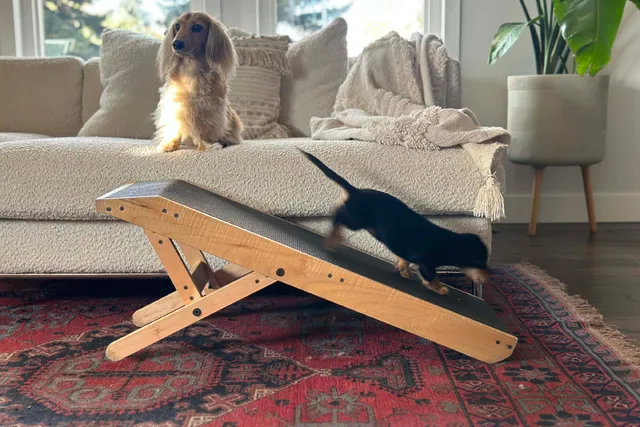
One of the best things that you can do for your Dachshund is to get them a ramp1. A Dachshund's back can be strained by jumping on and off furniture. Consider getting a pet ramp or steps instead of banning your dog from the couch or bed.
However, pet steps may still require some awkward movement and sometimes the owners may not get the correct steps, forcing the dog into an awkward position just to climb them. So, ramps may be the better choice. You can even build your own ramps in the house with a few pieces of plywood and a couple of 2x4s.
3. Avoid Slippery Floors
You can also give your Dachshund a hand by making sure they don’t slip when going over a slippery floor. Use yoga mats over floors that can be challenging for your dog. Trim their nails to keep them in perfect condition to make sure their long claws don’t interfere with their own biomechanics and alignment.
If you live in a multi-level home or apartment, a good tip is to use baby gates to limit their access to the staircase.

4. Keep Your Dachshund at a Healthy Weight
One of the best things that you can do for your dog is to keep them at a healthy weight. A 2013 study looked into the relationship between obesity and IVDD. Although body weight does not directly increase the risk of IVDD in Dachshunds, it does impact the time for recovery and the long-term prognosis.
So, be sure to keep them at a healthy weight, limit treats, and increase activity that doesn’t involve jumping or stair climbing. And note that to put extra strain on their bodies, it takes only being about 10% overweight—that means it won't take much for these pups to become overweight.
5. Keep an Eye on Their Movements
Keep an eye on your dog's mobility throughout the house. Be sure to look for any signs of pain coming such as limping, whimpering, knuckling, avoidance, or struggling to get on or off furniture. You should immediately take your Dachshund to your vet if they are exhibiting any inactivity, discomfort, reluctance, or lack of willingness to walk or run.
Remember, waiting can cause the issue to exacerbate and make it harder to treat. The more you wait, the more severe the problem will be.

6. Get Surgery if Necessary
If your Dachshund is suffering from back issues, such as a slipped disc, and your vet has recommended surgery, do not hesitate to follow their advice. Dachshunds can experience better mobility results if they receive treatment early in the progression of the disease. This is why regular trips to your veterinarian are so important.
7. Find a Responsible Breeder
We have explained that many factors play a role in Dachshunds’ back problems. While there is no way to predict if a Dachshund puppy will have back problems, responsible breeders will aim to breed from dogs that have a smaller chance of having affected puppies.
Breeders may take part in screening programs to have their mating dogs X-rayed to look for abnormalities in the discs, along with genetic testing. Some genes may positively or negatively affect the risk of a Dachshund developing back problems, and the results of the tests can help to make breeding decisions.

Additional Risk Factors
There seems to be an association between neutering and the risk of developing severe back problems (slipped disc) in Dachshunds. A UK study involving 1,964 Dachshunds demonstrated this link, finding that male dogs neutered before twelve months of age and female dogs spayed at any age, were at increased risk of having a slipped disc as compared with non-neutered animals.
It is always best to speak to your veterinarian about your dog’s specific situation before making any decisions since a lot of factors need to be taken into consideration.
What to Do if Your Dachshund Is Showing Signs of Back Pain
If your dog is showing any of the signs of back pain or discomfort described above, take your dog to the veterinarian right away. Your Dachshund will likely be given painkillers and an appropriate course of action will likely be recommended.
While most cases of back pain in the Dachshund breed are short-lived, they can sometimes require more serious treatment, such as surgery. If your Dachshund is experiencing more significant back pain that is not going away with treatment, make sure to follow your veterinarian’s advice.

Conclusion
It is important to acknowledge that Dachshunds are prone to back issues, so they will lead their best lives with the proper preventative care. Fortunately, there are several strategies and measures that Dachshund parents can take to help prevent back problems in their dogs.
These include a measured diet, proper back support, avoiding injury, regular check-ups with the veterinarian, and assessing the pros and cons of neutering, as well as the timing. With these tips in mind, you can keep your Dachshund happy and healthy for many years to come.
Sources
http://www.northstarvets.com/blog/ask-the-northstar-vets-vet-avoiding-back-problems-in-dachshunds/
https://www.wikihow.com/Diagnose-Back-Problems-in-Dachshunds
Featured Image Credit: Leka Sergeeva, Shutterstock
Expert dog care, straight to your inbox
Vet-reviewed advice, training tips, and the best of Dogster. Free, and you can unsubscribe anytime.
By signing up, you agree to our Terms & Conditions and Privacy & Cookies Policy.
Nicole has loved animals of all sizes her whole life so it's no wonder she has dedicated her career to helping them through what she loves best: learning, writing, and sharing knowledge with others. She’s the proud mom of two dogs, a cat, and a human. With a degree in Education and 15+ years of writing experience, Nicole wants to help pet parents and pets around the planet to live happy, safe, and healthy lives.
Join the conversation
Ask a question, share your story, or send private feedback.