

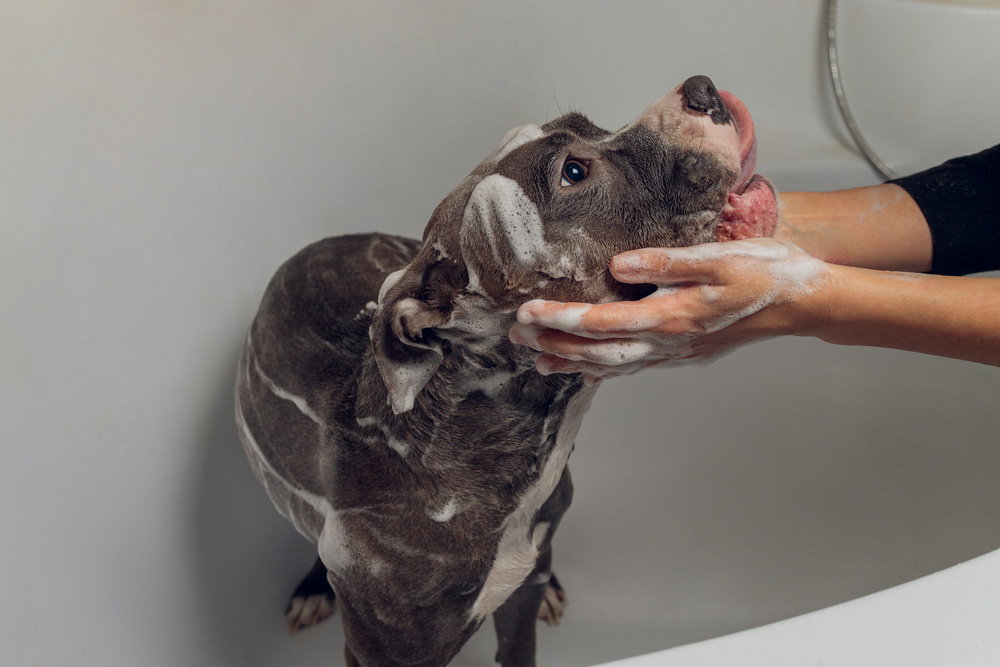
You want your Pitbull to stay clean and fresh and fortunately, thanks to their short coat and natural oils that protect the skin, this breed doesn’t need to be bathed very often. They may need washing as regularly as once per month or as rarely as once every 6 months.
Read on below for more tips on bathing your Pitbull.

Can I Bathe My Pitbull Every Week?
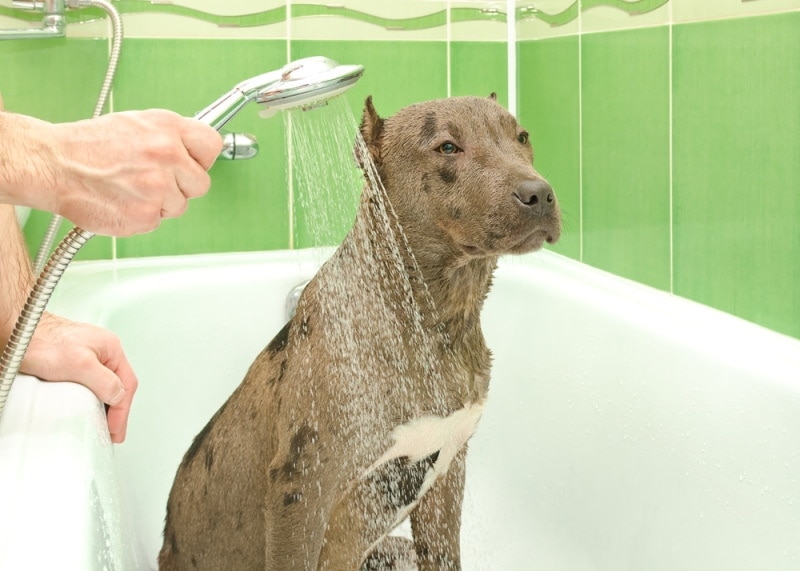
Unless absolutely necessary, you shouldn’t bathe your Pitbull more often than once a month. More frequently than this can disrupt the natural oils and follicles, and lead to skin problems. However, if your pittie spends a lot of time in the mud or sand, it’s absolutely fine to give them a rinse with plain water when you come home, but always make sure you dry them afterwards, particularly between the toes or in any skin folds where moisture might get trapped.
How to Keep Your Pitbull Smelling Sweet
If you put these tips into practice, you can solve your dog’s odor problems and keep your Pitbull smelling sweet without needing to bathe them too often.
Brush Them Daily
Having a short coat means that your Pitbull’s coat won’t need any detangling, but brushing them with a soft bristled brush can help remove dead skin cells and loose hair, stimulate natural oils and remove any dirt.
Feed a High-Quality Diet
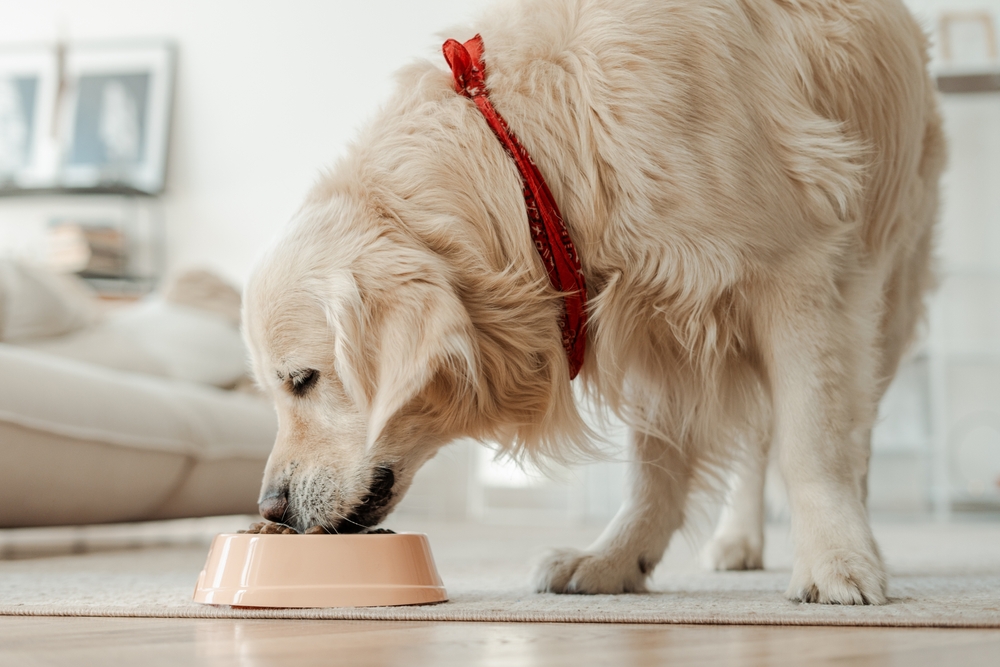
One of the factors influencing your dog’s smell is their diet. Foods that contain good quality ingredients and have high levels of Omega-3 and Omega-6 fatty acids will maximize skin and coat health, and minimize odors. Every dog is unique in their nutritional needs, so we recommend reaching out to your vet for advice.
If you need to speak with a vet but can't get to one, head over to PangoVet. It's our online service where you can talk to a vet online and get the personalized advice you need for your pet — all at an affordable price!

Wash Their Bedding Regularly
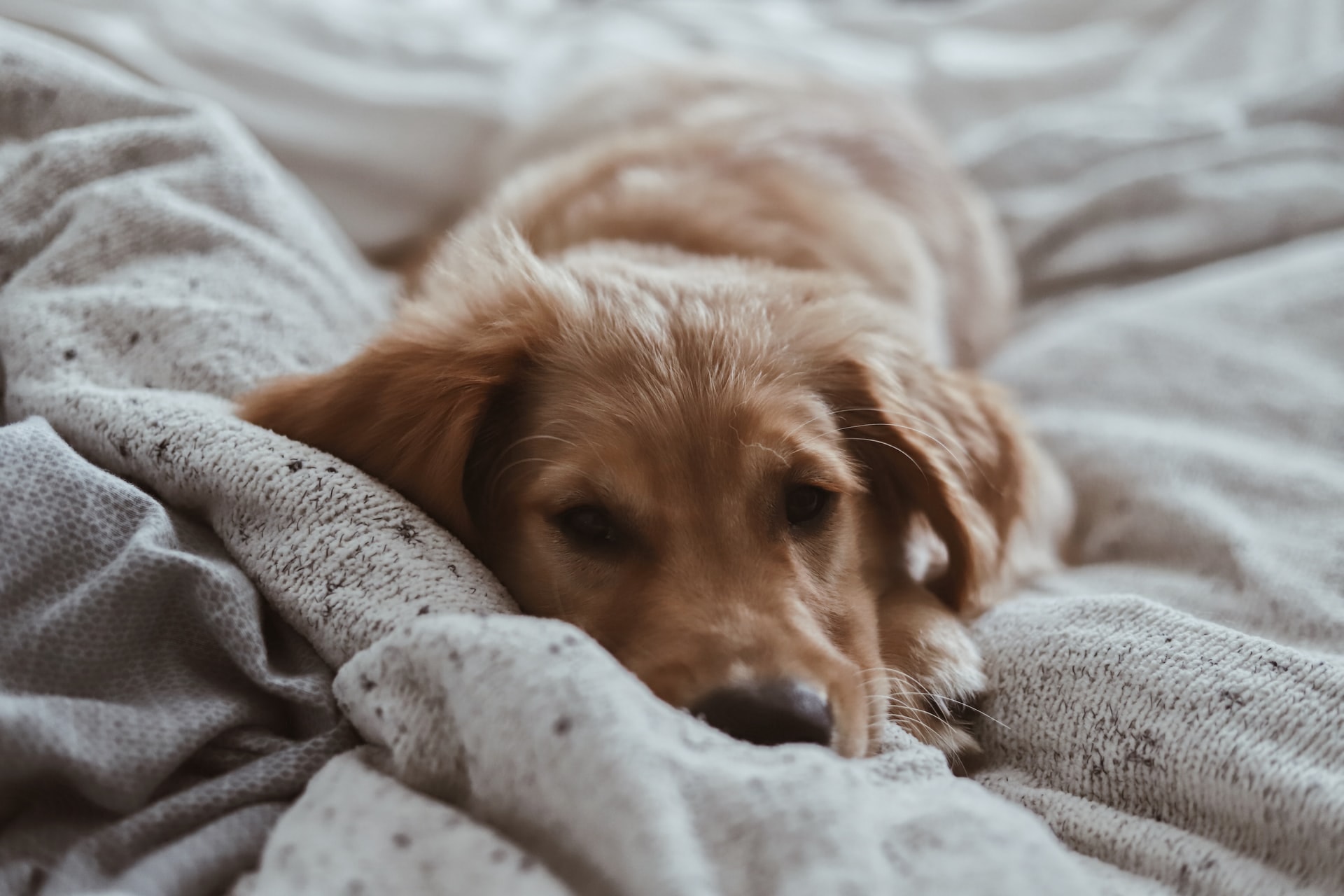
You may want to wash your dog’s bedding often to prevent odor, no matter where they sleep. An unclean bed may get contaminated with fur, dirt, germs, environmental debris, dust mites, skin cells, and even parasites. So instead of washing your dog every week, wash their bedding instead.
Remember to Clean Your Dog’s Teeth
Another way to prevent an unpleasant dog odor is to brush your dog’s teeth. This will help prevent gum disease and gingivitis and will help prevent the formation of tartar and plaque. Use dog-specific toothpaste and water to brush their teeth—human toothpaste can be dangerous to dogs.
Veterinary Examination
Sometimes a dog’s unpleasant smell can be brought on by a medical issue that needs to be treated. Therefore, it’s a good idea to take them to a vet for a thorough examination if they are really smelly.
Your vet will probably be able to explain the cause of the unpleasant dog odor you are experiencing, do additional tests, and, if required, offer advice, therapy, or medication. Early identification and treatment are essential for a long and healthy life together.


Supplies to Bathe Your Pitbull
Put on relaxed, casual clothing that you don’t mind getting muddy or wet when preparing to bathe your dog; it is inevitable that your dog won’t be the only one getting wet! After that, assemble all the tools and materials you need. Remember to keep them close enough to reach. Doing it now is far better than attempting to find lost stuff while your dog is splashing water all over you!
You’re going to need an absorbent towel, plus one extra for your pet to stand on after the bath while they’re still wet, and a gentle dog shampoo (ask your vet what brand is best for your canine) and conditioner. Products designed for humans are the wrong pH for dogs, and will likely leave their skin irritated. You must avoid getting shampoo in the eyes and ears – stuffing your dog’s ears with some clean cotton wool is a neat way to prevent too much water going into their canals, just remember to take it out when you’re done!
When you’ve finished bathing, ensure you thoroughly dry them all over. Failure to do so may result in hot spots, dermatitis, and yeast infections.
Some dogs love a bath, others absolutely hate it! The best way to have a compliant Pitbull at bath time is to start when they are young, making bathtime a happy and treat-filled experience.
Conclusion
Regular bathing is an important component of Pitbull care, but we shouldn’t overdo it. Rinsing off after a walk is okay, but you shouldn’t do a full shampoo more frequently than one a month, unless under the guidance of your vet. If your Pitbull pal is still smelly, talk to your vet, as there are a number of health conditions that can lead to chronically stinky skin.
In short, you should bathe your Pitbull no more than once a month or at least about every 6 months, and always make sure you dry them thoroughly.
Related Read:
- Why Do I Like Smelling My Dog So Much? 3 Main Reasons
- 10 Pros & Cons of Having a Pitbull (With Care Tips)
Featured Image Credit: Vershinin89, Shutterstock
 Can I Bathe My Pitbull Every Week?
























2 Responses
hola gracias por los consejos, mi perrita pitbull se lame mucho las patitas, se le pone rojito de tanto lamerse , que le puedo hacer, soy una persona de bajos recursos económicos para llevarle a un veterinario, su ayuda gracias.
Hello Edgar,
thank you for your message and sorry for a bit of a late reply. I am sorry to hear about your Pitbull's issue, hopefully it isn't anything serious!
Since you are unable to visit a veterinarian, I have a perfect and very affordable solution for you. Book an online video call appointment with one of our veterinarians from www.PangoVet.com. In 20-minute video call, our vet will take a look at your dog, tell you their opinion and what are the next steps you should take. And if you book with either Dr. Paola or Dr. Marta, you can lead your call in Spanish too.
Hope this helps!