How Much Water Should a Dog Drink a Day? Vet-Approved Hydration Guide


In this article
Minor slip-ups in your dog’s routine happen, but one area you can’t forget is keeping your dog’s water dish filled. While they may survive a missed workout or even a skipped meal, a lack of water can have immediate and significant effects on a dog’s mood and physical health. Prolonged bouts of dehydration can cause internal damage and even death in as little as 2-3 days.
Maintaining proper hydration is an ongoing balancing act that requires constant attention. If you’re wondering how to ensure your dog gets enough water, we’ll discuss how much they should drink daily and critical tips to keep them in optimal health.

How Much Water Should a Dog Drink a Day?
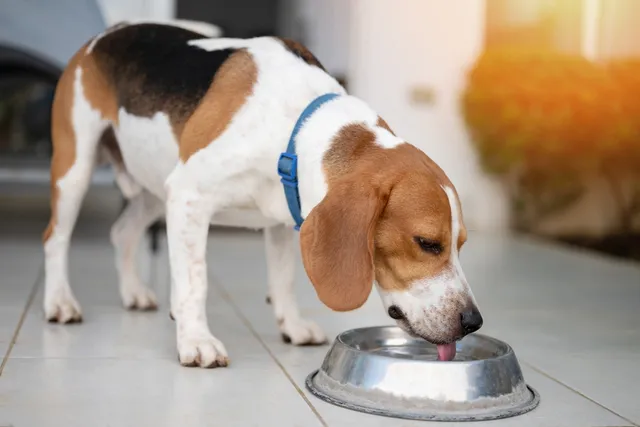
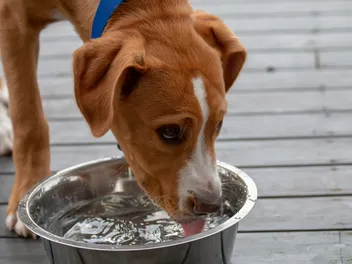
The proper daily amount of water a dog should drink will vary based primarily on their size and activity level. Dogs should generally drink about an ounce of water per pound of body weight daily. By dietary intake, dogs need roughly two to three times more water than food. For instance, if they eat 1½ cups of food daily, they should drink 3–4½ cups of water.

What Affects a Dog’s Daily Water Needs?
Basing water intake on body size alone may work as a general rule but is rarely an accurate way of planning any individual dog’s exact needs. Maintaining proper hydration is a dynamic process that depends on various factors beyond a dog’s weight such as:
- Diet: Wet dog food can contain 80% water, while dry food has only 5%–10% moisture, requiring dogs to drink more supplemental water during the day
- Activity Level: Exhaustive activity will cause dogs to drink more to replenish lost water
- Weather and Climate: Hotter conditions will cause dogs to lose more water
- Medication: Some medications, like diuretics, anti-inflammatories, or anti-seizure medications, may make your dog thirstier than usual
Day-to-day variables like these immediately impact your dog’s hydration, while other factors can have more chronic effects. Dogs can develop health conditions, like kidney disease or diabetes, or take on new diets that alter how they hydrate.
As dogs age, they may drink less water due to lower activity levels and health issues, which can affect their thirst and appetite.
Why Is Hydration Important for Dogs?
Water is at the root of virtually all of a dog’s bodily processes, putting every system at risk if they get dehydrated. Some of water’s notable functions include:
- Transferring nutrients in and out of cells
- Serving as a medium for waste excretion
- Aiding in digestion and nutrient absorption
- Lubricating joints
- Improving cognitive function
- Cushioning the spinal cord, brain, and organs
- Regulating body temperature
Hydration also helps regulate electrolyte balances, which are essential elements in proper muscle, organ, and nerve function, bodily pH levels, and circulatory health. Long bouts of water deficiency can eventually lead to failure of the liver, kidney, and many other vital organs.

Signs Your Dog Is Dehydrated
Dehydration in dogs appears when they lose 3%–5% of their body water. Common physical signs of dehydration can include:
- Sticky, dry gums
- Excessive panting, even when sedentary
- Lethargy and lack of appetite
- Dry nose and mouth
- Sunken, dry eyes
- Thick, ropy saliva
Skin Turgor Test
An easy test to check if your dog is dehydrated is to gently pinch and pull up some of the skin on the back of their neck to form a tent shape. You can also use a pinch of skin at the top of your dog’s forehead. Release the skin, and watch it settle back into place.
In hydrated dogs, the skin springs back quickly. If the dog is dehydrated, the skin slowly moves back down. Keep in mind that some thick-skinned and wrinkly dogs, like Shar-peis and Neapolitan Mastiffs, may be challenging, if not impossible, to test this way.

Capillary Refill Time
Checking a dog’s capillary refill time in their gums can reveal whether they have normal blood circulation, indicating their hydration status. Press your dog’s gums down for 3–4 seconds with your finger to turn them white, and then release. Your dog is well-hydrated if the gums turn from white to their typical pink in 1–2 seconds. When it takes several seconds for the color to return, they are likely dehydrated.

Signs of Excessive Water Drinking
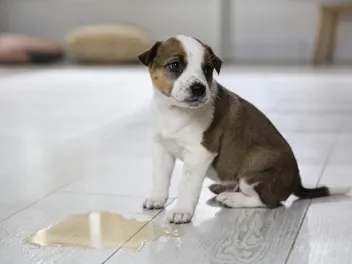
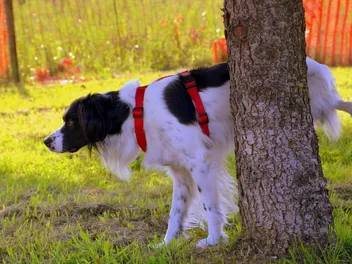
While dehydration is the primary worry surrounding a dog’s drinking habits, hyperhydration (or water intoxication) can be equally alarming. Along with the increased urination you might expect from excessive drinking, the following are a few signs your dog has ingested too much:
- Vomiting
- Diarrhea
- Confusion and loss of coordination
- Drooling
- Lethargy and lack of appetite
Water intoxication can create electrolyte imbalances, particularly sodium depletion, causing cells to absorb more water and expand. In severe cases, the brain can swell, and the dog may suffer from ataxia, seizures, and eventual coma and death.
Fortunately, hyperhydration is rare, typically only occurring in warmer months if a dog ingests a large volume of water while swimming.

Why Is My Dog Drinking Less Than Normal?
Drinking less water than usual is sometimes expected even when your dog is healthy, like when the weather is cooler, your dog didn’t get their daily exercise, or you switched from dry to canned food. Anxiety may also reduce their drinking habits, as you may notice when you take your dog to an unfamiliar place or introduce a new pet.
In other instances, decreased thirst might signal an underlying health problem. Dogs with limited mobility or soreness may have trouble staying hydrated, as they can’t easily reach the water bowl. Dental issues or mouth injuries will similarly prevent a dog from drinking even if they are thirsty due to the discomfort of it.
If your dog shows additional signs, like fatigue, GI upset, or incontinence, they could have issues ranging from food poisoning to kidney disease. Monitor your dog’s habits and follow up with your vet if you suspect a health problem.
Why Is My Dog Drinking More Than Usual?
Increased water drinking can often be expected from one day to the next. It could be extra hot out, or your dog may have done more exercise throughout the day. Pregnant and nursing dogs also need more water to meet their puppies’ needs.
Your dog might also be consuming food high in sodium, sugar, and other dehydrating nutrients, which causes them to replenish their water supply more often.
A deeper health issue may be at play if your dog goes for several days with higher than usual water consumption. Common disorders that can cause a dog’s thirst to increase include:
Excessive drinking with other noticeable signs should lead to an immediate call to the vet. They can perform the necessary blood or urine tests and medical history review to determine possible causes and solutions.

Ensuring Your Dog Gets Enough to Drink
Dogs can typically self-regulate their water intake, so all you have to do is provide an adequate water supply. A healthy dog shouldn't suffer from significant dehydration or hyperhydration as long as you ensure they always have clean, fresh water available.
Their daily intake will become predictable if you maintain a consistent routine and your dog enjoys moderate physical exercise. Thirst is an automatic response when a dog’s body water drops 0.5–1%.
Still, some dogs may be prone to drinking less than they should to maintain the hydration process. The following are a few tips to try to help your dog drink more water:
- Clean dog bowls daily with soap and water
- Flavor your dog’s water with low sodium broth or canned tuna water
- Moisten your dog’s dry dog food before serving
- Switch to canned dog food
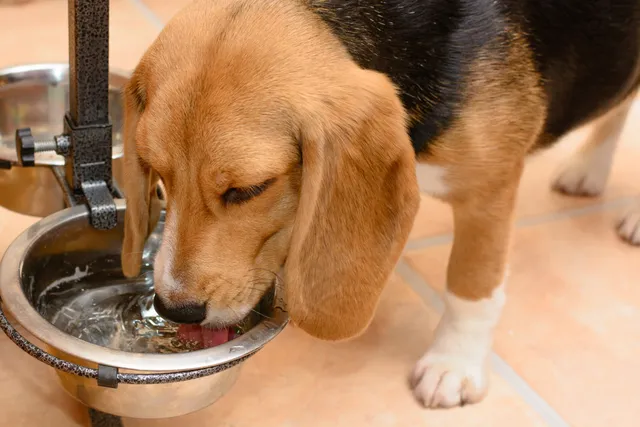
- Elevate food and water bowls if your dog has trouble bending
- Place multiple bowls throughout the house to make water more accessible
- Add ice to the water bowl
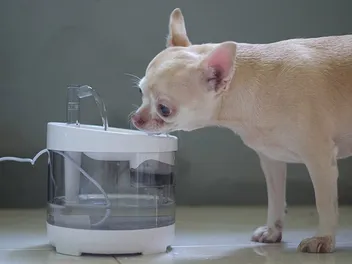
- Utilize a drinking fountain
If you’re unsure whether your dog is drinking enough water, you can monitor their habits by refilling your dog’s bowl at the same time and to the same level each day. Compare how much is left at the end of the day to see if your dog’s water consumption changes.
Final Thoughts
Hydration is a top priority when raising pets, and fortunately, your dog also knows the importance of drinking water. If you can maintain a practical routine and keep their bowl filled with fresh water, a healthy dog will typically have no problem managing the rest. Be sure to report any changes in water consumption to your vet.
Sources
Featured Photo Credit: LightField Studios, Shutterstock
Expert dog care, straight to your inbox
Vet-reviewed advice, training tips, and the best of Dogster. Free, and you can unsubscribe anytime.
By signing up, you agree to our Terms & Conditions and Privacy & Cookies Policy.
Nicole has loved animals of all sizes her whole life so it's no wonder she has dedicated her career to helping them through what she loves best: learning, writing, and sharing knowledge with others. She’s the proud mom of two dogs, a cat, and a human. With a degree in Education and 15+ years of writing experience, Nicole wants to help pet parents and pets around the planet to live happy, safe, and healthy lives.
Join the conversation
Ask a question, share your story, or send private feedback.