Get

In Your Inbox

Dogster is reader-supported. When you buy via links on our site, we may earn an affiliate commission at no cost to you. Learn more.

How Much Does a Labradoodle Shed? 10 Vet-Reviewed Grooming Tips

Share

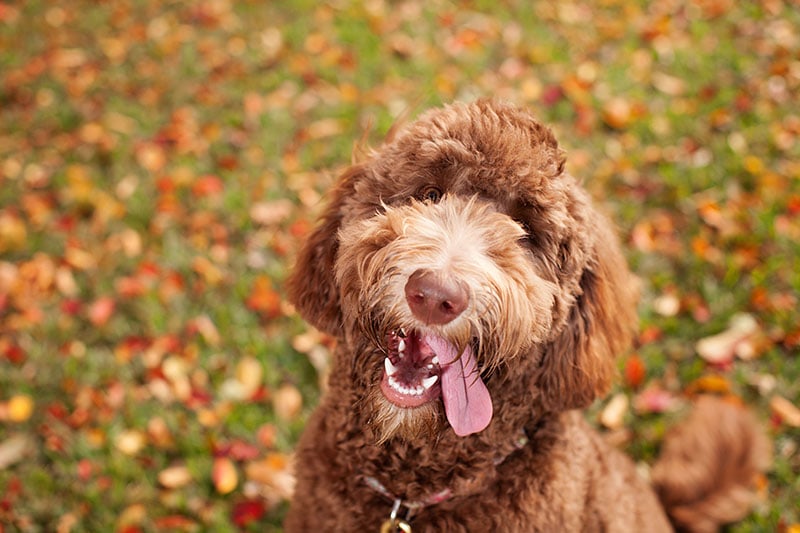
Happy Labradoodle Dog with Head Tilt and Tongue Out Looking at Camera

Labradoodles are a popular designer dog breed, created by crossing a Labrador Retriever and a Poodle. This hybrid breed has gained widespread attention for its loving and friendly personality and its usually low to sometimes moderate shedding coat. They are believed by many to be a hypoallergenic dog breed. But what does hypoallergenic mean, and how much do Labradoodles actually shed?

Overall, Labradoodles generally shed less than many other breeds of dogs. However, it’s important to note that no dog is completely hypoallergenic, and a Labradoodle’s shedding can vary depending on its coat type and inherited genetics. Let’s find out more in this article.

divider single dog paw oct 2024

Labradoodle Shedding Amounts

The amount of shedding in a Labradoodle can vary depending on which parent breed the puppy takes after most. If the Labradoodle has an overall Poodle-like appearance, it will likely shed very little hair.

On the other hand, if the Labradoodle has a more Labrador-like appearance, it may shed more than its Poodle-dominant counterpart. Labrador Retrievers are known for being heavy shedders and may pass this trait down to their offspring. Regular brushing and combing are necessary to keep shedding to a minimum and the coat healthy.

Overall, Labradoodles generally shed less than many other breeds of dogs. This makes them an especially good choice for people who don’t want to deal with excess hair around their home or on their clothing, and sometimes for those who have allergies. However, it’s important to remember that no dog is truly hypoallergenic. Allergies are triggered primarily by proteins found in a dog’s dander, saliva, and urine, not just by shedding hair.

labradoodle lying on bench
Image Credit: Piqsels

About the Labradoodle Coat: An In-Depth Look

The coat of a Labradoodle can vary greatly depending on genetics. Most Labradoodles have one of three coat types: straight, wavy (fleece coat), or curly (wool coat). The straight coat is more similar to that of a Labrador Retriever and may shed moderately. The curly coat is influenced more heavily by Poodle genetics and typically sheds very little, though no dog is completely non-shedding. The wavy coat falls somewhere in between and usually sheds minimally.

Labradoodle coats also differ in grooming needs. Straight-coated Labradoodles are often lower maintenance in terms of brushing because they are less prone to matting, but they may shed more than other coat types. Curly-coated Labradoodles shed the least, but they require regular brushing and professional grooming to prevent matting and tangling.

Wavy-coated Labradoodles have a soft wave in their fur that still requires some grooming. Shedding levels in this coat type are typically low to moderate, depending on the individual dog’s genetics.

Labradoodle Grooming Requirements

Bathing should also be done as necessary—generally no more than once every 6-8 weeks—to keep the coat clean and buildup-free. Avoid overbathing, as it can dry out the skin if harsh shampoos are used. The best type of brush for this breed is a slicker brush, especially for those with curly or wavy coats, which can help remove dead fur and prevent matting. Straight-coated Labradoodles may also benefit from a pin brush or undercoat rake. Using a metal comb after brushing can help detect hidden mats close to the skin.

In addition, nails should be checked and trimmed regularly to keep them from growing too long and splitting. Ears should also be checked for signs of infection and wax buildup, and the eyes should be wiped clean with a warm cloth.

professional grooming an apricot dog labradoodle in hair salon for dogs
Image Credit: Olena Yakobchuk, Shutterstock

The 10 Labradoodle Grooming Tips

  • Brush your Labradoodle’s coat at least twice a week to reduce shedding and keep the coat healthy.
  • Comb through knots or mats with a wide-toothed metal comb after brushing to prevent painful tangles.
  • Use a slicker brush to remove dead hair from the undercoat and eliminate excess shedding.
  • Bathe your Labradoodle every 6-8weeks to keep the coat free of dirt and debris.
  • Check and trim your Labradoodle’s nails once a month or as needed to prevent splitting and discomfort when walking.
  • Check your Labradoodle’s ears twice weekly for infection, wax buildup, and debris.
  • Use a damp cloth to clean your Labradoodle’s eyes of dirt and debris daily.
  • Brush your Labradoodle’s teeth daily or at least three times a week to remove built-up plaque and help prevent gum disease.
  • Apply conditioner after bathing to help keep the coat soft and reduce static, especially in curly and wavy coats.
  • Take your Labradoodle to a professional groomer at least once every 8 to 12 weeks for complete trimming and styling.

A Word About Hypoallergenic Dogs

Many people believe that Labradoodles are hypoallergenic because of their low-shedding coats. However, this is not necessarily true. Allergies to dog hair and dander can occur in any breed, including Labradoodles. Dander is also present in dog saliva and urine, which is why any dog breed, even low-shedding ones, may cause symptoms of allergies in those who suffer from it. The only way to determine if a particular breed suits someone with allergies is to spend time with the breed and see how they react.

labradoodle sitting in grass
Image Credit: Josh Borup, Pixabay

Cutting Down on Shedding and Keeping Your Home Fur-Free

If you have a Labradoodle that sheds more than expected, there are several things you can do to help reduce the amount of hair in your home. First, make sure the pet is groomed regularly and brushed often. Second, clean floors by vacuuming daily and using lint rollers to pick up stray hairs. Finally, you may bathe your Labradoodle once every 6-8 weeks to keep the coat clean and reduce shedding.

What Not to Do

Avoid shaving your Labradoodle’s coat. This can cause the coat to become matted and tangled as it grows back, and they may shed more than before. Also, don’t use harsh chemicals or cleaners on their skin or fur, as this can cause irritation or an allergic reaction. Lastly, avoid overbathing your Labradoodle, as this may strip its coat of essential oils that help keep it soft and silky.

If you are unsure which products are safest for your dog, the best thing you can do is consult with a vet.

If you need to speak with a vet but can't get to one, head over to PangoVet. It's our online service where you can talk to a vet online and get the advice you need for your dog — all at an affordable price!

PangoVet_Mention-in-Content Savings V1

divider dog paws 3 oct 2024

Conclusion

Overall, Labradoodles are generally considered to be low shedders. However, the exact amount of shedding will depend on genetics and coat type. Proper grooming is necessary regardless of how much a Labradoodle sheds to keep the coat healthy and free of mats and tangles.

This means that even though they’re considered hypoallergenic in comparison to many other breeds, they still produce dander, urine, and saliva, which means you’ll still be in regular contact with dog hair and potential allergens! This is something to consider if you have serious allergies.


Featured Image Credit: The Dog Photographer, Shutterstock

Want content like this delivered to you?

Sign Up For Our Newsletter

News, insights, expert advice, and everything dog

* By submitting, you agree to our Terms & Conditions and Privacy & Cookies Policy.


How useful was this post?

Click on a star to rate (you can leave written feedback after clicking submit)

Help us improve Dogster for pet parents!

Your feedback really matters.

What did you like about this post? Also how can we improve it?

Join the conversation

Leave a Reply

You’re very welcome to leave a comment or question. Please know that all comments must meet our community guidelines, and your email address will NOT be published. Let’s have a positive and constructive conversation.


Dogster's Digital Magazine is Back!​

Dogster Magazine Cover June 2026

Vet-approved health & behavior advice

Real dog stories & community features

The Organization Helping Pets Feel Safer, Happier, and ‘Fear Free’ – Heroes of the Pet World

For many pet owners, stress during veterinary visits, grooming appointments, travel, or even routine handling can feel like an unavoidable part of life...

Why Some Dogs Treat Mealtime Like Playtime – And When to Pay Attention

Most dogs are reliable eaters. Bowl goes down, food disappears. So when a dog starts batting kibble across the kitchen floor, tossing pieces...

Major Win for Dogs: Ontario Becomes the Final Province to Ban Ear Cropping and Debarking

​​Ontario has approved new animal welfare regulations that will prohibit elective ear cropping and devocalization (debarking) procedures in dogs from January 1, 2027....

Dogster’s Weekly Photo Contest Winners: Most Adorable Puppy (June 8, 2026)

Every week our team gets the privilege of sorting through our readers photos to choose what dogs will win this weeks contest! See...

More related

Ask Dr. Paola – Diet, Vulvoplasty & Aggression (December 1, 2025)

Welcome to our “Ask Dr. Paola” series, where every Monday we bring expert advice straight from Dr. Paola Cuevas (MVZ) to help our...

How to Teach a Dog to Shake In 10 Steps (Vet Reviewed)

Dogs are intelligent and almost always excited to interact with their owners, so what better way to play with your dog than to...

Spanish Water Dog Breed: Info, Pictures, Origin & Care Guide

The Spanish Water Dog is a spirited dog with a strong work ethic. They have a seemingly endless supply of energy and are...

Bikejoring With Dogs 101: What Is It, Gear & FAQ

If you and your dog are fit, adventurous, love to run, and are searching for a new activity to enjoy together, bikejoring might...

Keep reading

How to Switch Your Dog’s Food: 6 Vet-Approved Steps

When we choose a dog food, we might not consider that our dog won’t be a match for one reason or another. Or perhaps you haven’t had the results with the dog food that you are currently on and want...

fluffy dog eating dry kibble from elevated bowl

Can Dogs Eat Vanilla Wafers? Vet-Reviewed Facts & FAQ

Vanilla wafers are not toxic to dogs, although they certainly aren’t the healthiest. Therefore, they aren’t a good option as a treat or snack. If your dog accidentally eats a vanilla wafer, there isn’t much to be concerned about, though....

Can Dogs Eat_vanilla wafers

Can Dogs Have Persimmons? Vet-Verified Nutrition Facts & FAQ

Persimmons make a versatile addition to the kitchen and infuse foods with a delightful sweetness and unique health benefits that parents, kids, and even our pets can enjoy. Dogs can eat persimmons as an occasional treat without issue if you...

Dogster-Can-Dogs-Have-Persimmons

7 Best Taste of the Wild Dog Foods in 2026 – Reviews & Top Picks

Dogs have always been known for their hearty appetites, and this is especially true of those that are bred to be active. Today, there is an abundance of different types of dog foods on the market, each with its own...

Maltese dog eating from a bowl

Can Dogs Eat Hominy? Vet-Verified Facts & FAQ

Hominy comes from corn and is made by soaking the corn kernels in lye or lime. The kernels are then rinsed off to take away the hulls. When cooked correctly, hominy has a soft texture and light taste. So can...

Can Dogs Eat_hominy

Can Dogs Eat Swordfish? Vet-Approved Facts & FAQ

Many owners choose to feed their canine companions a kibble-based diet, which has been proven to be a reliable source of all the necessary nutrients that dogs need. While high-quality commercial kibble is the number-one choice, a great way to...

Can Dogs Eat_Swordfish

10 Best Dog Foods in Canada in 2026: Reviews & Top Picks

Choosing the right dog food can be a difficult task. There are countless brands and options on the market, so knowing which will be the healthiest is hard. While you might be tempted to choose the first food you see...

Hunting dog eating

Can Dogs Eat Brown Sugar? Vet-Verified Nutrition Facts & Considerations

Many people have a seemingly insatiable sweet tooth. However a taste for sugar may have some benefits, as it supplies energy and is quickly metabolized by the human body with a decent return. Dogs aren’t different from people in our...

Dogster-Can-Dogs-Eat-Brown Sugar

Love Dogs? So Do We! Join the Dogster Community

Stay informed with expert pet care insights delivered straight to your inbox! Discover professional guidance on animal behavior, feeding tips, trusted product picks, and much more.


Sign up for the Dogster Email Newsletter