Get

In Your Inbox

Dogster is reader-supported. When you buy via links on our site, we may earn an affiliate commission at no cost to you. Learn more.

How Long Does It Take a Dog to Recover From Being Neutered? Vet-Approved Facts

Share

border-collie-wearing-elizabethan-collar-cone

Neutering is one of the most common surgical procedures performed on dogs (and cats). If you adopt your male dog from a shelter, chances are they’ll already be neutered. If not, you might have some questions about the surgery before you schedule it, such as how long it takes a dog to recover from being neutered.

Typically, it takes 10-14 days for a dog to recover from being neutered. In this article, we’ll talk a little bit about what happens during neuter surgery and why this procedure is beneficial for your dog. We’ll also tell you a few ways your dog’s recovery could be complicated or extended and how to avoid them.

divider dog paws 2 oct 2024

Neuter Surgery: The Basics

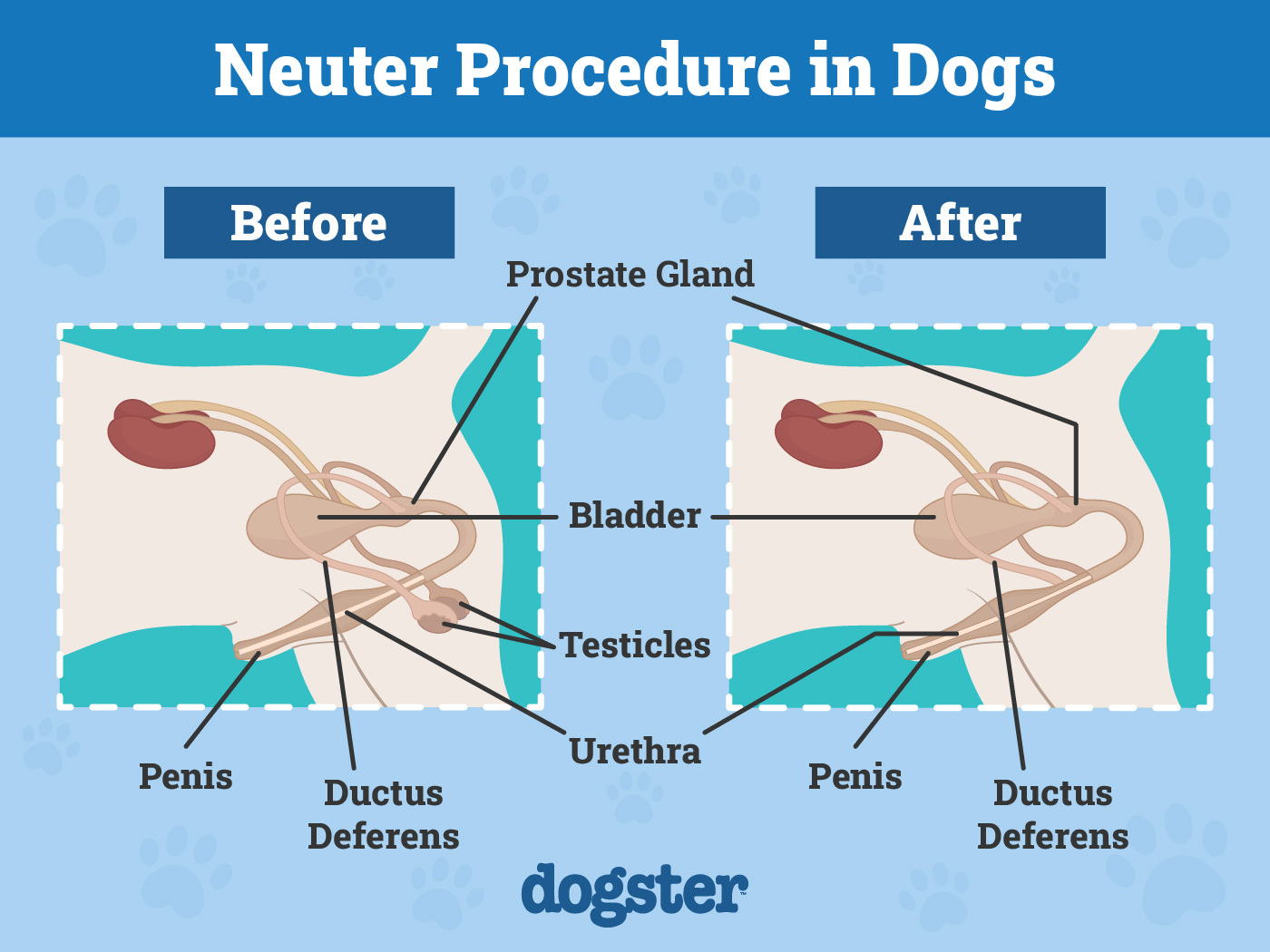
Neutering is the surgical removal of a male dog’s testicles. When they are puppies, the dogs’ testicles are situated in their abdomen. As they mature, the testicles descend into the scrotum, usually by the time they are 6 months old.

If the testicles drop normally, they are removed after the vet makes a small incision near the scrotum. Sometimes, testicles are retained or “stuck” in the abdomen. One or both testicles can be retained, which requires a more complicated neuter surgery, sometimes with multiple incisions.

Traditionally, dogs were neutered at 5-6 months old. However, it can be safely performed on puppies as young as 8 weeks, which many animal shelters elect to do. Newer research also suggests that large-breed dogs should be neutered later. Discuss the timing with a veterinarian.
You’re welcome to use our images, but we require you link directly to this site for credit (ex. Image from Dogster)

Recovering From Neuter Surgery

The veterinarian will send you home with instructions on what you should do while your dog recovers. It’s essential to follow these directions carefully to avoid any complications that could prolong your dog’s recovery time.

After surgery, keep an eye on your dog and their incision for any concerning signs such as the following:

  • Red or swollen incision
  • Loose stitches
  • Discharge from the incision
  • Trouble using the bathroom
  • Not eating or drinking normally
  • Pain
  • Vomiting or diarrhea

Here are some specific behaviors that could impact your dog’s recovery from neuter surgery.

Being Too Active

Following neuter surgery, you’ll need to keep your dog calm and quiet while their incision heals. Generally, that means keeping them in a crate or small room when unsupervised and quick leash walks to use the bathroom. They should also avoid playing with other pets during this time.

The vet will give you specific instructions on when you can increase your dog’s activity level.

If your dog is too active during recovery, it may take longer for the incision to heal. Abnormal swelling or bruising could also occur.

If you’re worried about keeping an active dog quiet, ask the vet about medication to help keep them calm as they recover.
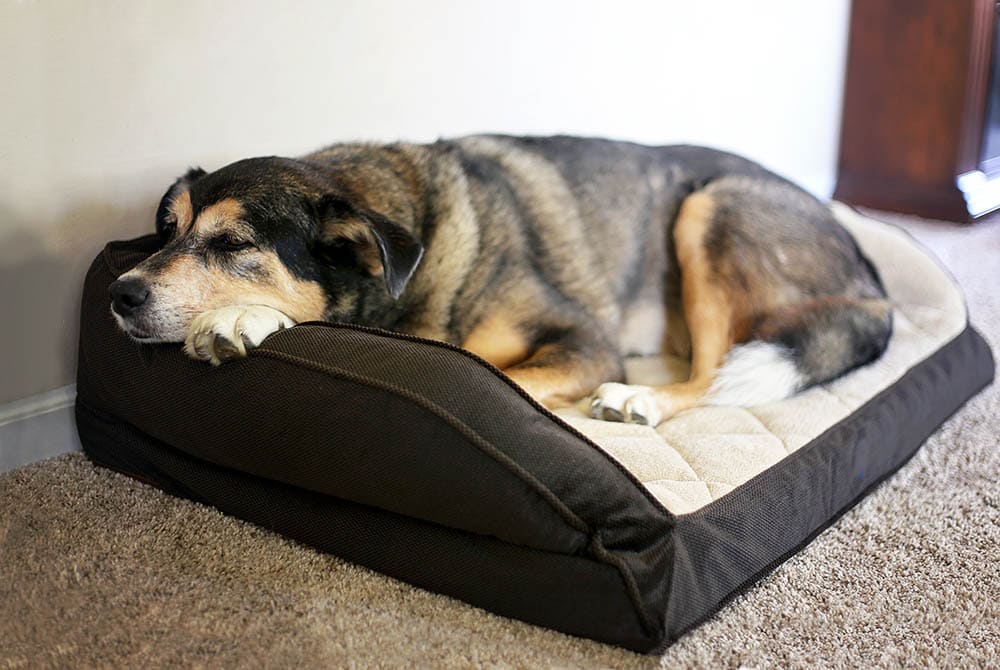
old German Shepherd Border Collie Mix resting in bed
Image Credit: Christin Lola, Shutterstock

Licking or Chewing the Incision

After surgery, the vet will seal your dog’s incision with stitches or another form of skin closure. These will need to stay in place for a set period, usually the full 10-14 days. Keeping your dog from chewing or licking the incision is vital to avoid complications.

Usually, the vet will send you home with a “cone of shame” or Elizabethan collar to keep your dog away from the incision. Nobody likes the cone but resist the temptation to take it off except when the vet says it’s okay.

Without the cone, your dog could chew out their stitches, opening up the incision. Licking the incision could cause an infection. Either of these scenarios could prolong the recovery time for the surgery.

If you have any questions about how your dog is healing or the process, it’s recommended you contact a vet.

Did you know you can speak to a veterinarian without having to travel? Just head over to PangoVet. It's our online service where you can talk to a vet online and get the advice you need for your pet — all at an affordable price!

PangoVet_Mention-in-Content Savings V1

Why Neuter Your Dog?

Neutering your dog has multiple benefits for health and behavior. It also helps ensure your dog won’t contribute to the overpopulation of homeless pets in the U.S.

According to the ASPCA, over 3 million dogs find themselves in animal shelters each year. Tragically, almost 400,000 homeless dogs are euthanized each year. Neutering your dog means they won’t be able to contribute to this statistic.

Dogs that are neutered young are less likely to suffer from prostate issues or testicular cancer when they get older.

Neutering dogs also tends to eliminate or decrease undesirable behaviors like excessive urinating. Neutered dogs don’t have the instinctive desire to roam in search of mates and tend to be calmer and easier to handle.

divider dog paws 2 oct 2024

Conclusion

As we’ve learned, recovering from a neuter surgery generally doesn’t take more than 2 weeks, barring complications. While you will need to adjust your routine as your dog recovers, the benefits of neutering your dog are worth the effort. If you’re concerned about the cost of this surgery, many shelters and non-profits offer low-cost spay and neuter clinics, and you can check for these options in your area.


Featured Image Credit: Pic Media Aus, Shutterstock

Want content like this delivered to you?

Sign Up For Our Newsletter

News, insights, expert advice, and everything dog

* By submitting, you agree to our Terms & Conditions and Privacy & Cookies Policy.


How useful was this post?

Click on a star to rate (you can leave written feedback after clicking submit)

Help us improve Dogster for pet parents!

Your feedback really matters.

What did you like about this post? Also how can we improve it?

Join the conversation

Leave a Reply

You’re very welcome to leave a comment or question. Please know that all comments must meet our community guidelines, and your email address will NOT be published. Let’s have a positive and constructive conversation.


Talk With A Vet Online

Peace of mind,
anywhere, anytime

Affordable vet advice

Dogster’s Weekly Photo Contest Winners: Best Easter Photo (April 9, 2026)

Every week our team gets the privilege of sorting through our readers photos to choose what dogs will win this weeks contest! See...

We Didn’t Just Add a Dog to Our Life – We Built a Life With Him

“We didn’t just bring a dog home—we built a life together.” Most people are quietly taught a version of pet ownership that looks...

What Most Airlines Won’t Let You Do With Your Dog (Even If You Pay Extra)

Airline pet policies are notoriously hard to navigate. The information is scattered across different pages, buried in FAQ sections, and often contradicts what...

Designer Breeds: Best of Both? New Study Says No

“I’ll take a highly trainable, low-shedding lapdog, hold the heart disease and anxiety!” Something I always found amusing was when people would point...

More related

Are Samoyeds Hypoallergenic? Vet-Verified Breed & Allergy Facts

Samoyeds have earned the nickname “the smiling sled dog.” These friendly, medium-sized pups are classified as working dogs. They get their name from...

The 3-3-3 Rule for Dogs: What Are the Phases of Adoption? (Vet-Approved)

Making the decision to adopt a dog is often life-changing and worthwhile for both you and your new dog. While dogs are known...

White Pug: Info, Pictures, Origin & History

As one of the smallest dogs, the Pug is also the epitome of friendliness and fussiness, having a massive following of enthusiasts worldwide....

How to Stop Puppy Mills: 10 Things You Can Do (Vet Reviewed)

There are so many different dog breeds out there. All across the world, breeders work diligently to produce sound-minded, healthy, well-tempered pups with...

Keep reading

What Berries Can Dogs Eat? Vet-Verified Nutrition Facts & FAQ

Can dogs eat berries? Well, there’s no simple answer to this seemingly simple question. There are over 400 different types of known berries, and some are safe for dogs to eat, while others are only safe for human consumption. Some...

cluster of elderberry fruit

Wild Earth Dog Food Review 2026: Our Expert’s Opinion

Wild Earth is a newer brand of vegan dog food on the market. We know what you are thinking—vegan dog food? While we were a bit skeptical about the product, using the product with our own dogs and looking at...

Dogster_Wild Earth Dog Food Review

Goat’s Milk for Dogs: Vet Reviewed Benefits, Uses & More

Many people add milk to cereal or use it in a favorite cake recipe. For dog owners, a splash of cow’s milk is a common treat for their canine companions. However, cow’s milk has its downsides, as it can cause...

farmer pours goat's milk into can

Can Dogs Eat Agave? Vet-Reviewed Facts & FAQ

Agave nectar (or agave syrup) is a sweeter-than-sugar sweetener derived from the agave plant. Since honey is sometimes recommended for dogs, you might wonder if you can offer Fido a teaspoon or tablespoon of your agave syrup. While agave syrup...

Can Dogs Eat Agave

Can Dogs Eat Vanilla Wafers? Vet-Reviewed Facts & FAQ

Vanilla wafers are not toxic to dogs, although they certainly aren’t the healthiest. Therefore, they aren’t a good option as a treat or snack. If your dog accidentally eats a vanilla wafer, there isn’t much to be concerned about, though....

Can Dogs Eat_vanilla wafers

OC Raw Dog Food Review 2026: Vet-Reviewed Pros, Cons & Verdict

Review Summary OC Raw dog food is a family-owned business that aims to create tasty raw dog food recipes that are as nutritious and natural for dogs as possible while remaining affordable. This company started small but began to make...

Dogster_OC Raw Dog Food Review

Can I Feed My Dog Store-Bought Kibble? Vet-Approved Nutrition Facts

As owners humanize their dogs and the pet industry pushes innovation, dog food has diversified significantly in recent years. Fresh, freeze-dried, and homemade meals now enjoy more attention, prompting many long-time pet parents to ask, “Whatever happened to good ol’...

dog food in plastic container

10 Best Dog Foods for Sensitive Stomachs in 2026 – Reviews & Top Picks

Finding the right dog food for your dog can take time, and it’s extra challenging when your dog has a sensitive stomach. Pet food companies are all regulated by the Food and Drug Administration (FDA) to ensure that they are...

fluffy dog eating dry kibble from elevated bowl

Love Dogs? So Do We! Join the Dogster Community

Stay informed with expert pet care insights delivered straight to your inbox! Discover professional guidance on animal behavior, feeding tips, trusted product picks, and much more.


Sign up for the Dogster Email Newsletter