

In this article
Have you ever felt that antsy, uncomfortable feeling of really needing to pee while you’re traveling? You know you shouldn’t have drunk that entire soda at the gas station a couple hours back, but you were thirsty and now you’re filled with regret (and pee). Interstate signs warn that the next rest area is still 70 miles away, but you just don’t know how you’re going to make it.
Imagine your Havanese feeling the same way when they’re in their crate or home alone. If you’re the one driving on a road trip, you have some control over when you drink, drive, or make stops. Your Havanese however, might have just drank an entire bowl of water earlier in the morning before they’re unexpectedly left for hours in the afternoon. Making your Havanese hold their bladder for too long can have devastating consequences besides being intensely uncomfortable, so it’s important to learn how long you can leave them at each life stage. The general rule of thumb is that a puppy can control their bladder for 1 hour in relation to how many months old they are (so, a 3-month-old puppy can hold it for about 3 hours, etc.), but of course there are exceptions to this rule.

How Long Can Havanese Dogs Hold Their Bladder?
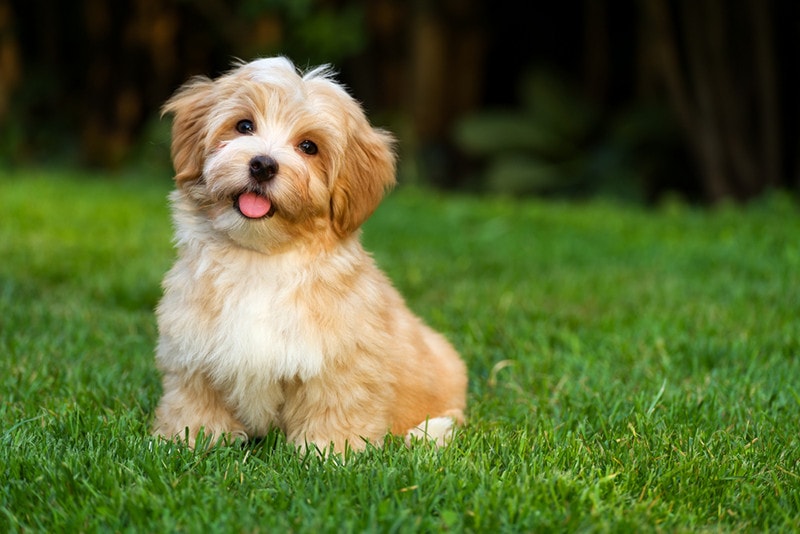
You might have heard the general advice that you can leave a puppy for 1 hour for each month of age. Following this adage, you’d leave a 2-month-old Havanese for 2 hours, and so forth. While this is a good rule of thumb, your Havanese has slightly more nuanced requirements due to their small size. As a puppy under 6 months old, your Havanese will need to relieve themselves every 2 to 4 hours. This can be challenging for most schedules, which is one reason why the holidays are a popular time to adopt a dog, since pet parents often have extra time off to be with the new puppy.
During their housebreaking stage, you might decide to crate train your Havanese. Most experts recommend doing this, as it teaches them not to urinate in their comfy spaces. However, puppies should stay in their crate for even shorter periods of time at first as they adjust to their new environment. It’s recommended to start leaving them for 15 minutes at a time and gradually work up to an hour. After they’re a couple of months old and properly crate-trained, you can safely leave them for an hour or two at a time.
Puppies between 4 and 6 months old need to relieve themselves at least every 6 hours, but preferably still in the 2-to-4-hour range. After 6 months old, you can slowly begin to leave them for a little longer. As adults, the Havanese can be left for up to 8 hours. Seniors may require more frequent potty breaks, though, if they’re becoming incontinent as a result of old age.

Why They Need to Go When They Gotta Go
You should never force your Havanese to make the difficult choice between relieving themselves indoors or holding their bladder for long periods of time. Not only is it painful, but holding their pee for too long can cause urinary problems.
Think of your dog’s bladder like a stretchy balloon. When it fills with pee, it stretches to accommodate the extra fluid. If your Havanese frequently has to keep their bladder stretched like this, they may develop urinary incontinence because the muscles used to contract the bladder have been weakened.
They may also suffer from urinary stones and urinary tract infections as toxins that should’ve been flushed from their system are forced to stay for too long.
The 5 Tips for Safely Leaving Your Havanese During the Day
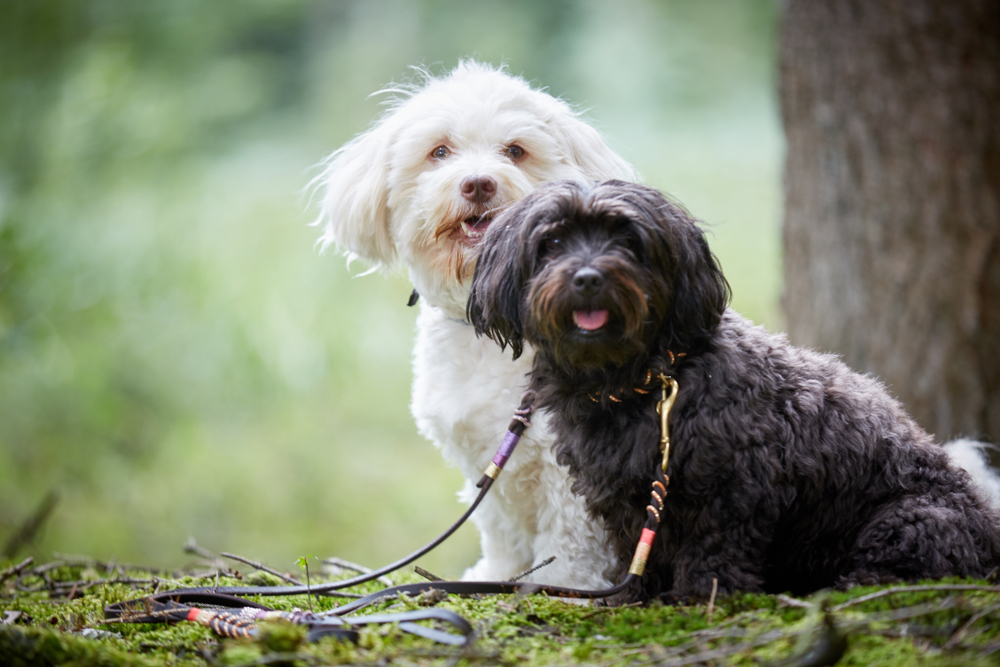
The Havanese was bred to be a companion dog who never leaves your side. Work shifts, especially inconsistent hours, really throw them for a loop. Here are some practical things you can do to ease your Havanese’s anxiety while still maintaining a healthy lifestyle away from home.
1. Exercise your Havanese before you go out.
Even as a small companion dog, your Havanese still needs at least two sets of 30 minutes of exercise each day. Try to take them on a walk within an hour of your departure, but avoid developing a routine right before you walk out the door so they don’t start associating your time together with you leaving.
2. Give them water and a chance to relieve themselves within an hour of being alone.
As with the walks, avoid doing routine things right before you leave, but do give them the chance to refresh and relieve themselves as close to crate time as possible.
3. Make their environment a safe haven.
Whether they have a favorite blanket or a safe toy they can’t destroy, outfit your Havanese with everything they need to be comfortable while you’re away.

4. Hire a professional dog walker.
If you don’t have friends or family nearby who can help you care for your dog, you might try to hire a professional dog walker to come and give them a break while you’re on a long shift at work. If you do have friends willing to pitch in, you might consider rotating tasks if they have a different work schedule. For example, can you walk their dog while they’re on the night shift if you work during the day? Trading tasks can be an excellent way to make sure your dog’s needs are met, especially if you can’t really afford to pay for a professional service.
5. Enroll your Havanese in doggy daycare.
Like a daycare for toddlers, doggy daycare provides a safe place for your Havanese to play, eat, and nap while you’re away. Professional care can be a bit pricey, but some places have discounts if you pay for multiple days at once or enroll more than one pup.

Conclusion
Eight hours is the maximum amount of time any dog should hold their pee, which is quite a stretch for a small breed with a tiny bladder. Ideally, you should allow your adult Havanese to relieve themselves every 4 to 6 hours. Puppies require more frequent potty breaks than adults, with newly weaned 2-month-old puppies needing to go every couple of hours. If you can’t be there as often as your Havanese needs, you might consider hiring a professional dog walker or signing them up for doggy daycare. Holding their pee for too long can have devastating consequences, so it’s important to make sure their “Hava-needs” are met.
See also:
Featured Image Credit: Dorottya Mathe, Shutterstock


























2 Responses
Great information for helping us time our 5 month old pups wee breaks. He goes to the door to notify and we need to be sure we are where we can see him at the door so he learns his signaling works for him.