How Heavy Should My Dog Be? Vet-Approved Ideal Weight Chart


In this article
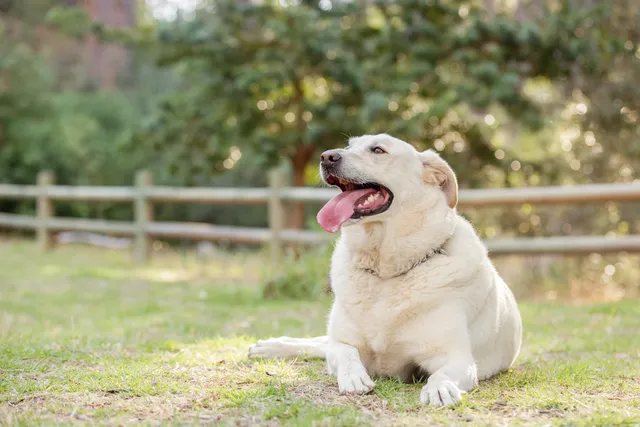
The adage that you can't compare apples to oranges can also apply to canines! For example, regarding a dog’s weight, you wouldn't say that a 100-pound Rottweiler is fat, but a 20-pound Chihuahua certainly is. Checking weight alone is often insufficient to assess your pet’s health. Instead of comparing a dog's weight to a generic chart, veterinarians have developed a better method: A pet's target weight is best estimated using a combination of their weight and body condition score (BCS).
Read on to learn more about your pup's ideal weight, how to measure their BCS, and how to keep them fit and healthy!

What’s the Body Condition Score?
The BCS is a widely used tool for assessing body fat in dogs. It's typically evaluated on a 9-point scale, with a score of 4 or 5 indicating a healthy body condition. Dogs scoring 1 to 3 are deemed too thin, while a score of 6 or 7 suggests that they are overweight. Obese dogs often score 8 or 9, and some can even exceed 9, which is considered morbid obesity.
BCS considers various factors, including the visibility and palpability of the ribs, waistline definition, and abdominal tuck. Ideally, ribs should be palpable beneath a thin layer of fat, with a subtle waistline visible from above. An abdominal tuck, indicating a slight upward curve of the belly behind the ribs, should also be present when viewed from the side.
Overweight dogs typically exhibit excess fat covering the ribs, lack a discernible waistline, and have a flattened abdominal tuck. Conversely, underweight dogs display pronounced waistlines and abdominal tucks, with prominent ribs, pelvis, and vertebrae due to the lack of palpable fat.

How to Determine Your Dog’s Ideal Weight and BCS
Determining the ideal weight for your beloved canine friend depends on various factors, including breed, sex, age, and size. Since some breeds naturally carry more weight than others, it's necessary to assess your dog's body condition rather than relying solely on a number on the scale. A healthy weight and a BCS score of 4 or 5 usually means your pet has the proper muscle mass, amount of fat, and overall vitality.
Weight Chart for Dogs
To help you gauge whether your dog is at a healthy weight, here's a general weight chart based on breed size:

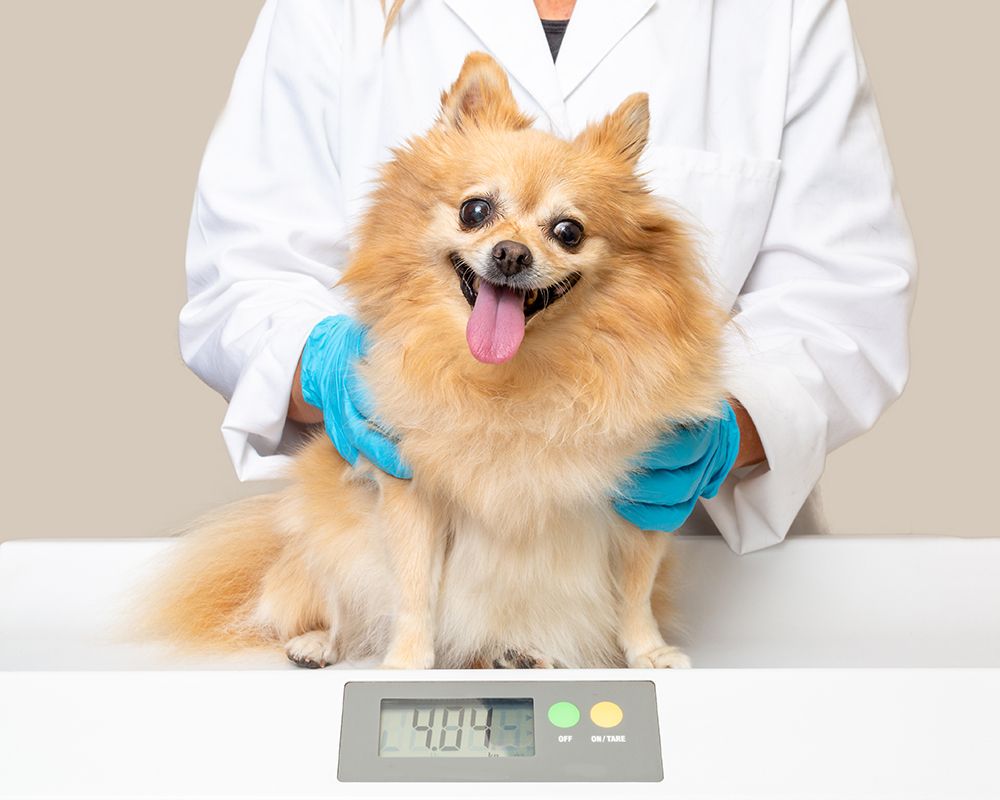
Keep in mind that these ranges are approximate, and some dogs may fall slightly above or below these numbers. That is why it’s best to schedule a visit to your veterinarian to have them assess your dog's weight and determine the BCS. You can also get a rough gauge of their BCS at home and then discuss it with your vet during your next visit.
How to Perform a Body Condition Check on Your Dog at Home
Here's how to assess your dog's BCS yourself:
- Check their ribs. Gently run your fingers along your dog's side. You should easily feel their ribs under a thin layer of fat, but nothing more.
- Evaluate their waist shape. Position yourself so you can see your dog's body from above. A healthy dog will have a waistline visible behind the ribs that tapers slightly toward the hips. A bulging waist can be a sign of being overweight.
- Look at their belly. Stand next to your pet and look at them from the side. You should notice a slight tuck or upward slope in their stomach. If the abdomen hangs low and appears bulging or sagging, it could indicate the presence of abdominal fat.

What Are the Dangers of Obesity in Dogs?
59% of dogs in the United States were classified as overweight or obese in 2022. Even just a few pounds above your pup’s ideal weight can put them at risk of developing severe medical conditions, such as diabetes, osteoarthritis, high blood pressure, kidney disease, respiratory diseases, joint pain, and certain cancers. Obesity can also reduce their life expectancy and make their daily lives more difficult.
If you think your beloved pup is too plump for their own good, discuss it with your vet as soon as possible. If your dog is overweight, it is never too late to reduce the risk of serious illness in your pet, provided that you take the necessary steps to remedy it.
Tips for Keeping Your Pup Healthy and Fit
Now that you are aware of the risks of dog obesity, here are simple tips to keep your dog healthy and fit:
- Schedule regular checkups with your veterinarian to monitor your dog's weight and BCS.
- Accurately measure your dog's food to get accurate portions. Switch to a weight management dog food if your veterinarian deems it appropriate.
- Choose low-calorie treats like crunchy veggies and low-sugar fruits like apples and berries.
- Offer smaller, more frequent meals if your dog begs for more food.
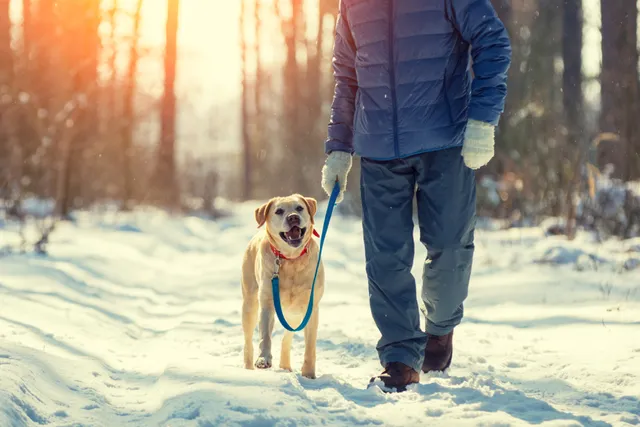
- Exercise your dog for at least 30 minutes every day.
This calculator can help you figure out approximately how many calories a dog requires to consume per day.
Dog Calorie Calculator
Recommended Daily Calories

The exact amount of calories an individual animal needs to maintain a healthy weight is variable and influenced by many factors including genetics, age, breed, and activity level. This tool is meant to be used only as a guideline for healthy individuals and does not substitute veterinary advice

Wrapping Up
For your beloved canine to achieve and maintain a healthy weight, it’s essential that you follow your veterinarian's recommendations, monitor your dog’s diet, and ensure that they get enough exercise. Familiarize yourself with the BCS, and make sure your dog maintains a score between 4 and 5. A chubby pup may be cute to some people, but those extra pounds can cause serious health problems. Be proactive in managing your dear dog's weight to ensure they stay by your side for as long as possible! See also:
Sources
Featured Image Credit: GoodFocused, Shutterstock
Expert dog care, straight to your inbox
News, insights, expert advice, and everything dog.

No spam — unsubscribe anytime.
By signing up, you agree to our Terms & Conditions and Privacy & Cookies Policy.
How useful was this post?
Click a star to rate. You can leave written feedback afterwards. (We read all feedback.)
A biologist and science writer, Genevieve has a special fondness for capuchin monkeys, pumas, and kangaroos, which has inspired her to volunteer and work at wildlife rehabilitation centers in countries like Bolivia, Guatemala, Canada, and Australia. Now living as a Canadian expat in Argentina, she enjoys the sight of horses and cows outside her home office window every morning. Genevieve is the proud owner of three rescue dogs—Lemmy, Nala, and Pochi—and a lively kitten named Furiosa. She finds happiness and fulfillment in sharing her passion and extensive knowledge of animals with others.