Vietnamese Hmong Dog Breed: Info, Pictures, Care & More

In this article
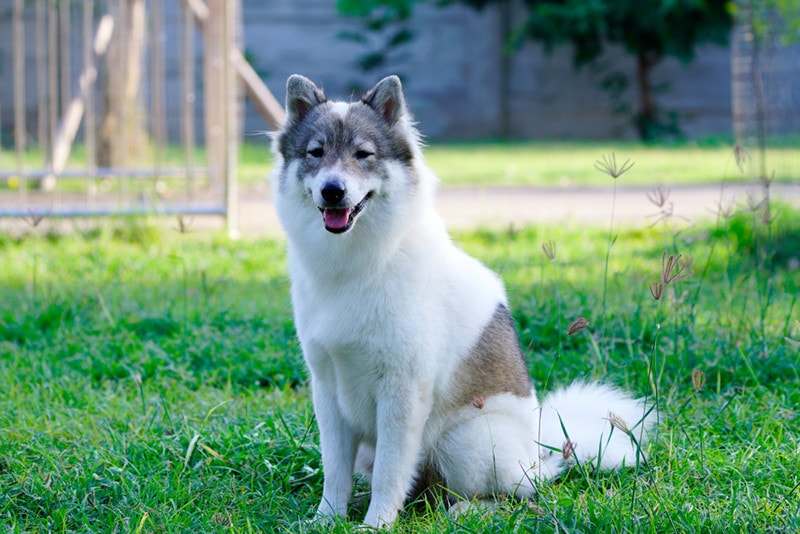
If you’ve ever seen a Vietnamese Hmong dog, also known as the Hmong Docked Tail Dog, you have now realized how special and quirky this Vietnamese breed is. We are here to explain to you why the Vietnamese Hmong dog would be the ideal choice for you and your family and how trustworthy and loyal the breed is. You will be surprised how protective the Hmong dog is of its owners, that it would even risk its own life to protect yours.
If this sounds like a companion you’d like to have by your side, keep reading the article below to learn everything about the Vietnamese Hmong dog.
Breed Overview
Height:
Weight:
Lifespan:
Colors:
Suitable for:
Temperament:
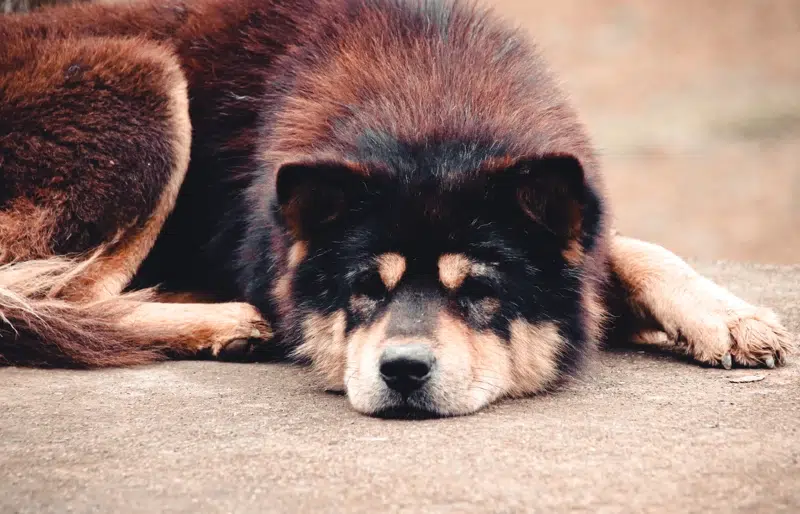
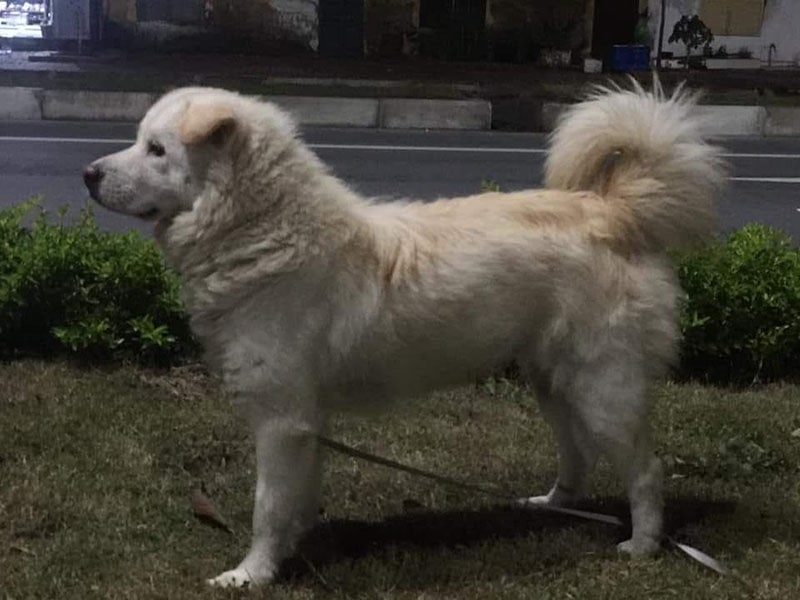
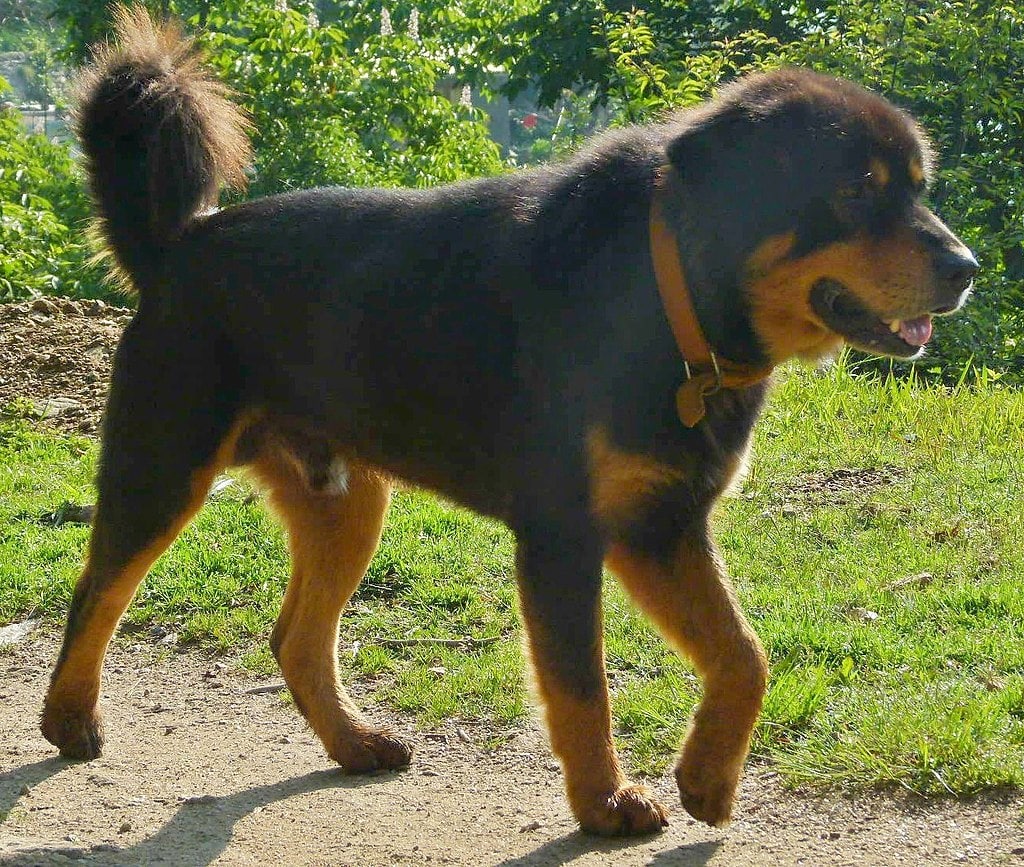
The Hmong dog is a breed that can steal your heart from the moment you meet it for the first time. It has a sweet appearance and a loving temperament that makes it a true family companion. It is a rare, purebred dog originating from Vietnam, which makes it very expensive in the United States. Its most distinctive features are the long, thick coat, large loving eyes, and a natural bobtail. It is protective of its pet parents and will be a loyal friend to your family for many years.
Vietnamese Hmong Dog Characteristics

Vietnamese Hmong Puppies
Finding a Hmong dog puppy may be more challenging than you intended. You will need to go through a reputable breeder that will most likely need to fly these dogs from Southeast Asia. If you are lucky, you may find a Hmong puppy in a shelter in the US. Once you acquire a Hmong puppy, training is crucial. These dogs learn best in their younger years, so use this time wisely. Hmong puppies are energetic and lively and need plenty of mental and physical stimulation. They also need to be fed a high-quality diet to grow strong and healthy.
Temperament & Intelligence of the Vietnamese Hmong Dog 🧠

Are These Dogs Good for Families? 👪
The Vietnamese Hmong dog is known for its protective and intelligent personality, and can often become too possessive of their owners. They are so devoted to their owners that they would even risk their lives to save them. They are intelligent and easy to train, making them perfect pets. They need to be trained from an early age and taught how to behave politely and peacefully and socialize with other dogs or humans. These puppies need to be constantly reminded of rules and restrictions, even as adults, so they don’t give in to their instincts.
Hmong puppies and mature dogs are very responsive to positive reinforcement. Training them will be best done with treats and rewards, while you should avoid punishment whenever possible.
Does This Breed Get Along with Other Pets? 🐶 😽
Vietnamese Hmong dogs are bred for hunting originally, so they don’t do well around cats and small animals. They have the instinct to hunt mice, rodents, and other pests. Although Hmong dogs are incredibly friendly with people, they have a strange sensitivity to cats. So, if your family has a cat or two, try to keep them away from your Hmong dog or introduce them very carefully and slowly. Hmong dogs will get along well with other dogs and don’t have aggressive tendencies toward them.

Things to Know When Owning a Vietnamese Hmong
Before you get a Hmong dog, there are a few crucial pieces of information you will need to learn. Knowing their ideal dietary requirements, grooming and maintenance, and all the possible health conditions will help you care for them and have a mentally and physically healthy pup.
Food & Diet Requirements 🦴
Hmong dogs need to be on a high-quality diet with high amounts of omega-3 fatty acids and other nutrients to reduce the risk of joint problems. These dogs tend to have allergies, so proper nutrition is a must, followed by regular exercise. A moderate diet, which includes plenty of animal proteins, vegetables, and healthy carbohydrates, is recommended.
Exercise 🐕
The Vietnamese Hmong dog is a breed that was originally trained to hunt. Therefore, they still adore being free in nature, sniffing and hunting for potential prey. For your Hmong puppy to be happy and satisfied, it needs to have plenty of time in the outdoors, playing and running as a part of regular exercise. If you notice your Hmong dog is getting frustrated indoors, it may be because they need more outdoor activities. The ideal playtime period is 45 minutes to a full hour. During this time, you should let your dog explore, sniff, and run.
Training 🎾
The Vietnamese Hmong dog is considered to be an intelligent breed that is quite easy to train from an early age. It has an excellent memory and can learn commands after only a few repetitions. This Vietnamese breed was even used as a police sniffing dog in Vietnam because they are excellent at memorizing and following routes while sniffing.
To have a well-behaved Hmong dog, it is necessary to train it properly, which is best done through positive reinforcement.
Grooming ✂️
The regular maintenance of Hmong dogs is a must because of their thick and long coat. The coat needs to be brushed after each walk to make sure no ticks are sticking to the fur. Washing your dog regularly is crucial to avoid smells and dirt accumulating in the coat.
Docked Tail
This breed is also called “The Hmong Bobtail Dog” or “The Hmong Docked Tail Dog” because of its unique docked tail. Their tails vary in size and length, and they can be entirely tailless or have a longer half-bobbed tail. The breed’s standards allow for the tail to be only between 1.2 and 5 inches long. Hmong dogs with full-length tails can be disqualified from dog shows.
Health and Conditions❤️ 🏥
The Hmong dog originated from Vietnam, therefore, has various conditions that certain US breeds don’t have to deal with. Below, you’ll find all the minor and serious conditions that these dogs can have and how you can deal with them.
Hmong dogs are particularly sensitive to gastrointestinal issues, especially when they are only puppies. It is recommended to feed your Hmong puppy cooked meat to avoid them developing any GIT diseases. If your Hmong dog spends a lot of time outside playing in the yard, it is crucial to examine its skin and coat frequently for any ticks or fleas. They are a huge cause of many harmful and even deadly diseases to dogs and other pets, such as Lyme disease or canine bartonellosis. These pests can easily attach to the Hmong dog’s fur and finding them once they get attached to the skin can be challenging.
One of the more minor conditions that Hmong dogs are prone to is frequent colds. Living in the US is a huge environmental difference for these dogs, and their systems will never fully get used to the new climates.
Hmong dogs are prone to separation anxiety which occurs if the dogs get too emotionally attached to you and then is then left alone for too long. Ensure your dog has plenty of mental and physical activity to keep them busy throughout the day. Hmong dogs are known to be prone to certain allergies, such as allergies to pollen, certain foods, and dust mites. You may notice your dog scratching frantically or developing a skin rash. The treatment may involve visiting the vet frequently and getting a series of medications while avoiding the source of allergies.
Male vs. Female
The biggest difference between the male Hmong dog and the female Hmong dog is their size. It is not a huge difference, but if you put them side-to-side, you may notice the larger body of the male Hmong dog. On average, females are 18 inches high, while male dogs can be 21.3 inches high. Males are also heavier than females, weighing around 57.3 pounds, while females weigh between 35.3 and 52.9 pounds.
Considering these size differences, these two dogs have different dietary needs. Male dogs need to be fed more food because of their higher body mass.

3 Little-Known Facts About the Vietnamese Hmong Dog
1. Vietnamese Hmong dogs originated in southern China from dogs with natural bobtails.
Vietnamese Hmong dogs were originally used for hunting and guarding the homes of Vietnamese mountains in the north of Vietnam. Their ancestors were dogs in southern China that had natural bobtails.
Both the Bac Ha and the Hmong dog are considered to be two of Vietnam's Four Great National Dogs.
3. The AKC does not recognize Vietnamese Hmong dogs.
While the American Kennel Club does not formally recognize the Vietnamese Hmong dog because it is not a Western breed, it is recognized as a unique breed by the Vietnam Kennel Association.

Conclusion
If you’ve ever heard about the Hmong Docked Tail dog, you probably know how adorable this breed is. The Hmong dog is a cute, fluffy, medium-sized dog that is an amazing companion for any family. It is protective and affectionate, and its origin makes it a rare breed in the United States.
See also:
13 Vet-Approved Dog Beach Rules For A Great Day Out With Your Pup
Four Quadrants of Operant Conditioning for Dog Training: Vet-Approved Facts
Featured Image Credit: marie martin, Shutterstock
Expert dog care, straight to your inbox
Vet-reviewed advice, training tips, and the best of Dogster. Free, and you can unsubscribe anytime.
By signing up, you agree to our Terms & Conditions and Privacy & Cookies Policy.
Upon completing her degree from the College of Fine Arts, Jana embarked on a quest to find a platform to manifest her wild imagination. It was then that she discovered her passion for content writing, which swept her off her feet. As a freelance writer, she is always on the move, with an adventurous and restless spirit that propels her forward. When she is not typing away in her cozy writing nook, she spends her time honing her skills as a sculptor, painter, and woodworker in her workshop. Writing has become her primary medium of expression, and she plans to nurture this passion further, using it as a conduit for her never-ending creativity.
Join the conversation
Ask a question, share your story, or send private feedback.