

In this article
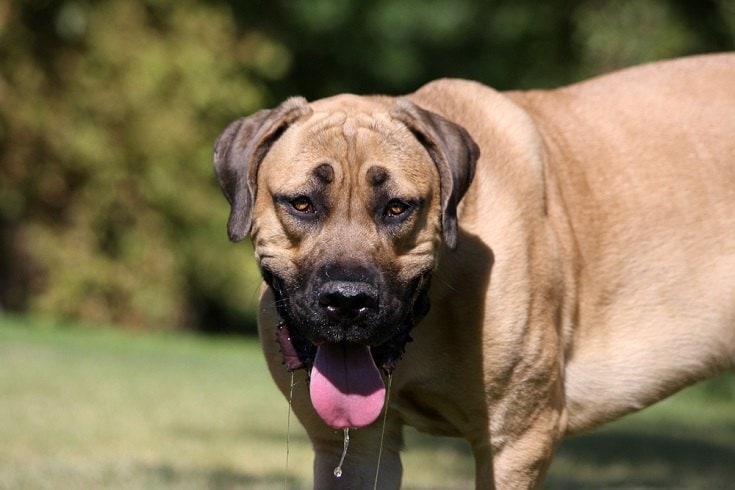
Dogs are known for drooling from time to time, particularly if you have a breed such as a Basset Hound, Newfoundland, British Bulldog, or one of the breeds from the Mastiff family. These types of breeds drool more than others due to the shape of their lips and muzzle and having extra skin folds that hold the saliva and bits of water after drinking.
In any case, if the drooly slime is clear, only lasts for a short period of time, and is not accompanied by any signs of illness, pain, discomfort, odd behaviors, or amounts outside their normal range, then this is completely normal and to be expected. But is excessive drooling in dogs an emergency?
Potentially, yes, it is. It can be a sign of an underlying condition. Excessive drooling in dogs is not normal, and if they are also showing other signs and problems alongside the excessive drooling, a call to your veterinarian straight away is advised.

What Is Drool?
Drool is an excessive flow of saliva that begins to pool in your dog’s mouth, and it can sit in the folds and begin to ooze out and drip down. Often, any extra drool is then usually flung out from the mouth and lips as the dog shakes their head.
Drool is saliva, a viscous liquid primarily consisting of water (98%) while also containing enzymes, electrolytes, and immunoglobulins. It is produced in glands in the jaw and neck and secreted into the mouth via special ducts.
Saliva is an important feature of the mouth with numerous vital functions. It helps to keep the mouth and throat lubricated, assists with chewing, allows the swallowing of food to be smooth and comfortable, aids digestion, and maintains the healthiness and cleanliness of the teeth and gums whilst preventing cavities.

Is It Normal for Dogs to Drool?
Even in those breeds known for more drooling than others, a normal amount of drool for your dog is par for the course of dog ownership, and no intervention is usually required. It is especially helpful for those owners with breeds known to drool and slobber to know what a normal amount for your dog is and what isn’t, thus enabling you to gauge when a line has been crossed into excessive and abnormal drooling.
Drool or saliva in any dog is also produced in anticipation of something exciting or wanted—usually food! Equally, drool can be increased following an unpleasant taste; for example, when medication is administered. In these cases, it will stop after a short period of time and is a normal response of the body.
Why Is My Dog Drooling Excessively All of a Sudden?
Excessive drooling is known as hypersalivation or pytalism, and there are multiple reasons and causes as to why this is occurring, especially if there are other signs. All require a check-in with your veterinarian immediately, as it may be due to one of the many common causes or a life-threatening condition.
- Gastrointestinal issues: This is an umbrella term with many reasons for your dog’s excessive drooling and strange behavior. From gastritis, acid reflux, ulcers, growths, cancer, bowel disease, or a foreign body stuck or obstruction of the tract.
- Nausea: This can occur as a secondary issue from an underlying condition; for example, kidney or pancreatic issues. Motion sickness would also be included in this section.
- Mouth, tongue, or throat injury or infections: For example, a stick injury, trauma to any of these areas, and bacterial or viral infections. These conditions can also affect swallowing and therefore cause drooling.
- Periodontal (dental) disease: This issue can cause drooling due to inflamed or ulcerated gums and tissues, poor dental hygiene, mouth or tooth abscesses, increased tartar and calculus, and many other dental-related problems.
- Toxins, poisons, or venom: Nausea, drooling, and other signs often occur if any of these are ingested, licked, or inflicted upon your dog.
- Gastric dilatation volvulus (bloat): An emergency condition where the abdomen bloats and the stomach twists on itself.
- Anxiety and stress: These two conditions arise in response to fear and overwhelm from situations such as car rides, loud noises, or a new home, for example. Pacing and vocalization may also be present.
- Growths or tumors: Lumps in the mouth and throat can occur. Some might be benign, but others can be cancerous; both can be the causal agent of excessive drooling.
- Burns or irritation from chemicals or electricity: Ingestion of any caustic or irritant chemicals and products. Electrocution from chewing wires and similar will cause drooling and often ulcerated and inflamed tissues.
- Liver disease: For example, hepatic encephalopathy or portosystemic shunt.
- Neurological conditions: Nerve damage can occur affecting the salivary gland and its production. Seizures are a common cause for drooling in dogs.
- Salivary gland issues: Salivary gland hypersecretion will cause an increased amount of saliva and drooling.
- Infections: A range of bacterial and viral systemic (body) infections can be the cause. Rabies and tetanus are also causes of excessive drooling.
- Heatstroke: Dogs who have overheated due to outside temperatures being too hot will experience drooling.
Other Signs of Concern With Excessive Drooling
- Changes in behavior
- Decreased appetite or not eating at all
- Changes in how they eat or difficulty eating
- Difficulty swallowing
- Pawing at the face or ears
- Signs of pain and discomfort
- Unsteadiness, staggering, wobbling, or banging into furniture, walls, and other items
- Excessive licking of the lips
- Vomiting
- Diarrhea
- Bleeding from anywhere
- Restlessness, panting, or increased breathing
- Lethargy
- Bloated abdomen
- Pupils are different sizes
- Discolored drool or excessive foam around the mouth
- Drooling from one side of the mouth only
- Foul or strange smells from their breath or mouth
If your dog is showing any of these signs, we recommend speaking with a vet.
If you need to speak with a vet but can't get to one, head over to PangoVet. It's our online service where you can talk to a vet online and get the advice you need for your dog — all at an affordable price!
Why Is My Dog Drooling and Acting Strange?
Any number of the examples stated above could be the core reason. Regardless, a trip to your veterinarian is necessary so they can determine the problem and begin a treatment plan. Which tests will be required will vary depending on the signs and your individual dog.
Treatment for Dog Drooling
Your vet will give your dog a full physical examination, including a thorough check of the mouth and throat. If nothing obvious is found, particularly in the mouth and throat areas, then further tests will be initiated. These can include blood work, radiographs, ultrasound, MRI, or other diagnostic tests. If the cause is behavioral, fear, or phobia based, a referral to a behavioral specialist or stress-relieving tactics may be advised. Only when the cause is found and identified can correct and proper treatment begin.
In terms of helping with daily drool, little or nothing can be done to stop it. Drool is a normal response of the body. A handkerchief, bandana, or cloth can be tied around your dog’s neck loosely to catch the excess. It is important to try and keep the area dry and clean to prevent secondary infections and skin conditions. Having a cloth to hand wipe the excess away is helpful, as is drying and patting the mouth, throat, and neck areas with a cloth or towel after drinking.

Conclusion
Some drool is to be expected when you own a dog and will be more evident in certain breeds. Excessive drooling, however, is a problem requiring attention. You, as their pet parent, are by far the best judge of your dog and will come to learn the normal amount for them. If the amount increases, they are acting strange, or seem out of sorts, and particularly if other signs are presents that were mentioned earlier, contact your veterinarian for advice and an emergency appointment.
See also:
- Why Does My Dog Drool in the Car? 5 Reasons For This Behavior
- Why Is My Dog Foaming at the Mouth: 8 Common Reasons (Vet Answer)
Featured Image Credit: GoDog Photo, Shutterstock






















2 Responses
My dog is drooling panting foming from the mouth and shaking and it's Sunday and the vets office is not open me and my mom are worried about her