Dog Eye Allergies: Vet-Reviewed Signs, Causes, & Treatments


In this article
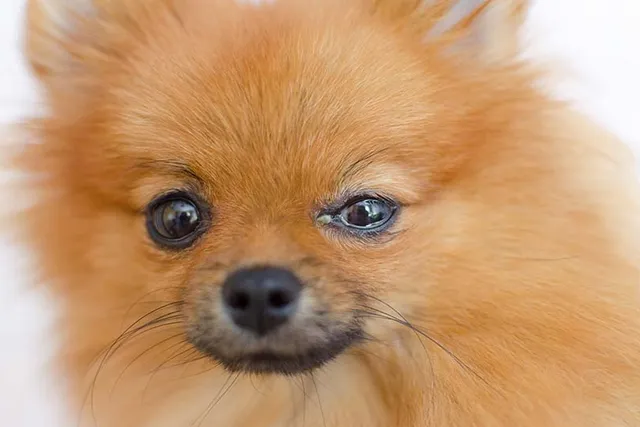
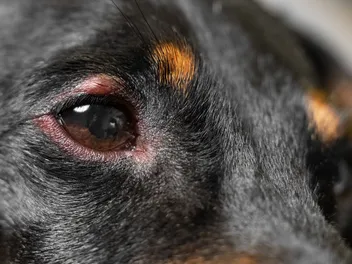
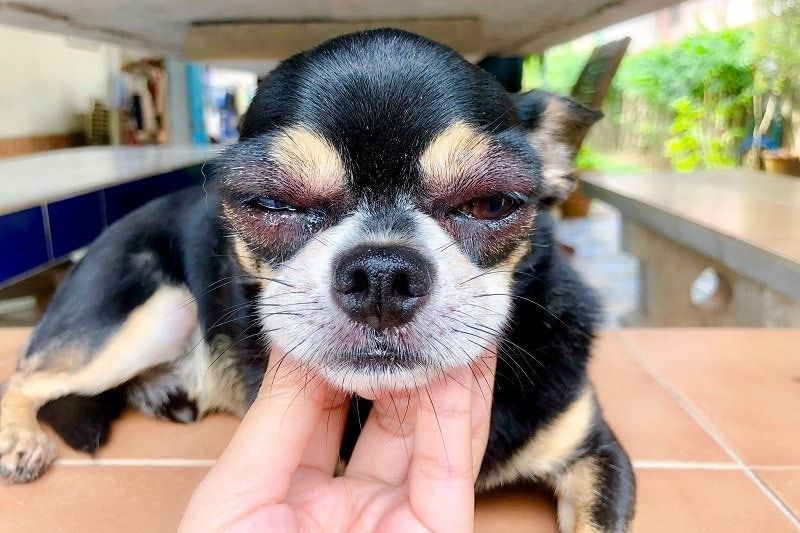
If you’ve ever noticed your pup’s eyes looking a bit red, or even swollen you probably wondered why that was. Chances are, your dog is dealing with eye allergies. Dog allergies more commonly lend themselves to allergies involving the gastrointestinal tract or skin and coat, but eye allergies can occur as well.
What exactly are eye allergies in dogs, and how can you recognize them? Below, we’ll share everything you should know about dog eye allergies. With this information, you can tell if your pup is dealing with this issue and what to do about it if so.

What Are Dog Eye Allergies?
Dog eye allergies are quite like human eye allergies. They can be caused by the same environmental elements that affect us and cause a similar reaction (both of which we’ll discuss further below).
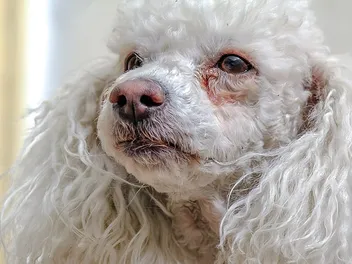
The medical term for dog eye allergies is “allergic conjunctivitis,” which describes the inflammation that occurs when the eye has come into contact with an environmental allergen.1 Dog eye allergies are more likely to occur in dogs that also experience skin allergies of some kind, those aged 3 years or younger, and specific breeds, such as West Highland White Terriers, German Shepherds, and Poodles.

What Are the Signs of Dog Eye Allergies?
If your dog is experiencing eye allergies, there are a handful of signs you’ll notice. These include:
Unfortunately, those are about the only signs of eye allergies that appear (and some of these may also be the result of other things, such as an eye infection). So, if you’ve noticed any of these signs, you’ll want to have your dog examined by their vet to see if they do indeed have allergies or something else.
What Are the Causes of Dog Eye Allergies?
There are several causes of eye allergies in dogs, most of which are similar to the things that cause human allergies. This is because dog eye allergies are caused by environmental factors, which could be any number of things.
Eye allergies can appear because your pup is allergic to something in their food, such as additives or preservatives. Or your dog may be having an allergic reaction to something topical, such as shampoo or other grooming products. Your pet might even be allergic to a particular medication they're taking.
Then there are the types of environmental stimuli that most often affect people. These include pollen and mold. That means if your dog has eye allergies, they could experience them seasonally, just like you do. Other environmental factors that can cause eye allergies in dogs include dust and insect bites.
It’s a fairly long list, but essentially, your pet could be allergic to several things in the environment around them and have eye allergies show up as part of the allergic reaction.

How Do I Care for a Dog With Eye Allergies?
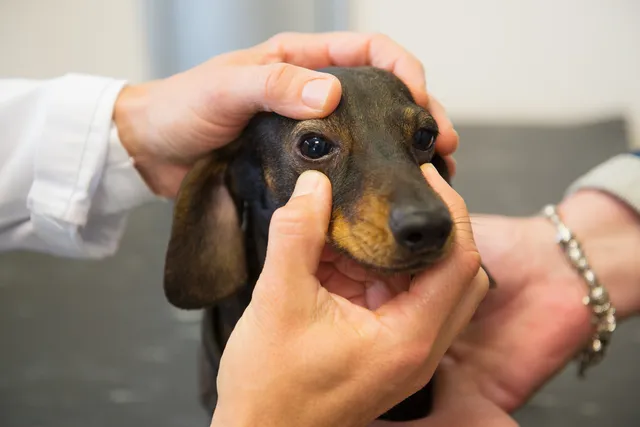
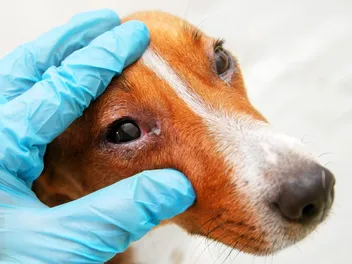
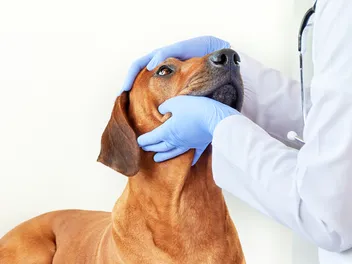
The very first thing to do when caring for a dog with eye allergies is to take them to the vet for a proper diagnosis. It could be that your pet isn’t experiencing eye allergies but something else, such as an eye infection or a scratch on its cornea.
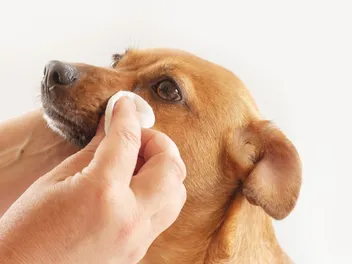
If you’ve taken your dog to the vet and found that it is indeed suffering from eye allergies, there are a few ways you can treat it. If the allergies aren’t terrible, you can simply flush out your dog’s eyes once or twice a day with a sterile saline solution (not contact solution!). Doing this will remove any allergens, and signs should resolve.
However, if your dog’s eye allergies are a bit worse, you might need to give them eye drops containing steroids. Just be careful that you aren’t giving a dog that has other eye issues these drops as they could cause harm. And in very severe cases of eye allergies, you might need to add oral medication to supplement the eye drops.
Antihistamines may help, but they can have a variable effect on our canine friends. Plus, there are issues with how much you should give your pet and whether the antihistamines will interact with any of your dog’s other medications. If you’re considering an OTC antihistamine such as Benadryl, always talk to your vet first to ensure it’s safe.
Finally, your pup may need to wear an Elizabethan collar while undergoing treatment for their eye allergies (particularly if they've been rubbing their face against furniture or pawing at their eyes a lot). This will prevent your pet from causing damage to the eyes.
Frequently Asked Questions (FAQ)
Can I prevent dog eye allergies?
You may not be able to prevent dog eye allergies, but you can reduce the risk of allergies occurring by removing anything in your home your dog is allergic to. If it’s something in your pet’s food, switch them to a new one that doesn’t contain the ingredient it’s allergic to. If your dog is having a reaction to dust, try to keep your home as clean as possible. You won’t always be able to get rid of allergens, though (there’s not much one can do about pollen, after all).
How can I know what my dog is allergic to?
Your vet can perform allergy testing to figure out what your pet is allergic to if the answer isn’t apparent.
Can dog eye allergies be cured?
Unfortunately, allergies cannot be cured, but with the help of your vet, you can treat them so your dog is more comfortable when they flare up.
Summary
Like us, dogs can be allergic to things in their environment, and sometimes these allergens can cause eye allergies to appear. These allergies can be caused by a number of things in a dog’s surroundings, such as food, dust, pollen, and grooming items. And some dogs are more prone to eye allergies than others due to their breed or age.
However, you can treat dog eye allergies in a few ways, like flushing out the eyes with a saline solution or with steroid eye drops. You can also help reduce the chances of dog eye allergies occurring by keeping the environment around your pup as free from allergens as possible. Unfortunately, dog eye allergies can’t be cured, but with the help of your vet, you can make your pet more comfortable when allergies show up.
Sources
Featured Image Credit By: Oriohori, Shutterstock
Expert dog care, straight to your inbox
News, insights, expert advice, and everything dog.

No spam — unsubscribe anytime.
By signing up, you agree to our Terms & Conditions and Privacy & Cookies Policy.
How useful was this post?
Click a star to rate. You can leave written feedback afterwards. (We read all feedback.)
Misty Layne lives out in the woods in small-town Alabama with her two Siamese - Serafina & Jasper. She also has an array of stray cats, raccoons, and opossums who like to call her front porch home. When she’s not writing about animals, you’ll find her writing poetry, stories, and film reviews (the animals are, by far, her favorite writing topic, though!). In her free time, Misty enjoys chilling with her cats, playing piano, watching indie and foreign films, photographing abandoned places, and catching up on her never-ending TBR list.