Do Dobermans Drool More Than Other Dogs? Breed Facts & FAQ

In this article
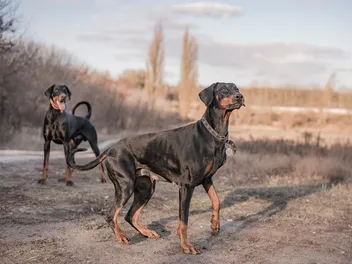
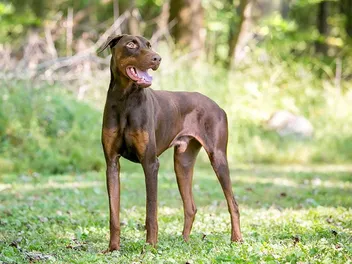
Dobermans are popular family dogs thanks to their sweet natures, loyalty, and patience with younger family members. There’s an extra bonus for Doberman parents—these dogs don’t drool much compared to some other breeds like Bloodhounds and Saint Bernards. However, in some cases, a medical issue can cause a light drooler to start drooling excessively.
Read on to find out more about why dogs drool, which medical issues may cause excessive drooling, and when drooling should be checked out by a vet.

Why Do Dogs Drool?
Dogs drool because saliva helps with the digestive process. Their salivary glands get to work when a dog is preparing to eat, so don’t be surprised if your dog starts to drool when you’re weighing out their food or heading for the treat drawer.
Some dogs drool more than others due to having large upper lips and a lot of skin in this area. This makes it difficult for them to retain saliva in their mouths, so the saliva pools in the lip skin folds.
With nowhere else to go, the drool eventually falls out onto the floor (or you or your furniture if you’re unlucky) or sprays everywhere when your dog shakes their head. Lovely, we know, but they make up for it by being adorable.
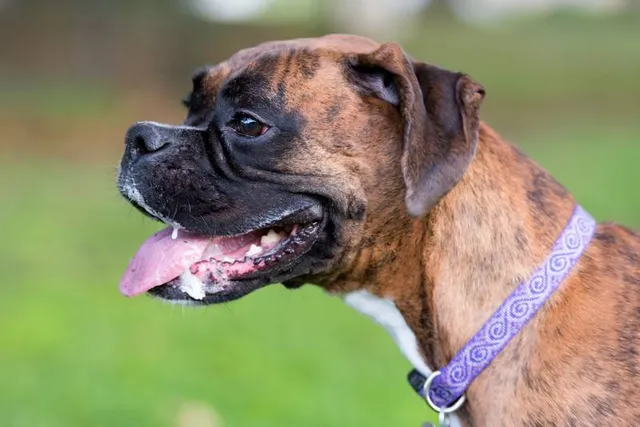
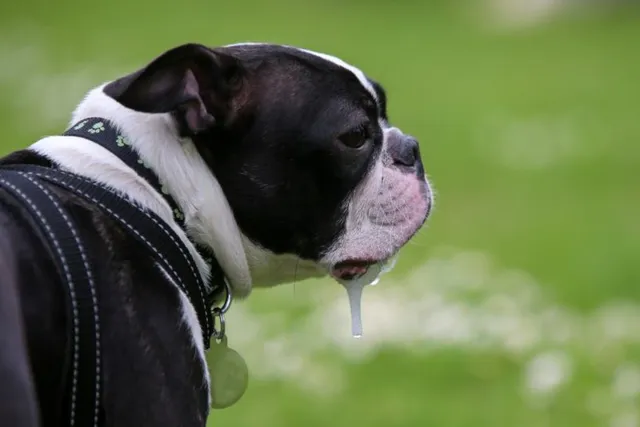
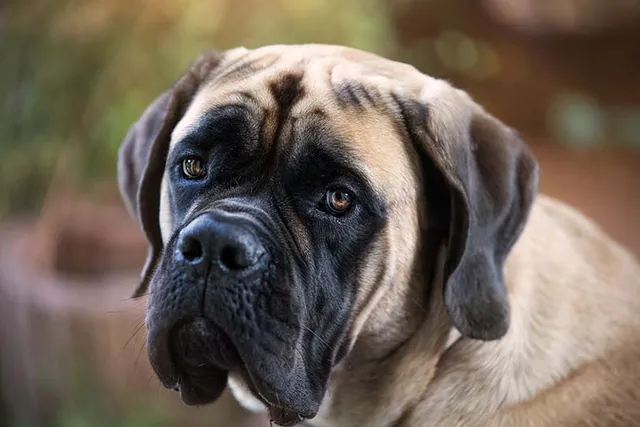
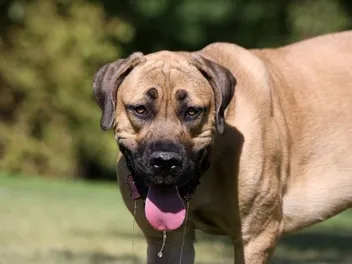
Dog breeds with larger upper lips and that are known for drooling more than other breeds include:
Do Dobermans Drool a Lot?
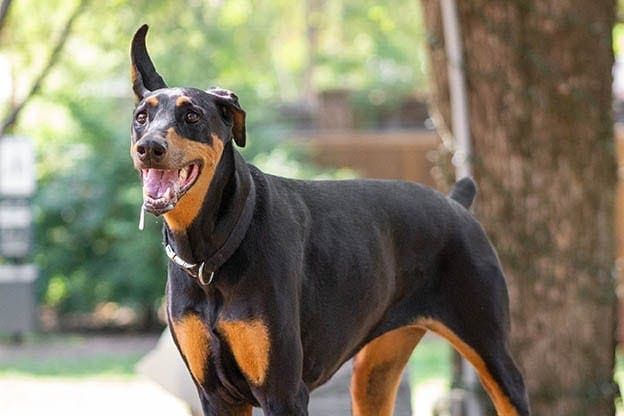
Fortunately for Doberman parents, they’re not typically big droolers. That’s not to say they never drool, and you might spot some “excitement drool” at mealtimes. It can sometimes happen when your dog dislikes the taste of something, too. This is perfectly normal, but what isn’t normal is excessive drooling, which a medical condition can cause.

What Is Abnormal Drooling?
So, we know that some dog breeds drool more than others and that Dobermans don’t drool a lot, but what constitutes abnormal drooling for a breed that isn’t a heavy drooler?
Abnormal drooling for a Doberman would be excessive drooling, possibly accompanied by bad breath and other signs. This can indicate a medical condition that requires veterinary attention.
Causes of excessive drooling include:
Some of these conditions are minor, like an upset stomach that clears up on its own, whereas others are more serious and can even be life-threatening.

When Should I Call a Vet?
If your Doberman has started drooling excessively and shows any of the following signs, please contact your vet immediately.
- Diarrhea
- Vomiting
- Regurgitation
- Lethargy
- Weakness
- Bleeding
- Appetite loss
- Head tilting
- Loss of coordination
- Dizziness
- Behavioral changes (i.e. aggression, vocalizing with whines/whimpers)
- Panting
- Restlessness
- Uneven pupils
- Swollen abdomen
- Pawing at the mouth

Final Thoughts
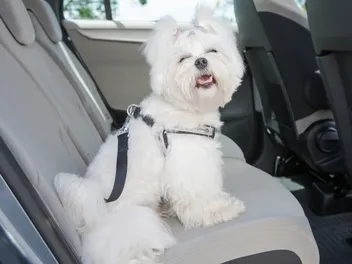
To recap, Dobermans don’t typically drool much, and if your Dobermans only drools while waiting for their dinner or a tasty snack, there’s likely nothing to worry about. Sometimes, a minor stomach issue, nervousness, or motion sickness may cause your friendly family Doberman to drool more than usual.
However, if they begin to drool excessively, which is unusual for Dobermans, or show other signs of being unwell, they need to be seen by a vet to determine the cause.
Related Reads:
Sources
Featured Image Credit: Jaydn Serrano, Shutterstock
Expert dog care, straight to your inbox
News, insights, expert advice, and everything dog.

No spam — unsubscribe anytime.
By signing up, you agree to our Terms & Conditions and Privacy & Cookies Policy.
How useful was this post?
Click a star to rate. You can leave written feedback afterwards. (We read all feedback.)
Kit Copson is a freelance writer and lifelong animal lover with a strong interest in animal welfare. She has parented many furry beings over the years and is currently a proud cat mom of two—one very chilled (unless hungry) Siamese and a skittish but adorable Domestic Shorthair—and dog mom of one—an adopted Bichon Poodle cross. When not writing about or spending time with pets, Kit can be found drawing in her sketchpad, reading, or more often than not, drinking tea.