In this article
Microchipping was introduced in the late ’80s1 and has now become a prerequisite for pet ownership in certain areas. For example, in 2016, dog microchipping became a legal requirement in England and Wales,2 and in 2020, it became compulsory for all cat and dog owners in Montreal, Canada, to microchip their pets.3
Whether you’re new to pet ownership or are considering microchipping your cat or dog for the first time, you might wonder about the costs of this type of procedure. The good news is that microchipping is relatively inexpensive and will be more than worth the investment if your pet ever gets lost or stolen. On average, microchipping a cat or a dog in Canada costs between $28 and $100.
Keep reading to learn everything you’ve ever wanted to know about microchipping and the costs associated with this procedure.

The Importance of Microchipping Your Cat or Dog
Microchipping is an affordable and invaluable procedure that will irrefutably prove ownership if your pet gets lost or stolen. Microchip IDs cannot be tampered with, as they are inserted under the skin, and since they’re so small, it’s nearly impossible to manually find the chip’s exact location once it has been inserted.
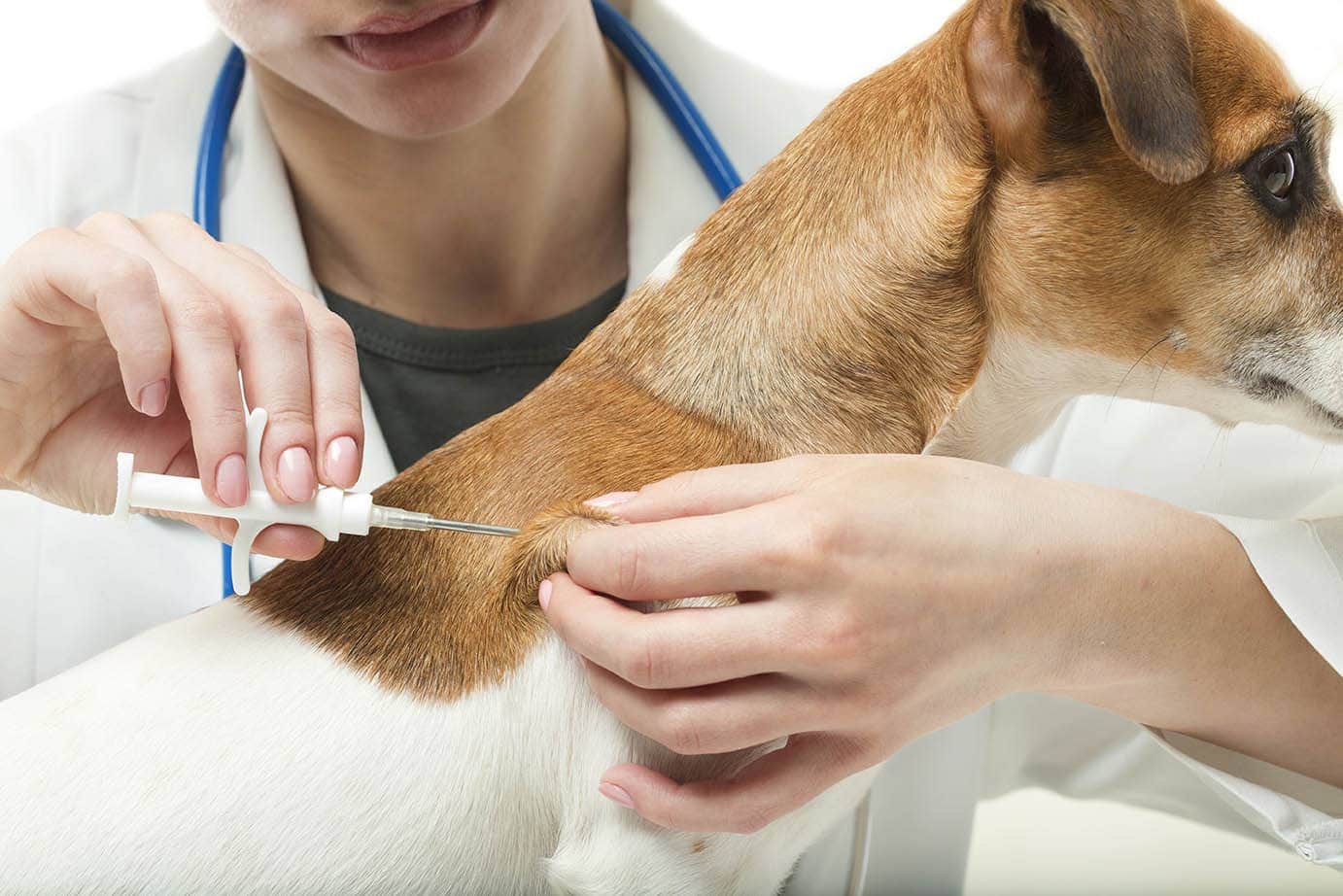
Microchipping is a relatively painless procedure that doesn’t require anesthesia and only takes a few seconds to perform. In addition, you will never need to replace the chip, as it has no working parts, so there are no additional costs once it has been implanted.
A 2021 poll from Outward Hound looked at the benefits of pet microchipping.4 The results showed that of all lost dogs, just 22% of those without chips were reunited with their parents, while 52% with microchips were returned home. Only 2% of cats without a microchip were reunited with their owners, while 39% of those with chips came home to their parents.

How Much Does Microchipping Cost?
The cost of microchipping your pet may vary depending on your location in Canada. Each veterinary clinic sets its own price for the microchipping procedure, so you should contact your local practice for an accurate cost estimate. In addition, you may find that some vets offer discounts for spayed or neutered pets, and others may even offer microchipping as an add-on to your pet’s spay or neuter procedure.
We researched the average costs at various clinics throughout Canada to give you an idea of what the microchipping procedure will cost.
| Location | Chip & Implant Cost |
| Toronto, Ontario | $75 |
| St. John’s, Newfoundland | $30–$50 |
| Vancouver, British Columba | $28 |
| Ottawa, Ontario | $50 |
| Montreal, Quebec | $40–$100 |
| Regina, Saskatchewan | $33 |
| Winnipeg, Manitoba | $64.50 |
Sources: Beaches Animal Hospital (Toronto), Torbay Road Animal Hospital (St. John’s), Atlas Animal Hospital (Vancouver), Ottawa Humane Society (Ottawa), Clinique Veterinaire Vaudreuil (Montreal), Regina Humane Society, Centennial Animal Hospital (Winnipeg)
Many animal shelters host microchipping clinics, where pet parents on a strict budget can obtain the procedure at a discounted rate. You may want to contact your local Humane Society to inquire about upcoming clinic days.
Additional Costs to Anticipate
Some microchipping registries have annual or lifetime dues. For example, in British Columbia, you may register your microchipped pet with the BC Pet Registry. The yearly registration plan is $12 per year per pet, or you can opt for lifetime registration, which costs $45 per pet and is valid for their lifetime.
Some registries offer additional services, such as 24PetWatch’s Pet Protection Services. These upgraded plans include support for your pet’s ongoing well-being and safety needs. The $99.95 lifetime-care plan has 24/7 access to specialists who can help you begin the process of finding your lost pet. The DirectConnect feature will connect you with the person who’s discovered your pet so you can arrange a quick reunion, and you also get a year’s worth of 24/7 access to a vet helpline.

Does Pet Insurance Cover Microchipping?
Some pet insurance companies offer coverage for microchipping, but it is not a benefit that’s always included. You may need to purchase additional coverage, such as a Wellness Care plan to receive coverage for this type of procedure. At the time of writing, we could not find any pet insurance companies in Canada that cover microchipping in their policies. However, many insurance providers offer lost and found coverage to help fund advertisements to find a lost or stolen pet.
Although you will be hard-pressed to find coverage for microchipping in any Canadian pet insurance policy, you may find that some providers will not allow you to enroll if your pet is not microchipped.
How Often Do I Need to Get My Pet’s Microchip Replaced?
Microchips do not use batteries and have no moving parts, so nothing needs to be charged. As a result, your microchip should last your pet’s lifetime. However, you may encounter issues with the chip migrating from its original location. While this is rare, occurring in less than one in every 10,000 cases, it can happen if you’re extraordinarily unlucky. In this situation, you may need to decide if inserting a second microchip makes sense for your pet.
You may be told that your pet’s microchip doesn’t work or is not scannable. This may be due to a vet or animal shelter using a scanner that cannot read your pet’s microchip frequency. The good news is that universal scanners have recently been introduced to read all frequencies. However, there may be a transitionary period as shelters and clinics begin to adopt these new universal scanners.

The Importance of Registering Your Microchip
It is not enough to insert a microchip into your pet; you must also register the chip with your contact information. If you skip this crucial step, the clinic or shelter that finds your lost pet will not have your information to notify you of their whereabouts. You will need to provide your name, address, and contact number so you can be reunited faster when your lost pet is found.
You must also ensure that your pet’s microchip information is updated after every move or phone number change.
Conclusion
Microchipping is an affordable way to ensure that you and your pet can be reunited if they become lost or get stolen. Even if your pet spends most of their time indoors, it’s worthwhile to get them chipped, as accidents happen. You never know when your clever dog or cat will slip past you when you’re bringing in groceries or coming in the door after work. Microchips provide peace of mind and give you extra options for finding your pet if they sneak away on you one day.
Featured Image Credit: Iryna Kalamurza, Shutterstock