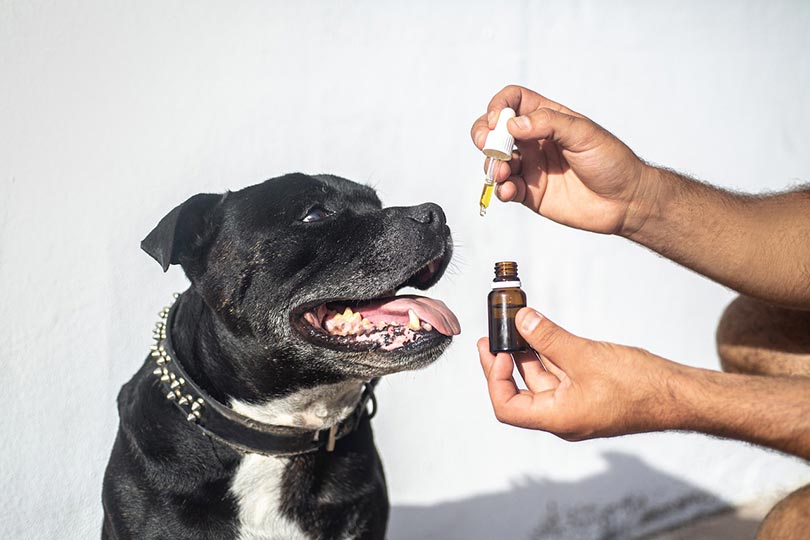
In this article, we’ll look into medication commonly prescribed to puppies or dogs under 12 months of age. All medications have side effects, and it pays to be informed before starting your pup on any medication, especially long-term medication.
If you suspect your puppy is unwell because of a medication, you should notify your vet immediately. While most reactions are mild, others require specific treatment to help your pet, and other side effects can be life-threatening.

The 10 Common Puppy Medications
1. Nonsteroidal Anti-Inflammatories
| Drug examples: | Meloxicam, carprofen, robenacoxib |
| Uses: | Pain relief, anti-inflammatory |
| Common side effects: | Vomiting, gastric ulceration |
Nonsteroidal anti-inflammatories (NSAIDs) are potent pain relief and anti-inflammatory drugs used in puppies and dogs. After surgery or injuries, your pup will typically be prescribed one of these drugs to make them comfortable while they recover. NSAIDs work by inhibiting the production of “prostaglandins,” which promote inflammation.
Unfortunately, some prostaglandins are beneficial in maintaining a protective layer in the stomach and the blood supply to the kidneys. Adverse effects can occur because these helpful prostaglandins are suppressed, leading to sores or ulcers in the stomach and even kidney damage when the medication is overdosed or there is prior kidney disease.
If your puppy is taking this medication, look out for signs like vomiting, blood in vomit, anorexia, diarrhea, dark, tarry feces, increased thirst, and urinating more.

2. Antibiotics
| Drug examples: | Amoxicillin/clavulanic acid, metronidazole, cephalexin |
| Uses: | Fighting bacterial infections |
| Common side effects: | Diarrhea |
Your vet will prescribe antibiotics to treat bacterial infections. They are typically given as a course for 1-2 weeks, although sometimes longer is necessary depending on the type of infection. Antibiotics can sometimes cause diarrhea, as the medication may also kill beneficial gut bacteria.
Probiotics are often given to help counteract this effect. Some antibiotics have specific side effects. For example, metronidazole can rarely cause neurological signs like head tilt or wobbly gait.1 As with any drug, your dog may have an allergic reaction to antibiotics, but severe reactions are rare.
3. Antiparasitic
| Drug examples: | Moxidectin, selamectin, milbemycin oxime, imidacloprid, fluralaner |
| Uses: | Parasite treatment and prevention |
| Common side effects: | Neurological, vomiting, diarrhea |
Antiparasitic drugs are commonly prescribed to prevent and treat worms, fleas, and ticks. These medications are generally considered very safe when used as recommended on the label. However, isoxazoline flea and tick products can occasionally cause seizures, tremors, or other neurological signs.2
Gastrointestinal and skin-related side effects have also been noted with these medications. Collies and some Shepherds may also have an MDR1 mutation, which makes them more sensitive to certain medications, including some antiparasitic drugs.3 You should always use these medications according to the label instructions and speak to your vet if you’re unsure which product is best for your dog.
4. Vaccines
| Drug examples: | Nobivac Canine 1-DAPPv, Nobivac 3-Rabies Vaccine, Vanguard DAPP/L4 |
| Uses: | Immunization against diseases |
| Common side effects: | Vaccine site reaction, allergic reaction, anaphylaxis |
Vaccines are the best way to protect your dog against infectious diseases. A typical vaccine schedule is to vaccinate a puppy at 6–8 weeks, 10–12 weeks, 14–16 weeks, around 12 months, and then every year to 3 years after that, according to your vet’s direction.
The most common reaction to a vaccine is inflammation around the injection site. Some dogs could be quieter than normal for 24 hours or so after the vaccination. If the body has an allergic reaction to the vaccine, you might see vomiting, hives, scratching, or facial swelling, but that is uncommon.
Very rarely, a more serious allergic reaction, known as anaphylaxis, could occur, which needs urgent treatment. Signs of anaphylaxis include vomiting, collapse, and difficulty breathing.
If you’re concerned about your pet’s well-being, we recommend consulting a veterinarian.
If you need to speak with a vet but can't get to one, head over to PangoVet. It's our online service where you can talk to a vet online and get the advice you need for your dog — all at an affordable price!
5. Opioids
| Drug examples: | Buprenorphine, methadone, butorphanol, codeine, fentanyl |
| Uses: | Pain relief |
| Common side effects: | Constipation, sedation, dysphoria |
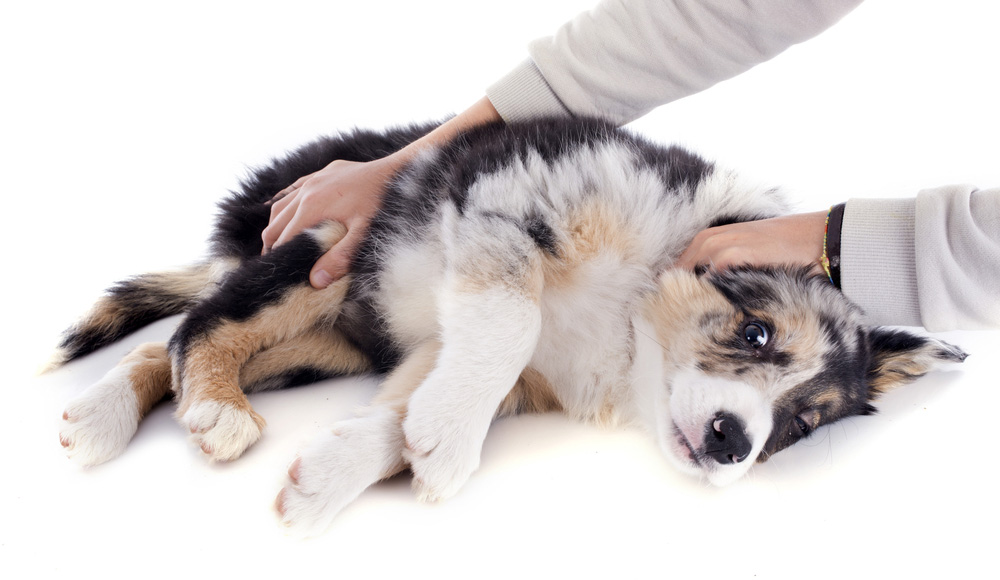
When strong pain relief is needed, like for a broken leg, vets often prescribe opioids to puppies. These drugs are also used before and during surgery for pain relief and sedation. Codeine is sometimes used as a cough suppressant.
Usually, opioids are given as an injection, but there are tablet, liquid, or patch forms of some opioids. In most cases, they will sedate a puppy, but in some cases, an unusual reaction can occur, causing dogs to be excitable or distressed. Opioids can also cause intestinal movements to slow, which can lead to constipation.
6. Steroids
| Drug examples: | Prednisolone, dexamethasone, triamcinolone |
| Uses: | Anti-inflammatory, immune suppression |
| Common side effects: | Increased thirst and hunger |
Steroids, or “corticosteroids,” are medications that have an anti-inflammatory effect at lower doses and are useful in treating itchy skin and other inflammatory problems. At higher doses, they suppress the immune system, which is needed in more serious immune-mediated diseases like puppy strangles and steroid-responsive meningitis-arteritis.
In the short term, steroids can worsen infections as the immune system is suppressed. It causes increased appetite, thirst, and sometimes behavioral changes. As they are drinking more, dogs on steroids will also urinate more. They might also try to scavenge for food more than usual.
Sometimes, the dogs become nauseous and vomit. Long-term use can lead to muscle weakness, skin disease, liver problems, and obesity.
7. Antihistamines
| Drug examples: | Chlorpheniramine, diphenhydramine |
| Uses: | Reducing allergic reactions |
| Common side effects: | Drowsiness |
Antihistamines block the release of histamine, which is an inflammatory product. They are most commonly used in acute allergic reactions and anaphylaxis, like those caused by insect bites and stings.
Antihistamines can be used in conjunction with other medications to treat itchy skin, but they are usually ineffective alone. The most common side effect of antihistamines is drowsiness or sedation.

8. Antiemetics
| Drug examples: | Maropitant, metoclopramide, ondansetron |
| Uses: | Stops vomiting |
| Common side effects: | Different for each medication |
There are different classes of antiemetics, which work in different ways, but overall, they reduce nausea and vomiting. Maropitant also has a pain-relieving effect, which is helpful when abdominal pain is present along with vomiting.
Maropitant can sting when given as an injection. Severe adverse reactions are rare but possible with these medications. Ondansetron can rarely cause drowsiness, head shaking, and constipation. Metoclopramide can cause behavioral changes, tremors, or increased urination.
9. Gastroprotectants
| Drug examples: | Omeprazole, famotidine, sucralfate, misoprostol |
| Uses: | Protection of the gastrointestinal lining |
| Common side effects: | Minimal; some may cause constipation |
These drugs work in different ways but may either reduce stomach acid production or improve the protective barrier in the stomach. Your pup may be prescribed these medications in cases of toxicity or gastrointestinal illnesses.
It is important to give the medication as directed since some are best given on an empty stomach, while others should be administered with food. Misoprostol can cause abortion and should be handled with care.

10. Behavioral Medication
| Drug examples: | Fluoxetine hydrochloride, alprazolam, trazodone |
| Uses: | Sedation, treating anxiety |
| Common side effects: | Sedation, gastrointestinal upset, behavioral changes |
Behavioral medications are a broad group of drugs that reduce anxiety or cause sedation. There are different classes, such as selective serotonin reuptake inhibitors (SSRIs), tricyclic antidepressants (TCA), and benzodiazepines. Some are given as a daily tablet for long-term effects; others are used for short-term phobias.
Mixing behavioral medications should be done cautiously under veterinary guidance; too much can lead to serotonin syndrome, which is when there is too much serotonin in the body. Most affected dogs will show signs of gastrointestinal upset, such as vomiting and diarrhea, but serotonin syndrome can be life-threatening and lead to signs like a high heart rate, tremors, hyperthermia, high blood pressure, and hyperactivity.
Specific side effects are dependent on the medication. For example, fluoxetine can cause gastrointestinal upset and, in rare cases, worsening behavior, seizures, and weight loss. Trazodone causes sedation, but adverse effects can include a wobbly gait, worsening behavior, and changes in heart rhythm.
Featured Image Credit: Yana Vasileva, Shutterstock
 The 10 Common Puppy Medications