Can Dogs Actually Smile? Vet-Verified Facts & FAQ


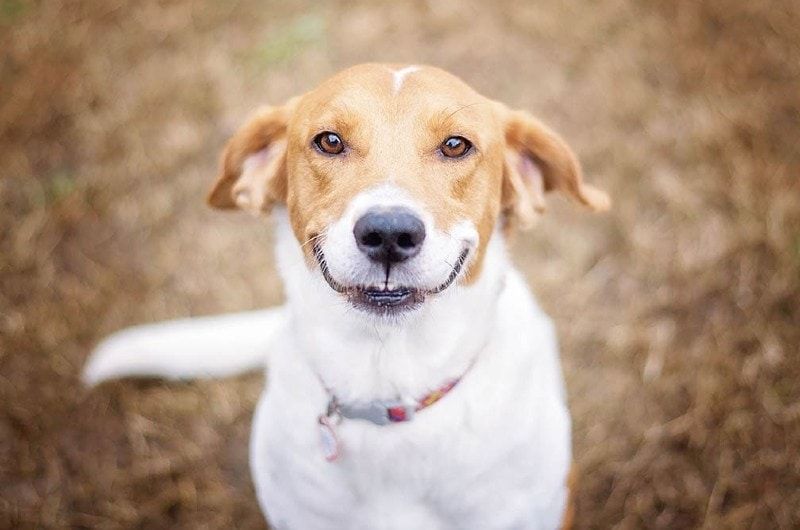
As owners, we’ve all seen our dogs look happy and even appear to smile sometimes. But is that puppy smirk actually a grin? Can dogs smile as we do?
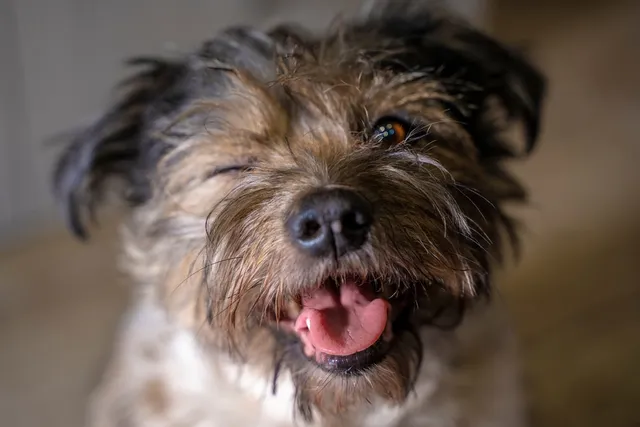
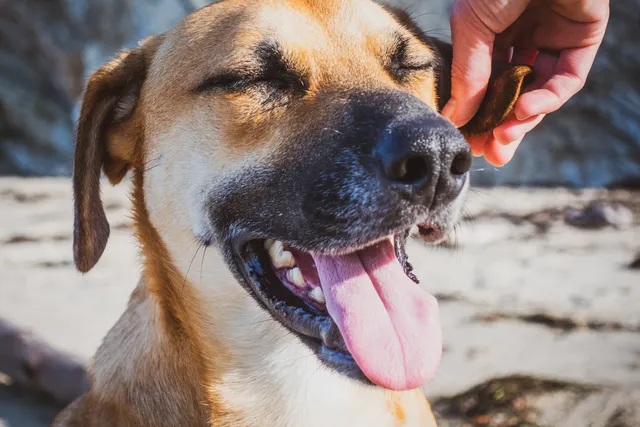
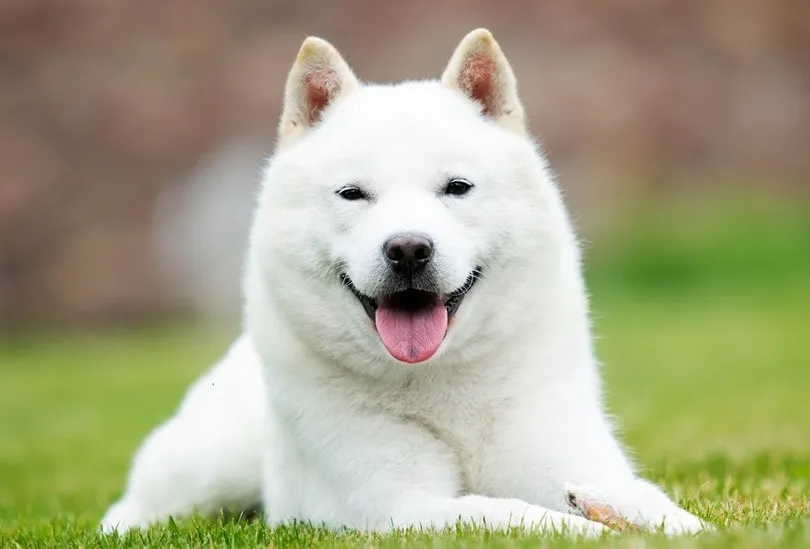
Dogs can display facial expressions that people often interpret as a “smile,” but this is not the same as human smiling. In many cases, what people describe as a doggy smile is a relaxed, open mouth with the lips slightly pulled back, which can be associated with a calm or comfortable state in dogs. That said, a “doggy smile” tends to be a good sign that your pup is comfortable and relaxed, but it should always be interpreted alongside the dog’s overall body language. Here’s a breakdown of canine grins, including why they do it.

Can Dogs Smile?
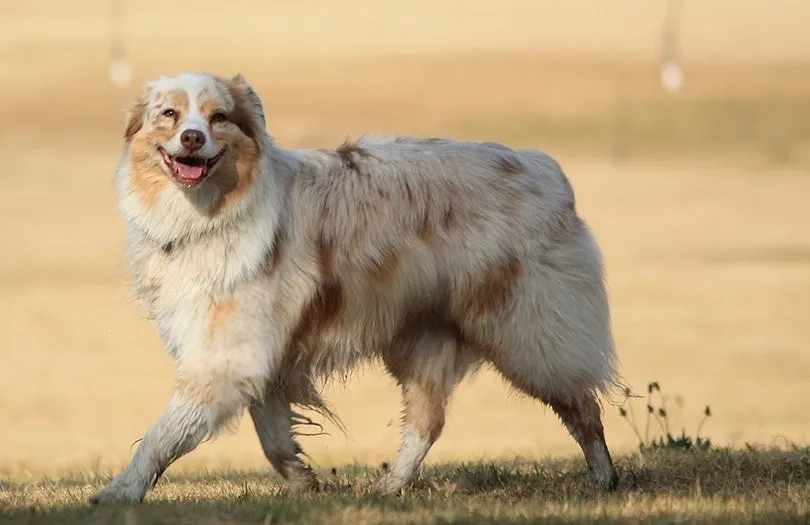
The first thing to know about a dog’s smile is that canine behaviorists don’t consider it a smile—at least not in the way that we humans think of smiling. After all, there are all kinds of doggy expressions that make your pup look like they're smiling, including open-mouthed panting and baring teeth during aggressive or defensive displays, which you definitely don’t want to mistake for a friendly grin! However, dogs do not intentionally smile in the human sense. Instead, people often interpret a relaxed open-mouth expression as a “smile,” particularly when a dog appears calm or comfortable.
Our canine companions are very responsive to human body language, tone, and behavior. Dogs can learn that certain facial expressions or relaxed mouth positions receive attention or rewards from their owners. When dogs "smile", we often give them positive reinforcement, such as smiling back or lots of pets. When that happens, your dog is more likely to keep smiling.
You’ll know that your dog is "smiling" if they also have a relaxed posture and facial muscles.1
Do Dogs Smile at Other Dogs?
Dogs don’t really smile at other dogs, at least not like we smile at other humans to express friendliness. While dogs may display relaxed open-mouth expressions during social interactions, communication between dogs relies primarily on full-body signals rather than facial expressions alone. Instead, they incorporate the entirety of their body posture to get messages across to other canines. Whether that message is, “Let’s play!” signals such as play bows and loose body posture, or signals intended to increase distance or reduce interaction, body language is how dogs communicate.
So, even if you see your pup “smile” at another dog, there’s a lot more going on there than you might think.
Do Guilty Dogs Smile?
You’ve probably seen your dog give what looks like a sheepish grin when you find that they've strewn garbage all over the place or chewed up your favorite pair of shoes. But is your pup really giving you a smile because they feel guilty? It's not likely.
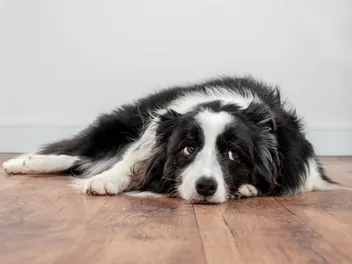
This is another instance where you need to read your dog’s body language to get the whole picture. This type of facial expression that you see when you find that your dog has misbehaved usually also involves a lowered head and squinty eyes. Their ears are likely flat to the head, and their tail is often held low and may move loosely. This look doesn’t indicate guilt; it is more accurately described as an appeasement or stress-related body language response.
What people sometimes call a “submissive grin” can occur when a dog feels uncertain, stressed, or is attempting to reduce social tension during an interaction. These signals are typically responses to a person’s tone, posture, or reaction rather than evidence that the dog understands the earlier behavior as wrongdoing.
So, it’s less that they feel "guilty" and more that they are responding to the current situation and attempting to reduce tension or avoid conflict.
Conclusion
Our four-legged pals can technically smile (or at least pull off a look similar to smiling), but they do it more in response to us and our own smiles or emotions rather than because they are happy. The key to figuring out if your dog is giving you a relaxed, smile-like expression is reading the rest of their body language. Your dog may actually be displaying appeasement-related facial expressions or even baring their teeth in aggression, so keep an eye on what their ears and tail are doing when your dog looks as if they're grinning!
Featured Image Credit: Crystal Alba, Shutterstock
Expert dog care, straight to your inbox
News, insights, expert advice, and everything dog.

No spam — unsubscribe anytime.
By signing up, you agree to our Terms & Conditions and Privacy & Cookies Policy.
How useful was this post?
Click a star to rate. You can leave written feedback afterwards. (We read all feedback.)
Nicole has loved animals of all sizes her whole life so it's no wonder she has dedicated her career to helping them through what she loves best: learning, writing, and sharing knowledge with others. She’s the proud mom of two dogs, a cat, and a human. With a degree in Education and 15+ years of writing experience, Nicole wants to help pet parents and pets around the planet to live happy, safe, and healthy lives.