Get

In Your Inbox

Dogster is reader-supported. When you buy via links on our site, we may earn an affiliate commission at no cost to you. Learn more.

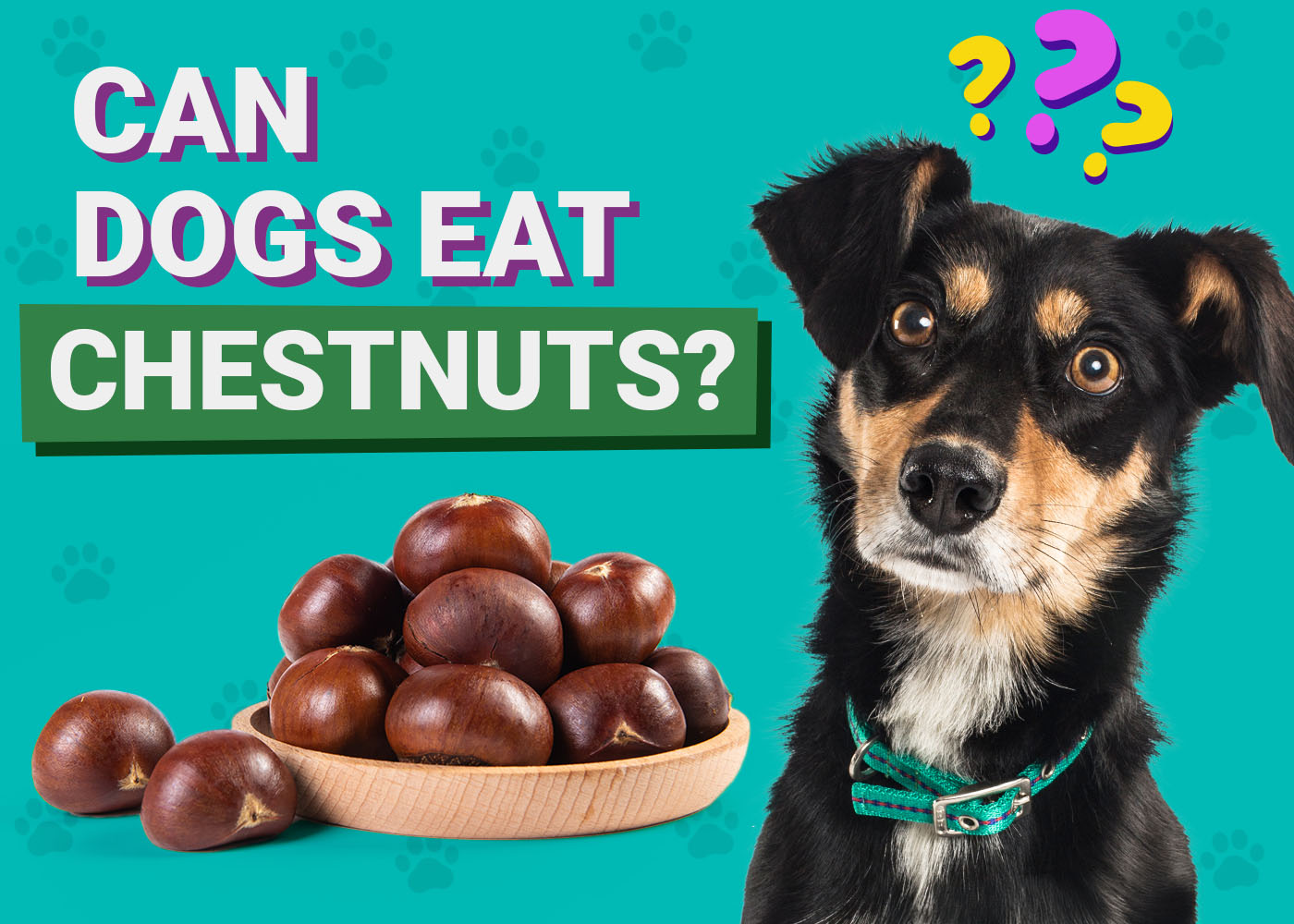
Can Dogs Eat Chestnuts? Vet-Verified Nutrition Facts & Info


Share

Dogster-Can-Dogs-Eat-Chestnuts

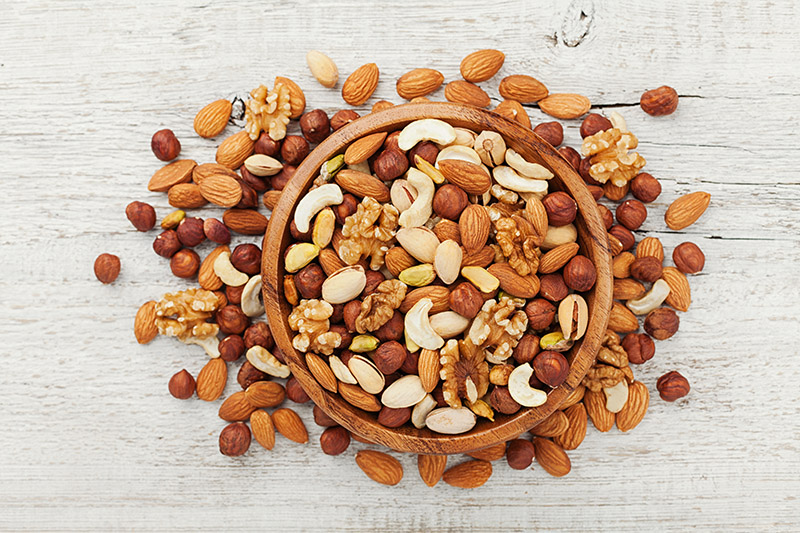
Your pup will beg for anything you’re eating, no matter what it is, because they think food is inherently yummy. And while some foods we eat are safe to give to our dogs in extreme moderation, other people foods simply aren’t safe for them to consume. Nuts seem like a good treat for our canine companions, as they’re bite-sized and nutritious, but nuts aren’t always the safest to give to a dog, especially specific ones.

If you’re a fan of chestnuts, you may have wondered whether dogs can eat this nut. The answer is yes, but that yes comes with a few caveats. However, if you want to feed your pet a chestnut as a treat, so long as you give them the correct one and it’s cooked, it’s fine.

Here’s what to know about canines and chestnuts!

divider dog paws 2 oct 2024

Why Can Dogs Eat Chestnuts?

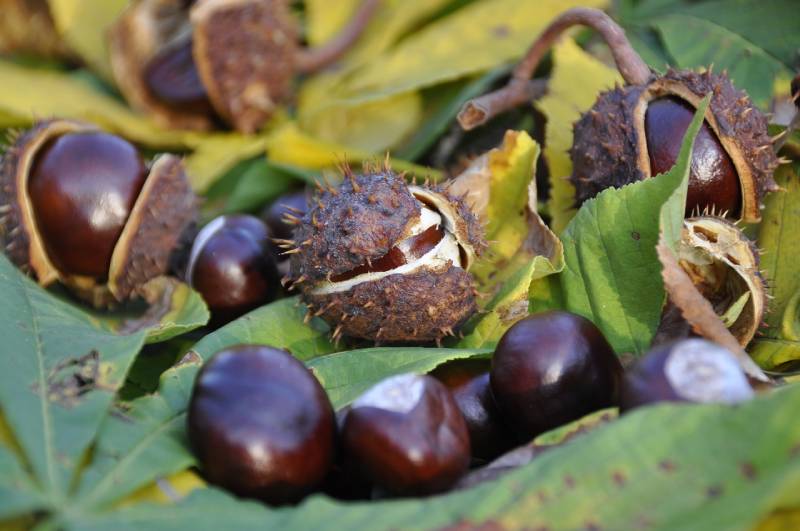
Dogs can eat certain types of chestnuts because these chestnuts aren’t toxic to canines. However, this doesn’t apply to all chestnuts! While American chestnuts are non-toxic to dogs, horse chestnuts (also known as conkers) contain a compound called aesculin, which is incredibly toxic to pups. Horse chestnuts aren’t, in actuality, true chestnuts, but they certainly look like one and can be mistaken. These come from the horse chestnut tree, so if you have those in your area and walk your dog near them, don’t let your pup forage for any of these!

Girl triaining a toy Poodle on the lawn
Image Credit: Linas T, Shutterstock

Benefits of Feeding Chestnuts to Dogs

While your pup won’t be eating enough chestnuts to truly reap the health benefits they offer, they can provide your pet with minute amounts of nutrition.

The first nutritional benefit chestnuts have is antioxidants, as these nuts contain high amounts. Antioxidants are useful in fighting free radicals and preventing cell damage.

Chestnuts also contain a lot of fiber, which is vital to helping the digestive system run smoothly. Fiber can help prevent constipation and other issues, and it may also help regulate blood sugar levels. Chestnuts can also make excellent treats for overweight pups, as they are low in fat!

Finally, chestnuts contain a wealth of minerals and vitamins, including potassium, copper, iron, magnesium, manganese, phosphorus, and zinc. This nut contains a high amount of potassium, in particular, which helps keep nerve and muscle function normal.

Hands-peeling-chestnuts-from-shell
Image Credit: Viktoriia Lomtieva, Shutterstock

Risks of Feeding Chestnuts to Dogs

A couple of potential risks come with giving your dog chestnuts to eat, though. These risks are rare and will mostly only occur if your pet eats a few chestnuts.

One risk of chestnuts is that they are large enough to prove a choking hazard for some canines, especially smaller breeds. So, be very careful when giving this nut to your furry friend.

If a dog eats too many chestnuts, they could potentially consume enough fiber to lead to an upset stomach and abdominal pain. Of course, they would usually have to eat quite a few chestnuts to accomplish this.

How to Feed Chestnuts to a Dog

If you want to give chestnuts to your pup as an occasional treat, first check with your vet to ensure this is safe for your dog. All canines are individuals and have different needs, and chestnuts may not be a suitable snack for all.

If you need to speak with a vet but can't get to one, head over to PangoVet. It's our online service where you can talk to a vet online and get the personalized advice you need for your pet — all at an affordable price!

PangoVet_Mention-in-Content Savings V1

Next, ensure you’re feeding them the safe kind of chestnut! Remember, American chestnuts are fine for a dog, but horse chestnuts are not.

Once you know you have the correct chestnut for your pet, shell the chestnuts, then roast or boil them. Raw chestnuts can be more difficult for a dog to digest, so roasting or boiling them is key. However, ensure you don’t use salt or other seasonings during the roasting process, as these can be harmful to canines.

Finally, only feed your pup a very small amount of chestnut and watch for adverse reactions after they try this food.

owner giving a treat to her dog
Image Credit: New Africa, Shutterstock

divider dog paws 2 oct 2024

Conclusion

Chestnuts can be a tasty snack for canines, but only if you give them safe varieties such as the American chestnut, roast or boil it, and serve it in small quantities. Stay far away from horse chestnuts, though, as these are incredibly toxic to dogs! As long as you do all this and only give your pup chestnuts in extreme moderation, they’ll likely enjoy having this as an occasional tasty treat.

Sources

Featured Image Credit: KarepaStock, Shutterstock

Want content like this delivered to you?

Sign Up For Our Newsletter

News, insights, expert advice, and everything dog

* By submitting, you agree to our Terms & Conditions and Privacy & Cookies Policy.


How useful was this post?

Click on a star to rate (you can leave written feedback after clicking submit)

Help us improve Dogster for pet parents!

Your feedback really matters.

What did you like about this post? Also how can we improve it?

Join the conversation

Leave a Reply

You’re very welcome to leave a comment or question. Please know that all comments must meet our community guidelines, and your email address will NOT be published. Let’s have a positive and constructive conversation.


Talk With A Vet Online

Peace of mind,
anywhere, anytime

Affordable vet advice

Dogster’s Weekly Photo Contest Winners: This Spot is Mine! (February 26, 2026)

Every week our team gets the privilege of sorting through our readers photos to choose what dogs will win this weeks contest! See...

We Bred English Bulldogs So Extreme They Can’t Mate Naturally

Picture this: A male English Bulldog waddles over to a female in heat, full of confidence and swagger. Then… nothing. His barrel chest,...

Damning Dry Dog Food Report Not What It Seems

Over the past few days, pet and vet communities have been reeling from the revelation that high levels of heavy metals have been...

Ask Dr. Paola- Help! My Dog’s Won’t Stop Barking! (February 23, 2026)

Welcome to our “Ask Dr. Paola” series, where every Monday we bring expert advice straight from Dr. Paola Cuevas (MVZ) to help our...

More related

How to Groom a Pug: 14 Vet-Approved Tips & Tricks

The Pug is one of the most beloved dog breeds, known for their playful and affectionate personality and face full of wrinkles. However,...

Bloat in Dogs: Our Vet Explains Signs, Causes & Treatment

Bloat, or GDV (Gastric Dilatation-Volvulus), is a serious, life-threatening emergency commonly seen in middle-aged to older dogs. However, this condition can occur in...

Do Dogs Like Collars? Vet-Reviewed Reasons & Safety Tips

Dogs and collars go hand in hand, but it’s not as clear to know if dogs enjoy wearing their collars. Most dogs don’t...

How Long Is a French Bulldog Pregnant? Pregnancy Stages & Tips

Having a French Bulldog in your home can be a true pleasure. These little dogs are cute, feisty, and fun to have around....

Keep reading

Can Dogs Eat Apricots? Vet-Verified Nutrition Facts & Precautions

Dogs are facultative carnivores, meaning that like omnivores, they can eat some plant matter as well as meat. Many like eating sweet foods and can be found eating windfall fruit. If your dog has a sweet tooth, consider feeding them...

fresh apricots

Can Dogs Eat Bacon? Vet-Reviewed Health Facts & FAQ

If there’s an aroma guaranteed to get dogs drooling and gazing up at you with big, pleading eyes, it’s the smell of bacon cooking. As much as you may want to indulge your pooch, it’s wise to hold off on...

Can Dogs Eat Bacon

8 Best Human-Grade Dog Foods in 2026: Reviews & Top Picks

“Human-grade” dog food is a loose term that can be a bit confusing. According to the Association of American Feed Control Officials (AAFCO), this means that all the ingredients are edible for humans.1 Essentially, this label on a dog food...

cream dog eating from the bowl

Can Dogs Eat Sunflower Oil? Vet Reviewed Facts & FAQ

Sunflower oil sounds about as natural as it gets. Whole foods have taken root in the dog food market as obesity rates are on the rise, and pet parents have become more knowledgeable about how to care for their fur...

Can Dogs Eat_sunflower oil

Victor Dog Food vs Bully Max: Our 2026 Comparison – Pros, Cons & What to Choose

With the number of dog food brands out there, you are bound to stumble across similar brands in your search for the best option. At first glance, it seems that only the packaging is different, while the ingredients, nutrition, and...

Dogster_Dog Food Victor VS Bully Max

11 Best Dog Foods for Dental Issues in 2026 – Reviews & Top Picks

Dogs are prone to dental problems just like humans. In fact, according to the American Veterinary Dental Society, 80% of dogs will have some form of dental disease by the time they are 3 years old.1 This can lead to...

Dog teeth zoomed in_Andriyko Podilnyk_Unsplash

Can Dogs Eat Chorizo? Vet Approved Nutrition Facts & Risks

Chorizo is a spicy sausage that most of us love, and when we love something as pet owners, we sometimes want to share it with our pets. However, there are some foods you shouldn’t share with your pet, and chorizo...

Can Dogs Eat_chorizo

Can Dogs Eat Walnuts? Vet-Verified Facts & Safety Tips

Dogs can eat many foods that humans eat, and you can enjoy sharing a variety of snacks with your dog. However, in most cases, dogs should refrain from eating nuts and seeds, including walnuts. While walnuts in themselves aren’t toxic...

Can Dogs Eat Walnuts

Love Dogs? So Do We! Join the Dogster Community

Stay informed with expert pet care insights delivered straight to your inbox! Discover professional guidance on animal behavior, feeding tips, trusted product picks, and much more.


Sign up for the Dogster Email Newsletter