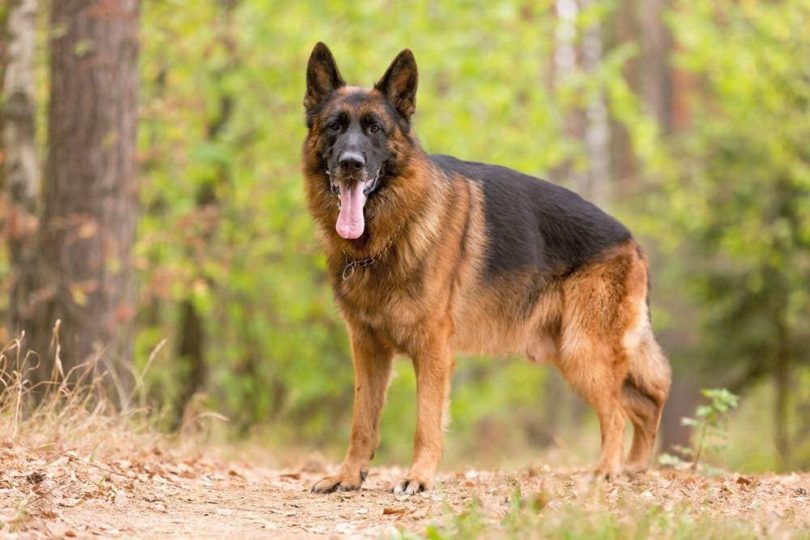
The German Shepherd (GSD) is currently the second most popular breed in the U.S. and parts of Europe, and it’s no wonder! These gorgeous dogs are hardworking and devoted almost to a fault and are known to be loving and wonderful companions.
If you’ve ever wondered about the GSDs’ origins, it shouldn’t come as a complete surprise that they were originally bred in Germany by breeders looking for the perfect herding dog. Their primary responsibility was herding and protecting sheep from predators.
Here, we take an in-depth look at the German Shepherd and their origins and history. We hope that you learn something new about these incredible dogs!

It All Began With a Single Man
The origins of the German Shepherd started with the work of Captain Max von Stephanitz in 1899. Von Stephanitz joined the military at the request of his family, but his heart belonged to the countryside and agriculture. He even attended veterinary school in Berlin before serving his time as a cavalry officer.
While spending time in the countryside, he developed an admiration for shepherding dogs. Those breeds tended to be highly intelligent, and their attentiveness and quick responsiveness caught von Stephanitz’s eye.
However, their numbers were starting to dwindle, and von Stephanitz decided that he wanted to create a breed of German sheepdog before there were none left. He purchased a large estate near Grafath in Bavaria, Germany, where he planned to start breeding his new German sheepdogs.
The Dog Show That Started It All
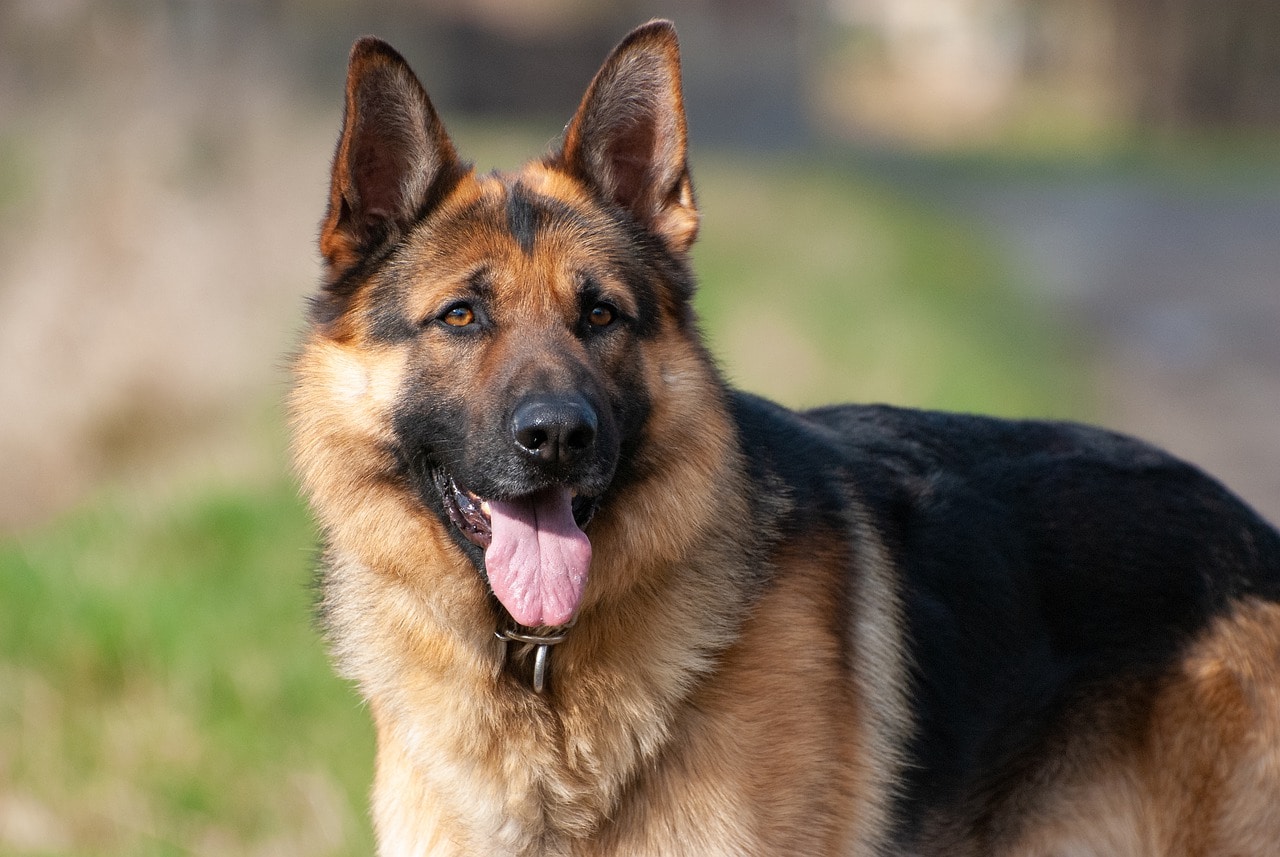
In April 1899, von Stephanitz attended the largest dog show in Germany at Karlsruhe. Here, he spotted a 4-year-old sheepdog by the name of Hektor Linksrhein. The dog was medium-sized and gray and yellow and had a wolf-like appearance. The dog’s looks are what captured von Stephanitz’s attention, but it was the dog’s character and intelligence that sold him.
The dog showcased endurance, power, and steadiness and was already a working sheepdog. Von Stephanitz purchased the dog for 200 gold marks and renamed him Horand von Grafrath. Horand was the first registered German Shepherd Dog.
The First German Shepherd Club
About a month after purchasing the first GSD, von Stephanitz founded the first-ever German Shepherd club. 1899 was certainly a year of significant firsts in the dog world! He named it Verein für Deutsche Schäferhunde, and it started with three shepherds and six members (a mayor, architect, magistrate, innkeeper, and two factory owners).
Von Stephanitz managed to create a standardization of the GSD breed, which was based on the dog’s utility and mental stability. His motto was, “Utility and Intelligence,” as these features were far more important to him than the dog’s beauty. Von Stephanitz stressed that temperament, intelligence, structure, devotion, and gait were all far more important.
And Then the Breeding
Horand, the original German Shepherd, came from a litter in Thuringia in north Germany, where his breed was relatively common. In fact, Friedrich Sparwasser from Frankfort was specifically breeding these dogs for their wolf-like appearance and upright ears.
Horand’s brother Luchs, their parents, and paternal grandparents were all registered as German Shepherds later. But these dogs were small and sturdy, with tails that were curled, wiry coats, and most importantly, sharp temperaments that von Stephanitz did not want.
He started breeding Horand with dogs from Wurttemberg in south Germany that were bigger but had more obedient temperaments.
Both Horand and Luchs were bred extensively through a great deal of inbreeding. Horand’s son, Hektor, was mated with his half-sisters and granddaughters. Three of Horand’s grandsons, Heinz, Pilot, and Beowulf, were particularly successful offspring, as all had the traits that von Stephanitz felt were most valuable.

The Americas
The first German Shepherd was shown in America in 1907, and the first champion GSD was awarded in 1913. It was also that year that Anne Tracy and Benjamin Throop founded the German Shepherd Dog Club of America, which started with 26 members. They had their first show in Connecticut in 1915, but in 1917, World War I started and things changed.
From Sheepdogs to Service Dogs
The Great War changed the GSD to war dogs, with von Stephanitz as the spokesperson about how amazing his dogs would be as service dogs.
However, due to anti-German attitudes, the American Kennel Club changed the name of the German Shepherd Dog Club of America to the Shepherd Dog Club of America. They also changed the name of the GSD to “Alsatian” in England.
However, at the end of the war, the GSD’s reputation as a brave and loyal war dog spread, and shows like “Rin Tin Tin” about a heroic German Shepherd made them a popular breed worldwide.
Unfortunately, with popularity comes bad breeding to meet demand, and some GSDs were not of the best quality, which eventually decreased their popularity. But Mrs. Eustis of Switzerland took to research and started breeding German Shepherds that became guide dogs for the visually impaired.
Another War
During World War II, the popularity of the German Shepherd increased again and was used in the war on both sides. They were primarily used as rescue, personal guard, and messenger dogs and were quite effective in these roles.

The German Shepherd Today
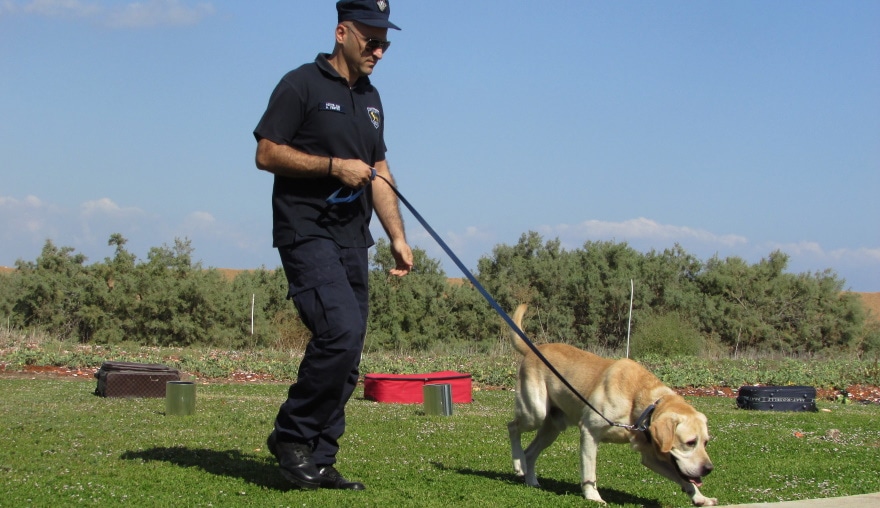
German Shepherds today are used primarily as house pets and working dogs. They are also commonly used as police and security dogs, and their incredible senses of smell make them great at tracking.
As seen in wars, GSDs make great military dogs and can help protect soldiers by detecting traps or alerting them to the approach of enemies.
They are also used as guide dogs, although maybe not as often today, as Golden Retrievers and Labrador Retrievers commonly fill these roles. That said, they are still used as therapy dogs and in search and rescue. They are also used on farms for their original purpose: as sheep herders.
Conclusion
It’s incredible that the original German Shepherd’s DNA can be found in almost every GSD today.
German Shepherds have had a rich and fascinating history, and they continue to remain one of the most popular dogs in the world. Plenty of hard work from the various breeders, starting with Captain Max von Stephanitz, has everything to do with what makes this breed wonderful.
Von Stephanitz’s determination to make this breed all about temperament and not looks has much to do with how reliable, intelligent, and devoted these dogs are (even though they still ended up gorgeous). They are now among the most hardworking and dependable dog breeds out there.
Related Read:
- Is a German Shepherd Good for a First-Time Dog Owner? The Surprising Answer!
- German Shepherd Day: What It Is & When It’s Celebrated
Featured Image Credit: Osetrik, Shutterstock
 It All Began With a Single Man