In this article
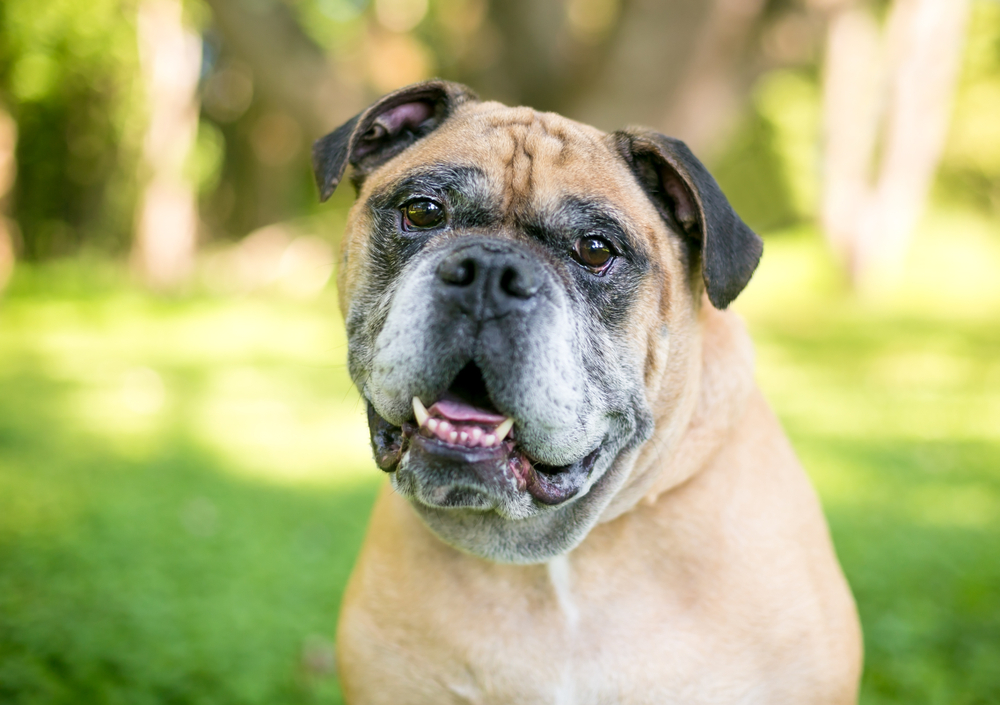
View 8 More +You can’t get enough of the Victorian Bulldog? Of course, this pup’s adorable face and powerful build are some of the features that endear it to dog lovers.
Also known as the Olde Victorian Bulldog, this canine is a re-creation of an extinct dog. Breeder Kenn Mollet started a movement to resurface this breed which had been lost to time in 1985.
Breed Overview
Height:
16–19 inches
Weight:
55–75 pounds
Lifespan:
12–14 years
Colors:
White, red, fawn, pied, brindle
Suitable for:
A family with children, singles, a home with a yard
Temperament:
Loving & loyal, kind, happy, easy to train
He recreated a dog that people thought had been lost since the 20th century during the Edwardian period. He carefully crossed English Bulldog, Bull Mastiffs, Bull Terriers, and Staffordshire Bull Terrier to produce a healthier dog than other Bulldogs.
This dog grants dog fanciers a chance to have a larger, healthier, more athletic, and more muscular version of an English Bulldog. It is a fantastic family dog, sweet, playful, and great for older and young families.
Don’t allow the stern, grumpy face to fool you. Although Victorian Bulldogs were designed to impose a fierce expression, they are a happy, hearty, loyal breed that serves lots of sloppy kisses. Plus, it is low maintenance!
That’s not all about the Victorian Bulldog. You might want to keep reading.
Victorian Bulldog Characteristics

Victorian Bulldog Puppies
Ensure that you get your Victorian Bulldog puppy from an established, reputable, and experienced breeder. This is because some breeders who don’t know how to distinguish are mislabeling second and third-generation bulldogs as Victorian Bulldogs. Also, a reputable breeder will have the medical history of your potential dog’s parent breeds to minimize the risk of you dealing with future genetic health issues.
Victorian Bulldogs are loving, and rare dogs that are generally healthy, and great with families with children or for individuals with yards in their homes. Take a good look at the Victorian Bulldog’s care guide so your puppy can grow into a happy and healthy dog.

Temperament & Intelligence of Victorian Bulldog
The Victorian Bulldog is a lively, happy, and dignified well-rounded dog. It’s always up for anything, whether adventure or snuggling up on a couch.
These dogs may look stoic and grumpy. However, they are kind, loving, and have a healthy touch of kindness. Their playful nature, robust builds, and patience around kids make them excellent playmates.
Victorian Bulldogs are also affectionate and would love it if you reciprocate. This means that they require lots of affection, time, and attention and wouldn’t love staying alone for long. You should see how much they love cuddles and belly scratches!
Another good thing about Victorian Bulldogs is that they don’t often bark, so don’t expect excess noise unless something triggers them. It’s hard to stop them once they start barking, though.
Beyond this, they aren’t overly vocal, except for some snores and slobbery kisses.

Are These Dogs Good for Families? 👪
These dogs thrive in a family setting as they are incredible with young kids, so they’ll fit right into your family.
You don’t have to give up on this pup just because you live in an apartment. Victorian Bulldogs somehow have a lazy temperament, so they don’t need too much yard space to run and play.
These dogs are rightly referred to as “people’s dogs”. They are affectionate, reliable sweethearts that thrive on human attention and companionship. Your dog will be at its best if it snuggles with you on a couch all day.
Another thing about Victorian Bulldogs is that they are courageous and have protective instincts, which means you and your family will always be safe.
This dog is also patient and naturally gentle with children and will be happy if they climb all over it. However, they still have a breaking point, so you need to teach your kids about boundaries.
The Victorian Bulldog is slobbery, snores, and drools a little bit. However, they are loving and loyal companions that will love sharing moments with you.
Does This Breed Get Along With Other Pets? 🐶 😽
These pets thrive in multi-pet households and can tolerate other dogs, making them complete family dogs. You, especially, won’t see any problem if they were correctly socialized or grew alongside each other since puppyhood.
However, some have high-prey drives and can be wary of other dogs if you don’t reinforce proper leadership training.
Things to Know When Owning a Victorian Bulldog
There’s no doubt that you’ll fall in love with this dog once you see it. However, before you bring it home, there are things about it you need to know. For instance:
Food & Diet Requirements 🦴
Like other Bull breeds, owners need to insist on a raw diet for their Victorian Bulldogs. However, try not to offer it too much meat-only diet because the bones, intestines, and stomach components mimic too much of their primitive dietary habits.
It would also be best to remember that Bull breeds cannot tolerate excess proteins in their diet as it might cause hot spots. You can serve raw eggs, yogurt, semi-cooked veggies, and fruits to balance your dog’s diet.
However, feeding a raw diet to your Bulldog requires you to have a basic understanding of nutrition. So, if you are an inexperienced owner, it would be best to consult a veterinarian for help.
Or, you can just stick to nutritious commercial dry dog food. Provide ¾ to 1½ cups of dry dog food a day, split into two halves. Dry dog food helps with your dog’s dental hygiene as it helps get rid of plaque.
Exercise 🐕
Victorian Bulldogs are non-working dogs and generally have moderate activity levels. They prefer to be couch potatoes when they are indoors. However, you still need to offer them regular exercise every day if you want them to be happy, healthy, and thrive.
This dog can adapt to an apartment lifestyle. But, it’ll thrive more in a home with a yard, large enough to allow it to run around a little bit because it is more athletic than its English Bulldog relatives.
You should also take it out for moderate walks a day and provide it off-leash time in a safe park a few times a week.
Don’t overdo the workout, though. These breeds have a short snout, so they get overheated quickly. You’ll want to look out for signs of overheating or overexertion to help you know when it’s time to take a break.
Training 🎾
Victorian Bulldogs are intelligent animals with a people-pleasing demeanor that make them respond well to training.
Unfortunately, most owners subject them to dominance training because they are a Bull breed when the exact opposite is true. These dogs do not respond to any form of force-based training or dominance.
Instead, Victorian Bulldogs are responsive to reward-based training, especially with a clicker. Clicker training can help when teaching your dog basic commands and still make the session enjoyable.
They can be a little stubborn sometimes, though. You can use food-based rewards to help make the training much more encouraging. Due to their intelligence, the dog will benefit from boredom blockbusters and puzzle games, and toys.
Grooming ✂️
This breed is generally low maintenance, demanding moderate grooming levels since it is an average shedder. Victorian Bulldogs have short-haired coats with fine, smooth fur that requires you only to brush weekly or a few times a week if you want.
Bulldog breeds are known for their wrinkly faces that require regular cleaning to avoid skin irritation and infection. For this reason, you need to bathe your pup a few times a week.
Gently clean inside the wrinkles with a damp cloth every day if you want to help keep your pup comfortable, without skin problems.
Besides the coat, ensure you perform regular dog maintenance tasks, like nail trimming. You can trim the nails once a month or more often if your dog isn’t wearing them down as much.
The Bulldog’s floppy ears add to its beauty. However, such ears trap moisture, dirt, and debris, which causes ear infections, so it’s vital to regularly check their ears when grooming.
Also, brush their teeth and gums to prevent dental disease using enzyme toothpaste every day. This helps prevent tartar buildup that causes gum disease and tooth decay.

Health & Conditions 🏥
The Victorian Bulldog is a relatively healthy breed, bred to be healthier than its English Bulldog bloodline. Its initial breeder insisted on avoiding many of the genetic issues common to Bulldogs.
However, there are some health conditions you should expect or be aware of, at least. They include:
- Cherry Eyes
- Skin Problems
- Obesity
- Hip & Elbow Dysplasia
- Difficulty Breathing
- Allergies
- Cancer
Minor Conditions:
- Cherry Eye – Aging Bulldogs are prone to vision problems like the Cherry Eye, which often looks like a bulging red bump at the eye corner. It is caused by an enlarged and resultant prolapsing gland at the third eyelid.
- Skin Problems – These dogs are prone to skin infections and irritations, including eczema, dermatitis, swelling, and hot spots caused by bug bites and other skin irritants. The best way to prevent skin issues is to use medicated shampoo when washing it regularly. Also, try supplements with the help of your family vet.
- Obesity – These dogs are prone to obesity due to overfeeding or lack of exercise. It causes them several other health conditions, including hip and elbow dysplasia and breathing difficulties.
Serious Conditions:
- Hip & Elbow Dysplasia – These dogs have an English Bulldog’s robust build, which increases their likelihood of having joint and bone problems. Obesity also contributes to this condition. Dysplasia happens when bones at the hip and elbow don’t fit snugly into their joints. It causes pain, lameness, and exercise intolerance.
- Difficulty Breathing – Victorian Bulldogs, just like the English Bulldog, are brachycephalic. It is another name for a smooshed face with a pushed-in nose, short muzzle, and undersized breathing passages. For this reason, it has trouble panting effectively when working out, yet panting is what helps regulate its body heat. This is why you should ensure your home has an air conditioner, shouldn’t make them exercise too much, and avoid going out in hot weather.
- Allergies – This dog’s genetic make-up predisposes it to food sensitivities that include gassiness and skin allergies.
Male vs Female
Female Victorian Bulldogs are usually slightly smaller than the male. They weigh less, at just 55–65 pounds, while the males weigh between 65–75 pounds. The females are also shorter than male Victorian Bulldogs.
The males are often more active and playful and not as serious as the females.
3 Little-Known Facts About the Victorian Bulldog
1. They Are the Epitome of “Resurrection Breeding.”
The Victorian Bulldog was bred to recreate the appearance of the Bulldog breed from the early 19th century. Unfortunately, this makes them look more like the Bulldogs from a century ago than those of today.
2. Victorian Bulldogs Have Interesting Legs
You might notice that your dog’s hindquarters are slightly higher and not as heavy as those of an English Bulldog. However, this physique does not destroy the breed’s well-contrived symmetry.
3. Victorian Bulldogs Are Rare
Unfortunately, very few Victorian Bulldog bloodlines exist. This makes genuine Victorian Bulldogs quite challenging to find, although they are highly sought after.
They only made their way back to the world in the past decade.

Final Thoughts
The Victorian Bulldog is both an ancient breed and a modern one, due to it being revived about 30 years ago through a restoration effort. Thanks to this, they’re now sturdier and healthier than today’s English Bulldogs. Though still quite rare and hard to come by, adopting one of these drooly, sweet-natured dogs means gaining a devoted companion for years to come.
See also:
- American Bully XL Dog Breed: Info, Pictures, Care & History
- Alapaha Blue Blood Bulldog Breed: Info, Pictures, Care & Traits
Featured Image Credit: Mary Swift, Shutterstock