14 Tibetan Mastiff Pros and Cons: Traits & Characteristics

In this article
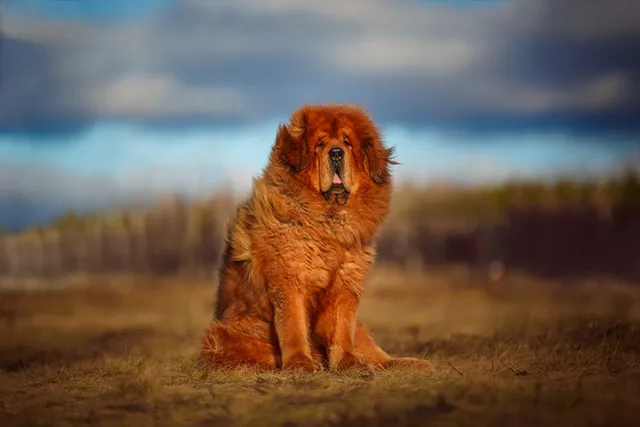
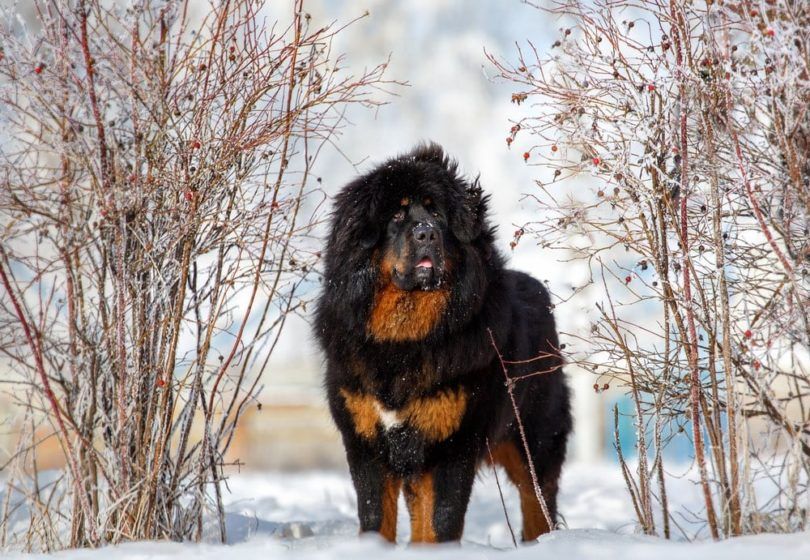
Hailing from the Himalayas, Tibetan Mastiffs are big, strong, and ready to rumble. They are praised for their fearless, protective character, imposing stature, and loyal nature. Often dubbed the guardian dog supreme, Tibetan Mastiff is highly aggressive against uninvited guests and aloof with strangers. That said, this beast has a sweet, loving personality and creates a strong bond with its human parents.
It’s not easy to train these dogs, though: they can be very stubborn at times. On top of that, Tibetan Mastiffs drool a lot and are prone to a wide range of medical conditions. So, should you adopt this dog or not? What are the advantages and disadvantages of owning a Tibetan Mastiff? We have the answers right here!

The 8 Pros of Owning a Tibetan Mastiff
Thinking about adopting a Tibetan Mastiff? Then you probably want to know whether it’s the right choice for you or not. We’re happy to say that there are quite a few pros of being a parent to this furry giant. First, it means business and can serve as a brick wall against outsiders. Next, the Tibetan Mastiff is loyal, smart, and easy to maintain. Here’s a closer look at the biggest pros of owning one of these dogs:
1. Exceptional Guardians
Tibetan Mastiffs are much bigger than the average doggo yet quite agile and flexible for their size. They do a fantastic job of scaring intruders and predators away by growling, barking, and marking territory. Raised by Tibetan Monks for one single purpose—to serve as guardians—they are the ultimate protectors. A male Tibetan Mastiff can reach 150 pounds in weight and 26 pounds in height.
And, thanks to its dominant, aggressive demeanor, this dog commands respect from other dogs and humans. Tibetan Mastiffs have a very loud, scary bark and like to walk around the property to keep everything under control. Since they’re not particularly fast, patrolling helps them stay on top of things.

2. Very Loyal and Devoted
Loyalty is something that all pet owners look for, and you’ll get plenty of that with Tibetan Mastiffs. This is why they are so good at guarding duty: Tibetan Mastiffs don’t want to disappoint their owners or let anything bad happen to them. Also, they are a great pick for seniors. Their faithful, protective nature is what many elderly pet parents are looking for in a fluffy companion. Once you create a bond, it’s for life!
3. Low Grooming Needs
Just like most large dogs, Tibetan Mastiffs have a heavy bone structure, a short, low-set tail, drooping ears, and a larger-than-average skull. More importantly, Tibetan Mastiffs have short coats and shed moderately. They do blow heavily once a year, though (late spring or early summer), and when that happens, daily brushing will be mandatory. Other than that, two brushing sessions per week and a groomer visit once in two months will suffice.

4. They Catch on Quickly
This breed doesn’t only have the body of a giant but also a bright, witty mind. In contrast to some dogs, the Tibetan Mastiff doesn’t need you to repeat a single command/trick a dozen times before it catches on. And, with the right approach (lots of positive reinforcement and mental stimulation), you can turn the training sessions into a fun game.
This is important: Tibetan Mastiffs don’t need treats to deliver their A-game. On the one hand, that’s great news, as you won’t have to rely on snacks to train the doggo. However, this also means you’ll have to find other ways to motivate it. This furry bud will happily follow your command, but only if you have a strong bond and the dog trusts you.
5. Housebreaking Takes Little Effort
Tibetan Mastiffs are not only intelligent but also independent (and sometimes stubborn), and for this reason, they are very easy to potty train. Of course, if it’s a pup, you’ll have to put some effort into it, but an adult Tibetan Mastiff will be quick to use the “restroom” without any encouragement or on your side. And if you live on a property, the dog will happily do its business outdoors.
Some pets take months of persuasion and bargaining to stop relieving themselves in the middle of the living room. Well, that won’t be a problem with a Tibetan Mastiff!

6. An Expensive, Yet Rare Breed
Compared to the most popular dogs in the US, Tibetan Mastiffs aren’t exactly cheap. While an adoption center might be willing to hand you over a Tibetan Mastiff pup for $100–$500, a certified breeder will charge at least $2,000–$3,000. The initial setup, supplies, and monthly bills tend to be substantial as well. Why are we talking about this in the pros and not the cons, then?
Tibetan Mastiffs are a very rare breed. So, if you’re ready to commit to it physically, mentally, and financially, you’ll become the proud owner of a pet that grabs attention and turns heads. The four-legged superstar might even gather a loyal following and have folks asking for permission to hug it or take photos. That’s quite a pro!
7. Affectionate But Not Clingy
Creating a bond with a big, bulky, and imposing dog like the Tibetan Mastiff feels amazing! It has a sweet, caring heart and will do everything in its power to protect you. With that, it’s not at all clingy. While separation anxiety is certainly a thing for Tibetan Mastiffs, if you allocate an hour or two for this gentle beast, that will be more than enough to keep it happy. The dog will spend the rest of the day minding its business.

8. Low-Energy Pets
Are you a busy person who doesn’t have the time for a needy pet? Then you should consider adopting a Tibetan Mastiff! True, this dog does need its daily dose of exercise, but we’re not talking about hours of playing tug-of-war, learning new tricks, or running a marathon. Besides, Tibetan Mastiffs aren’t big fans of playing fetch, by the way. Instead, they like simple walks or strolls around the property.
A quick note: these loyal companions don’t tolerate heat and prefer not to waste their energy on anything. They conserve it for situations when it’s really needed (like an intruder trying to break in). That’s why it’s not recommended to put a Tibetan Mastiff through excruciating exercises. It will only hurt the dog’s muscles and joints.

The 6 Cons of Tibetan Mastiff Ownership
Alright, with the pros out of the way, it’s time to talk about the disadvantages of having a Tibetan Mastiff as your pet. As large dogs, they are prone to certain health issues; plus, they drool and bark a lot. More importantly, if they lack early socialization, Tibetan Mastiffs will be stubborn, instinctual, and show aggression toward potential threats. Read on to learn about the most significant downsides and how to handle them:
1. Not Welcoming Toward Strangers
Tibetan Mastiffs are extremely territorial, and that makes them outstanding guardians. However, this personality trait also has one big downside: Tibetan Mastiffs tend to be aggressive toward strangers. These dogs are not violent by nature, but if they lack a “social life” and haven’t had much interaction with fellow dogs, other pets, or humans, you will witness sudden bursts of aggression.
For example, if you’re having some people over, the dog might recognize them as intruders! The best way to avoid that is to adopt a pup and train it to be friendlier toward outsiders. Early socialization can make these mighty giants more trusting and less aggressive.1 And if you raise a Tibetan Mastiff with another dog or even a cat under the same roof, there’s a very good chance those pets will turn into best friends.

2. Drooling Can Be a Problem
Tibetan Mastiffs aren’t the champions of drooling, and that’s the good news. The bad news is—they can still make a mess of your carpet or furniture by slobbering. So, how do you handle this problem? First, try brushing the dog’s teeth a bit more often. Next, pay a veterinarian a visit. Chances are, sialorrhea (hypersalivation) is caused by various gum diseases, GI disorders,2 bad teeth, infections, or even depression/anxiety.
When left untreated, these health issues often lead to serious medical conditions. Therefore, the sooner you visit a vet, the better. If you had the dog checked by an animal doctor thoroughly, yet it’s drooling like there’s no tomorrow, you can still keep the situation under control. Here’s how you do it:3
3. Loud, Scary Bark
This is a great “feature” for a watchdog, as it can instantly alert the owner of potential danger. On the downside, the loud bark also means the dog will cause an inconvenience for your neighbors. And while that’s not a big deal on private property, a vocal pet can quickly lead to trouble with the law if you live in an apartment.
4. Instinct Over Authority
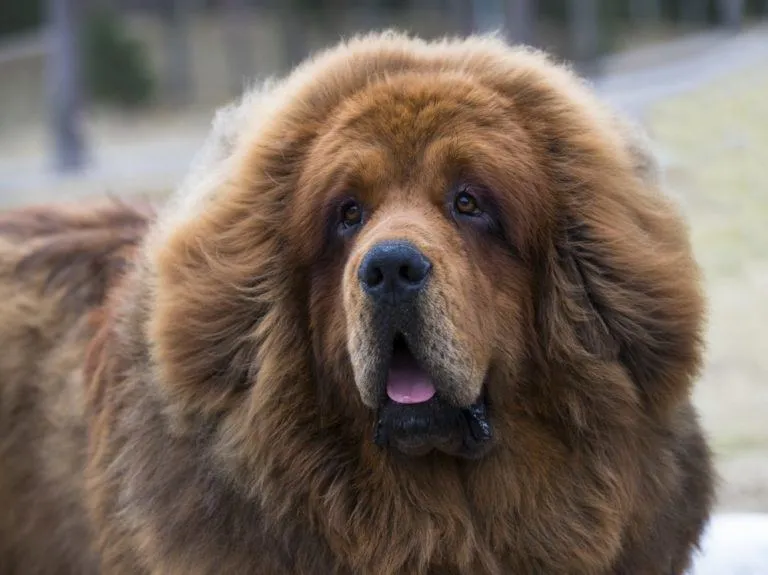
As mentioned, Tibetan Mastiffs are incredibly loyal and smart but can be stubborn. They get bored quickly and aren’t at all reliable: don’t expect them to perform the same tricks on command. Also, sometimes, instincts take over and the dog becomes uncontrollable, turning a single walk back home into one big adventure. Thus, training a Tibetan Mastiff isn’t an easy task. The most effective solution here is, again, early socialization.
5. Heavier Than Most Dogs
If you have kids, think twice before adopting a fully-grown Tibetan Mastiff. While Tibetan Mastiffs can be patient, they don’t like to be messed with. And unfortunately, the line between having fun with the dog and irritating it is very blurry for children. Besides, even if the pet doesn’t mind the company, it might still accidentally hurt the little ones (or break some expensive stuff).
The same goes for other, much smaller pets like a toy doggo or a cat. Another big downside: you’ll have to be very strong to “handle” a Tibetan Mastiff. The average person will have a very hard time trying to carry it in their arms. Tibetan Mastiffs eat a lot, too (which equals extra expenses), and don’t feel happy in a small crate.

6. Big Dog Health Issues
To clarify: for a large dog, the Tibetan Mastiff is quite healthy. However, compared to some of the smaller breeds, it does have a slightly longer list of potential risk issues. For starters, the Tibetan Mastiff only lives for 10–12 years (compared to the 16-year lifespan of a Border Collie, Pomeranian, or Shih Tzu). And here’s a quick look at the most common conditions:
- Dysplasia. Do you feel like the Tibetan Mastiff is limping when walking/running? This could be caused by hip or elbow dysplasia, a condition that mostly strikes large dogs. How do you cure it? With a proper diet and exercise, of course. In the worst-case scenario, surgery will be the only option.
- Entropion. This abnormality causes the eyelid to roll in and grow inward, rubbing against the dog’s eye. Entropion results in dry eyes, bad vision, tears, and infections. Luckily, it can be fixed via a relatively simple surgical correction. Ectropion (when the lids roll out) is treated with surgery as well.
- Cataracts. Older Tibetan Mastiffs are prone to cataracts: a condition that makes them blind. With luck, animal doctors should be able to bring the dog its sight back. If not, many senior Tibetan Mastiffs can still function and live happy lives without vision. They have excellent hearing and a sense of smell to compensate for that.
- Dental Diseases. All dogs benefit from having their teeth brushed and cleaned, but Tibetan Mastiffs are more susceptible to various dental diseases. If you let their teeth go bad, that will affect the pet’s liver, kidneys, and even heart. More than that, the Mastiff will lose most of its teeth and the gums will get infected.
- Hypothyroidism. When the pet’s body doesn’t have enough thyroid hormones, it will lose its appetite yet gain weight. Other side effects include lack of energy/activity and mental issues. Hypothyroidism is treatable, though. Your veterinarian will recommend the right medication for the canine citizen.
- Parasites/Infections. To help the four-legged bud avoid rabies and parvo (and other common infections), keep the dog vaccinated. As for fleas, ticks, and other parasites, regular veterinary inspections are the best remedy. Again, let the vet pick the right preventative meds for a Tibetan Mastiff.
- Obesity. Tibetan Mastiffs aren’t the only dogs that gain weight, of course, but, as a large breed, they are prone to obesity. It’s up to you to choose the right food for the doggo, keep its treats to a minimum, and exercise with it daily to keep the Tibetan Mastiff in shape and healthy.

In Conclusion
If you’re looking for a devoted, capable, and intimidating guardian for the family, the Tibetan Mastiff will be a great choice. Despite the imposing size, this is a calm, low-maintenance dog. It’s not at all clingy yet incredibly loyal to the people that it trusts. Intruders, in turn, will have to think twice before they face this giant out in the open!
Today, we talked about the biggest pros and cons of owning a Tibetan Mastiff. Now, while there are, indeed, obvious downsides to adopting the Tibetan Mastiff (they’re heavy, suffer from various diseases, and can be headstrong), the pros strongly outweigh the cons. Very few breeds are as faithful, protective, and intelligent as these sweet giants!
Sources
Featured Image Credit: Tatyana Kuznetsova, Shutterstock
Expert dog care, straight to your inbox
News, insights, expert advice, and everything dog.

No spam — unsubscribe anytime.
By signing up, you agree to our Terms & Conditions and Privacy & Cookies Policy.
How useful was this post?
Click a star to rate. You can leave written feedback afterwards. (We read all feedback.)
Nicole has loved animals of all sizes her whole life so it's no wonder she has dedicated her career to helping them through what she loves best: learning, writing, and sharing knowledge with others. She’s the proud mom of two dogs, a cat, and a human. With a degree in Education and 15+ years of writing experience, Nicole wants to help pet parents and pets around the planet to live happy, safe, and healthy lives.