In this article
The Rhodesian Ridgeback and the Black Mouth Cur are remarkable dog breeds with unique qualities and traits. While the Rhodesian Ridgeback is a loyal companion, the Black Mouth Cur is a versatile and hardworking breed that brings energy and enthusiasm to every endeavor.
The Rhodesian Ridgeback and Black Mouth Cur can both be excellent choices for most households, especially if the environment is active enough to meet their physical needs. But before deciding which dog best fits your home, it is essential to understand their qualities to make a more solid decision.
Whether you are drawn to the regal presence of the Rhodesian Ridgeback or the versatility and enthusiasm of the Black Mouth Cur, it is essential to do your research and choose the breed that best fits your lifestyle.
This article will compare these two dogs to help you make the right choice.

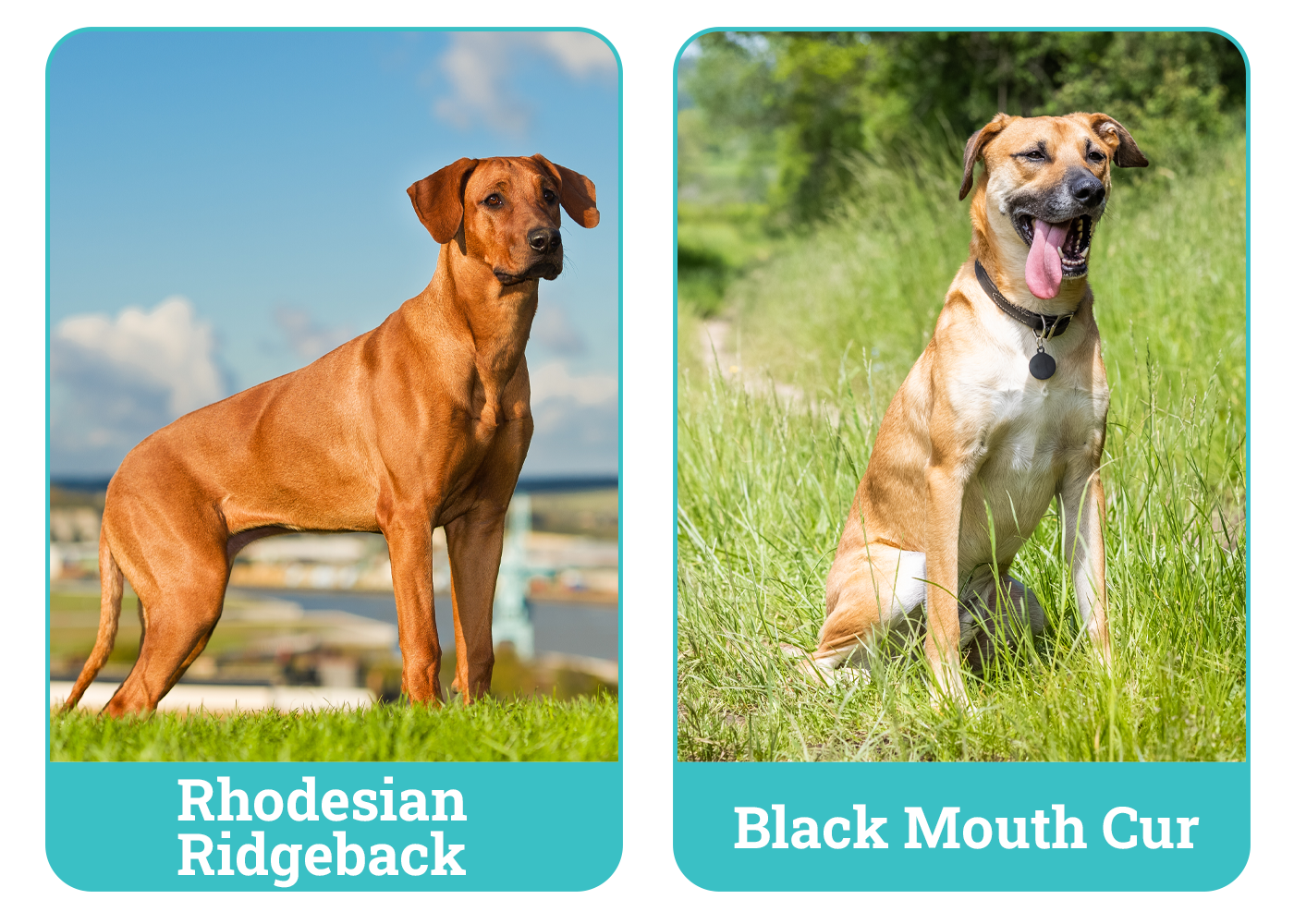
Rhodesian Ridgeback vs. Black Mouth Cur: Visual Differences
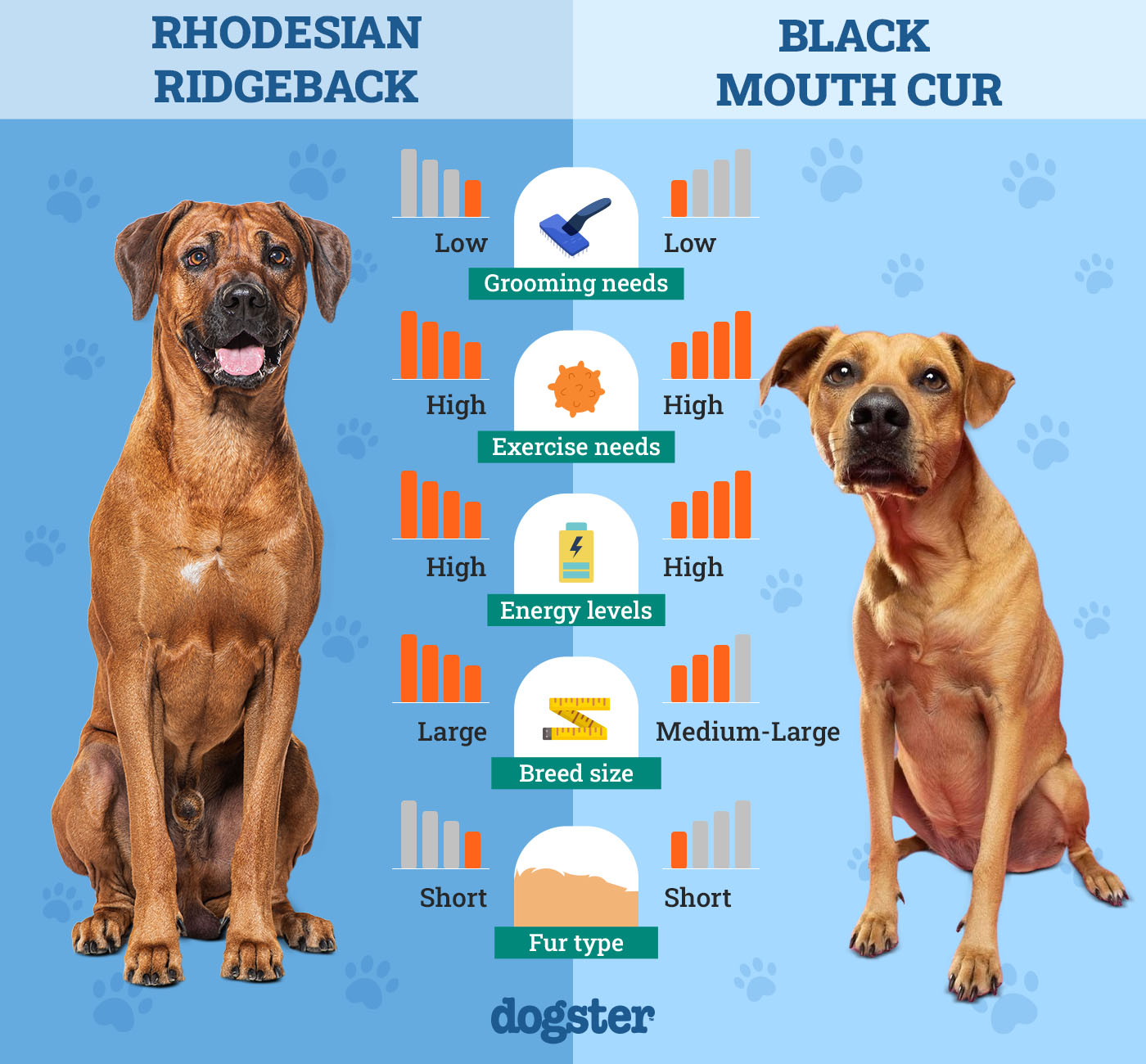
At a Glance
- Average height (adult): 25–27 inches
- Average weight (adult): 70–85 pounds
- Lifespan: 10–12 years
- Exercise: 1+ hours a day
- Grooming needs: Low
- Family-friendly: Yes
- Other pet-friendly: Yes
- Trainability: Intelligent, obedient, and eager to please
- Average height (adult): 18–26 inches
- Average weight (adult): 45–90 pounds
- Lifespan: 12–15 years
- Exercise: 2+ hours a day
- Grooming needs: Moderate
- Family-friendly: Yes
- Other pet-friendly: Yes
- Trainability: Intelligent, can be stubborn, and eager to please

Rhodesian Ridgeback Overview

The Rhodesian Ridgeback is a majestic and athletic breed originating in Southern Africa. Bred by the indigenous Khoikhoi and European settlers, these dogs were developed to excel in big game hunting, tracking, and guarding. Their distinctive feature, the ridge of hair along their back, was selectively bred for and serves as a testament to their ancestry.
Appearance
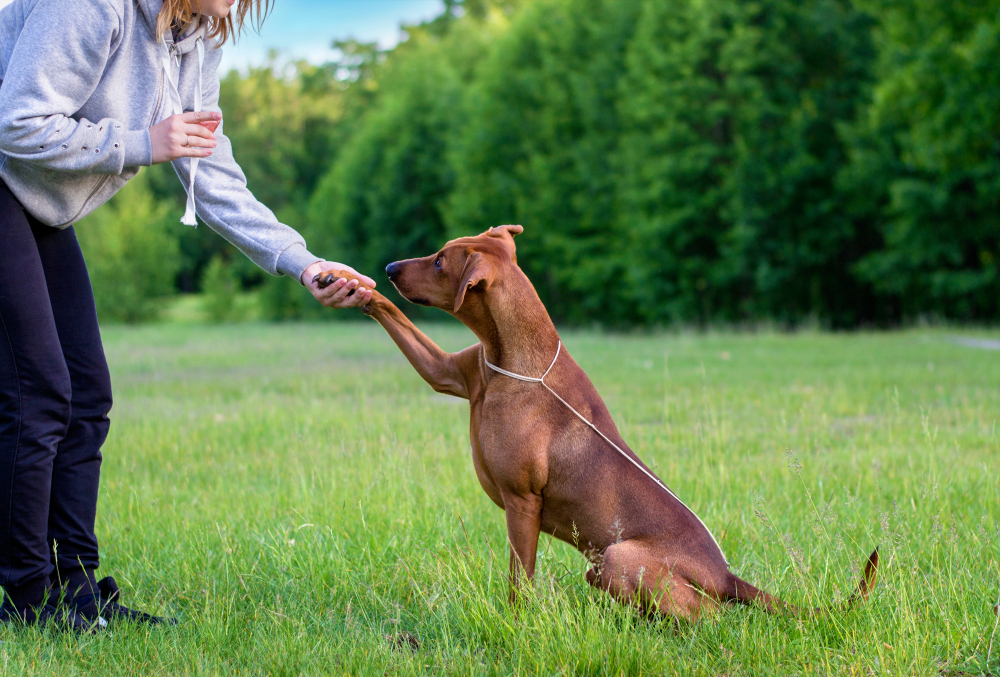
The Rhodesian Ridgeback is a strong and well-muscled dog. They have a large build, with males being larger, and stand between 25 and 27 inches at the shoulder. The average weight of an adult dog ranges from 55 to 80 pounds.
One of the most notable features of the Rhodesian Ridgeback is the ridge of hair that runs along their back in the opposite direction of the rest of their coat, creating a distinctive and unique pattern.
Their head is powerful and balanced, with a flat skull and a well-defined stop. These dogs have strong jaws and depending on their coat color, black or brown noses. Their eyes are round, bright, and expressive and come in shades of amber or light to dark brown. Their medium-sized ears are set high and carried close to the head.
They are moderate shedders owing to a short, dense coat that appears sleek and glossy. The coat comes in various colors, from light wheaten to red wheaten.

Personality/Character
Rhodesian Ridgebacks are intelligent, confident, and independent dogs. They are known for their dignified and calm demeanor, balanced with a strong protective instinct. They are loyal and devoted to their families, making them excellent guardians.
While they are generally good with children and other pets when properly socialized, their hunting background may result in a higher prey drive and caution around unfamiliar animals. Rhodesian Ridgebacks require early socialization and consistent training to channel their instincts appropriately.
Training
With their intelligence and eagerness to please, Rhodesian Ridgebacks are generally receptive to training. They thrive in an environment that offers positive reinforcement, consistency, and firm but gentle guidance.
Early and ongoing socialization is essential to ensure that they develop into well-mannered and well-adjusted dogs.
As they possess a strong will and independent streak, consistent training and a confident handler are necessary to establish boundaries and reinforce obedience.
Health & Care
Rhodesian Ridgebacks are generally a healthy and robust breed. However, they are prone to certain health conditions, including:
- Dermoid sinus
- Hip dysplasia
- Elbow dysplasia
- Hypothyroidism
- Progressive retinal atrophy (PRA)
Consider regular veterinary visits to keep your dog healthy and ensure that these issues don’t plague their life. It also helps to keep your dog engaged in proper exercise and offers them a balanced, highly nutritious diet.
Breeding
Breeding Rhodesian Ridgebacks should be approached responsibly and with careful consideration. Many responsible breeders understand the need to prioritize the dog’s health, temperament, and preservation of the breed’s unique characteristics, so they conduct health screenings on their breeding stock and ensure proper socialization of the puppies. You should seek reputable breeders who provide the necessary documentation and support and follow ethical breeding practices.
Suitable For:
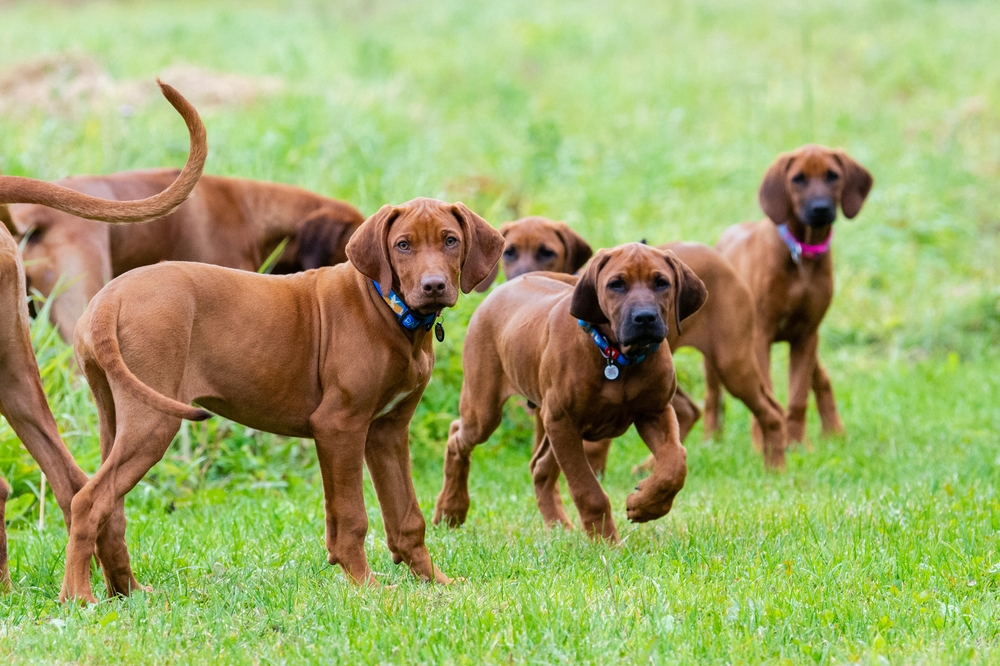
Rhodesian Ridgebacks are best suited for active individuals and families. They thrive in environments where they receive regular physical exercise and mental stimulation. Their loyalty and protective nature make them great companions and watchdogs.
This breed generally gets along well with children and other pets when properly socialized. However, due to their size and strength, supervision is recommended when interacting with smaller children or animals.
- Intelligent, loyal, and protective
- Well-suited for active individuals or families
- Dignified and calm temperament
- Low grooming needs
- Can suit various roles, including companion, guardian, and working dog
- Requires early socialization and consistent training
- Can be independent and strong-willed
- May exhibit a higher prey drive and caution around unfamiliar animals
- Prone to certain health conditions like hip dysplasia and eye problems
- Requires regular exercise and mental stimulation
Black Mouth Cur Overview

The Black Mouth Cur is a versatile and hardworking breed originating in the Southern United States. While they are not recognized by the American Kennel Club, these dogs are renowned for their intelligence, agility, and loyalty and are popular hunting, herding, and family dogs.
Appearance
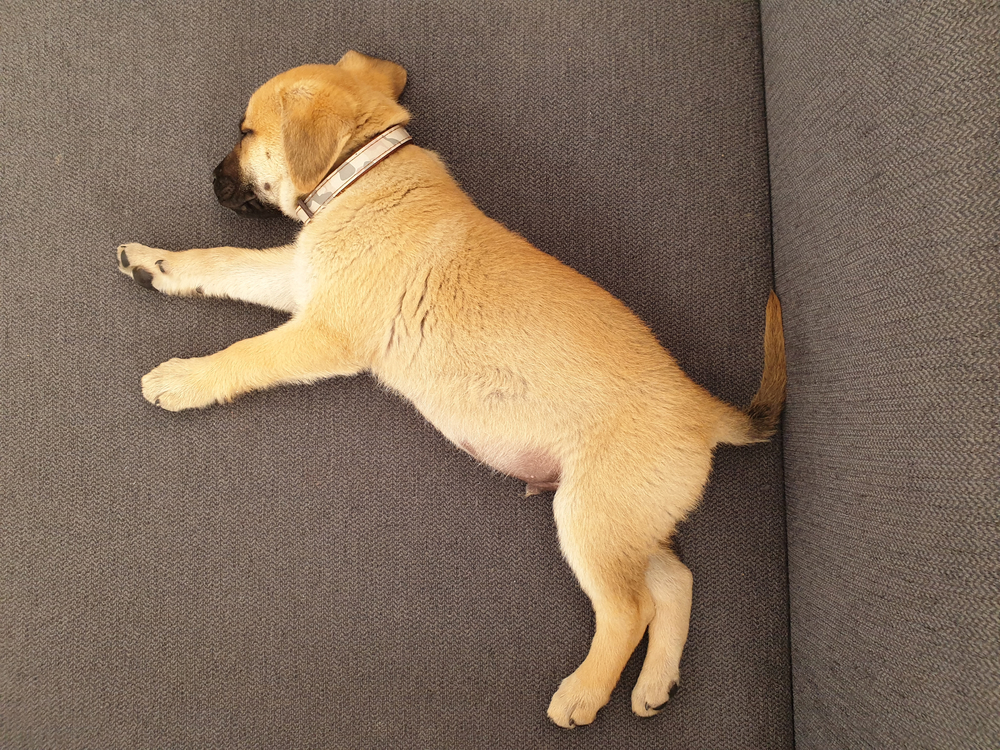
The Black Mouth Cur is a striking and rugged breed with a distinctive appearance that reflects their working heritage. These dogs have well-muscled and athletic bodies that display strength and agility. They have a medium to large build, with males typically standing between 21 and 26 inches at the shoulder and females ranging from 16 to 23 inches. The average weight of an adult Black Mouth Cur ranges from 45 to 80 pounds.
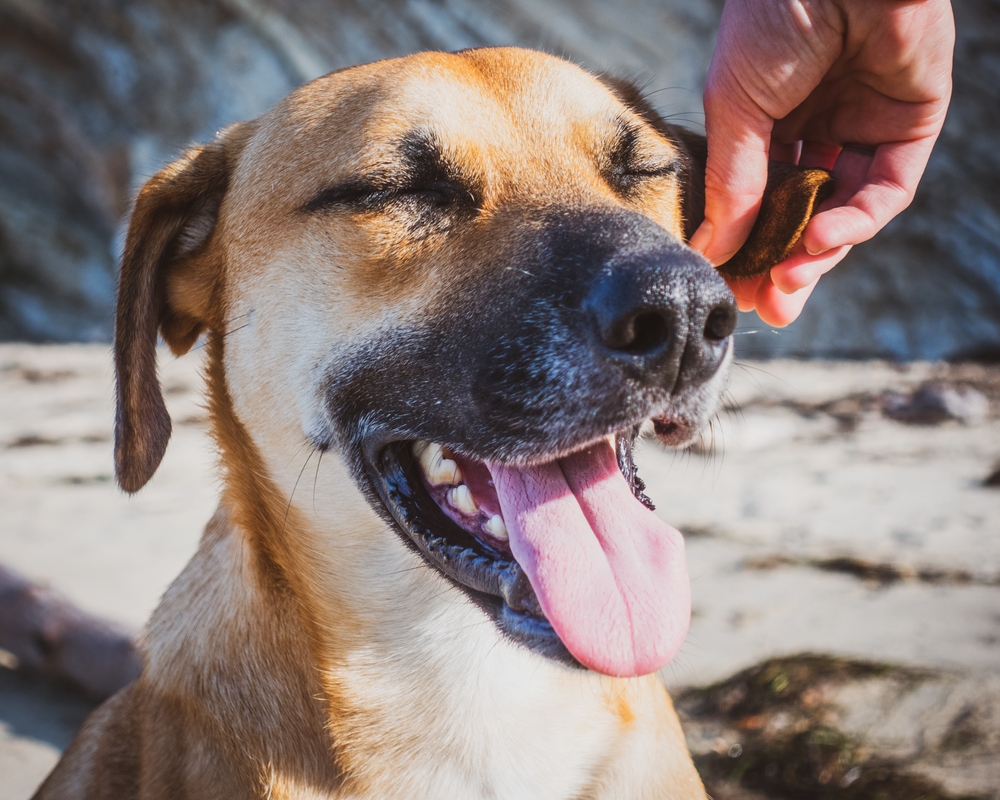
They have a wide skull and a moderately defined stop. Expect to see strong jaws and a black or dark brown nose. The eyes are medium-sized and alert, usually in shades of brown or hazel. The ears are medium to large, set high on the head, and can be either drop or semi-erect.
The Black Mouth Cur has a short and dense coat that is straight or slightly wavy. It comes in various colors, including yellow, red, fawn, or brindle, often with a distinctive black muzzle and mask. Some individuals may also have white markings on the chest and feet.
Personality/Character
Black Mouth Curs are known for their powerful and courageous personality.
They have a strong work ethic and instinct to protect their family and territory. These dogs are also highly intelligent and loyal, making them dedicated and dependable companions.
All this breed requires is proper socialization and training, and you will have a friendly, gentle, and affectionate dog that can live well around anyone, including children. However, their protective nature may make them reserved or cautious around strangers, so early socialization is vital.
Training
Training a Black Mouth Cur requires a patient and consistent approach. While they are intelligent, these dogs have an independent streak. They respond well to positive reinforcement techniques and fair, firm handling.
Early socialization is crucial to ensure they grow into well-rounded and well-behaved companions. Expose them to various environments, people, and animals to build their confidence and teach appropriate behavior.
Mental and physical stimulation are also essential to keep your Black Mouth Cur engaged and prevent boredom. Therefore, incorporate obedience training, puzzle toys, scent work, and agility exercises into their routine. Keep training sessions short and frequent to maintain their focus and prevent them from becoming bored or frustrated.
Consider seeking professional training assistance or enrolling your Black Mouth Cur in obedience classes. Working with a skilled dog trainer can provide guidance, structure, and socialization opportunities in a controlled environment. They can help address specific training challenges and ensure that your animal becomes a valuable member of your family.
Health & Care
Black Mouth Curs tend to be generally healthy dogs, but like any breed, they can be prone to certain health concerns. The common ones include:
- Hip dysplasia
- Elbow dysplasia
- Progressive retinal atrophy (PRA)
- Allergies
- Demodectic mange
These are best handled through regular veterinary check-ups, proper nutrition, exercise, and preventive care. Breeders should also conduct health screenings and genetic testing to minimize the risk of these conditions.
Breeding
Breeding Black Mouth Curs should be approached with careful consideration and responsibility.
Breeders should prioritize the breed’s health, temperament, and working abilities by performing health screenings on their breeding stock. This will prevent the health problems, such as hip and elbow dysplasia and ear infections, associated with poorly bred Black Mouth Curs.
You should always seek reputable breeders who prioritize the well-being of their dogs and provide appropriate documentation and support throughout the process.
Suitable For:
The Black Mouth Cur is well-suited for active individuals or families who can provide the physical exercise and mental stimulation this breed requires. They are loyal and protective and make excellent watchdogs and family guardians. Their intelligence and versatility also make them suitable for various roles, such as hunting, herding, and search and rescue.
Due to their highly energetic nature, the Black Mouth Cur requires regular exercise to stay healthy. Therefore, only consider owning one if you live an equally active lifestyle.
- Intelligent and quick learner
- Loyal and protective of their family
- Versatile and adaptable
- Affectionate and eager to please
- Can be stubborn and require firm, consistent training
- Has high energy levels
- Can be reserved or cautious around strangers
- May exhibit a high prey drive and chase smaller animals
Rhodesian Ridgeback vs. Black Mouth Cur: Which Breed Is Right for You?
Choosing the perfect dog breed for your lifestyle requires careful consideration.
The Rhodesian Ridgeback is an excellent choice for individuals or families who lead a moderately active lifestyle and can provide at least 1 hour of daily exercise. They are loyal and independent and possess a calm temperament, making them ideal for those seeking a protective companion.
They also have low grooming needs and are well-suited for individuals who appreciate a low-maintenance dog.
The Black Mouth Cur thrives in more active households that can commit to at least 2 hours of exercise per day. They are intelligent but stubborn, making them suitable for experienced dog owners who can provide consistent training.
If you decide to go with this dog, note that early socialization is critical in getting them to live harmoniously with children and other pets. Their moderate grooming needs and versatility in various working roles, such as hunting and herding, make them an excellent choice for those seeking an adaptable, intelligent, and active companion.
Related Reads:
- Rhodesian Ridgeback vs. Vizsla: Main Differences (With Pictures)
- Do Ostriches Bury Their Heads in the Sand? What You Need To Know!