Is a Bernese Mountain Dog Hypoallergenic? The Interesting Answer!


In this article
Bringing a dog into your home not only requires a lot of preparation but also comes with a lot of questions. Physical size, activity levels, and grooming needs all need to be taken into account. In recent years, there has also been a lot of interest into whether breeds are hypoallergenic, particularly among people who suffer from dog allergies.
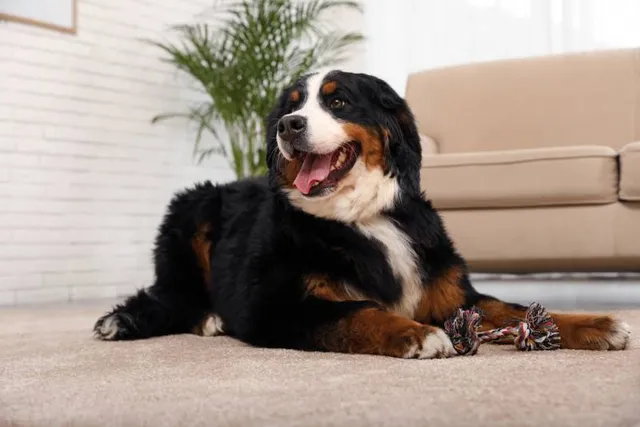
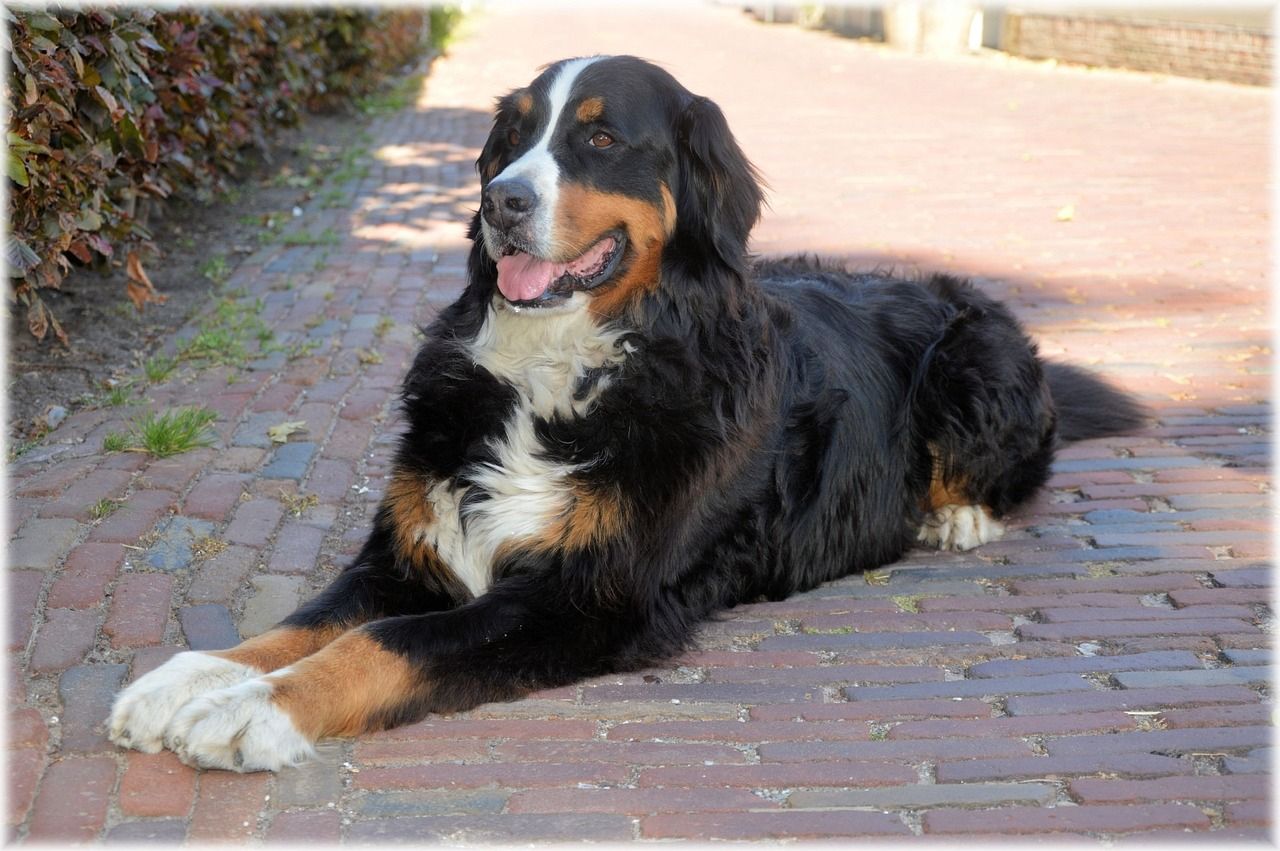
One dog breed that is hard to resist is the Bernese Mountain Dog. Not only are these dogs gorgeous, but they love the outdoors, do well in the cold, and are loyal companions. But is a Bernese Mountain Dog hypoallergenic?
The answer to that question is no, the Bernese Mountain Dog isn’t hypoallergenic. In fact no dog is 100 % hypoallergenic as all dogs, including hairless and low-shedding breeds, produce allergens. Let’s learn more about the Bernese Mountain Dog, their luscious coats, and what hypoallergenic means in the dog world.

Meet the Bernese Mountain Dog

Before we dive into allergies and the word hypoallergenic, let’s first learn about the dog in question. The Bernese Mountain Dog was brought to Switzerland over 2,000 years ago by the Romans and was created by crossing breeds of Mastiffs with guard-type dog breeds. The breed’s name comes from the area of Switzerland where they originated, the Canton of Bern.
The Bernese is one of four dog breeds in Switzerland known for their tri-colored coats. What sets the Bernese apart from the others, however, is the length of their coats.
Originally, these dogs were used as typical farming dogs. They helped keep the cattle herded and protected from other animals. Their size and strength also made them ideal for pulling carts and transporting farming goods like milk when horses weren’t an option. As other dog breeds made their way to Switzerland, the Bernese Mountain Dog became less popular.
Luckily, the breed wasn’t forgotten. In 1907, the first specialty club for this breed was created and helped their numbers rise again. In 1926, the breed made its way to the United States, where it was recognized by the American Kennel Club a few short years later in 1937.
The Truth About Hypoallergenic Dogs

We’ve all heard certain dog breeds be called hypoallergenic. Unfortunately, that simply isn’t the case. While some dog breeds may provoke less allergic signs than others, no dog is truly hypoallergenic. How hypoallergenic a dog is depends on the individual dog and person.
This is because the proteins most people with dog allergies react to are found in saliva, urine, and pet dander. There are currently eight different proteins that have been found to cause allergies (Can f 1-Can f 8). Allergy sufferers can be allergic to one or several allergens, with Can f 1 affecting the highest percentage of allergic people. So while most of us instantly think that hair is the culprit for allergies, it isn’t the real problem. Allergens will still be present even in hairless breeds, but when fur is shed it spreads the allergens more widely to your carpet, clothes, and other parts of the home. It’s even in the air. That’s what triggers the allergic reactions.
Hypoallergenic dogs, as they are labeled, aren’t free of allergens. What sets these dog breeds apart is generally their lowered shedding levels. If a dog breed doesn’t shed as often or as much, fewer allergens are being released into the air and around the home from the loose hairs and dander.
Bernese Mountain Dogs and Allergies

So do Bernese Mountain Dogs ever make it onto lists of dog breeds less likely to trigger allergies? Unfortunately not. These are large dogs with a thick double coat made for cold conditions. They shed all year round with a peak in the spring and fall during shedding seasons as their coats adjust to changing weather.
Research has shown that people who have dog allergies may not be allergic to all dogs. For example, one of the allergenic proteins, Can f 5 , is only produced in the prostate gland of male dogs. So, for a small proportion of allergy sufferers who only react to this one specific protein they may find female Bernese Mountain Dogs (and other female dogs) do not trigger their allergies.
Because different allergy sufferers may react to different combinations of proteins, and different dogs can produce different amounts of the various proteins, allergic responses are unpredictable. But as Bernese Mountain Dogs do shed a lot of hair and dander into their environment, they are not considered to be a breed that is hypoallergenic.
Tips to Help Bernie Owners with Allergies
If you own a Bernie that you react to, let’s take a look at a few tips to help you and your Bernie co-exist and reduce allergy flare-ups. This should make life easier for you, and of course, be better for your health.
1. Bathing and Grooming
Bathing and grooming help reduce the amount of hair and dander around your home. You can bathe your dog using a dog friendly shampoo approximately every 4 weeks. Speak to a veterinarian on the best bathing schedule for your dog, as excessive bathing can make their skin dry and itchy.
Regular brushing outside (daily during shedding season) will also reduce the amount of shed fur floating around your home. This should ideally be done by a non-allergic family member, but if you need to do the grooming yourself, consider wearing a face mask and gloves when you brush.
2. Keep the Dog Off Your Furniture
It may be hard to accomplish, but keeping your Bernese Mountain Dog off the furniture—and especially your bed—is very important for the control of your allergies. This will reduce your interaction with the dander and allergens. If possible, you may even want to keep your bedroom a dog-free zone for your health.
3. Change Your Air Filters
If you’re an allergy sufferer, you already know the importance of keeping your air filters changed regularly. This routine should increase when you bring a dog into the equation. You’ll keep the air in your home clearer. Also, consider using allergy-reducing HEPA filters to remove more pet dander and allergens.

4. Clean Regularly
Vacuuming and cleaning regularly can make life with a dog easier. If you have the option, hardwood floors are better than carpets. Unfortunately, carpets hold pet dander and allergens more. If you do have carpets in your home, vacuum them daily and even clean them regularly to reduce the allergens you’re exposed to.
5. Talk to Your Allergist
You should speak to your health professional for medical advice specific to your situation, they know the extent of your allergies and what therapy will be right for you.
Conclusion
It’s clear to see the Bernese Mountain Dog is an incredible dog but they are not a low-shedding breed and are not considered hypoallergenic. The truth is every dog can produce allergens, and while low-shedding breeds may cause less problems for allergy sufferers, there are a number of variables that make predicting allergic responses tricky.
If you are experiencing allergic symptoms to your Bernie, speak to your healthcare professional for advice. Regular grooming, cleaning the house and HEPA air filters can all help reduce pet allergies.
Featured Image Credit: PublicDomainPictures, Pixabay
Expert dog care, straight to your inbox
News, insights, expert advice, and everything dog.

No spam — unsubscribe anytime.
By signing up, you agree to our Terms & Conditions and Privacy & Cookies Policy.
How useful was this post?
Click a star to rate. You can leave written feedback afterwards. (We read all feedback.)
Melissa was born and raised in the mountains of East Tennessee where she spent her time writing in an old notebook and playing outside with her pets. As an avid animal lover, she has brought many into her home over the years. Currently, she is the mom of 5 fur babies. Her 2 cats, Princess and Pepper are total opposites who demand attention. Her dogs Jazzy, Whitey, and Demon are full of spunk and keep the entire family on their toes.
Beyond life as an animal mom, Melissa is a dedicated wife and mother to 2 children. Writing in her old notebook led her down the path of becoming not only a freelance writer but a published Indie author under the pen name, Rena Marin.