How Big Will Portuguese Water Dogs Get? Vet-Reviewed Growth Chart & Overview


In this article
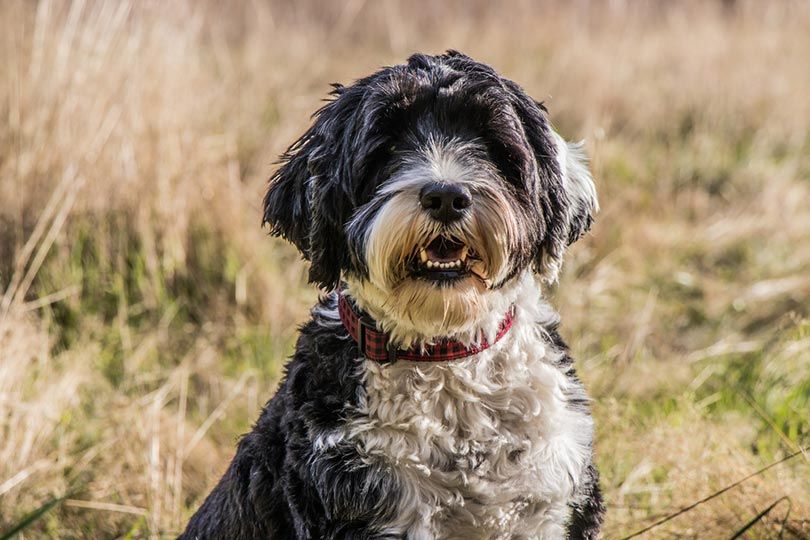
The Portuguese Water Dog is a lively, well-mannered, and high-energy working dog. The breed was made even more popular when President Obama's family introduced their two Porties, Bo and Sunny, into the US White House.
Portuguese Water Dogs have a long history as working water dogs and were originally bred to assist Portuguese fishermen. If you plan on taking one in as a companion, it’s nice to know how big they will get, when they'll stop growing, and how to measure and ensure optimal growth. As adults, they typically weigh around 35–60 pounds and stand about 17–23 inches tall, depending on sex and genetics.
Keep reading to learn about the Portuguese Water Dog's physical characteristics, growth patterns, and size variation between sexes.

Portuguese Water Dog Breed Overview
Portuguese Water Dogs are burly canines with a thick, curly coat and low shedding qualities. They were initially bred on Portugal's coast. Since their working days, they have been kept as pets due to their positive traits and characteristics.1 They're excellent companions for many households, including those with small children, and will thrive if a pool, pond, or beach is nearby.
They're intelligent and can skillfully perform water-based activities such as hunting and rescue efforts. As a working dog, they need plenty of daily exercise and activities to be physically and mentally healthy. A securely fenced area can help prevent roaming and provide a safe space for exercise, though regular activity and supervision are still important.
Water dogs have an independent streak, but they prefer their owner's company; loneliness can cause separation anxiety. If left alone for long periods, they may exhibit destructive behavior such as scratching, digging, and chewing if stressed.

Portuguese Water Dog Size and Growth Chart
The Portuguese Water Dog is a medium-sized breed that weighs between 35 and 60 pounds and reaches 17 to 23 inches in height. While most Portuguese Water Dogs reach their full physical maturity around 2 years of age, they continue to grow and will reach adult height by the time they're around 18 months old.
Male Portuguese Water Dogs are heavier than females on average, as they can grow to between 42 and 60 pounds compared to their counterparts' 35 to 50 pounds. A male Portie will typically stand around 20 to 23 inches, while a female can only be as tall as 17 to 21 inches.
Here's a table comparing the ages of Portuguese Water Dogs and their weight and height ranges. However, please note that this growth chart provides estimated size ranges for Portuguese Water Dogs and should only be used as a general guide. Individual dogs may grow at different rates depending on genetics, sex, nutrition, activity level, and overall health. Some dogs may naturally fall outside these ranges and still be perfectly healthy. If you have concerns about your dog’s growth or body condition, consult your veterinarian for personalized advice.
| Age | Weight Range | Height Range |
| 2 months | 10–15 pounds | 8–11 inches |
| 4 months | 20–30 pounds | 12–16 inches |
| 6 months | 30–40 pounds | 15–18 inches |
| 8 months | 35–45 pounds | 16–20 inches |
| 12 months | 40–55 pounds | 17–22 inches |
| 14 months | 42–58 pounds | 17–23 inches |
| 16 months | 42–60 pounds | 17–23 inches |
| 18 months | 35–60 pounds | 17–23 inches |
When Does a Portuguese Water Dog Stop Growing?
A Portuguese Water Dog will reach adult size by the time they're 18 months old, but they can take at least 2 years to achieve maximum weight. They are relatively fast-growing dogs, though individual growth rates can vary.
After 6 months, your teenage Portuguese Water Dog will start filling out and gaining muscle mass, weight, and height. During this stage, regular vet checkups and a balanced, nutrient-rich diet are important to support healthy development.2
If you get the diet balance right, you can prevent obesity. The amount of food should be adjusted according to their age, activity level, health, and overall body condition. Hold back on treats, especially if your pet has completed training. Consult your vet if you have concerns about your dog’s weight.

Factors Affecting the Size of Portuguese Water Dogs
Several factors play a role in a Portuguese Water Dog's growth process, some of which will impact their weight or height. While some aspects, such as diet or activity levels, are manageable, others, like gender and genetics, are beyond your control.
Gender and Genetics
Genetics plays a central role in the growth of your Portuguese Water Dog. You can estimate your puppy's adult weight or height by looking at the parents. It can be helpful to learn about your dog’s parents and lineage to better estimate their potential adult size.
Regarding sex, males are taller and heavier than females.
Nutrition
Besides affecting the health of your Portuguese Water Dog, their diet can impact their size. Therefore, you must offer your pet balanced, nutritious food, spreading feeding time into two meals per day once they reach adulthood.
If you prepare homemade meals, make sure they are formulated by a veterinary nutritionist and properly balanced to meet your dog’s nutritional needs. When choosing commercial food, look for nutritionally balanced diets made by reputable manufacturers with appropriate protein sources. With guidance from your veterinarian or a veterinary nutritionist, supplements may sometimes be recommended if needed to support your dog’s nutritional requirements.

Health and Exercise
The Portuguese Water Dog needs a fair amount of physical activity. Since they were initially bred for fishing, they're not lazy dogs; regular exercise and mental stimulation are important if they are kept primarily as companion dogs. It's best to provide at least an hour of exercise and mental stimulation daily.3
Porties love water, and it's recommended that you give them access to a swimming pool, pond, or beach if possible. They often enjoy outdoor activities and can make excellent companions for bike rides, jogs, or hikes when properly conditioned.
Have your pet participate in as many activities as possible, enrolling them in agility competitions or hunting and fishing expeditions. These activities provide an outlet for their intelligence and energy and can help reduce boredom-related destructive behaviors.

Ideal Diet for Maintaining a Healthy Weight
The Portuguese Water Dog benefits from a balanced diet with appropriate protein levels from quality sources such as meat, fish, or eggs. They require a nutritionally dense diet to build strong muscles and bones.
It’s also helpful to choose nutritionally balanced dog foods from reputable manufacturers, as overly calorie-dense or poorly balanced diets may contribute to unhealthy weight gain. To ensure your Portie stays healthy, you can talk to your vet to help you develop a nutritious diet.

How to Measure Your Portuguese Water Dog
Monitoring your Portuguese Water Dog’s size and body condition can help determine whether they are growing appropriately and maintaining a healthy weight. These measurements will also assist in acquiring suitable-fitting collars, harnesses, clothes, carrying crates, kennel doors, or beds for your pet.
You can use a measuring tape for their height and a scale for their weight. If you don’t have a canine-friendly scale, a typical bathroom scale will do. After weighing yourself, you'll weigh yourself while holding your dog and then subtract the first number from the second.
For the height, have your dog stand on a flat surface. Measure from the ground to their withers or the highest point below the base of the neck and between the shoulder blades. It’s generally between 20 and 23 inches for adult males or 17 to 21 inches for females over 16 to 18 months old.

Final Thoughts
Portuguese Water Dogs are highly intelligent, active, spirited, and eager-to-please canines that grow to medium size and weight. They're ideal for active families and those willing to give the dog sufficient mental and physical stimulation through exercise and other activities.
If you're an active or outdoorsy type willing to meet their exercise and mental stimulation needs, the Portuguese Water Dog can be a great companion in many types of homes. Our size and growth chart is a guide to help you estimate your dog's weight as they age, but it's best to maintain yearly veterinary appointments to ensure they stay healthy and happy.
Related Reads:
Sources
Featured Image Credit: Lynda McFaul, Shutterstock
Expert dog care, straight to your inbox
News, insights, expert advice, and everything dog.

No spam — unsubscribe anytime.
By signing up, you agree to our Terms & Conditions and Privacy & Cookies Policy.
How useful was this post?
Click a star to rate. You can leave written feedback afterwards. (We read all feedback.)
Nicole has loved animals of all sizes her whole life so it's no wonder she has dedicated her career to helping them through what she loves best: learning, writing, and sharing knowledge with others. She’s the proud mom of two dogs, a cat, and a human. With a degree in Education and 15+ years of writing experience, Nicole wants to help pet parents and pets around the planet to live happy, safe, and healthy lives.