Get

In Your Inbox

Dogster is reader-supported. When you buy via links on our site, we may earn an affiliate commission at no cost to you. Learn more.

Harlequin Great Dane: Info, Pictures, Origin & History

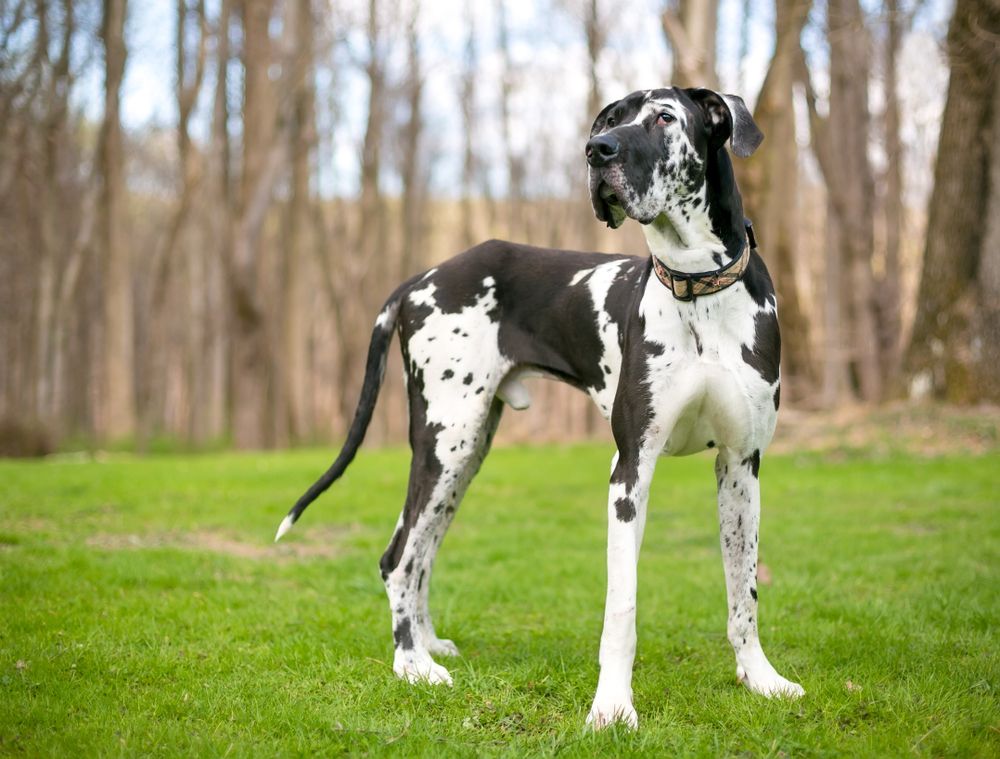
black and white purebred harlequin great dane dog outdoors

The Great Dane is easily one of the most recognizable breeds in the world. Known for their large size and gentle natures, these dogs make amazing pets for families or anyone with enough room to accommodate their large size and clumsy antics. One of the most popular Great Dane color variations is Harlequin. The Harlequin Great Dane is a large, gorgeous black and white dog that is striking to see and easy to fall in love with.

Breed Overview

Height:

28–32 inches

Weight:

110–175 pounds

Lifespan:

7–10 years

Colors:

Black and white

Suitable for:

Families, singles with enough space for their size

Temperament:

Loyal & loving, playful, and social

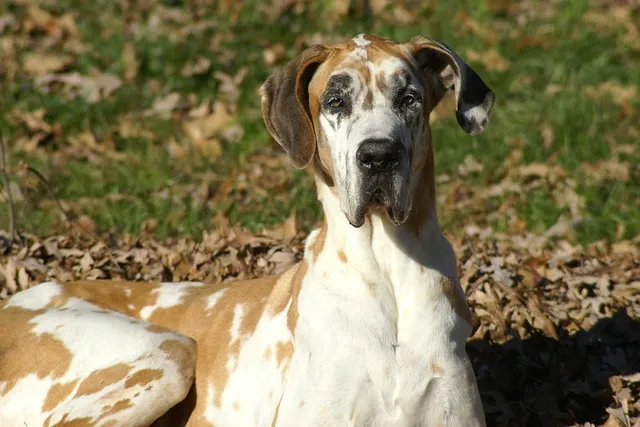
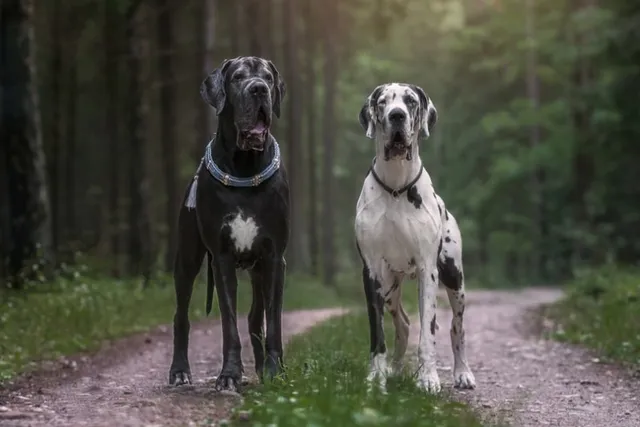
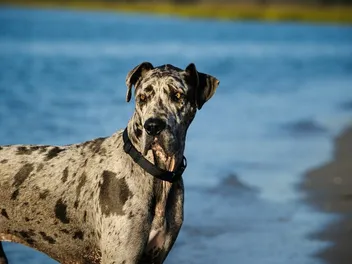
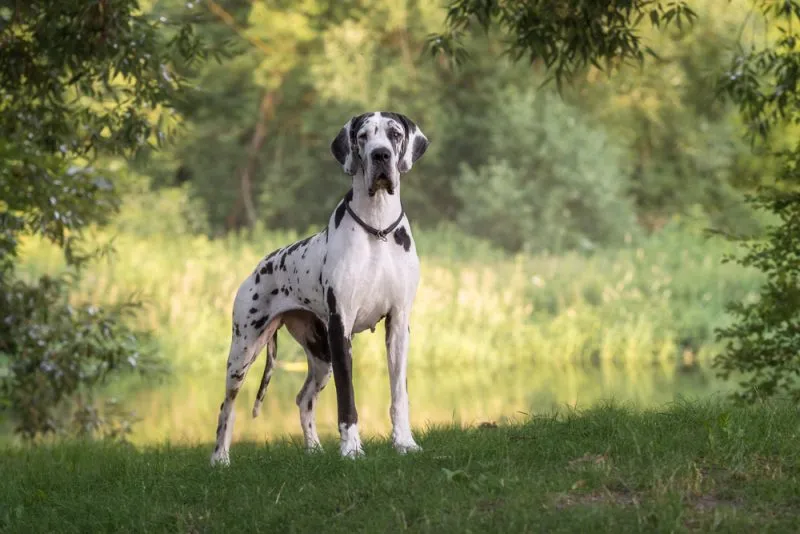
The Harlequin Great Dane features large black spots on a white coat. The uniqueness of this coat makes them highly sought after and breathtaking to encounter. You’ll notice that Great Danes tower over others with their potential to reach 32 inches high. They have smooth coats and a muscularly elegant appearance. Their heads are rectangular and large with a sizable muzzle that’s deep. Of course, like other Danes, the Harlequin has floppy ears. Their eyes can be gray, blue, or green.

Harlequin Great Dane Characteristics

Energy
+
High-energy dogs will need a lot of mental and physical stimulation to stay happy and healthy, while low-energy dogs require minimal physical activity. It’s important when choosing a dog to make sure their energy levels match your lifestyle or vice versa.
Trainability
+
Easy-to-train dogs are more skilled at learning prompts and actions quickly with minimal training. Dogs that are harder to train will require a bit more patience and practice.
Health
+
Some breeds, due to their size or their breeds potential genetic health issues, have shorter lifespans than others. Proper exercise, nutrition, and hygiene also play an important role in the lifespan of your pet.
Lifespan
+
Some dog breeds are prone to certain genetic health problems, and some more than others. This doesn’t mean that every dog will have these issues, but they have an increased risk, so it’s important to understand and prepare for any additional needs they may require.
Sociability
+
Some dog breeds are more social than others, both towards humans and other dogs. More social dogs have a tendency to run up to strangers for pets and scratches, while less social dogs shy away and are more cautious, even potentially aggressive. No matter the breed, it’s important to socialize your dog and expose them to lots of different situations.

divider single dog paw oct 2024

The Earliest Records of Harlequin Great Danes in History

The exact history of the Great Dane, including the Harlequin, is somewhat mysterious. Likenesses of these dogs have been found on Egyptian artifacts dating back to 3,000 B.C. Of course, this could be a similar breed, but the similarities are undeniable. The documented origins of these dogs are in Germany, around 400 years ago. They were believed to be bred from Irish Wolfhounds and English Mastiffs for boar hunting.
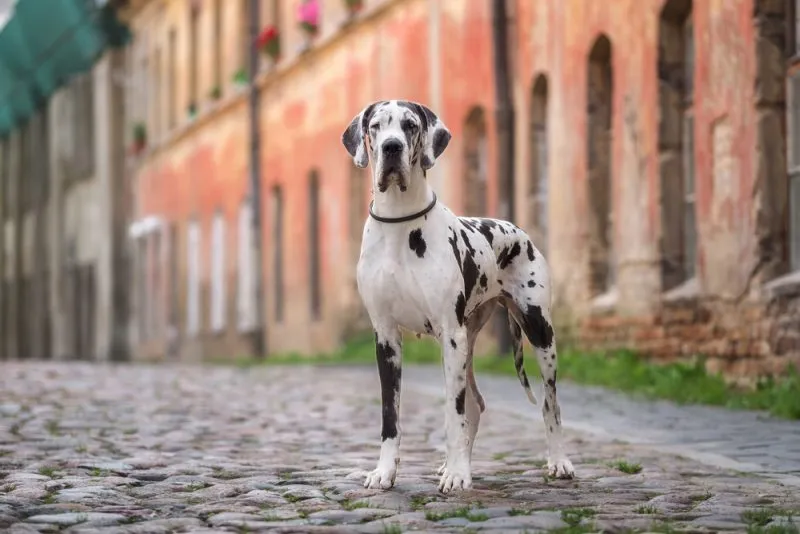
harlequin-great-dane-in-the-street
Image Credit: Al_Er, Shutterstock

How Harlequin Great Danes Gained Popularity

By the 1600s, German noblemen became taken with these dogs. At this time they were brought into homes as pets and protectors instead of only being used as hunters. It wasn’t until 1878 that the idea of naming this large breed came into play. The plan was to distinguish the Great Dane from the English Mastiff. The original name was Deutsche Dogge, which means German Mastiff.

Eventually, German breeders began working on breeding out the dogs’ hunting aggression, making them much gentler. Thanks to this work, we have the refined Great Danes we love today. As for the Harlequin coloration, it is difficult to determine when it gained popularity.

Formal Recognition of Harlequin Great Danes

While no one is exactly sure, it is believed that the Great Dane made their way to the United States in the 19th century. In 1887, the Great Dane was formally recognized by the AKC. Harlequin is one of the accepted variations.

Other formal recognitions include the formation of the Great Dane Club of America in 1889, recognition by the United Kennel Club in 1932, and recognition in 1961 by the Federation Cylonogique.
harlequin-great-dane-in-the-park
Image Credit: Al_Er, Shutterstock

divider single dog paw oct 2024

Top 5 Unique Facts About Harlequin Great Danes

1. No Link to Denmark

Despite being named Great Danes, they have no connection to Denmark. As previously mentioned, the Great Dane originated in Germany and was bred for boar hunting.


2. Dalmatian Mix-Ups

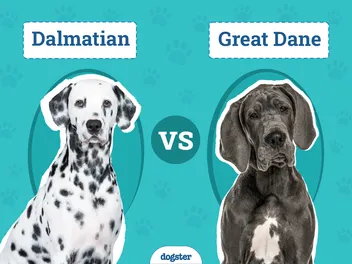
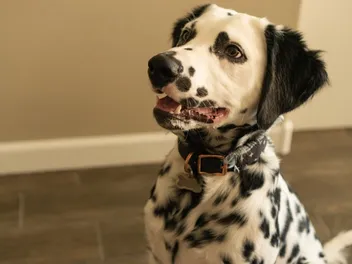
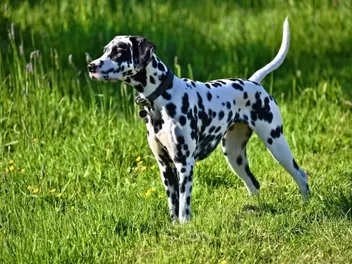
Yes, Harlequin Great Danes have been misidentified as Dalmatians. This is because Great Dane puppies are born with more spots. As a Harlequin Great Dane grows, the spots change a bit and appear more patchy.


3. The Mismarked Danes

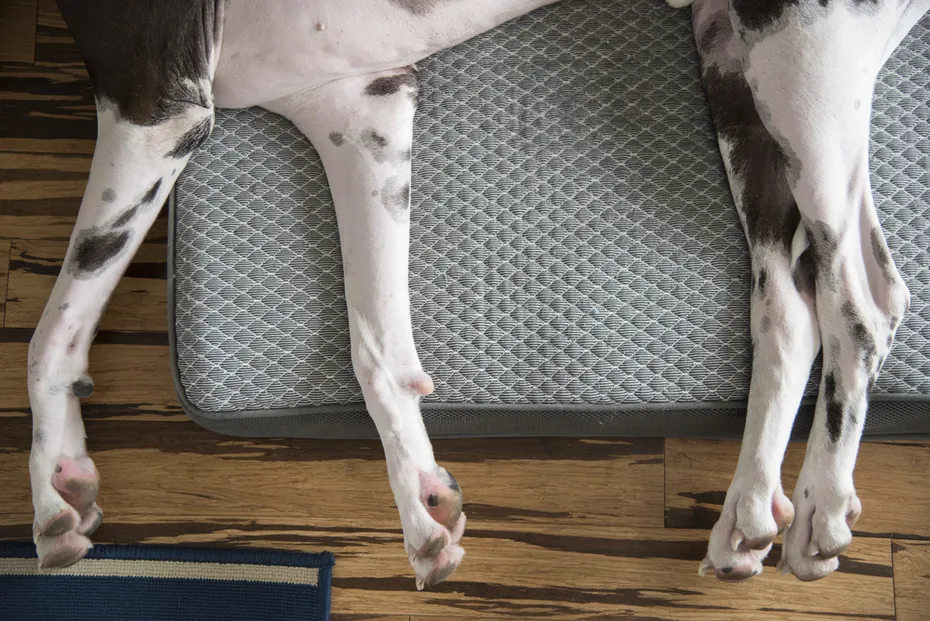
While a Harlequin Great Dane features black spots on a white coat, there can be mismarked Harlequins. This happens when the spots are slightly off-color. The colors can be gray, blue, and even fawn. They are often are referred to as brindle harlequins, merlequins, fawn harlequins, and blue harlequins.
Overhead-view-of-harlequin-great-dane-dog-legs
Image Credit: SeaRick1, Shutterstock

4. Harlequin Coats Are Rare

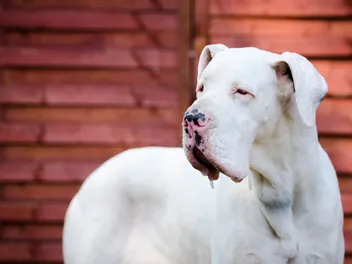
Breeding a Harlequin Great Dane is difficult. Most breeders prefer to breed a Harlequin with a Mantle Great Dane. Mantle Great Danes are white and have what appears to be a black blanket covering their body. Breeding two Harlequins is dangerous. The puppies can be born with a double Harlequin or double Merle gene. This can lead to stillbirths, blindness, and deafness.


5. Slower Growth Spurts

Oddly enough, Harlequin Great Danes have their growth spurt later in life than those with other coat colors. Instead of having their growth spurt at 3 to 5 months old, they usually wait until they are around 11 months.

divider dog paws 4 oct 2024

Does a Harlequin Great Dane Make a Good Pet?

Yes, the Harlequin Great Dane makes an amazing pet and does well with families, including those with small children, if socialized early. They are quite gentle and loving to their people. The biggest issue with these gentle giants is their size. Great Danes can easily knock things over or bump into the furniture if their environment is cramped. You should keep the size of your living space in mind if you plan on bringing a Harlequin Great Dane home.

Another thing to consider if you want a Harlequin Great Dane is the expense. They are rare and can cost quite a bit when working with a reputable breeder. You’ll also need lots of food, treats, toys, and a large dog bed.

divider dog paws 3 oct 2024

Conclusion

The Harlequin Great Dane is a color variation of the largest dog in the world. These gorgeous dogs are known as gentle giants who love spending time with their families. If you’ve dreamed of having a Harlequin Great Dane, be prepared for a substantial adoption fee if you find a reputable breeder.

However, once a Harlequin Great Dane is a member of your family, there is no going back. They will quickly become your best friend and protector of your family.

Sources

Featured Image Credit: Mary Swift, Shutterstock

Want content like this delivered to you?

Sign Up For Our Newsletter

News, insights, expert advice, and everything dog

* By submitting, you agree to our Terms & Conditions and Privacy & Cookies Policy.


How useful was this post?

Click on a star to rate (you can leave written feedback after clicking submit)

Help us improve Dogster for pet parents!

Your feedback really matters.

What did you like about this post? Also how can we improve it?

Join the conversation

Leave a Reply

You’re very welcome to leave a comment or question. Please know that all comments must meet our community guidelines, and your email address will NOT be published. Let’s have a positive and constructive conversation.


Talk With A Vet Online

Peace of mind,
anywhere, anytime

Affordable vet advice

How to Rehome a Dog: 16 Vet-Approved Steps

Dog parents love their pets; there’s no two ways about it. But sometimes, life happens, and you need to rehome your dog for...

How to Train a Labrador Puppy: 5 Vet-Approved Training Tips

Labrador puppies go home with their forever families every day; they’re one of the world’s most popular dogs! Just like human children, puppies...

Do Beagles Like Water? Vet-Approved Swimming Tips & Breed Preferences

A hot summer’s day always calls for a cool-off in the pool or a swim in the lake, and taking your dog along...

6 Best Foods for German Shepherds to Gain Weight in 2026 – Reviews & Top Picks

German Shepherds are strong, highly active dogs that require a quality high-protein diet to stay fit and healthy throughout their lives. Without a...

More related

8 Best Fresh Dog Food Delivery Services in Canada of 2026 – Reviews & Top Picks

There are many fresh dog food delivery services out there, but it seems that many of the most raved-about services do not provide...

Dog Coat Colors & Patterns: A Vet-Verified Guide (With Info & Pictures)

On your next trip to the dog park, look around to see the array of canine colors ahead of you. You’ll likely be...

15 Best Dog Affiliate Programs in 2026 – Reviews & Top Picks

According to the APPA, Americans spend over $100 billion on their pets per year.1 Given that dogs are the most common pets in...

When Does a Pitbull Go into Heat? Vet-Verified Facts & FAQ

Female Pitbulls typically have their first heat cycle between the ages of 6 and 12 months, more commonly after 8 months. Like the...

Keep reading

Small Breed Dog Food vs Regular vs Large Breed: Main Differences, Pros & Cons

Each dog needs something different from their food, and it isn’t just about their size but also their age and breed. Their dietary needs go beyond how much kibble you put in the bowl. It sounds complicated, especially when you...

Small Breed vs Regular Breed vs Large Breed - ft

Can Dogs Eat Blackberries? Vet-Approved Facts & FAQ

As man’s best friend and a curious taster, your dog will likely join you foraging for blackberries in the forest, or welcome you home from the grocery store after buying a carton full of berries with equal gusto. They want...

Can Dogs Eat_blackberries

TBHQ in Dog Food: Vet-Approved Feeding & Safety Facts

TBHQ, or tertiary butylhydroquinone, is likely an ingredient that you aren’t familiar with. This chemical additive is commonly used in pet foods to extend shelf life and keep the food from going rancid. You might be surprised to know that...

person pouring dog food to a bowl

Can Dog Food Cause Ear Infections? Vet-Verified Facts & FAQ

Dogs, just like humans, can suffer from ear infections. Your dog might never have one, or they may get them routinely. If you find that your dog is getting frequent ear infections, you’re probably looking for the trigger. If you’re...

ear infection on dog

9 Best Hypoallergenic Dog Foods in 2026 – Reviews & Top Picks

If your dog has a sensitive tummy or you think they could be suffering from food allergies, you may be searching for a hypoallergenic recipe that can help them. The term “hypoallergenic” literally means “less likely to cause an allergic...

yorkshire terrier eating dog food from metal bowl

Can Dogs Eat Parmesan Cheese? Vet-Verified Facts, Risks & FAQ

If you’re a dog owner, you’ve probably found yourself sharing a snack with your furry friend at some point. Dogs can be notorious beggars when it comes to food, and it’s hard to resist those pleading eyes. For cheese lovers,...

Can Dogs Eat_parmesan cheese

Can Dogs Eat Anise Seed? Vet-Approved Benefits & Risks

Dogs can eat anise seed, and the strong-smelling spice is known to be the canine version of catnip. It can be used as a fun, stimulating treat for training or as a natural remedy. Before feeding anise seed to your...

Can Dogs Eat Anise Seed

Can Dogs Eat Bacon? Vet-Reviewed Health Facts & FAQ

If there’s an aroma guaranteed to get dogs drooling and gazing up at you with big, pleading eyes, it’s the smell of bacon cooking. As much as you may want to indulge your pooch, it’s wise to hold off on...

Can Dogs Eat Bacon