In this article
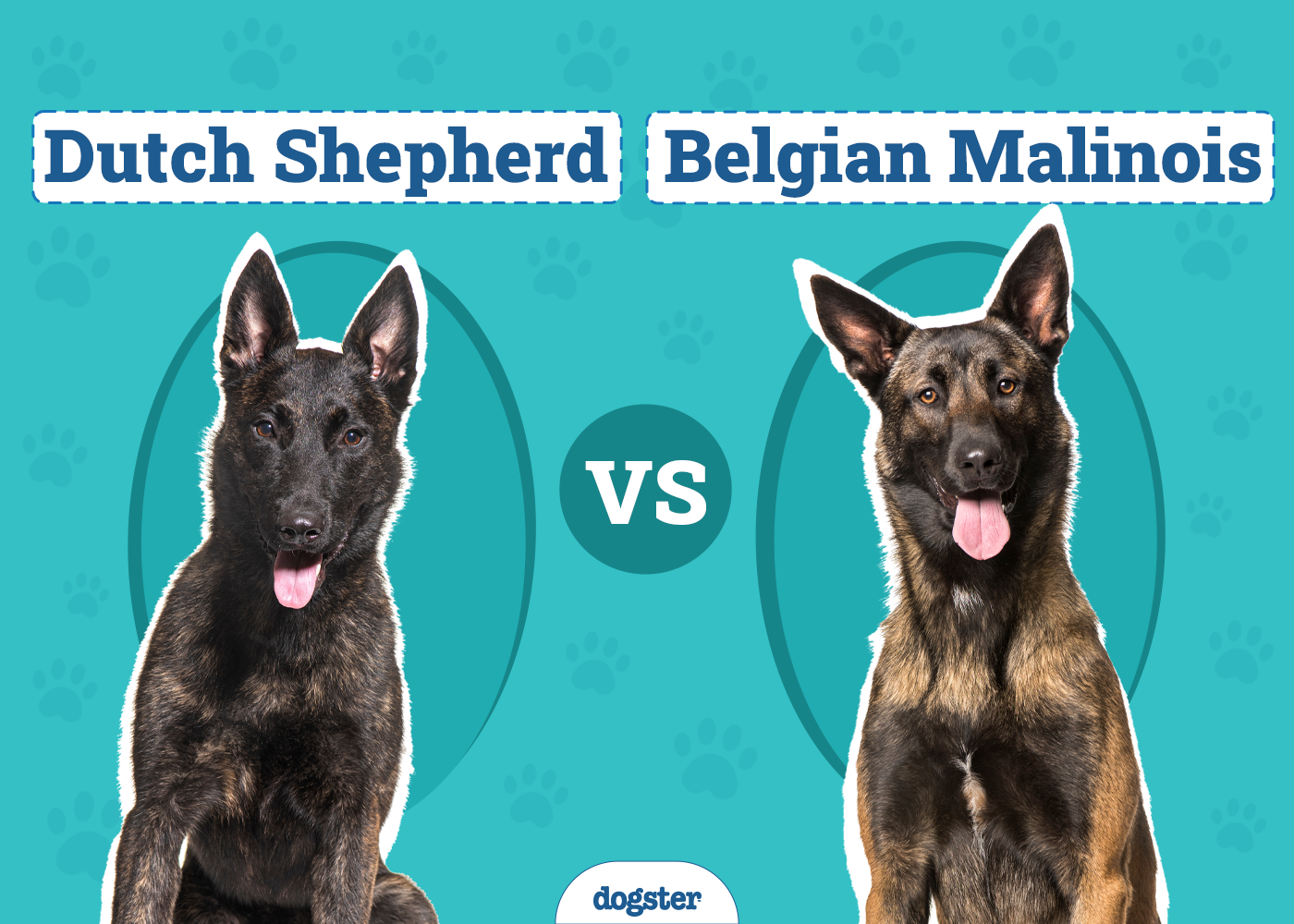
View 3 More +Due to their interconnected ancestry, Belgian Malinois and Dutch Shepherds have strikingly similar appearances. They both have dense double coats, alert ears, and muscled physiques. Some people even find it hard to tell the two apart.
You may wonder: do their similarities extend to their temperaments too? The two breeds are considered loyal and intelligent family dogs with an instinct to protect. But in some cases, they’re more different than you’d expect.
If you’re hoping to get a new dog, choosing between the Belgian Malinois and Dutch Shepherd can be tricky. By reading our detailed comparison, you can learn all about the differences between the two breeds and make an informed decision.

Visual Differences
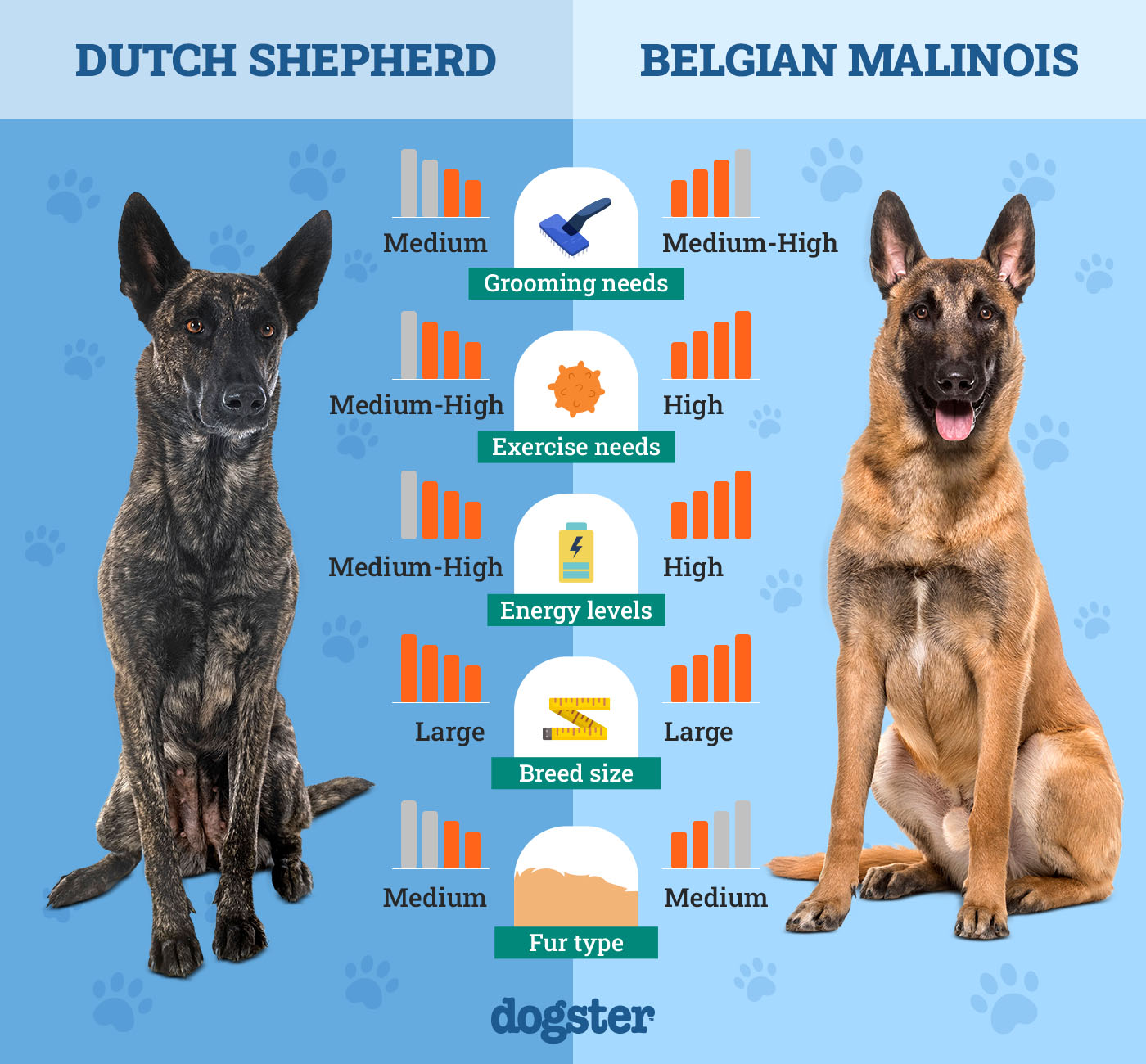
At a Glance
- Average height (adult): 20–25 inches
- Average weight (adult): 40–75 pounds
- Lifespan: 11–14 years
- Exercise: 1 hour a day
- Grooming needs: Moderate
- Family-friendly: Yes
- Other pet-friendly: Yes
- Trainability: Intelligent and eager to please
- Average height (adult): 20–26 inches
- Average weight (adult): 40–80 pounds
- Lifespan: 14–16 years
- Exercise: 1–2 hours a day
- Grooming needs: Moderate
- Family-friendly: Yes
- Other pet-friendly: Somewhat
- Trainability: Smart and obedient

Dutch Shepherd Overview

Originating from the Netherlands, Dutch Shepherds are true to their names. These dogs were first used by farmers looking for a reliable shepherd. They herded cows, pulled carts, and supervised children on the farm, making them the jack of all trades.
The first ever Dutch Shepherd appeared in 1898. It wasn’t until 1914 that people started setting breed standards for this dog. Brindle became the only acceptable color for the Dutch Shepherd to set it apart from German and Belgian Shepherds.
The modern-day Dutch Shepherd isn’t much different from the Belgian Malinois. They work as police, rescue, and even guide dogs for the blind.
Personality/Character
Dutch Shepherds are beloved for their versatility as a breed. They’re loyal, watchful, and intuitive, which makes them excellent guard dogs. Unlike most Shepherd dogs, this breed has a mind of its own due to its independent nature.
Despite their obstinate and intelligent personality, Dutch Shepherds are very affectionate. Once they get close to their family members, their loyalty and love become unconditional. They’re even great with children and other pets as long as you socialize them correctly.
When it comes to training, they soak up commands like a sponge. That’s exactly why they excel in agility, rescue, and other dog sports.

Nutrition
Dutch Shepherds thrive on a balanced diet, like any other breed. However, it must be formulated for active, large breeds to meet their nutritional needs. For example, it should have a higher protein content, between 25% and 30%. It should also have a moderate fat content of up to 15%.
Pay close attention to the ingredients if you prefer to feed your dog dry kibble. Meat should be the primary ingredient, with no artificial additives or fillers. If you prefer homemade meals instead, consult a vet for specific dietary advice.
If you need to speak with a vet but can't get to one, head over to PangoVet. It's our online service where you can talk to a vet online and get the personalized advice you need for your pet — all at an affordable price!
Exercise
Dutch Shepherds were bred for hard work, a trait they retain today. That means they need at least an hour of daily exercise to meet their physical requirements. Not only does this keep them fit and active, but it also prevents boredom and destructive behavior.
The Dutch Shepherd can also differentiate between their work, play, and chill time. They adjust their energy levels based on how much they’ve rested or played that day, which is another testament to their intelligence.
This also means you can’t leave them alone at home for too long. They demand your attention daily and even prefer it if you exercise with them.

Training
Training a Dutch Shepherd demands patience, consistency, and firmness. Since this breed is more intelligent than most, they can also be stubborn while training. You’ll need to socialize and train them at an early age to prevent stubbornness.
This also means that training this dog is not your cup of tea if you’ve never trained a large breed. Dutch Shepherds require the expertise and leadership of experienced dog owners to deal with their independence. If you’re having trouble training this dog, you may consider enrolling them in obedience classes.
Because of their high intelligence, this breed thrives with short training sessions with minimal repetition. Without training, the Dutch Shepherd will indulge their independence and make their own decisions.
Health & Care
The Netherlands has more specific breeding rules than most other countries. That’s why the Dutch Shepherd is a healthy breed. Still, they may be prone to certain diseases, like any other breed.
They may develop masticatory myositis, a condition in which the dog’s immune system attacks its own muscle tissue. Dutch Shepherds are also prone to pannus, making their eyes cloudy or hazy. They may also have allergies that most large breeds are sensitive to.
If you have a long-haired Dutch Shepherd, we recommend screening them for thyroid issues. Their rough-haired counterparts may be vulnerable to goniodysplasia.

Grooming
Dutch Shepherds have brindle coats in different textures and lengths: long, short, and rough-haired. Short-haired Dutch Shepherds only need occasional brushing, but you should groom them daily during the shedding season. On the other hand, long-haired dogs may need weekly grooming.
If you have a rough-haired Dutch Shepherd, remember to comb them once a month and hand-strip their coat twice a year. Other than that, you only need to bathe these dogs when necessary. We also recommend trimming their nails to avoid overgrowth, splitting, or cracking.
Since they have large ears, Dutch Shepherds are vulnerable to ear infections. To avoid this, check their ears regularly for wax buildup and debris.
Suitable For:
Dutch Shepherds are suitable for active families since they need at least an hour of daily exercise. If you have time for running, hiking, or playing fetch, this breed may be the perfect fit for you.
Due to their stubborn nature, Dutch Shepherds require the leadership of experienced dog owners. You’ll need some expertise in training methods, canine behavior, and assertive handling to own this breed.
- Intelligent and easy to train
- Multi-talented and can be used in various roles
- Ideal for active families
- Excellent watchdogs
- Loyal and devoted to their families
- Can get destructive when bored
- Can be stubborn at times
- Not suitable for inexperienced owners
Belgian Malinois Overview
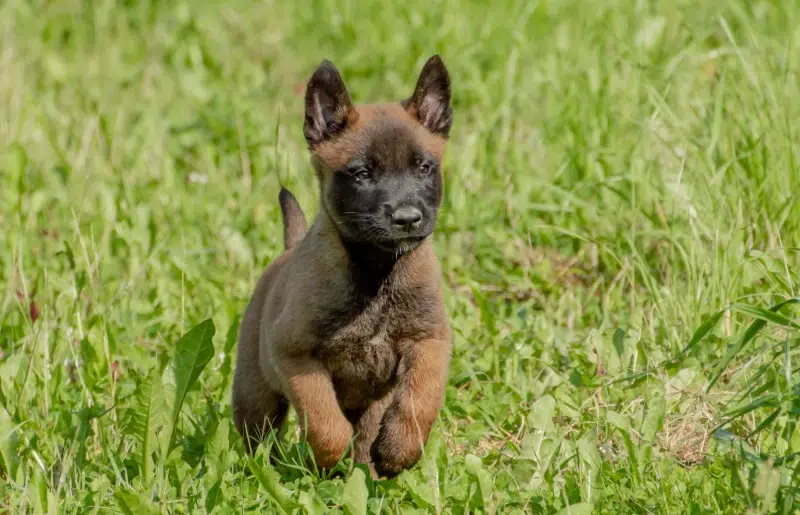
As their name suggests, the Belgian Malinois breed comes from the city of Malines, Belgium. Descendants of the Belgian Sheepdog, this breed worked as shepherds and cattlemen on farms. Farmers even described them as “peerless livestock herders.”
The first of this breed came to the US in 1911, where they served as war dogs until the Second World War. The AKC finally recognized the Belgian Malinois in 1959, leading to a surge in their population.
Today, the Belgian Malinois works as an army, rescue, and police dog. But most importantly, they’re beloved as family companions.
Personality/Character
Belgian Malinois are confident around family but reserved with strangers. Once the breed develops a deep bond with their owners, they’ll show their affectionate side and never look back.
They’re best known for their natural instinct to protect those they love. That’s exactly why they can be excellent watchdogs for you and your property. Unfortunately, that also leaves some potential for aggression, so you’ll need to train them early on.
Since Belgian Malinois are intelligent and obedient, training them isn’t as complex. These traits are what allowed this breed to excel as military and police dogs.

Nutrition
Belgian Malinois dogs thrive on a diet similar to the Dutch Shepherds’. It should have a balanced combination of carbs, protein, and probiotics. Belgian Malinois weigh more than Dutch Shepherds, so they’ll need a high protein content in their meals, around 35%.
Chicken, beef, or fish should be among the first ingredients in their dry food. If you prefer homemade meals, you can serve carbs in the form of sweet potatoes or whole grains. Enriching their diet with omega-3 fatty acids can make their coat healthier and shinier.
Instead of one big dinner, it’s better to feed your Belgian Malinois three small meals throughout the day to prevent bloating.
Exercise
Belgian Malinois require even more daily activity than Dutch Shepherds. This is probably not the right breed for you if you live a sedentary lifestyle. Belgian Malinois need at least 2 hours of exercise to thrive, and they prefer it if you participate with them.
According to the AKC, they require daily mental and physical stimulation from their owners to retain their bond. That means a quick daily walk won’t suffice. Your dog will also need to participate in agility, tracking, herding, and obedience training to burn their energy.

Training
Unlike the Dutch Shepherd, the Belgian Malinois is highly trainable and eager to please. That means you’ll have to approach your training sessions with gentleness, not firmness. In fact, strict training methods only scare and traumatize these dogs.
Instead, opt for positive reinforcement techniques to encourage good behavior. You can give them rewards, praise, and playtime whenever they learn a command. These methods are also easy for first-time pet owners to learn, making training a breeze.
Despite their sweet nature, Belgian Malinois dogs have a strong prey drive. If you have smaller pets in the house, you’ll need to train and socialize your Malinois early on to prevent aggression.
Health & Care
The Belgian Malinois is also a healthy breed with minimal health issues. If you buy your dog from a breeder, make sure they’re screened for common health conditions in large breeds. That includes hip dysplasia, elbow dysplasia, and certain eye problems.
To ensure your Belgian Malinois has no health conditions, take them to the vet for a hip, elbow, and ophthalmologist evaluation.

Grooming
The Belgian Malinois has a beautiful, waterproof coat, which is incredibly easy to clean. That means their grooming needs are minimal.
You’ll only need to brush their coat occasionally with a medium-bristle brush or hound glove. If you’re willing to invest, we recommend using a rubber grooming mitt or tool. This will keep their coat looking its best and promote new growth by distributing natural oils.
During the shedding season, giving them a daily once-over with a slicker brush is advised. You should also trim their nails to prevent overgrowth.
Suitable For:
Belgian Malinois dogs also thrive in active households, requiring two hours of daily exercise. In fact, sedentary apartment living is completely unsuitable for this breed. They’ll need you to take them on daily walks and play sessions to burn off their energy.
Luckily, this is a fairly docile, eager-to-please breed. That means first-time owners will have no trouble learning to live with and train a Belgian Malinois.
- Exceptional work ethic
- Highly intelligent and trainable
- Excels in various dog sports
- Excellent watchdogs
- Low grooming needs
- Strong prey drive for smaller animals
- Unsuitable for sedentary lifestyles
- Potential for aggression
Which Breed Is Right for You?
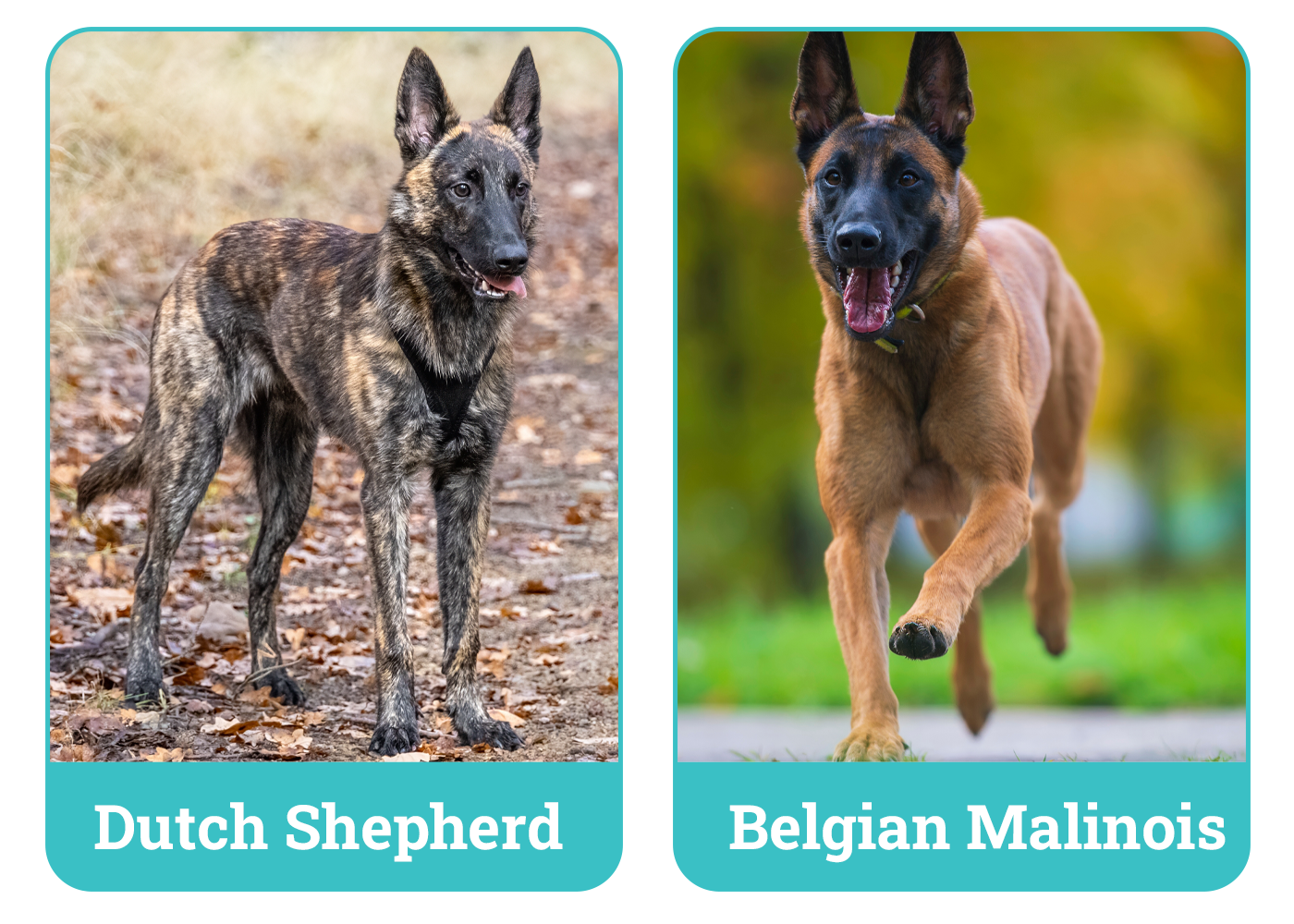
Choosing a new dog for your home is a major decision, so you should consider certain factors. The right breed depends on your lifestyle, living situation, and personal preferences. Both the Dutch Shepherd and Belgian Malinois are great dogs with major differences to consider.
For example, Belgian Malinois dogs are better suited for those with an active lifestyle. They require at least 2 hours of daily exercise, so they can join you on your morning jogs. Meanwhile, Dutch Shepherds are comfortable with a slightly sedentary lifestyle.
Both breeds are easy to train due to their high intelligence, but Dutch Shepherds can be stubborn. You’ll need more training experience to deal with their independent nature. On the other hand, Belgian Malinois are eager to please.
You must also consider your family dynamics. Dutch Shepherds adapt well to large families with children and even other pets. While Belgian Malinois are great with children, their strong prey drive makes them dangerous for smaller pets.
Despite their differences, the two breeds have some similarities. For example, they can only thrive in larger homes with fenced yards, making them unsuitable for apartment living. Ultimately, the decision comes down to individual preferences for the dog’s looks and temperament.
Related Reads:
- Belgian Tervuren vs Malinois: Differences Explained (With Pictures)
- Belgian Malinois vs Rottweiler: Differences Explained (With Pictures)
Featured Image Credit: Top – Three Dogs photography, Shutterstock | Bottom – Jozef Fehér, Pexels