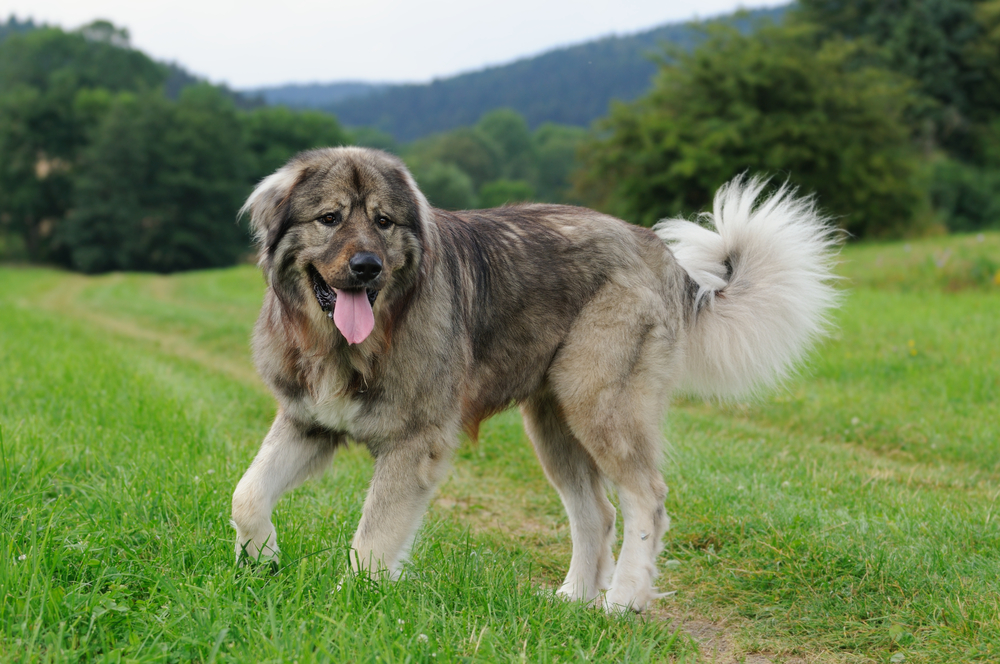
In this article
View 8 More +Caucasian Shepherds aren’t the most well-known dogs, but as soon as you meet one, they’re impossible to forget. The massive canine represents the peak of protective prowess, requiring a purposeful role and the surest of hands for training.
Do you have what it takes to handle this fluffy giant? We’ll help you make the best decision for your home by exploring the Caucasian Shepherd’s personality, physical traits, and care needs.
Breed Overview
Height:
23–30 inches
Weight:
99–170 pounds
Lifespan:
10–12 years
Colors:
Cream, fawn, gray, red, white, rust, black, agouti, grizzle, sable
Suitable for:
Experienced owners looking for a property guardian
Temperament:
Loyal, territorial, balanced, intelligent, independent, wary, naturally aggressive
The Caucasian Shepherd is arguably the most imposing guardian dog on the planet. Used for protecting livestock for centuries, these enormous canines are wary and fearless, with a presence even a pack of wolves would think twice about engaging.
Today’s Caucasian Shepherds are typically family companions or watchdogs, though the aloof and aggressive tendencies linger in the background. Training demands a firm, experienced hand. With proper socialization and a capable handler, Caucasian Shepherds can be good family dogs and a surefire conversation starter for an enthusiastic owner.
Caucasian Shepherd Characteristics

Caucasian Shepherd Puppies
Caucasian Shepherd puppies aren’t easy to come by, but you will find a handful of breeders in North America. Researching your breeders, assessing the parents and their background, and meeting the dogs is non-negotiable so you can find a well-bred dog and ensure this breed fits you.
Reputable breeders will be equally cautious. Be wary of those who don’t assess the living situation their dogs will enter, as they are not suitable for most homes. If you are committed to the breed, you may have the best luck looking abroad in areas like Russia or Romania.
Raising a Caucasian Shepherd puppy is demanding, and they won’t spend much time at a manageable size. By 6 months, your dog will likely exceed 50–60 pounds. They’ll surpass 100 pounds by their first birthday. Before they get to this point, owners must socialize their dogs extensively outside and in the home, particularly with people who will be regular guests around the house.
Caucasian Shepherd Origin & History
The Caucasus Mountains in Eastern European countries like Georgia, Azerbaijan, and Armenia are the native home of landrace breeds from which the Caucasian Shepherd derives. For centuries, they worked as property protectors, fending off anything from poachers to wolves and bears.
In the 1920s, the Soviet Union took interest in Caucasian Shepherds. The breed’s confidence, aggression, and strength made them perfect additions as military dogs and prison and factory guards. The breed began gaining North American kennel club recognition in the 1990s and is currently part of the AKC’s Foundation Stock Service.
Temperament & Intelligence of the Caucasian Shepherd
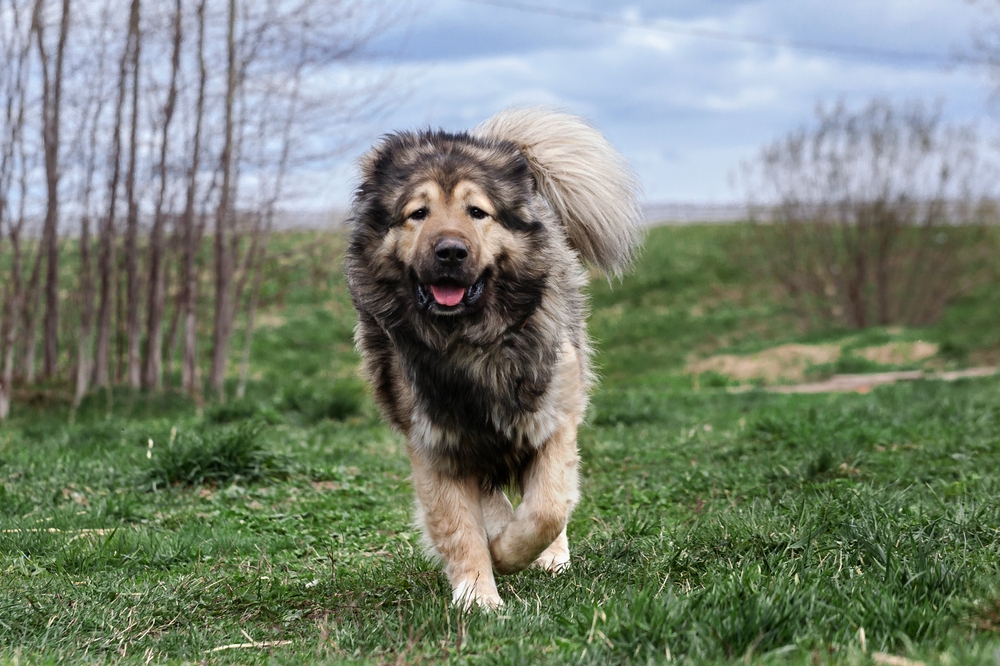
Caucasian Shepherds are intelligent dogs and excellent workers, preferring to have a household role that uses their protective instincts. Like many mountain shepherd breeds, they are prized for their independent thinking and trustworthiness in their role. As a companion, though, this self-driven thinking can manifest as stubbornness when training.
A well-raised Caucasian Shepherd is laid-back and even-tempered in the home. When they flip into protection mode, they can be highly aggressive, which is ideal if you want to strike fear into intruders and wild animals but dangerous if they frequently come across other people or pets.
Are These Dogs Good for Families? 👪
The Caucasian Shepherd is a good family dog if you have older children who know how to handle them. Well-raised dogs are kind and devoted when they develop deep bonds, yet their sheer size alone can make them a poor fit for young children. They aren’t tolerant of mishandling, so everyone in the home must understand how to interact with them appropriately.
Caucasian Shepherds demand significant training and socialization from owners to keep them as family dogs. While they can be a loving addition to the home, they are not a wise choice if you are primarily looking for a household pet. For an imposing presence to keep as a family dog, breeds like Great Pyrenees, Leonbergers, Newfoundlands, Great Danes, or St. Bernards have more domestic characteristics and a higher potential for sociability.
Does This Breed Get Along With Other Pets?
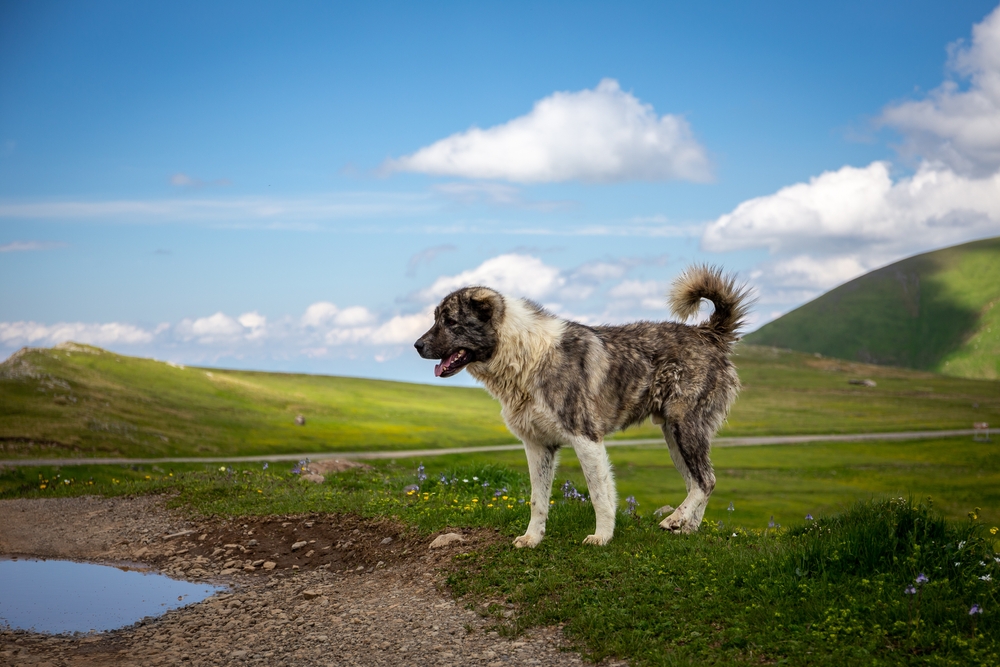
Caucasian Shepherds are as good with other pets as they are with children when raised together from a young age. They aren’t overly playful but don’t have a substantial prey drive. If they grow up with a cat, they typically won’t terrorize and start chasing them. Though aggressive, Caucasian Shepherds work defensively, so they will likely be a relaxed companion for trusted housemates.
Things to Know When Owning a Caucasian Shepherd
Owning a Caucasian Shepherd is unlike having any other breed. They’re willful, naturally aggressive, and territorial, and alongside their large size, these traits often make them a poor fit for any home in urban or suburban areas. Their ideal spot is a large, contained, relatively out-of-the-way area they can protect with a sturdy fence over 6 feet high.
As a defensive, work-motivated dog, the Caucasian Shepherd demands several unique considerations. The aggressive nature (what some might call “nastiness”) typically reveals itself during adolescence at around 1–2 years. They’ll be less social and more defensive of family, requiring extra effort when bringing others to the home.
In most cases, these dogs view any outsider as an intruder. Owners must build a ritual of introducing guests, even if those individuals have visited the home before. Otherwise, you may have to secure your dog in a different area altogether.
Caucasian Shepherds also alert bark, using their keen senses to pick up the most minor disturbance. Still, the breed isn’t generally vocal in the house. Consistent socialization will be critical from day one, but even the most well-trained and experienced dogs can become suspicious and aggressive toward unknown people.
Food & Diet Requirements 🦴
Caucasian Shepherds grow at a rapid rate, particularly in their first year, and finish maturing at around 3 years. Large-breed dog food formulated for their life stage will fuel their massive growth, ensuring strong bones, muscles, and a healthy coat.
Feeding a Caucasian Shepherd is pricey. As an adult, they’ll need at least 4 cups of food, though the largest may need up to 7 cups daily. Since they are prone to bloat, splitting feeding into more than two daily meals and smaller portions can prevent digestive issues.

Exercise 🐕
Though they’re not a rambunctious breed, Caucasian Shepherds are more athletic than some realize. They can sprint fast, run for miles, and easily scale fences while still having energy to burn. It’s vital to provide at least an hour of daily exercise with walks and activities in the yard. Balancing diet and exercise should be a priority to prevent obesity.
Training 🎾
Even if you have extensive experience training other dogs, owners generally need to temper their expectations for Caucasian Shepherds. They aren’t highly food-motivated, adding a few hurdles to everyday training, and you’ll be unlikely to develop the dependable obedience other breeds may offer. Though loyal, Caucasian Shepherds are independent and won’t hesitate to take charge when given the chance.
Consistent, firm, and positive training and boundary-setting are crucial from their first day in the home. Socialization is more vital than anything, especially in the early months when they aren’t overly large or developing their aggressive nature.
Socialization and puppy training classes can be an enormous benefit, and working with a professional trainer will give you the best shot of having a calm, accepting dog. Because these dogs are so willful and uniquely challenging, look for trainers who have had experience with Caucasian Shepherds.
Grooming ✂️
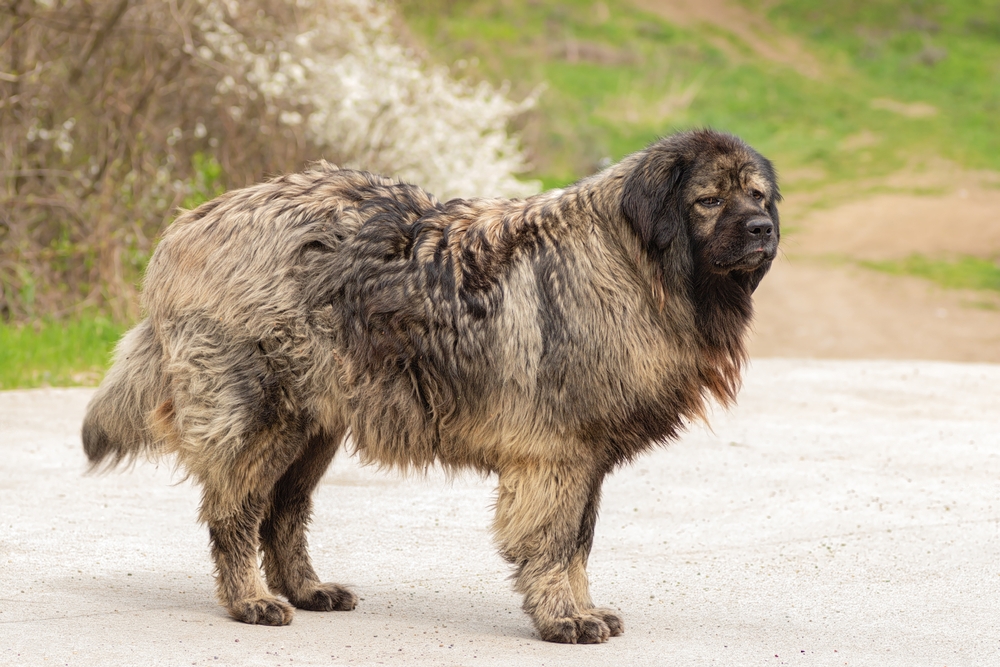
Although they fall under a single breed standard, Caucasian Shepherds can traditionally be divided into two types: mountain and steppe. Mountain dogs tend to be the heaviest, while steppe types are more slender, longer in the legs, and short-coated, which may slightly affect the grooming approach.
In general, the gorgeous, fluffy double coat needs brushing at least twice weekly to remove loose fur and keep the skin and coat healthy. They’ll have one substantial coat-blowing period annually in spring. Alongside the shedding, you can also expect your Caucasian Shepherd to drool frequently, so you’ll have to keep the towels and cleaning products ready when they’re in the house.
Bathing should occur every few months. Frequent ear and eye checks and cleanings will be crucial to prevent infection and assess signs of irritation. Otherwise, keeping the nails clipped and teeth brushed will keep your dog happy and comfortable.
Health and Conditions 🏥
Despite their relatively short lifespans, Caucasian Shepherds aren’t prone to significant health problems. Their size and body type are the primary concerns, as they can become obese, develop bloat, or suffer joint issues with a poor diet and exercise routine.
Annual vet checkups are crucial to ensure proper development and pet insurance can be a substantial financial help if your dog gets sick or injured while on duty.
- Eye issues (e.g., entropion, cataracts)
- Gastric dilatation-volvulus (bloat)
- Hip and elbow dysplasia
- Obesity
- Heart defects

Male vs Female
Male and female Caucasian Shepherds are equally suitable home protectors, sporting the drive and intensity necessary to fend off any threat. The males have a pronounced mane and are larger, outweighing the females by 20–30 pounds.
They also tend to have a more aggressive, dominant, and stubborn personality. First-time owners may fare better with a female from a responsible breeder.
3 Little-Known Facts About the Caucasian Shepherd
1. Caucasian Shepherds Have Extremely Short Lifespans
The 10-year lifespan usually ascribed to the Caucasian Shepherd is short relative to other breeds, but unfortunately, it may also be overly optimistic.
A 2024 study assessed the lifespans of over 580,000 UK dogs across 155 breeds. At the top of the longevity list were the undersized Lancashire Heeler and Tibetan Spaniel at median lifespans of 15.4 and 15.2 years, respectively. Meanwhile, Caucasian Shepherds found themselves at the bottom, with a median age at death of only 5.4 years, highlighting the need for a consistent healthcare routine.
2. Caucasian Shepherds Go By Numerous Names
Although the Caucasian Shepherd may seem unfamiliar, there’s a chance you have already heard of them before under a different name. As a well-traveled breed, these dogs have claimed a new moniker almost anywhere they go.
The Caucasian Ovcharka is the most common alias, but you may also hear them go by names like the Caucasian Sheepdog, Kawkasky Owtscharka, Kaukasische Schaferhund, Caucasian Mountain Dog, and Russian Bear Dog.
3. Caucasian Shepherds Aren’t Welcome Everywhere
The Caucasian Shepherd’s fearlessness and aggression are backed by massive musculature, a powerful and fast body, and a bite force of up to 700+ PSI (three times higher than a pit bull’s). Putting it all together, it isn’t surprising that breed restrictions often apply to these dogs.
Several countries, including Denmark, Russia, Italy, India, Ukraine, and Belarus, have restricted or outright banned the breed. As they aren’t as well-known in America, breed restrictions may not list them, but owners must check local laws to ensure their dogs are allowed.
Final Thoughts
Caucasian Shepherds are a breed like no other, requiring an approach tailored to their hardy, independent temperament. They’re far from the best choice of dog for most people, as you’ll find several breeds that are easier to handle, more obedient, more outgoing, and cheaper to own. But for the unique owner with property to protect and a steady hand for training, no dog is more fearless, capable, and all-around fit for the job.
Featured Image Credit: anetapics, Shutterstock