Bullpei (Bulldog & Chinese Shar Pei Mix): Info, Pictures & Care


In this article
If you’re someone who loves spending lots of time and money at the vet, the Shar-Pei Bulldog mix known as the ‘Bull-Pei’ might be just the dog for you. This designer dog breed, created by combining two of the wrinkliest dogs imaginable, might seem like a cute idea, but the reality is a dog likely to be blessed with a lifetime of skin problems and health issues due to the cocktail of complex genetic risks found in both contributing breeds.
With the defective hyaluronic acid gene of the Chinese Shar-Pei and the anatomical disadvantages of the brachycephalic English Bulldog, the Bull-Pei might be lucky enough to boast the best traits of both parent breeds, but it could just as easily inherit the worst.
Let’s take a closer look at this adorable disaster, and discover why it probably shouldn’t be on your wishlist of dogs to own.
Breed Overview
Height:
Weight:
Lifespan:
Colors:
Suitable for:
Temperament:
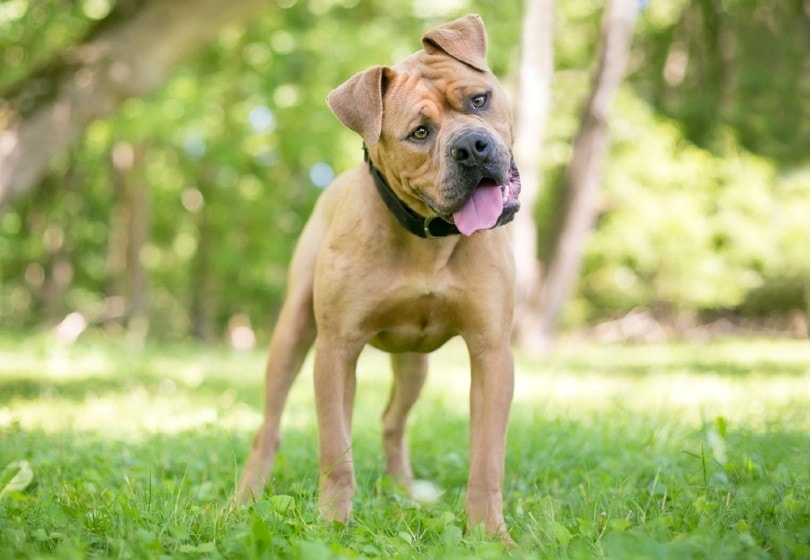
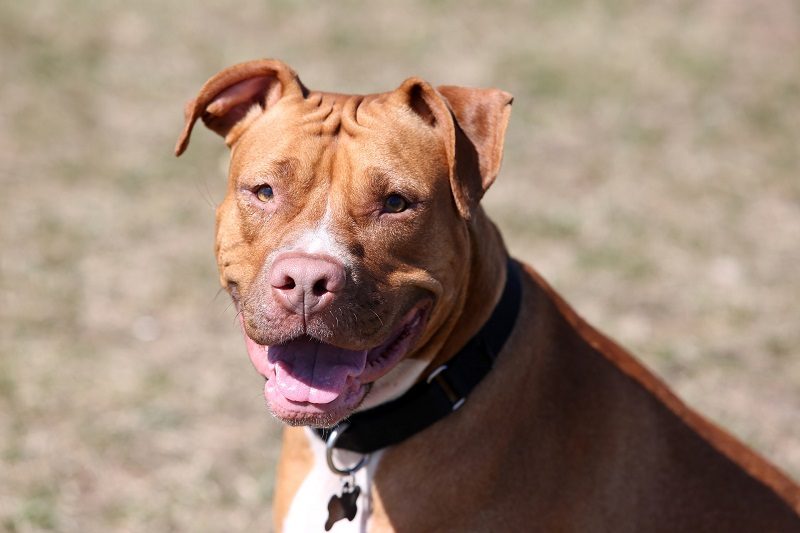
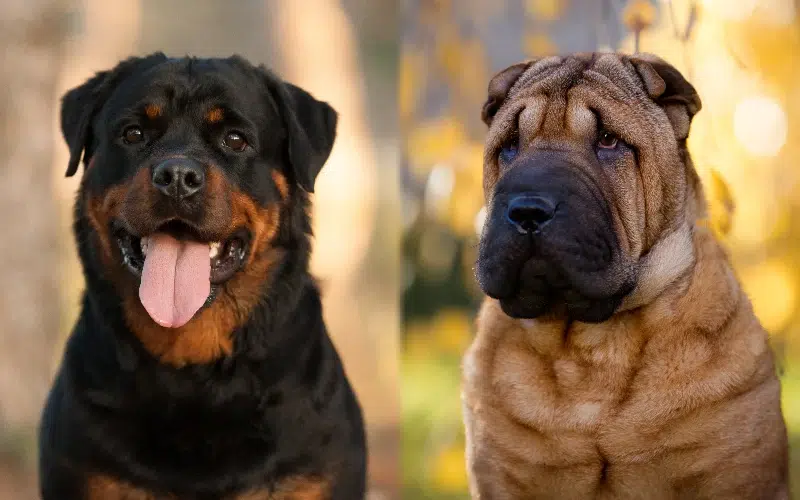
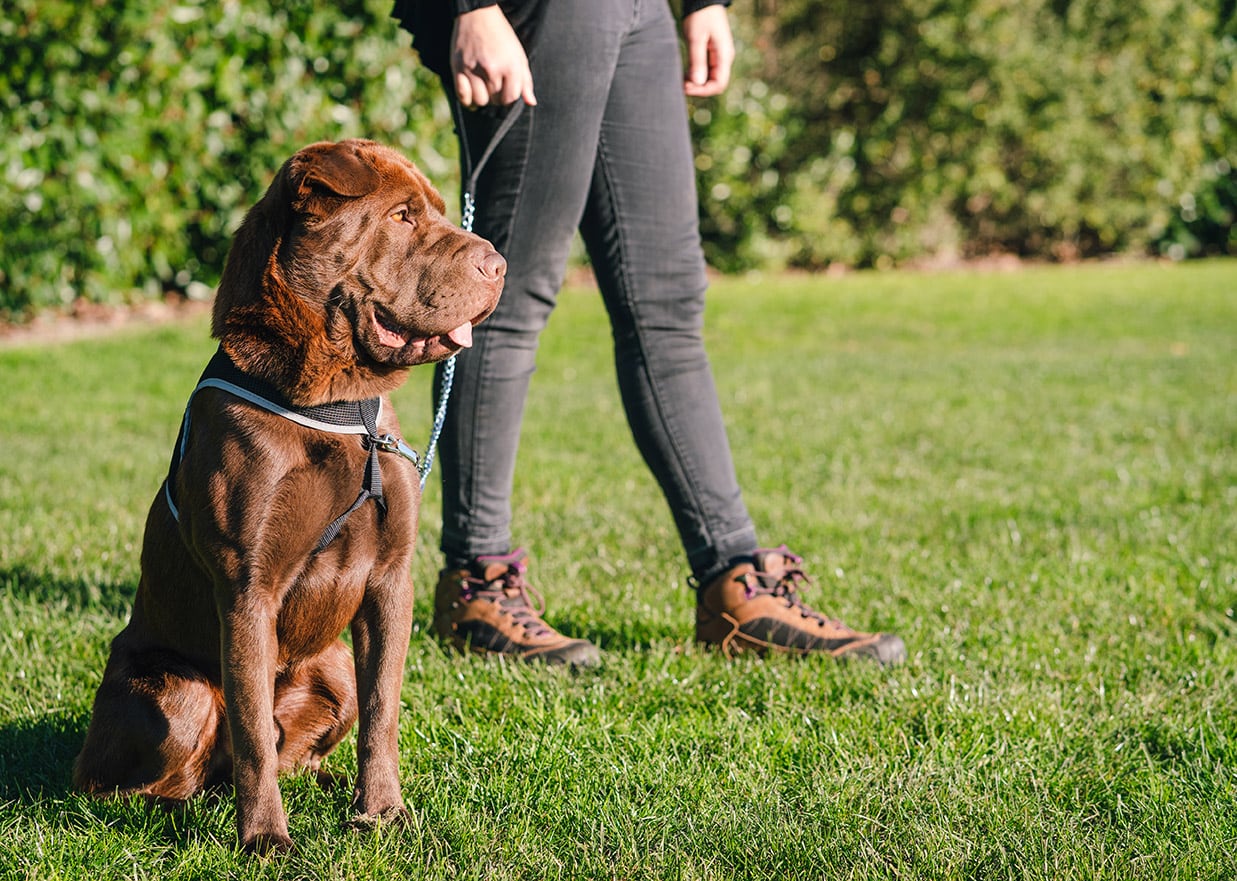
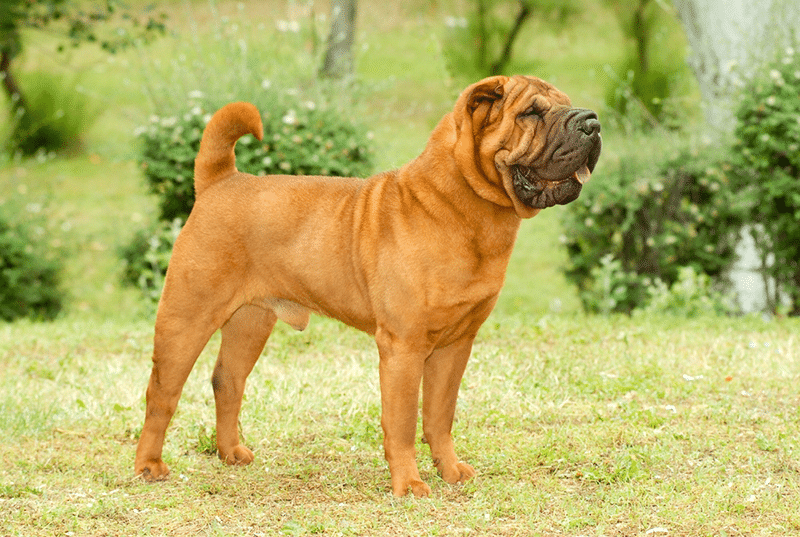
The Bull-Pei is not a recognized breed, but a hybrid, designer dog, or crossbreed. By pairing the wrinkly Shar-Pei with the wrinkly Bulldog, the result is, unsurprisingly, wrinkly. It is unclear what the specific goal of those behind this particular crossbreed was, but it certainly wasn’t improved health and fitness.
The Bull-Pei tends to be smaller and more compact than the Shar-Pei; however, their characteristics can vary between individual litters and dogs. They tend to be low energy, and too much physical exertion can lead to overheating and respiratory distress, so they are ideal if you want a dog that doesn’t require much exercise.

Bull Pei Dog

The Bull-Pei is likely to cost you quite a lot of money to purchase, and from there, you’d better keep that wallet handy! Breeders of the Bull-Pei are generally producing litters to supply a demand, so expect to pay a premium for your designer pup.
However, you can often find older pups or adult Bull-Peis at animal shelters or being sold cheaply.
As these dogs are typically born with most of the health conditions that will plague them throughout their lives (which we will discuss later), we recommend you take out pet insurance before you pick up your new pup. Make sure it provides lifetime cover with a generous annual allowance for each condition, and don’t be tempted to switch providers for a cheaper deal after a few years. Trust us, you do not want to have skin conditions excluded from your policy!

Temperament & Intelligence of the Bull Pei 🧠
It’s always difficult to predict the temperament of a dog based on breed; even more so when we’re talking about a hybrid. Much of a dog’s temperament and behavior is guided by early experiences and socialization, but genetics do play a role.
Both the Bulldog and Shar-Pei are known for being loyal, attentive, and stubborn. As an ancient guard dog, the Shar-Pei is often stoic and wary of strangers, becoming attached to just one or two people rather than gathering friends far and wide. If socialized well, they can be quite tolerant of other pets, but are not known for being the most gregarious of dogs.
The Bulldog tends to be more of a family pet; loving and easy-going. Both breeds can be headstrong and benefit from firm training with clear boundaries, so don’t let those wrinkly little puppies get away with being naughty, just because they’re cute! Positive reinforcement and consistent commands are essential.
Are These Dogs Good for Families? 👪
If you’re looking for a dog that can join the family on long walks, trips to the beach, or hikes across the hillside, you might want to consider a spaniel or retriever. But if you’re after more of a couch potato vibe with some easy-going strolls, the Bull-Pei might suit your household.
As mentioned earlier, the Shar-Pei part of this breed can be a little standoffish and cantankerous at times, particularly if their skin and ears are playing up, so they may not be the best for homes with small children.
Does This Breed Get Along With Other Pets? 🐶 😽
Any dog has the potential to fit in well with other pets, provided they are properly socialized from a young age. However, the Bull-Pei is more likely to be a human-focused pet and may not be all that keen to play with, or tolerate, other dogs. Neither the Shar-Pei nor Bulldog has a particularly strong prey drive, so it’s unlikely that they’ll be overly concerned with chasing the family cat or other small pets, but as always, close supervision is a must.

Things to Know When Owning a Bull Pei Dog
Whether you’re contemplating adopting a Bull-Pei or already have one, here are a few things you need to know:
Health & Conditions ❤️ 🏥
As you’ve probably already guessed, the Bull-Pei can be something of a disaster when it comes to health. While some breeders may declare their puppies to be ‘the best of both’, they can just as easily be the worst.
Crossbreeds and hybrids are often promoted as being healthier than their purebred parents, and in many cases, this is true. Reducing inbreeding and diluting problematic genes can go a long way to improving the health of offspring. Mating a brachycephalic dog with a longer-nosed breed can improve the respiratory health of the pups, or mixing a breed with a long history of heart disease with one that has good cardiac health can certainly be beneficial.
In the case of the Bull-Pei, there is no clear health advantage to be gained by combining the genetics of the Bulldog and Shar-Pei. In fact, we are more likely to end up with a dog that is even less healthy than the parent breeds because both have a significant number of inherited health problems that may be passed onto their offspring, several of which they share.
Both the Shar-Pei and Bulldog often suffer from entropion, a condition where the eyelids roll inwards, causing irritation and damage to the eyes. In many cases, this condition requires surgical correction, which occasionally takes place before the puppies leave the breeder.
With both parent breeds of the Bull-Pei sharing several similar health problems, this cross-breeding is more likely to amplify these issues rather than dilute them.
Food & Diet Requirements 🦴
The Bull Pei needs a nutritious, balanced diet designed for medium-sized dogs. Don't overfeed your dog because this breed can put on weight quickly and become lazy. Ensure you stick to a regular feeding schedule and not leave its food out throughout the day.
A Bull Pei is a heavy eater and requires 2 to 3 cups of dry dog food daily. Therefore, it would be best to split the food into two to three meals a day instead of one main meal.
Offer your dog sufficient proteins and limit the treats. Also, a Bull Pei's diet changes with age, so talk to your vet to recommend the right diet plan according to your pup's age, weight levels, health, and energy.
Exercise 🐕
Thanks to the brachycephalic obstructive airway syndrome (BOAS) inherent in the Bulldog, and the insulating skin folds of the Shar-Pei, the Bull-Pei is more likely to suffer health problems from exercising too much than too little. This is not a dog that needs to go running every day, and a game of fetch can even be too much for some. Be extra cautious in warm and humid conditions, as the Bull-Pei has a high risk of heat stroke.
Stick to gentle strolls, puzzles, and games that keep their mind and body moving rather than marathons or agility classes.
Training 🎾
You’ve got your work cut out for you when it comes to training a Bull-Pei. These dogs tend to be stubborn and not always readily motivated by food. Being consistent and persistent with your training is what will win the day, and if treats aren’t proving much of an enticement, try short sessions before mealtimes so they are hungry and more likely to be interested in food rewards.
Focus on the most important commands like recall, ‘stay’, ‘leave’, and socialization. It’s far more important that your Bull-Pei be able to safely interact with other dogs and people than it be able to execute the perfect ‘sit’ or ‘rollover’.
Grooming ✂️
A short coat does not necessarily mean easy grooming. Although the Bull-Pei isn’t going to get matted fur or need regular clipping, keeping their skin and nails healthy can be pretty time-consuming. Plus, they shed quite a lot, so regular vacuum-cleaning is a must.
Both the Bulldog and Shar-Pei are known to have problematic nails and paw pads, so it’s a good idea to get them used to having nail trims from a young age.
Skin folds can become a breeding ground for bacteria and yeast, so making sure every nook and cranny stays clean and dry is vital. Bathing may be needed occasionally, but you’ll definitely want to invest in some cleaning wipes and start using them when your puppy is young. Make it an enjoyable part of their routine now so it isn’t a struggle later.
If your Bull-Pei gets weepy, watery eyes, lubricating eye drops can help keep them comfortable and reduce the risk of inflammation, infection, and ulcers.

Male vs. Female
Male and female Bull Peis are relatively similar in most respects. Males can be slightly larger than females, depending on when and whether they have been spayed/neutered. We recommend spaying the female Bull-Pei between her first and second seasons, and castrating males at around 12 months.
Conclusion
So there you have it. The Bull-Pei might have wrinkly looks to die for, but the reality is that they are also likely to suffer for those looks. Many hybrid or crossbreed dogs are healthier than the parent breeds because the offspring have a reduced risk of inheriting certain health conditions. In the case of the Bull-Pei, both the Bulldog and Shar-Pei share several serious health problems, and mixing the two is likely to result in a pup plagued by numerous health issues for life.
If your heart is set on bringing home a Bull-Pei, be sure to take out comprehensive pet insurance from the start.
See Also:
Featured Image Credit: SofsBarb, Shutterstock
Expert dog care, straight to your inbox
News, insights, expert advice, and everything dog.

No spam — unsubscribe anytime.
By signing up, you agree to our Terms & Conditions and Privacy & Cookies Policy.
How useful was this post?
Click a star to rate. You can leave written feedback afterwards. (We read all feedback.)
Dr. Karyn Kanowski, BVSc MRCVS (Vet)
Dr. Karyn is originally from Queensland, Australia, and has resided in the UK for the past 10 years. She graduated from The University of Queensland School of Veterinary Science in 2010, and also holds a Bachelor’s degree in Zoology. Karyn is passionate about using experience, evidence, and working with pet owners to provide the best solutions for pets. She also believes in making reliable information about animal health accessible to everyone. 5 cats and 4 dogs let her share their home with her and her husband, and when she is not practising as a veterinary surgeon, she spends her time writing, gardening, and cleaning up pet hair!