Get

In Your Inbox

Dogster is reader-supported. When you buy via links on our site, we may earn an affiliate commission at no cost to you. Learn more.

Why Do Dogs Love Balls? 5 Vet-Approved Reasons for Their Instinct and Behavior

Share

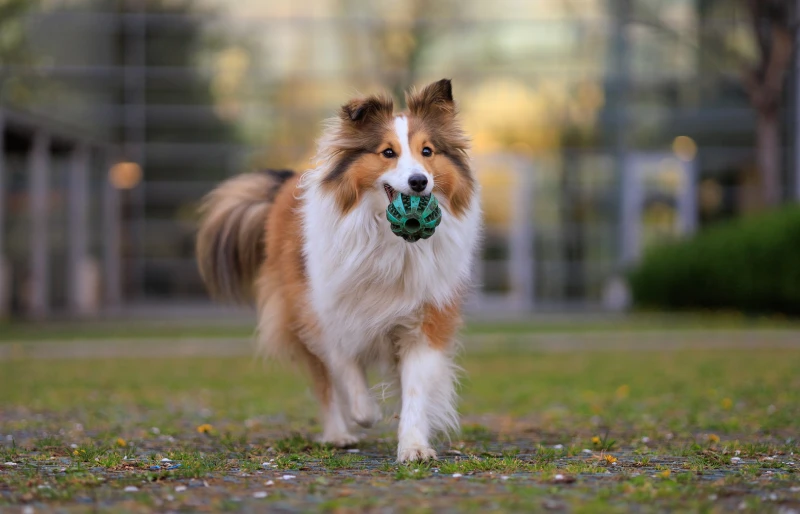
sheltie or shetland sheepdog running outdoors with a ball toy in its mouth

Does your dog go absolutely bonkers over their favorite ball? Do they bring you their ball incessantly and beg for you to play fetch with them 24/7/365? If so, you’re probably curious about what could be driving this obsession. Does your pup just enjoy a good game of fetch, or are they addicted to their ball?

Read on to learn more about the instinctual reasons your dog loves their ball so you can better understand their fondness for their favorite spherical toy.

divider single dog paw oct 2024

The 8 Likely Reasons Why Dogs Love Balls

1. Balls Speak to Their Prey Drive

One of the main reasons dogs love balls, specifically playing fetch with them, is their prey drive.

Prey drive is inherited from your pup’s ancestors: wolves. A dog’s natural instinct is to find, chase, and catch prey. A ball’s path is erratic and unpredictable, replicating what your pup would encounter while chasing prey. While a tennis ball isn’t likely to become your pup’s lunch, its unpredictability stimulates the chase many breeds crave.

yorkie or yorkshire terrier fetching a dog ball toy
Image Credit: Bonnie Kittle, Unsplash

2. Balls Are Fun to Chew

Balls can be perfectly sized to fit in your pup’s mouth, satisfying their instinctual need to chew. Dogs love chewing for stimulation, to relieve anxiety, and as a fun pastime.

Additionally, many dogs are compelled to chew and destroy their toys as it is part of the predatory sequence that includes seeking, eye-locking, stalking, chasing, grabbing, killing, dissecting, and consuming.

We don’t recommend allowing chewing behaviors for several reasons. First, the outer coating of some balls (e.g., tennis balls) can be abrasive and wear down your pup’s teeth over time. Next, dogs have powerful jaws that can split a ball in half in seconds, posing a serious choking risk.

Finally, balls are assembled in mass quantities on factory assembly lines worldwide. Unfortunately, not all manufacturers have safety standards for the materials used to construct their balls. Toxic chemicals and materials may be used at any step of the assembly process.


3. Balls Trigger the Reward Centers of the Brain

Interacting with balls activates a dog’s reward center in their brain. This will trigger an outpouring of feel-good chemicals that further enhance your pup’s enjoyment. Playing with balls can release endorphins and dopamine, promoting pleasure and happiness.

Additionally, pursuing a ball is intrinsically rewarding for dogs, providing a satisfying feeling of achievement once the ball is caught. This neurochemical response will reinforce the positive experience your pup creates between their beloved balls and a rewarding and fulfilling experience.

border collie dog holding black toy ball in mouth
Image Credit: Julia Zavalishina, Shutterstock

4. Balls Create Positive Associations

When you first brought your pup home, you probably started throwing balls and playing fetch with them immediately. These activities are great for building a trusting relationship with your dog while also meeting their mental and physical stimulation needs.

Your dog may have a deep affinity for balls because of your impact on them. They create positive associations with playing with balls, and it becomes a staple activity the two of you can do together to connect and bond.

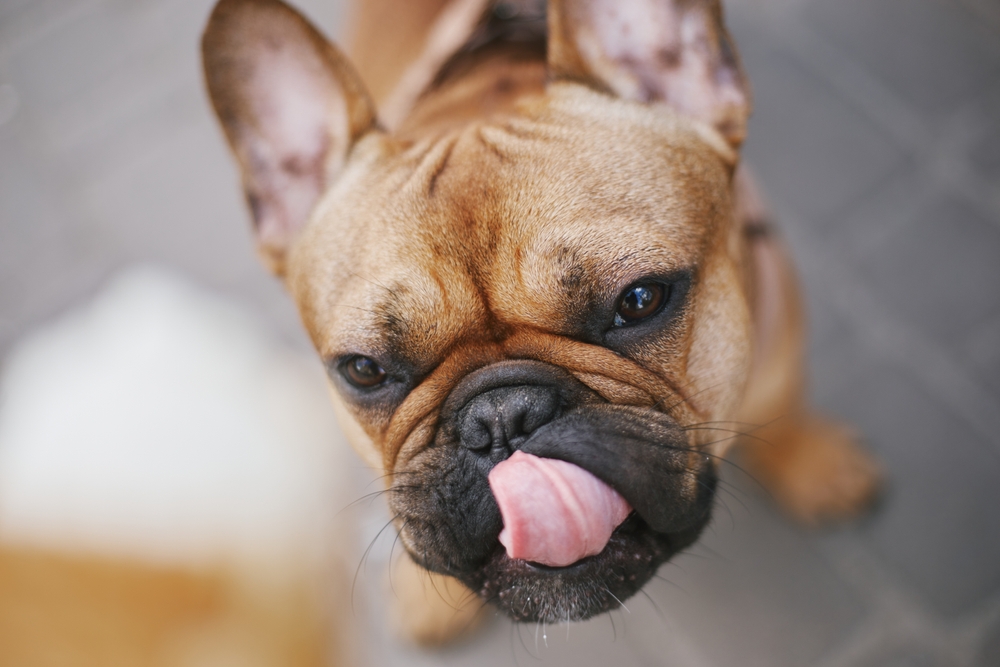
female french bulldog playing ball_
Image Credit: Piqsels

5. Balls Promote Physical & Mental Stimulation

While cats are happy to spend their days napping intermittently, dogs require several sessions of daily exercise to stay happy and healthy. The exact amount of exercise your pup needs will depend on their age, breed, and personality, but most dogs benefit from a minimum of 45 minutes of physical activity daily. Some highly active breeds need as much as 2 to 3 hours of exercise daily.

Playing with a ball is a fun activity that allows dogs to release pent-up energy and prevent any potentially destructive boredom-related activities like chewing or barking.

divider dog paws 3 oct 2024

Can Dogs Become Obsessed With Balls?

Dogs can develop obsessive-compulsive disorder (OCD). The most observed obsessive behaviors include spinning, overgrooming, circling, air biting, eating non-food substances, and pacing. It is possible that obsessive ball chasing could be a compulsive behavior, too.

These compulsive disorders are under constant research. They could be due to chemical imbalances, though underlying medical problems can also be to blame. A veterinarian will need to perform diagnostic tests to determine if your dog’s ball obsession is related to OCD or just a quirk. If they decide that OCD is a concern, behavior and environmental modification will likely be recommended as part of your pup’s treatment plan. A vet may also suggest medication that inhibits serotonin reuptake to help control your pet’s obsessive behaviors.

If you need to speak with a vet but can't get to one, head over to PangoVet. It's our online service where you can talk to a vet online and get the advice you need for your pet — all at an affordable price!

PangoVet_Mention-in-Content Savings V1

divider dog paws 3 oct 2024

Conclusion

Dogs have special connections with balls thanks to their instinctual drives and natural desires. Whether your pooch loves them because they enjoy the hunt, revel in the anxiety-reducing support provided by chewing them, or delight in the mental stimulation they provide, it’s clear that balls are more than just a toy to our beloved canine counterparts.

See also: 


Featured Image Credit: Barcs Tamás, Unsplash

Want content like this delivered to you?

Sign Up For Our Newsletter

News, insights, expert advice, and everything dog

* By submitting, you agree to our Terms & Conditions and Privacy & Cookies Policy.


How useful was this post?

Click on a star to rate (you can leave written feedback after clicking submit)

Help us improve Dogster for pet parents!

Your feedback really matters.

What did you like about this post? Also how can we improve it?

Join the conversation

Leave a Reply

You’re very welcome to leave a comment or question. Please know that all comments must meet our community guidelines, and your email address will NOT be published. Let’s have a positive and constructive conversation.


Dogster's Digital Magazine is Back!​

Dogster Magazine Cover June 2026

Vet-approved health & behavior advice

Real dog stories & community features

The Organization Helping Pets Feel Safer, Happier, and ‘Fear Free’ – Heroes of the Pet World

For many pet owners, stress during veterinary visits, grooming appointments, travel, or even routine handling can feel like an unavoidable part of life...

Why Some Dogs Treat Mealtime Like Playtime – And When to Pay Attention

Most dogs are reliable eaters. Bowl goes down, food disappears. So when a dog starts batting kibble across the kitchen floor, tossing pieces...

Major Win for Dogs: Ontario Becomes the Final Province to Ban Ear Cropping and Debarking

​​Ontario has approved new animal welfare regulations that will prohibit elective ear cropping and devocalization (debarking) procedures in dogs from January 1, 2027....

Dogster’s Weekly Photo Contest Winners: Most Adorable Puppy (June 8, 2026)

Every week our team gets the privilege of sorting through our readers photos to choose what dogs will win this weeks contest! See...

More related

10 Best Dog Foods for IBD in 2026 – Reviews & Top Picks

As pet parents, we hate it when our pets are in pain or sick. If your dog is suffering from an upset stomach...

Assisi Loop for Dogs Review (2026): Pros, Cons, & Verdict

Review Summary The use of pulsed electromagnetic field (PEMF) technology isn’t new. Scientists have researched its efficacy for humans long before getting around...

Do Dogs Get Chapped Lips? Vet-Verified Health Facts

Chapped lips are annoying and can be painful. They are the result of dry, cracked skin and are often caused by cold or...

165 Popular & Unique Bull Terrier Names

Bull Terriers are the ultimate cheeky chappies of the dog world. These fun-loving and mischievous yet sweet dogs practically fizz with personality, so...

Keep reading

11 Vet-Approved Kong Stuffing Ideas & Recipes for Puppies & Dogs

Check with your veterinarian before adding any new foods to your dog’s diet, particularly if your pet has any underlying health conditions or is on a special diet. The KONG is an amazing toy that has been a true gamechanger...

beige fawn husky with multi-colored blue eyes lies on the carpet and chews a red KONG toy

Can Dogs Eat Flour Tortillas? Vet-Verified Nutrition Facts & Info

Our dogs can enjoy quite a few items we have in our fridge or ripening on our counter. They delight in fruits, vegetables, and grains the same as any human. However, when it comes to processed foods with multiple ingredients,...

Dogster-Can-Dogs-Eat-Flour Tortillas

Can Dogs Eat Water Chestnuts? Vet-Verified Facts

It can be hard to tell which foods are good for your dog and which are dangerous. Before feeding your dog any new food, it is best to consult your vet to ensure that you are making a good decision...

Can Dogs Eat_water chestnuts

Can Dogs Eat Salmon? Vet Reviewed Nutrition Facts & Precautions

When you think of dog food, you probably think of beef or chicken instead of novel protein sources like salmon. Part of the reason lies in the habitat we associate with canines. Wolves typically live in various areas, such as...

Can Dogs Eat_salmon

Can Dogs Eat Corn? Vet-Reviewed Facts & Nutritional Benefits

Corn is a ubiquitous ingredient that shows up in all sorts of things, including dog food. This makes many people believe that corn is completely safe for dogs. So, can dogs eat corn? Corn is safe for dogs as long...

Can Dogs Eat Corn

Beef vs Chicken Dog Food: 2026 Comparison, Pros & Cons (Vet-Reviewed)

Dog food comes in a variety of options for proteins and formulas. From classics like chicken and turkey to novel proteins like duck, wild-caught fish, and rabbit, you have no shortage of choices for what to feed your dog to...

Dogster_Beef vs Chicken Dog Food

Can Dogs Eat Carrots? Vet-Approved Nutrition Facts & FAQ

While we all love a tasty treat occasionally, we often wonder if the foods we’re snacking on are safe to offer dogs, especially when they look at us with those pleading puppy-dog eyes. If you are a carrot fan or...

Can Dogs Eat Carrots

Can Dogs Eat Salt? Vet-Verified Facts, Risks & FAQ

Salt is a pantry staple, used to cook with, season with, and preserve. Some people can’t enjoy a meal without adding an extra dusting of salt, especially to meaty dishes like steaks, stews, chips, or eggs. It may make you...

Can Dogs Eat Salt

Love Dogs? So Do We! Join the Dogster Community

Stay informed with expert pet care insights delivered straight to your inbox! Discover professional guidance on animal behavior, feeding tips, trusted product picks, and much more.


Sign up for the Dogster Email Newsletter