In this article
Your new puppy is basically the cutest creature on the planet, and you probably want to show them off to everyone you know. Friends want to snuggle them, family wants to meet them, and every dog parent you know is ready to schedule a playdate.
But here’s the tricky part: puppies haven’t built up immune protection yet. So can your unvaccinated pup safely hang out with vaccinated dogs? Technically, yes, but there’s a lot more to the story. Let’s dive into what’s actually safe, what’s not, and how to protect your little buddy during these vulnerable first weeks.

Can Puppies Safely Meet Vaccinated Dogs?
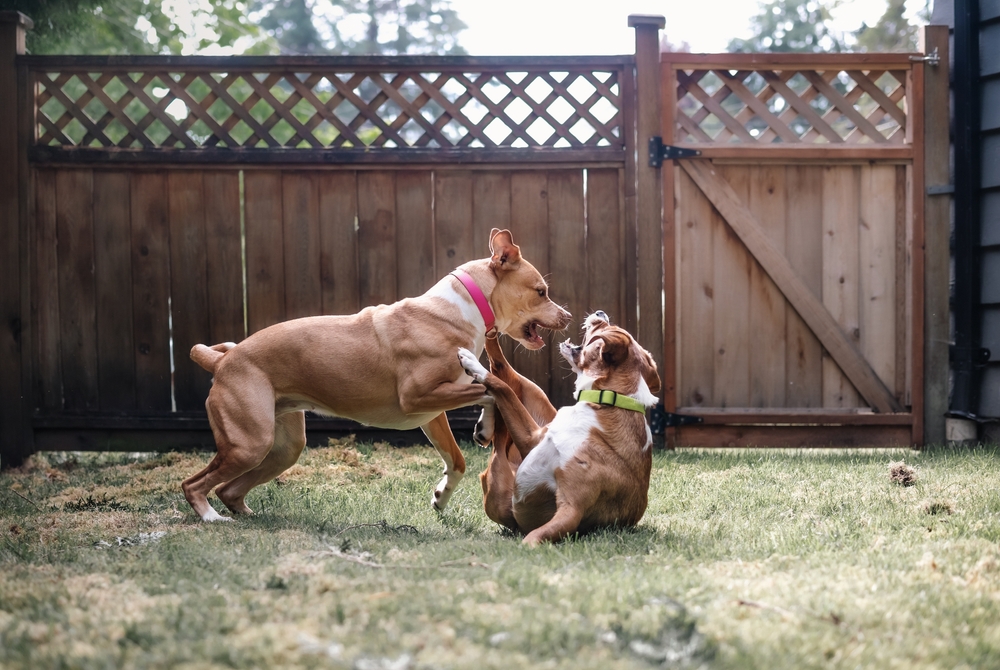
Veterinarians generally agree that healthy, fully vaccinated adult dogs are safe companions for an unvaccinated puppy. If you have older dogs at home who are up to date on their vaccines, you can introduce them right away. Trusted friends’ dogs who are vaccinated and not showing any signs of illness are also typically fine.
That said, “safe” doesn’t always mean it’s the best choice. Early socialization matters, but the priority is keeping your puppy out of situations where they could be exposed to disease. Controlled meetups are acceptable; casual outings around unknown dogs are not.

How to Socialize Without Putting Your Puppy at Risk
Every puppy needs positive early experiences to grow into a confident adult dog, and it’s normal to want to start right away. But until their vaccines are complete, socializing must happen thoughtfully. Safe interactions with vaccinated dogs in predictable, controlled environments are ideal.
If you don’t need to take your puppy out into public spaces, it’s better to avoid it for now. Let safe, friendly, vaccinated dogs come to your home or yard instead. And if a dog in your household becomes sick, keep them separated from your puppy until they’re fully recovered. A young immune system is extremely vulnerable and can’t fight off what an adult dog might easily shrug off.

Safe Spaces vs. Risky Ones
Your puppy’s surroundings matter just as much as the dogs they interact with. Safe environments include areas you can fully control, such as your home, your yard, or a responsible friend’s house. These spaces offer predictable cleanliness and don’t have lingering traces of unknown dogs. Even the veterinarian’s office is generally safe, though it’s smart to keep your puppy off the floor and away from close contact with sick pets.
Risky environments are places with unknown dog traffic. Dog parks, public sidewalks, beaches, restaurant patios, and other bustling pet hangouts can expose your puppy to viruses left behind by unvaccinated or sick dogs. Even if those areas look empty, infectious particles (especially from diseases like parvo) may linger for days or weeks. Until your puppy is fully vaccinated, these spots are best avoided altogether.
Some dog daycares and boarding facilities seem like safe options, but the truth varies. Many require vaccinations, but screening isn’t always foolproof. In most cases, your puppy won’t be allowed in until they’re vaccinated anyway, so it usually isn’t an issue. Still, it’s helpful to know that not all facilities maintain the same level of caution.
When Puppies Are Fully Vaccinated
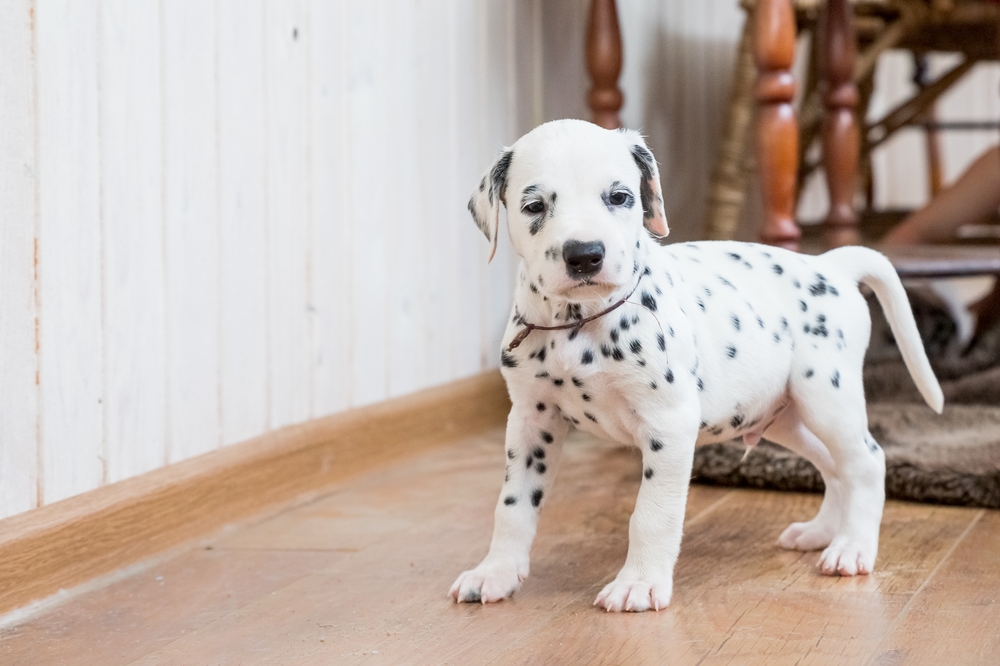
Puppies don’t receive one single vaccine; they go through a series. Most start between 6 and 8 weeks of age and complete their final core vaccines between 16 and 20 weeks. After that last dose, it takes about two more weeks for their immune system to fully respond.
That means a puppy finishing their series at 18 weeks won’t be considered fully protected until around week 20. They’ll get a booster at about one year old and then every one to three years afterward. Until that initial series is completed, they remain at risk for serious illnesses.
Why Early Disease Exposure Is So Dangerous
Puppies are born with developing immune systems, and without complete vaccination, they’re vulnerable to some very serious diseases. Among the most dangerous threats are parvovirus, distemper, and hepatitis. These illnesses can cause severe symptoms and can even be fatal.
Vaccines are designed to shield them from these risks, but partial vaccination isn’t full protection. That’s why limiting exposure to unfamiliar dogs and public dog spaces is not just recommended, it’s essential. Keeping your puppy in safe, predictable environments reduces the chances of encountering viruses they aren’t ready to fight.

Conclusion
Bringing home a puppy is one of life’s sweetest joys, and keeping them safe during their early months is part of the adventure. While they can meet fully vaccinated dogs in calm, controlled settings, the outside world is still risky until their vaccines are complete.
With a little patience and smart planning, you’ll give your puppy the healthy start they deserve. Before you know it, they’ll be ready for all the walks, playdates, and new experiences you’ve been excited to share with them.
Feature Image Credit: Victoria Rak, Shutterstock
Did You Know?