Patellar Luxation in Dogs: Signs, Symptoms & Care (Vet Answer)

In this article
Patellar luxation in dogs can range from a simple annoyance, to something that causes limping, arthritis, and more. The fancy term of patellar luxation basically means that the kneecap slips out of the normal position on the hind leg Depending on how severe it is, can cause a variety of clinical signs. Certain breeds of dog are more prone to having issues with this, though this doesn’t make going through the process any easier!
There are a number of fixes, depending on how bad the patellar luxation is in your pup, as well as how much they actually feel its effects. Some dogs can be relatively unaffected, especially if they are lean and small, while bigger dogs, and overweight dogs, may experience more side effects.
Read on to learn about the signs and symptoms of patellar luxation in dogs, and care options for the poor pups that have the condition.

What is Patellar Luxation in Dogs?
The patella is a fancy name for a kneecap. Kneecaps are found on both hind legs in animals, between the femur and the fibula and tibia, and act to protect the knee joint from injury.
A patella is said to be luxating—or slipping from side to side—when it shifts out of its normal place into grooves in the bones mentioned. This generally happens when the grooves are not deep enough, and can be genetic, though other factors, like trauma, may contribute to the condition. Patellar luxation can involve one, or both, hind legs.
How severe the condition will be for any particular dog depends on how much the patella slips sideways, and how easily it can slip back into the normal position (a term called “reduction”). This is further exacerbated if the dog is very active, which can make the patella more prone to slipping. Or, if the dog is a large breed, or is overweight, more pressure is put on the joint, which may encourage the patella to slip.
Patellar luxation is graded on a scale of 1-4, as follows:

What Are the Signs and Symptoms of Patellar Luxation in Dogs?
Signs of patellar luxation can vary quite significantly, depending on the degree of the luxation. For dogs with Grade 1 disease, they may show very few signs or symptoms, or nothing at all. That is because the patella spends most of its time in a normal position, therefore, there are no clinical signs to be seen.
For dogs with grades 2 or 3 patellar luxation, they may limp when the patella is luxated, or hold their limb up to avoid putting weight on it. They may also have difficulty in running, and develop an abnormal gait to compensate.
Dogs with grade 4 patellar luxation often have the most severe clinical signs, which includes limping, difficulty in walking and running, and sometimes vocalizing while using their hind legs. Permanent secondary changes, such as arthritis, can also lead to further mobility issues.
If you suspect your pet is suffering from patellar luxation, you should contact your vet directly for an assessment. They can provide you with more information and a care plan.
What Treatment or Care Options Exist for Patellar Luxation in Dogs?
Treatment and care of patellar luxation can vary widely, depending on the grade of the disease. If no clinical signs are present, then generally no treatment is pursued. However, as clinical signs increase, so do the number of treatment options.
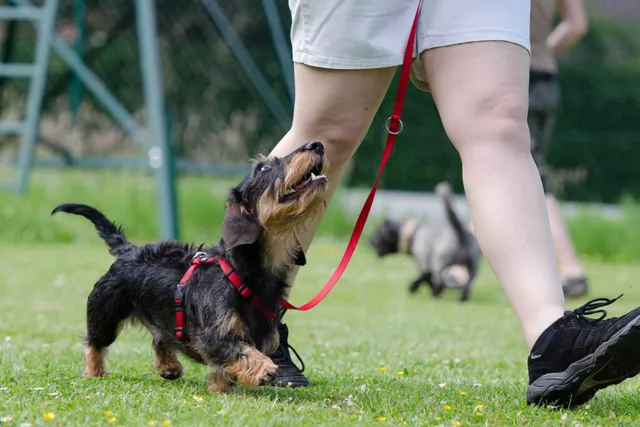
Caring for a dog with patellar luxation can require a change in routines. You may choose to do different activities, that don’t involve high stress to the knee joint. For instance, instead of flyball, you might take your dog to the beach for some swimming. Or, instead of going for a run with your dog, you might go for a slow-paced walk. Making small adjustments can make big differences when it comes to activity levels.
What Are the Potential Dangers of Not Treating Patellar Luxation in Dogs?
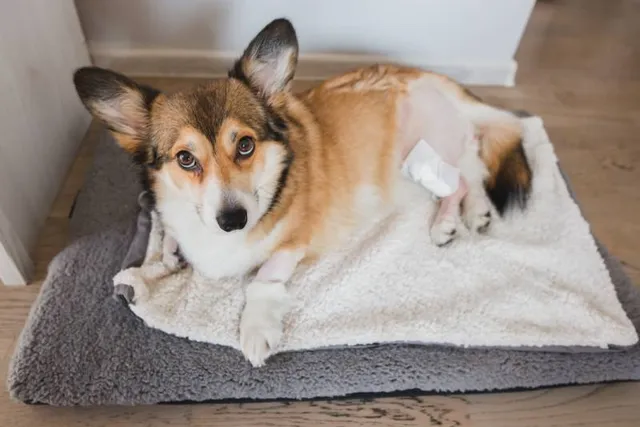
Although the condition of patellar luxation, in itself, is not life-threatening, it can certainly impact a dog’s day-to-day quality of life. Imagine if you were uncomfortable or in pain with every step you took!
The other downside of leaving Grade 2-4 patellar luxation untreated, is that it can cause changes in the way the limb functions and moves, which can lead to other complications including the development of arthritis. Therefore, treating a dog that is showing signs of patellar luxation is a wise thing to do!

Frequently Asked Questions (FAQs)
What should I do if I suspect my dog might have patellar luxation?
It is a good ideal to call your vet to make an appointment. This is not a condition that is an emergency, but should generally be seen within a week or two of first noticing the issue—sooner, if possible. Next, get a video of what signs you are seeing that makes you think your dog might have patellar luxation. This will help to show your vet what is occurring, especially since it may not happen in the clinic during your dog’s appointment.
How is patellar luxation in dogs diagnosed?
Patellar luxation often involves a multi-step process to reach the final diagnosis.
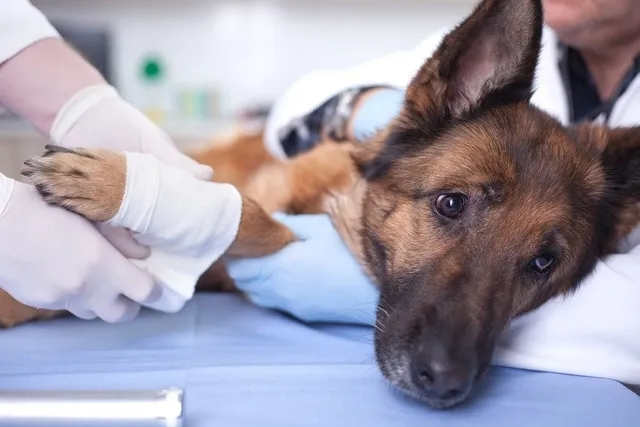
First, you may notice issues with your dog’s walking that you bring to the attention of your vet. A physical exam will follow, where your vet will palpate and manipulate both hind legs and kneecaps, to check for any looseness, or abnormalities of the joint and associated tendons and ligaments. If they find any abnormalities, they will often want x-rays to look for other changes that may be occurring in the joint as well.
Sometimes, they may want to sedate or anesthetize your dog for x-rays, especially if they think surgery may be needed for treatment. Other times, they may send your dog for advanced imaging, including CT or MRI scans. Again, this may be more likely if they think surgery is the next step.
Conclusion
Patellar luxation in dogs can range from mild to severe. Thankfully, it is not a life-threatening condition that requires emergency treatment, but it is a chronic condition that often gets worse with time, and can have secondary impacts that further worsen a dog’s mobility. Therefore, staying on top of patellar luxation with appropriate treatment and monitoring is important.
The good news is that many things can be done at home to keep your pup comfortable and happy. And, it doesn’t mean you can’t still enjoy the same quality time with them, though you may need to moderate some forms of activity to compensate for the patellar luxation.
Sources
Featured Image Credit: 135pixels, Shutterstock
Expert dog care, straight to your inbox
News, insights, expert advice, and everything dog.

No spam — unsubscribe anytime.
By signing up, you agree to our Terms & Conditions and Privacy & Cookies Policy.
How useful was this post?
Click a star to rate. You can leave written feedback afterwards. (We read all feedback.)
Dr. Lauren Demos DVM (Veterinarian)
As a veterinarian, Lauren is happy to share her rich experience in emergency medicine and cats, with our readers. She enjoys sharing helpful, real life tips for having pets as part of your life, and what to do in critical situations.
Lauren is a vet with over a decade of experience in cats and dogs, along with infectious diseases. She enjoys teaching, and lectures for students, pet owners, and clinicians, on various topics.
Lauren received her degrees from Murdoch University, in Perth.