In this article
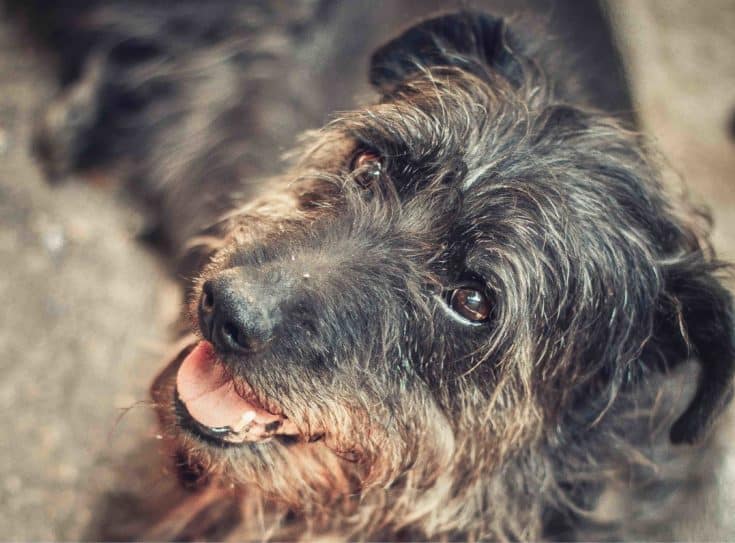
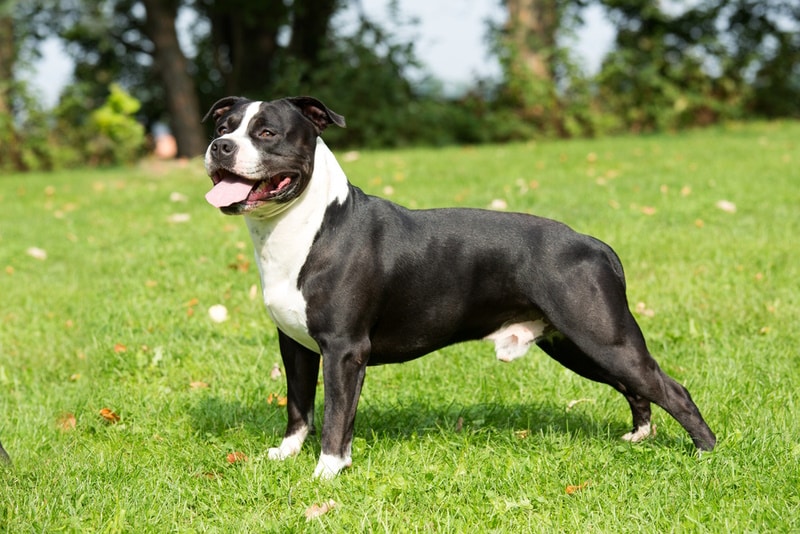
While we humans quickly begin to drip sweat through our pores under the hot summer sun, dogs have no sweat glands; they release body heat through their paw pads and through panting. When a dog pants, they release hot air out of the body and inhale cool air to regulate their body temperature through evaporation. You might have noticed that dogs tend to pant after a walk on a hot day or after intense activity such as running, which is perfectly normal.
When your dog is panting to regulate their body temperature, they will lose a large amount of water evaporation, so we have to make sure they have access to fresh, clean drinking water to help replenish their hydration status.
But what if you’re hearing your dog pant in the middle of the night? What could be the cause for that? Let’s take a closer look.

Most Likely Cause of Panting: Heatstroke
Excited dogs tend to pant, wag their tail, and make whining sounds when they are happy to greet a person, receive a treat, or get a chance to play with their favorite toy.
Panting in these scenarios is a normal behavior in all dogs and there is no reason for concern.
However, panting can also indicate a serious condition in the scenario of heatstroke. This is less likely to happen at night, but we’ll lay out key indicators of this potential issue before taking a closer look at nighttime variables.

Heatstroke
Heatstroke is a veterinary emergency. In extreme weather conditions, a dog can easily get overheated and quickly get dehydrated, suffer organ damage, and even die.
- Dogs that are exercised without taking breaks or without drinking water.
- Dogs that are left outside during hot sunny days without access to shade or water.
- Dogs left inside cars during hot days can easily get overheated.
Heavy panting, excessive salivation, restlessness, laying flat, or even collapse are signs of heatstroke. Offer cool (not cold) drinking water and attempt to gradually reduce the body temperature of your dog by placing them in a controlled temperature room such as a room or car with an air conditioner or by covering their body with cool towels while you make your way to the veterinary clinic.
Once at the clinic, the dog most likely will need some IV fluids to help recover their normal body temperature and hydration status. A blood sample will be needed to investigate the state of the internal organs.
However, if a dog is panting at night, especially if the environmental temperature is normal, that tends to be an indication that something else is going on requiring additional investigation. If the panting does not correlate to activity or environmental temperature, there’s likely something else afoot.
If you’re concerned about your pet’s well-being, we recommend consulting a veterinarian.
If you need to speak with a vet but can't get to one, head over to PangoVet. It's our online service where you can talk to a vet online and get the advice you need for your dog — all at an affordable price!

The 9 Common Reasons Why a Dog Might Be Panting at Night
1. Stress

Besides a way of showing excitement, panting is also a way dogs express stress. Studying the scenario, including the rest of the dog’s body language, and any new stimuli that might be stressing the dog will help you find a solution to calm them. Dogs that are panting due to stress tend to have wide-open eyes and look restless.
Besides recognizing and removing the stressor factor, pheromone diffusers could be of help for your stressed dog to calm down before the issue escalates to anxiety and fear.
2. Anxiety and Fear
Similar to a stressed dog, an anxious or scared dog will pant, tuck their tail between their legs, and have their eyes wide open. Some will run to hide, others will be shaky. This is commonly seen in dogs during thunderstorms and fireworks. This is a very traumatic event for a dog.
Talking with a veterinarian about the possibility of anti-anxiety treatments such as calming treats, specialized diets, or even prescription medication might be the way to go, depending on the severity of the anxiety.
3. Pain

Dogs that are in pain have an elevated heart rate and elevated respiratory rate and could be panting. If you see your dog limping, that is a clear indication that panting is related to pain. However, even if you cannot see any clear injury, your pup might still be in pain due to something that’s not visible, like an internal organ issue, which needs to be checked by the vet.
4. Anemia
Anemia is a condition where there are not enough red blood cells to deliver oxygen to all the organs of the dog’s body. Organs with a lack of oxygen do not function normally. There are several different kinds and causes of anemia including parasites, blood loss, toxicity, and disease. Besides excessive panting, anemic dogs tend to look tired and have pale gums.
To successfully treat the anemia, the veterinarian needs to investigate what is causing the condition.
5. Cushing’s Disease

Cushing’s disease is an endocrine disorder where the adrenal glands secrete an excess of cortisol. Several reasons can cause this disorder including tumors of the pituitary or adrenal glands and the long-term use of corticosteroid drugs. Panting is one of the hallmark signs of Cushing’s disease in dogs. Other characteristic signs are a pot-like belly, as well as increased thirst, urination, and hunger.
Cushing’s disease is more common in older dogs and needs specialized testing to be accurately diagnosed. The management treatment of Cushing’s depends on the causing factor. Some cases can be treated with oral medication but others require complex surgery. A veterinarian diagnosing the disease should be able to recommend a treatment plan.
6. Heart Disease
When the blood-pumping organ is not working properly, the oxygenation is compromised. Panting is one of the signs of heart disease. Heart disease can be caused by parasites such as heartworm, which dogs can get through the sting of a larva-infected mosquito. Dogs that live in areas with a high prevalence of the parasite Dirofilaria immitis, or heartworm, should get a prophylactic monthly treatment.
Products such as Heartgard avoid the infestation by this roundworm. Other non-infectious forms of heart disease include arrhythmias, cardiomyopathies, and valve disorders.
7. Cognitive Dysfunction

Older dogs suffer from a dementia-like syndrome known as cognitive dysfunction. Panting and pacing at night are some of the many signs of this condition. Cognitive dysfunction is a degenerative disease affecting the brain and memory. It results in changes in the dog’s behavior and motor function.
There is no cure for this condition, however, treatment and management options include supplements, medications, and behavioral modification methods.
8. Medications
Medications such as prednisone and steroids are well known to cause panting in dogs. If your dog is under medication and is panting excessively you must address the issue with the veterinarian.
9. Facial Structure
Brachycephalic dog breeds such as Pugs, Boxers, and Bulldogs tend to make abnormal snoring-like sounds when they pant due to the airway obstruction caused by their anatomy. This same obstruction makes them more susceptible to heatstroke.
Likewise, Labradors and Golden Retrievers could suffer a condition called laryngeal paralysis where the vocal cords do not open wide enough to allow air to flow normally, resulting in an abrasive sound. The airway obstruction again makes these breeds more susceptible to heatstroke.
Final Thoughts
Panting can be normal behavior in dogs when they are excited, have normal to moderate physical activity, or are trying to release some body heat. Excessive panting with abnormal behavior on a hot day should be treated as a medical emergency due to the possibility and risks of heatstroke. A dog panting at night is indicative of other issues and should be investigated.
If your dog is panting and presenting other signs such as compromised breathing, coughing, lack of appetite, low energy, or any change of behavior that concerns you, please go to the vet immediately.
You know your dog better than anyone, and if you have noticed a change in their behavior and you are concerned something is going on, it is always better to err on the side of caution and treat medical issues sooner rather than later.
Featured Image Credit: Gheorghe Mindru, Shutterstock