Get

In Your Inbox

Dogster is reader-supported. When you buy via links on our site, we may earn an affiliate commission at no cost to you. Learn more.

Can Dogs Get Sick From Humans? 7 Possible Diseases (Vet Answer)

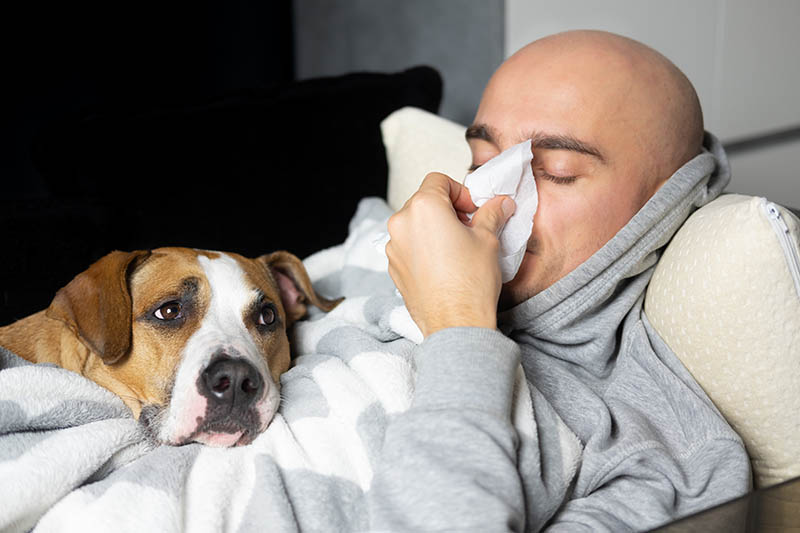
sick man lying in bed with his dog

Pets can pass diseases to people in a process called zoonosis. But can we pass germs to our dogs and make them sick? Yes, we can! Dogs can indeed get sick from humans. That said, while dogs can catch germs from us, this is less common than pets making us sick. Viruses, bacteria, fungi, and parasites can all be shared between animals and people. Read more to find out which diseases we can pass on to dogs and how to keep your pets safe.

divider dog paws 2 oct 2024

The 7 Diseases Dogs Can Get From Humans

1. Common Cold and Flu

While cold and flu viruses can easily pass from person to person, dogs are more resistant. However, it is still possible for your dog to catch a cold or the flu from you or a family member in close proximity. Cold viruses are more species-specific, meaning it is rare or unlikely that your dog will catch the sniffles from you.

Flu viruses, however, are a bit more indiscreet about who they infect, and they readily mutate to infect different species of animals (e.g., swine flu, avian flu, etc.). Dogs have their own flu virus, known as canine influenza, that is contagious to other dogs, though there have not been any reported cases in humans.

The flu virus primarily affects the respiratory system. Signs of the flu in dogs include sneezing, coughing, runny nose, eye discharge, decreased appetite, and fever. Some dogs show no signs at all, while others may develop a more severe illness that can lead to pneumonia. Most dogs recover in 2–3 weeks, but if you have concerns about your dog’s health, contacting your veterinarian is recommended.

If you need to speak with a vet but can't get to one, head over to PangoVet. It's our online service where you can talk to a vet online and get the advice you need for your pet — all at an affordable price!

PangoVet_Mention-in-Content Savings V1


2. COVID-19

There have been reported cases of dogs catching COVID-19 from their infected pet parents. That said, dogs are not easily infected. Close contact, such as hugging, kissing, and sharing food with your dog while sick with COVID-19, may transmit the virus. Signs of COVID-19 in dogs include sneezing, coughing, eye and nasal discharge, fever, lethargy, difficulty breathing, vomiting, and diarrhea. Most dogs have mild signs and improve with supportive care at home.


3. Giardia

This protozoan is a parasitic disease that is passed on through feces and contaminated water sources. Dogs are susceptible to catching Giardia from people after they drink from water sources shared by humans, including swimming pools, spa water, lakes, and streams. Signs of Giardia in dogs include diarrhea and weight loss. It is typically treated with an antiparasitic medication, such as fenbendazole.


4. MRSA

Methicillin-resistant Staphylococcus aureus (MRSA) is a bacterium that has become resistant to many antibiotic treatments. It typically causes skin infections but may also cause pneumonia and infection of the bloodstream (sepsis). Dogs may become infected with MRSA if their pet parents work in a healthcare setting where the disease is prevalent or if their owner is actively infected with it.
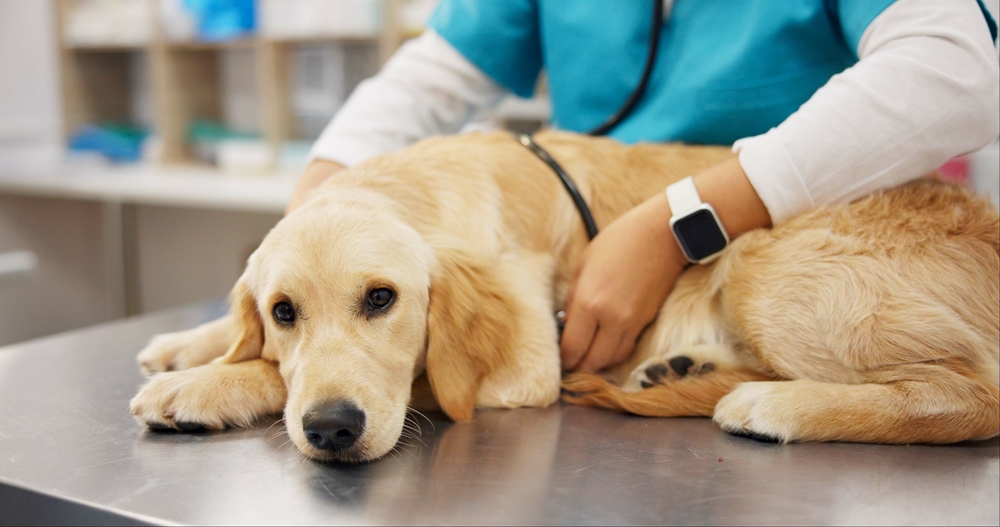
vet examining dog in the clinic
Image Credit: PeopleImages.com – Yuri A, Shutterstock

5. Mumps

Dogs can catch the mumps virus from infected people, though the risk is low. Signs in dogs include fever, lethargy, swollen salivary glands, and decreased appetite. Most dogs recover in 5–10 days and may need supportive care at home, as there is no specific treatment available for dogs.


6. Ringworm

Ringworm is a fungal infection of the skin that can be passed from pets to people and vice versa. Signs of ringworm in dogs include rounded patches of hair loss that may or may not be itchy. Besides catching ringworm from pet parents through direct contact, dogs can also get it through contaminated brushes or bedding. Ringworm infections in dogs can be treated topically with an antifungal ointment, dips, or shampoo, and/or they can be treated systemically with oral pills or liquid medication if needed. You can prevent transmitting ringworm to your dog by keeping ringworm lesions covered.


7. Salmonella

Dogs can become sick with Salmonella after drinking from the toilet or eating foods contaminated with the bacterium, including food from the trash. Signs of Salmonella poisoning in dogs include nausea, vomiting, diarrhea, and fever.
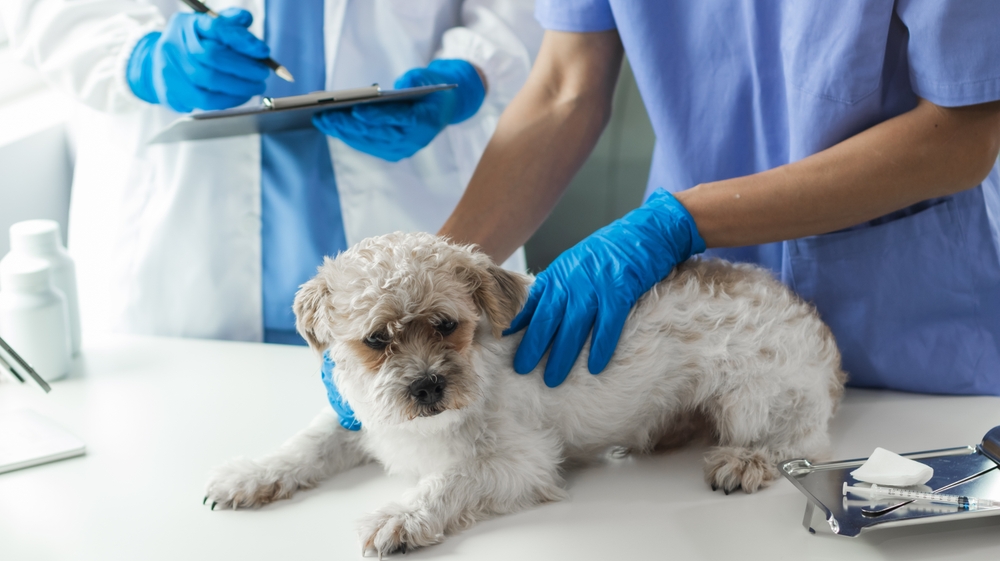
a shih tzu dog being checked by two vets
Image Credit: KongNoi, Shutterstock

divider dog paws 2 oct 2024

Tips for Keeping Your Dog Healthy and Safe

  • Always wash your hands before and after interacting with your dog, especially when you are sick and after using the restroom.
  • Wear a mask that covers your nose and mouth if you have mumps, a cold, the flu, or COVID-19.
  • Limit contact with your dog, if possible, when you are fighting an illness.
  • Avoid close contact with your dog, including hugging them, kissing them, and sharing food with them when you are sick.
  • Have a healthy family member or trusted neighbor care for your dog when you are ill.
  • Avoid letting your dog drink from the toilet and get into the trash.
  • Always contact your veterinarian if you have concerns about your dog’s health.

divider single dog paw oct 2024

Final Thoughts

People may pass illnesses to their dogs, but this is less common than dogs making us sick. A few diseases, such as the flu virus, COVID-19, the mumps virus, ringworm, and parasitic and bacterial infections, can be transmitted to dogs, albeit rarely. Taking precautions around your pets if you are sick, including frequent handwashing and avoiding close contact, can help reduce the risk of spreading a disease. Any health concerns regarding your dog should be discussed with your veterinarian.


Featured Image Credit: Aleksey Boyko, Shutterstock

Want content like this delivered to you?

Sign Up For Our Newsletter

News, insights, expert advice, and everything dog

* By submitting, you agree to our Terms & Conditions and Privacy & Cookies Policy.

How useful was this post?

Click on a star to rate (you can leave written feedback after clicking submit)

Help us improve Dogster for pet parents!

Your feedback really matters.

What did you like about this post? Also how can we improve it?

Join the conversation

Leave a Reply

You’re very welcome to leave a comment or question. Please know that all comments must meet our community guidelines, and your email address will NOT be published. Let’s have a positive and constructive conversation.

Talk With A Vet Online

Peace of mind,
anywhere, anytime

Affordable vet advice

Do Dogs Get Sore Muscles From Exercise? Vet-Verified Facts & FAQ

If you notice your dog acting gingerly after playing, it could lead you to wonder if they are sore. After all, humans can...

Doberman Enthusiasts to Gather for 2026 UDC Nationals Competition in New York

Get ready for ten days of high-powered dog sports, jaw-dropping athleticism, and tail-wagging celebration: the United Doberman Club (UDC) is hosting its 2026...

How Long Do Alaskan Malamutes Live: Average Lifespan, Data & Care (Vet-Approved)

The Alaskan Malamute is a semi-popular dog breed that thrives in cold weather. The thick-coated animals are much like a Siberian Husky, only...

10 Best Dog Beds in 2025 – Reviews & Top Picks

Buying a new bed for your dog is almost like looking for a new mattress for yourself. You want your best friend to...

More related

Carlin Pinscher (Miniature Pinscher & Pug Mix): Info, Pictures, Care & More

The Carlin Pinscher is a mixed breed created by blending the Miniature Pinscher with the Pug. It’s a newer breed that didn’t get...

How Much Do Bloodhounds Shed? Vet-Verified Facts & Grooming Tips

Bloodhounds are known as moderate shedders. That means that while they do shed, Bloodhounds don’t shed quite as much as some other breeds....

Shiba Inu vs Korean Jindo: Differences Explained (With Pictures)

Both Shiba Inus and Korean Jindos have captured the hearts of many with their loyal and spirited nature, but they differ in various...

Why Does My Dog Snort Like a Pig? 7 Vet Reviewed Reasons & When to Worry

Has your dog been concerning you or cracking you up with a new habit? If you’ve noticed your dog snorting like a pig,...

Keep reading

Can Dogs Eat Jolly Ranchers? Vet Approved Facts & FAQ

Do you have a candy jar on the coffee table or the counter? Does your dog enjoy stealing food when you’re not looking? You are not alone! With dogs, this is a common situation. You might be curious if Jolly...

Can Dogs Eat Jolly Ranchers

What to Do When Your Dog Food Has Been Recalled: 7 Useful Recommendations

You want your dog to have the best of everything, including dog food. Even if you’ve found the perfect food for them, one they love that is also nutritious, though, you may not be able to feed them that food...

dry dog food in a bowl on wooden table

10 Best Dog Foods for Rat Terriers in 2025 – Reviews & Top Picks

Rat Terriers are adorable, medium-sized dogs that can bring light to your world. They are compact little dogs coming in at around 13 inches tall that love to play, be loved, and are tough as nails. Like with any dog...

Rat Terrier Smiling

What Is Meat Meal in Dog Food? Vet-Approved Facts & FAQ

There are many misconceptions about meat meal out there. Since meat meal isn’t whole meat, many dog owners assume that it’s a derivative of meat, similar to by-products. However, this isn’t exactly true. Quality meat meal can actually be a...

dog eating

6 Great Sources of Carbohydrates for Dogs: Vet-Verified Nutrition Facts

When it comes to dog nutrition, carbohydrates are a tricky subject. While canines can get energy from protein and fat, many dog food brands contain one or multiple sources of carbs. On the opposite end, there are dog food recipes...

dog eating rice

Why Dogs Love Cheese – And How to Pay the Cheese Tax Safely

Ever notice your dog’s tail wagging uncontrollably when you pull out a block of cheese? You’re not imagining it; most dogs genuinely love cheese. But what makes this creamy treat so irresistible to our furry friends? And more importantly, is...

Jack-Russell-Terrier-begging-the-hostess-cheese

Can Dogs Eat Sunchips? Vet-Verified Nutrition Facts & Alternatives

For many people, it’s hard to resist cravings for junk food. We often ignore the unfavorable health effects of these tempting treats, whether a bag of Cheetos at midnight or Sunchips while watching a game. But what about our furry...

Can Dogs Eat Sunchips

Can Dogs Eat Cayenne Peppers? Vet-Approved Advice

Cayenne peppers, also colloquially called chili peppers, are a delicious spicy fruit, but they aren’t a suitable treat for your pup. What happens if your dog gets into the cayenne peppers? Should you worry or even panic? Cayenne peppers are...

Can Dogs Eat_cayenne peppers