Get

In Your Inbox

Dogster is reader-supported. When you buy via links on our site, we may earn an affiliate commission at no cost to you. Learn more.

Can Dogs Eat Corned Beef? Vet-Verified Safety & Nutrition Facts

Share

can dogs eat corned beef?

Corned beef is a popular salt-cured meat that’s consumed in a variety of forms. Some people buy corned beef from their local deli and make sandwiches. Corned beef is also popular at certain times of the year, such as Saint Patrick’s Day. That means that there are ample opportunities for dogs to come across this type of meat but can dogs eat corned beef?

In short, dogs should not eat corned beef. Corned beef poses a number of risks to dogs with no benefits, which makes it a food that should be avoided at all times. Here is everything you need to know about corned beef, including why it is dangerous, signs that your dog has eaten too much corned beef, and what to do if your dog eats some by accident.

divider dog paws 3 oct 2024

Why Dogs Can’t Eat Corned Beef

There are a number of reasons why dogs should not eat corned beef, but the two main reasons are its high salt content and the presence of nitrates.

Back in the day, curing meat was one of the only ways to preserve it before the invention of the refrigerator. This brine makes corned beef extremely salty compared to uncured meat. A single piece of corned beef can contain over 3,000 mg of sodium. A small piece of corned beef (3oz) can contain upwards of 1,000 mg of sodium. Although eating corned beef one time likely won’t hurt your dog, these are unsafe levels for dogs to ingest on a regular basis.

Since corned beef is a processed meat, it can also contain other things, such as synthetic preservatives, herbs, and spices, which can make your dog ill. Corned beef is also fatty, and excess fat, paired with excess salt, can stress your dog’s digestive system and lead to lingering problems.

For these reasons, you should avoid feeding your dog any amount of corned beef. The risks are too high to justify willingly giving a dog any corned beef.
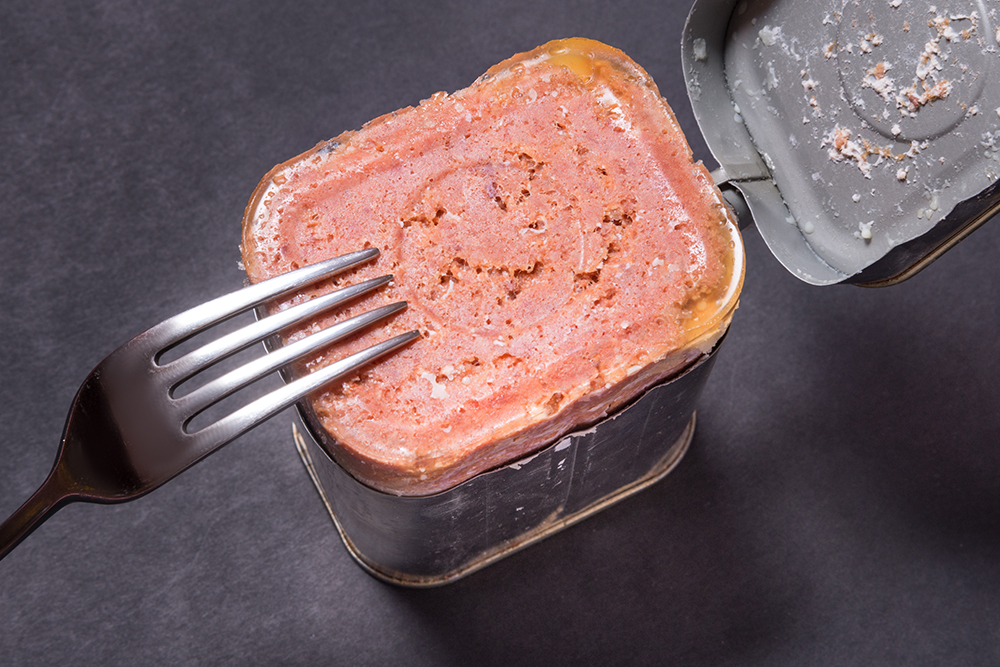
an opened can of corned beef
Image By: mdbildes, Shutterstock

Dangers of Feeding Corned Beef to Dogs

The biggest risk associated with the consumption of corned beef is the level of salt present. Corned beef can contain unhealthy levels of sodium. Eating too much sodium can cause a slew of problems for dogs, ranging from mild to severe. Mild problems include dehydration, increased thirst, and increased urination. More severe problems can include vomiting, diarrhea, tremors, or even seizures.

Corned beef can also contain herbs and spices that can be dangerous to dogs (such as garlic and onion). Corned beef also contains potentially unhealthy levels of fat. If a dog eats too much corned beef, they can potentially ingest enough fat to give them pancreatitis, a severe health condition that can be fatal.

What Happens If Your Dog Eats Corned Beef?

If your dog eats a small amount of corned beef, you should have nothing to worry about. Monitor your dog for any signs of vomiting or diarrhea and ensure they have access to clean water. If your dog eats a large amount of corned beef (such as a full package, pound, or can), you might want to consider taking them to the veterinarian. Dogs can typically eat small amounts of unsafe or unhealthy foods without too much concern. However, if you see concerning signs in your dog after ingesting corned beef or if you are worried about the amount they consumed, contact your veterinarian.

If you need to speak with a vet but can't get to one, head over to PangoVet. It's our online service where you can talk to a vet online and get the advice you need for your pet — all at an affordable price!

PangoVet_Mention-in-Content Savings V1

Can Dogs Eat Regular Beef?

Regular beef is safe for dogs to eat, especially in moderation, provided that it has no seasonings on it. The reason why corned beef is unsafe has to do with the brine. The primary difference between regular beef and corned beef is the brining process. In fact, the name corned beef comes from the salt used to cure it. In the past, large salt rocks were called corn or kernels. Therefore, corned beef is called that because of the corn salt used to create it. In that way, corned beef reads like salted or salty beef. If people referred to corned beef as salty beef, then it might be more apparent that it is unsafe for dogs.
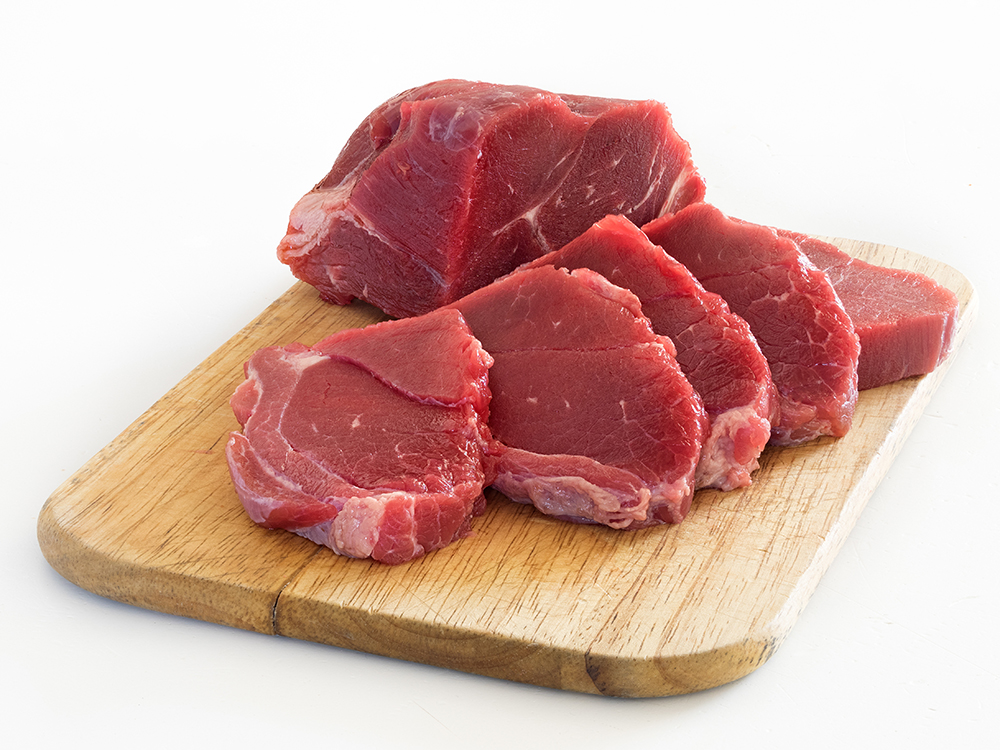
slices of beef on wooden chopping board
Image By: ValdisOsins, Shutterstock

Can Dogs Eat Any Canned Meats?

Yes. There are canned meats that are safe for dogs. Canned poultry, such as chicken and turkey, is usually safe. Any meat that is canned in simple water without any spices or additives is usually safe. However, if you are going to feed canned meat to your dog, you should buy canned dog food instead of getting something off the grocery store shelf. Any human foods have the potential to contain additional salts and spices that could be harmful to your dog. Always check the ingredients of canned meat to ensure that it only contains meat and water and nothing else.

Can Dogs Eat Pastrami?

No. Pastrami is extremely similar to corned beef. Like corned beef, pastrami is cured in brine, which contains the harmful levels of salt that make corned beef a no-go for dogs. In addition to being cured in brine, pastrami is also typically rubbed in salt and spices, which can also be harmful to dogs. Therefore, pastrami should be avoided the same way that corned beef should be avoided.

divider dog paws 4 oct 2024

In Conclusion

Corned beef is a food that dogs should avoid at all times. Corned beef contains unhealthy levels of sodium and fat. It can also contain spices and herbs that are unsafe for dogs. There are no benefits to feeding corned beef to dogs, especially when there are healthier and safer alternatives. The high risk, paired with the lack of benefits, makes corned beef a worthless food for dogs. If your dog eats small amounts by accident, they should be fine, but you should monitor them for any signs of illness or discomfort.


Featured Photo Credit: Dogster

Want content like this delivered to you?

Sign Up For Our Newsletter

News, insights, expert advice, and everything dog

* By submitting, you agree to our Terms & Conditions and Privacy & Cookies Policy.


How useful was this post?

Click on a star to rate (you can leave written feedback after clicking submit)

Help us improve Dogster for pet parents!
Your feedback really matters.

What did you like about this post? Also how can we improve it?

Join the conversation

Leave a Reply

You’re very welcome to leave a comment or question. Please know that all comments must meet our community guidelines, and your email address will NOT be published. Let’s have a positive and constructive conversation.


Talk With A Vet Online

Peace of mind,
anywhere, anytime

Affordable vet advice

Ask Dr. Paola- Help! My Dog’s Sleeping Habits Have Changed! (May 18, 2026)

Welcome to our “Ask Dr. Paola” series, where every Monday we bring expert advice straight from Dr. Paola Cuevas (MVZ) to help our...

The Crate Setup Most Dog Owners Get Wrong (And How To Fix It!)

Most people assume that if their dog hates the crate, the crate is the problem. So they try a bigger one, a different...

1,500 Beagles Rescued from Wisconsin Lab Farm – Here’s Where They’re Going

You may remember that a few weeks ago, we reported on a tense situation at Ridglan Farms, Wisconsin, a facility infamous for housing...

Dogster’s Weekly Photo Contest Winners: Window Watchers (May 11, 2026)

Every week our team gets the privilege of sorting through our readers photos to choose what dogs will win this weeks contest! See...

More related

How Long Do Huskies Live? Average Lifespan, Data & Care Guide

Huskies were originally bred to pull sleds, and although they are still used as energetic, effective working dogs, they have also become a...

Hyperthyroidism in Dogs: Causes, Signs & Management (Vet Answer)

Hyperthyroidism is a common condition in cats, but what about in dogs? Not so much. What does it mean if your veterinarian tells...

Histiocytosis in Bernese Mountain Dogs: Signs, Causes, & Care (Vet Answer)

Histiocytosis is a rare condition that stems from normal cells, histiocytes, in the body. In Bernese Mountain Dogs, they can develop cancerous tumors...

Great Dane vs Rottweiler: The Main Differences (With Pictures)

If you’re in the market for a big dog, you may have come across Rottweilers and Great Danes in your research. Both breeds...

Keep reading

Can Dogs Eat Dried Apricots? Vet-Verified Nutrition Facts & Info

Our dogs are omnivorous creatures—just like us. That means they could enjoy a wide selection of meat, fruits, veggies, and grains! If you’ve been looking for a few different options, other than boring dog treats to get your dog’s appetite...

Dogster-Can-Dogs-Eat-Dried Apricot

Castor & Pollux Dog Food Review 2026: Pros, Cons, Recalls, and FAQ

Review Summary Please note that several Castor & Pollux products are currently unavailable. At this time, we are unsure whether these items have been fully discontinued, are experiencing supply issues, or if there is another reason for their absence. We...

Dogster_Castor & Pollux Dog Food Review

Answers Dog Food Review 2026: Recalls, Pros & Cons

Review Summary You may have heard of raw dog food, but have you heard of fermented dog food? Fermented foods are packed full of health benefits, providing your dog with the nutrition they need. Answers dog food has brought fermented...

Dogster_Answers Dog Food Review

Solid Gold Puppy Food Review 2026: Recalls, Pros & Cons

Review Summary The Solid Gold dog food brand came to be in 1974 and during the early years, most of their foods contain more natural ingredients that were based on a holistic diet. The company was founded by Sissy Harrington...

Dogster_Solid Gold Puppy Food Review

Dog Feeding Schedule for Puppies, Adults & Senior Dogs (Vet Approved)

In addition to determining how much to feed your dog, establishing a feeding schedule can also be very beneficial. This means feeding your dog at roughly the same time every day, according to how many meals they need and how...

golden retriever dog eating healthy dry food from bowl at home

How to Cook Salmon for Dogs: Vet-Approved Recipes & What to Know

Most pet parents know salmon is a nutritious treat for their canine friends. However, some owners don’t know the best way to cook salmon for dogs. Salmon should never be offered raw to a dog since salmon poisoning can occur...

raw salmon meat on wooden board

9 Best Dog Foods to Avoid DCM in 2026 – Reviews & Top Picks

DCM stands for dilated cardiomyopathy. If a dog is diagnosed with DCM, their heart muscle is enlarged and weakened, potentially causing valves to leak. Over time, this leads to congestive heart failure. In 2018, the FDA announced that it was...

brown dog eating its food

Can Dogs Eat Octopus? Vet-Approved Nutrition Info & Risks

Octopus isn’t a common household food, but if you have some in your home, you might be wondering if it’s a healthy option for your dog. The truth is that while octopus is generally healthy and safe for dogs, it...

Can Dogs Eat_octopus

Love Dogs? So Do We! Join the Dogster Community

Stay informed with expert pet care insights delivered straight to your inbox! Discover professional guidance on animal behavior, feeding tips, trusted product picks, and much more.


Sign up for the Dogster Email Newsletter