In this article
Nowadays, canine allergies are discussed widely across social media. Just like humans, dogs can be allergic to a whole host of things, food included. Typically, it is protein that triggers a food allergy, with the immune system treating the protein like a bacteria or virus. But protein doesn’t necessarily equal meat. Almost every type of food ingredient contains proteins of some sort, but meat, eggs, and dairy have higher levels than vegetables and grains. Oftentimes, dogs can also suffer with more complex allergies, involving food protein as well as environmental allergens and fleas. So when it comes to canine allergies, what should you be looking for? What are dogs most typically allergic to? And should you be worried that your dog may be allergic to the rice that’s in their diet?
Dogs can be allergic to rice, but it’s not very common. Continue reading to find out more about dog allergies, and if your dog may be allergic to rice.

How Do I Know If My Dog Has Allergies?
In dogs, allergies – whether it’s from food, fleas, or environmental allergens – most often manifest as itchy skin. In veterinary medicine, we call this pruritus. You may notice your dog licking their paws, chewing on their legs, or licking their bellies. When you look, you don’t always notice any lesions or reasons for itching, especially in the beginning, and that’s because the cause of the pruritus isn’t on the outside; it’s being driven from within. After a while, excessive scratching and licking can lead to skin lesions. Your dog may also be suffering from chronic ear infections. Frustrated, you continuously seek veterinary care, only to be told your dog likely has allergies.
With food allergies, your dog may suffer from vomiting and/or diarrhea as well. Unfortunately, vomiting and diarrhea are what we call non-specific signs. In other words, these abnormalities can occur with almost any illness, whether they are related to the GI tract or not. However, when it comes to digestive issues and food, these are usually due to a food intolerance rather than an allergy.
A referral to a dermatologist may be required for specific allergy testing in order to get down to the bottom of the issue.
If you need to speak with a vet but can't get to one, head over to PangoVet. It's our online service where you can talk to a vet online and get the advice you need for your pet — all at an affordable price!

What Are Dogs Most Commonly Allergic To?
Most commonly, dogs react to a protein source in food, usually an animal protein. Also, contrary to popular belief, this typically will occur over time. When a dog eats the same protein for years, their body may become allergic to it causing their immune system to create antibodies to that compound. This will trigger an immune response that causes itching, inflammation, and irritation, most commonly of the skin and ears.
While dogs can be allergic to grains and vegetables, it is much more rare than animal-based proteins. So while your dog may react to foods with rice in it, making you think that’s the source, more likely there’s a common source of protein that is the actual culprit.

How Can I Get My Dog Allergy Tested?
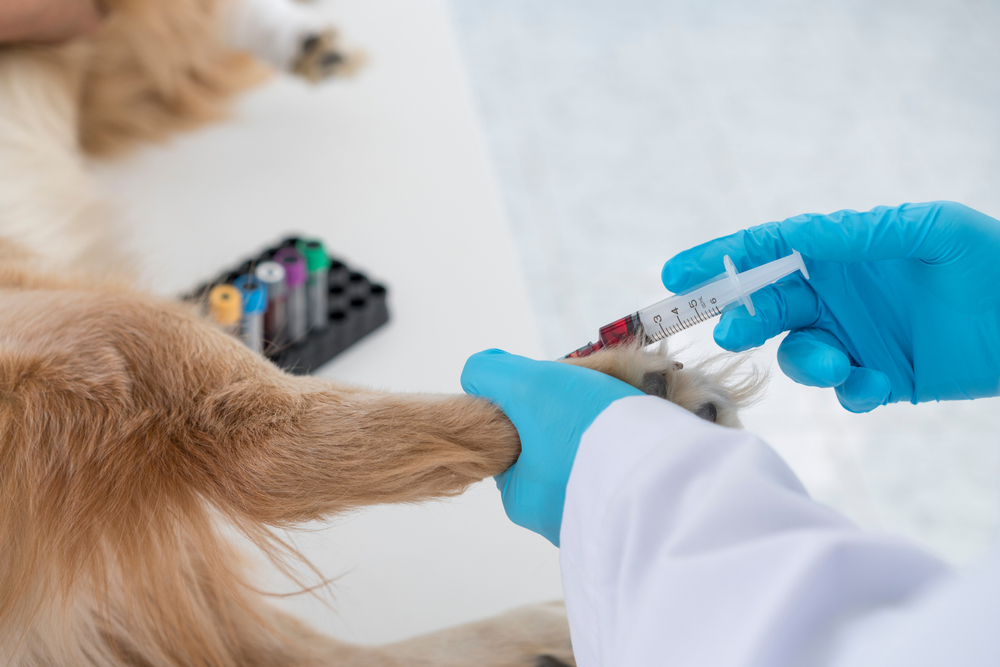
While there are allergy tests available by skin testing and also by blood samples, these are not very sensitive or accurate, and can be quite misleading. When it comes to diagnosing food allergies in dogs, the best way to rule in/out that your dog is allergic to a certain ingredient is to do a food elimination trial.
This is recommended to be completed with the help of your regular veterinarian, a board-certified veterinary nutritionist, or a board-certified veterinary dermatologist. Your vet will look at all of the dog foods, people foods, and snacks your dog has been eating, sometimes throughout their life. They will then recommend a novel protein diet, using proteins your dog has never come into contact with. Your dog will be on this diet strictly for months before you test them to see if they react again to certain ingredients.
Your veterinarian may also recommend what’s called a hydrolyzed protein diet. These diets are specially made by breaking up protein sources into small-sized molecules. Your dog’s body will often not recognize these pieces so they won’t trigger the immune system.
It’s important you do a food trial under the supervision of a veterinarian to make sure your dog is still receiving appropriate nutrients and a balanced diet.
Can The Allergy Be to Rice In My Dog’s Food?
Yes, but it’s not very common. As discussed already, food allergies in dogs are most common to animal proteins such as chicken, beef, lamb, and eggs. While some dogs can react to plant-based protein sources such as wheat gluten, potatoes, and carrots, it’s rare.
In general, food allergies are not as common as environmental and flea allergies.
However, if your dog has been diagnosed with food allergies by your veterinarian or a veterinary dermatologist, and rice was identified as one of the culprits, speak to them about the most suitable diets for your dog. There are commercial dog foods that may contain grains other than rice, or your dog may require a hydrolyzed protein diet or a home cooked diet formulated by a certified veterinary nutritionist.
If your dog has been diagnosed with a rice allergy, the good news is that there are plenty of options available. The most important thing is to chat to a vet and make sure that the food you choose has the right balance of ingredients and nutrients to suit their size, weight, and lifestyle.

Why Should My Dog Eat Rice or Other Grains?
Although not strictly an essential component of a balanced canine diet, grains and cereals can be beneficial to your dog’s overall health. White rice and brown rice are great sources of fiber and minerals, added to give your dog a balanced diet, as long as they are not allergic to them of course!
Another benefit of including grains like rice in dog foods is that it brings down the cost; something that might not seem like it should be a high priority when it comes to formulating dog food, but it is important to ensure that all dogs have access to a balanced diet, no matter the budget.
You may have heard about a form of heart disease in dogs that has been investigated over the last few years in connection to grain free diets. Studies looked into the connection between grain-free dog foods and diets supplemented with peas, legumes, dry beans, and lentils with the development of a condition called dilated cardiomyopathy. Although there were some strong initial concerns, further investigation has been unable to confirm a definitive cause-and-effect link, although some diets were associated with increased reports of heart disease.
If you’re worried about the risk of heart disease in your dog or the diet they are eating, please consult with your veterinarian.


Final Thoughts
It is possible for dogs to be allergic to rice. Fortunately, however, it is extremely rare and easy to avoid, as rice is not an essential part of the canine diet. Dogs are much more likely to be allergic to things in the environment such as grasses, pollens, and weeds, in addition to fleas, more than food. However, if you notice that your dog is itching or always has an upset stomach when they eat rice, you should speak to your veterinarian about getting them on a food trial to rule this allergy in/out. Alternative diets in those cases include commercial foods without rice or other proteins your dog may be allergic to, a hydrolyzed diet or a home cooked diet formulated by a certified veterinary nutritionist.
As always, speak with your veterinarian about what foods they recommend, especially if your dog is suffering from any type of allergy.
Featured Image Credit: Dmitriev Mikhail, Shutterstock