If you want your dog to be obedient and well-behaved, you will need to invest time into training them properly. This can mean doing it yourself or hiring a professional dog trainer.
There are many different types of training for dogs. Some are specialized and prepare your dog for a specific job or activity. Others are meant to help you socialize your dog and teach them proper manners.
Behavioral training falls into the latter category. It can help manage undesirable behaviors, such as barking, anxiety, and chewing. If your dog struggles with some of these unwanted behaviors, read on to learn more about behavioral training and how it might help you.

What Is Behavioral Training?
Behavioral training focuses on correcting behaviors that dog owners would prefer their dogs not to exhibit.
- Biting
- Chewing
- Digging
- Housebreaking trouble
- Leash manners
- Coming when called
- Excessive barking
Behavioral training can also be referred to as behavior modification training. This is because you are teaching your dog to exhibit a positive or desired behavior, even if you are not there to give them a verbal command. You want your dog to modify their behavior and learn for themselves what they should and should not do in a given situation.
The need for behavioral training arises because you have a problem, and modification is needed to help manage or improve it. This can make it tricky because some of the undesirable behaviors exhibited by dogs may be the result of prior trauma, inadequate socialization, medical conditions, anxiety disorders, or learned experiences, especially in rescue dogs. Since they cannot tell you what they are thinking or what may have happened in the past, you need to pay close attention to behavior triggers to help them address the underlying cause of unwanted behavior. If you are a beginner dog owner, it may be best to seek professional training assistance to help manage or improve unwanted dog behaviors.
If you are concerned about your dog’s behavior, we suggest you speak with a vet.
If you need to speak with a vet but can't get to one, head over to PangoVet. It's our online service where you can talk to a vet online and get the advice you need for your pet — all at an affordable price!

How Is Behavioral Training Different From Other Types of Training?
There are many types of dog training. Dogs are intelligent creatures, and many thrive with training for a specific job or task.
- Obedience training – This teaches your dog to respond to a verbal command, such as sit, stay, or others.
- Agility training – This is great for active dogs who like a task or job to do. It involves running through and around obstacles in a course.
- Service training – This training is intense and requires a very obedient and highly trainable dog. It requires specific task training, such as guiding someone with poor eyesight.
- Therapy training – Therapy dogs are trained to provide comfort; they are often used in schools, hospitals, and nursing homes, and must be calm, sociable, and friendly.
- Tracking – Dogs trained to track are used for a variety of jobs, including drug and bomb detection, search and rescue, and hunting. They must be able to follow a scent and block out distractions.
- Protection – This should always be done by a professional to ensure safety, as protection training teaches a dog to respond to controlled bite or guarding cues. Not all dogs are suitable for protection work, and careful temperament evaluation is required. Protection training is meant for higher-intensity situations like police work.
As you can see, behavioral training differs from these other training types in that it is meant to address, manage, or modify an unwanted behavior rather than teach a new skill. It is important to note that many dogs receive multiple kinds of training throughout their lives.

Professional vs. DIY Methods of Behavioral Training
It can be tempting to take on behavioral training yourself. After all, you know your dog best, you’re around them all the time, and you want to see your hard work pay off. However, because the need for behavioral training results from problem behaviors that can be tricky and complex to solve, it may be worth it to invest in a professional trainer, at least initially.
Professional trainers who specialize in behavioral problems can help you get to the root of your dog’s behavior and provide you with proven tools to help manage or modify it. It is important to note that behavioral issues often stem from a specific emotion like fear or anxiety, but they may also be influenced by medical conditions, pain, developmental history, or learned experiences. These are complex problems that will benefit from professional help, and in some cases, evaluation by a veterinarian or veterinary behaviorist may be needed.
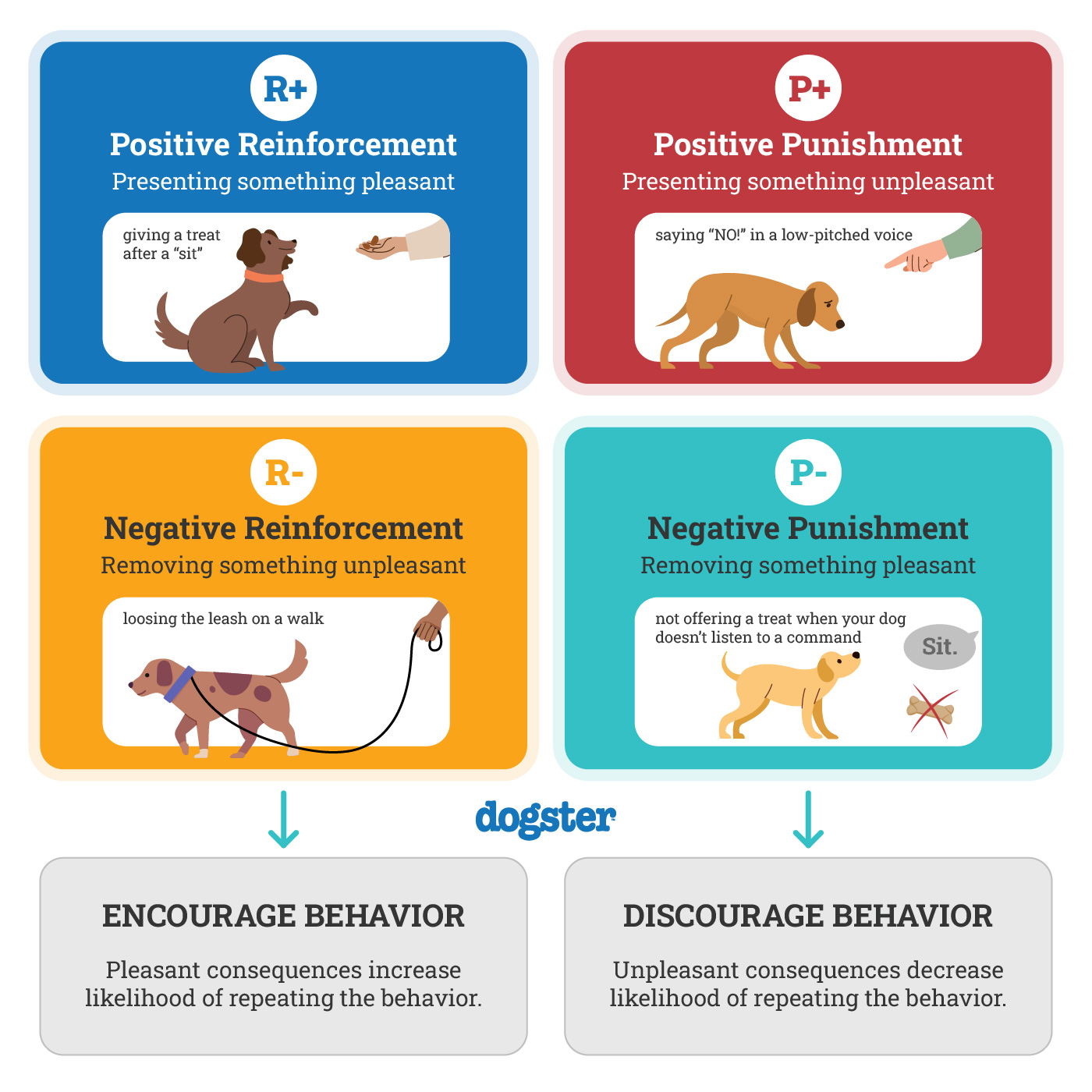
There are several methods that can be used in behavioral training. However, most trainers and other professional animal behaviorists agree that positive reinforcement is often the method that produces the best outcome.
- Positive reinforcement – This is a simple yet effective method. It involves giving a positive reward, such as a treat for good behavior, so the dog learns to associate the positive behavior with a reward and undesired behavior with the absence of reinforcement.
- Clicker training – This can actually be considered a form of positive reinforcement training, as it uses a clicker or other noise-making device to signal when the dog has performed the desired action or exhibited the desired behavior. Then, the dog is given a reward for the behavior.
- Electronic training – This is a controversial training method for many, as it relies on an electric shock collar to deliver a shock when the dog is exhibiting an undesired behavior. It can be stressful for dogs and has been shown to increase anxiety rather than calm your dog.
- Model-rival training – Using the premise that dogs can learn through social observation, the trainer can use the dog owner as a model. They will praise and reward good behavior to teach the dog to imitate that behavior while redirecting or ignoring poor behavior. This may be effective if your dog has a very strong bond with you because they will want to model your behavior.
- Alpha dog or dominance training – This is another method that is considered outdated or problematic. It relies on the theory that dogs see their families as a pack, and that pack needs a leader. Asserting yourself as the pack leader gives you dominance over the dog, and thus, they will listen to your commands. However, this theory is not supported by modern canine behavior science and fails to address the root causes of behavioral issues such as fear and anxiety. Confrontational methods may increase fear, stress, and aggression.
- Relationship-based training – This training method works to strengthen the bond between the human and the pet. It rewards positive behaviors and controls the environment to limit unwanted behaviors. It increases difficulty gradually, allowing your dog to adjust and learn at a rate that is comfortable for them.
If your dog is experiencing behavioral issues, it is best to work with a professional trainer who uses positive, reward-based, and evidence-based methods. You should talk to them and get an idea of what they do, which methods they recommend, and the outcomes they have gotten from their methods. You can also talk with other clients about their experiences. Choosing the right trainer is an important step to helping manage and improve unwanted behaviors in your dog.
Average Cost of Professional Training
The cost of professional dog training can vary depending on your location, the trainer, and the type of training you are seeking. The average cost for a one-on-one session can be anywhere from $75 to $250 per hour. Some trainers will offer discounts on packages if you sign up for several sessions at a time.
How Long Does Behavioral Training Take?
Training can take anywhere from 8 weeks to a year or more. The amount of time it will take for your dog to improve unwanted behaviors depends on many things. If your dog is older and the behavior has been going on for a long time, it will take longer for them to change established behavior patterns. This is why it is always recommended to begin training when your dog is young, during early socialization and learning periods. However, because behavioral problems can pop up at any time, the sooner you get your dog training help when you notice the behavior, the sooner it can be addressed and managed.
Other factors include your dog’s temperament, personality, learning history, underlying emotional state, and any medical or pain-related conditions. Some dogs may be more persistent in certain behaviors or more sensitive to environmental triggers, which can affect training progress. One way to help your dog correct unwanted behaviors is to be consistent. Speak with your trainer about what you should be doing at home to reinforce the training they receive during their session, then stick to it.

Expected Outcomes
If you hire a professional trainer and follow their instructions consistently, most unwanted dog behaviors can be improved or reduced, although some behaviors may require long-term management. The most important thing to remember is that there is often an underlying cause for the dog’s behavior, which may include fear, anxiety, frustration, lack of appropriate enrichment, medical conditions, pain, or learned experiences. Addressing these issues is a critical component of behavioral modification. As long as you are willing to put in the time, work, and patience, you will be rewarded with a happier and better-behaved companion.

What’s Next?
You likely stumbled upon this guide because you have a dog who is experiencing unwelcome behavioral issues. If you do not already have a relationship with a professional dog trainer, you should find one in your area. You can ask friends who have pets if they have anyone they can recommend. You can also ask your veterinarian for recommendations. Once you have training you and your dog feel comfortable with, you will be on your way to improving your dog’s undesirable behaviors.
You may also want to know:
- Why Does My Dog Bark at Me? 4 Potential Reasons for this Behavior
- Why Do Dogs Imitate Their Owners? The Fascinating Answer!
Featured Image Credit: Luca Nichetti, Shutterstock
 What Is Behavioral Training?