Get

In Your Inbox

Dogster is reader-supported. When you buy via links on our site, we may earn an affiliate commission at no cost to you. Learn more.

Do Huskies’ Eyes Change Color? Vet-Verified Anatomy Facts

Share

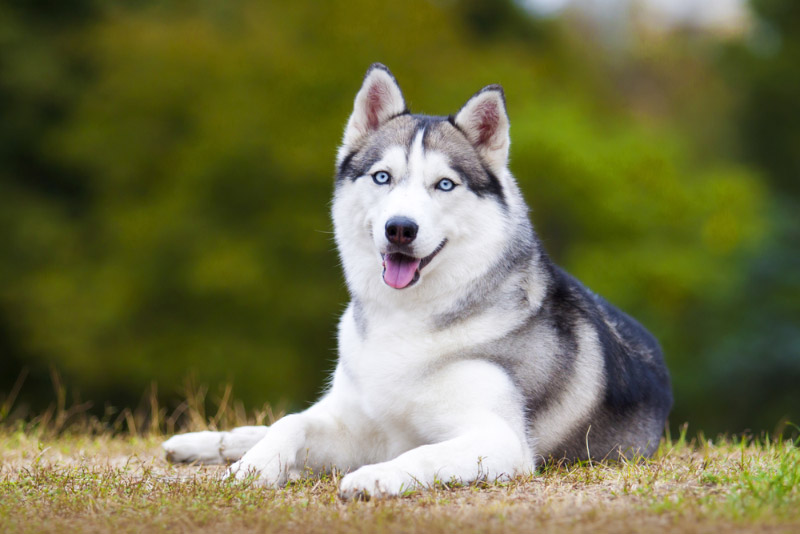
siberian husky dog lying on grass

Huskies are often known for their striking almond-shaped eyes with varied eye colors. While the most common and distinct color noted in huskies is a bright icy blue, they can also be brown, green, amber, or bi-colored. Huskies (like all puppies) have blue eyes when they are born, and these naturally change to their designated eye color (as decided by genetics) by anywhere from 9–16 weeks.

Husky eyes are always an interesting topic, but can their eyes organically change color outside of puppyhood? This is unlikely, but alterations in eye color can occur in these dogs as they age, although changes in eye color as an adult are usually an indication of an eye problem.

divider dog paws 3 oct 2024

When Does a Husky’s Eye Color Change?

All dogs are born with blue eyes, and their eye color changes during their puppyhood, which is normal. This color change is usually complete when they are around 16 weeks old. By this age, the blue eyes they were born with have gradually changed color to the one dictated by their genetic make-up.

During this time, you may notice a variation in shades and hues as this process sorts itself out. As Huskies grow into adulthood, their eye color should stabilize, and it becomes less likely to change unless something causes it.
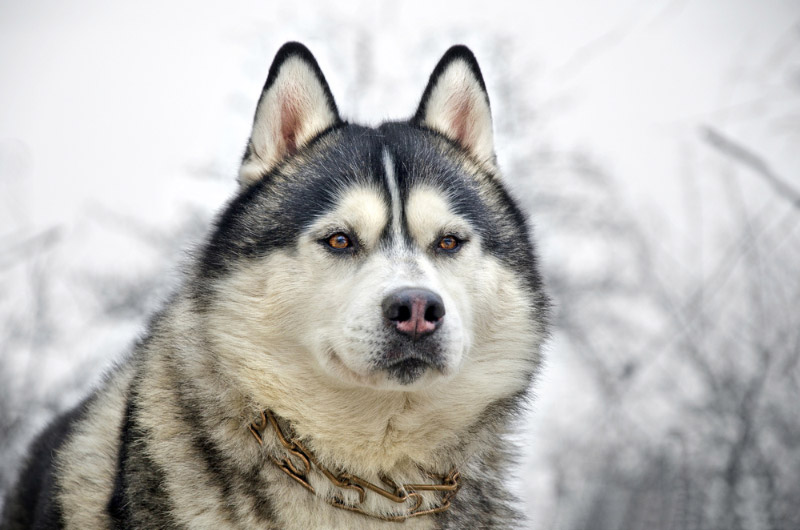
close up of siberian husky dog in the winter
Image Credit: Ciolanescu, Shutterstock

Eye Colors in Huskies

A Husky’s eye color is unlikely to change when they are adults. However, their glorious eyes can be any of the following, which is dependent on their genes and DNA.

  • Icy blue (most common)
  • Amber
  • Brown
  • Green
  • Two different colored eyes (bi-colored), known as heterochromia

What Is Heterochromia?

Heterochromia is a condition characterized by a difference in coloration of the iris (the colored part of the eye) between the two eyes and is not uncommon in Huskies. This can manifest as one eye being blue while the other is brown, or any other combination of eye colors.

Huskies are known for the prevalence of heterochromia, and it is a distinctive and visually striking trait in the breed. Heterochromia can be complete, where each eye is a distinctly different color, or it can be sectoral or partial, where only a portion of one eye has a different color.

The genetic basis for heterochromia in dogs is complex, and it can be influenced by various factors. It is relatively common in Huskies and doesn’t have any negative impact on your dog’s health.
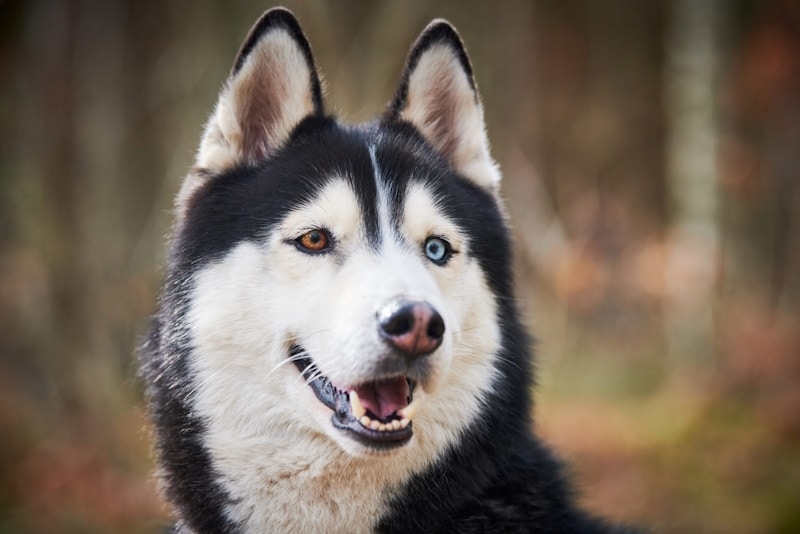
Siberian Husky with heterochromia
Image Credit: travelarium.ph, Shutterstock

Why Do Huskies Have Bright Blue Eyes?

The bright blue eyes in Huskies are primarily the result of genetics. The gene responsible for blue eye color in Huskies and some other dog breeds is associated with a reduced amount of melanin in the iris—the colored part of the eye. So, it isn’t the case that they contain a special blue pigment color, but rather, it is due to the lack of pigment.

Melanin is a pigment that contributes to the coloration of the eyes, skin, and coat in all animals, including humans. In the case of blue-eyed Huskies, there is a genetic variation that leads to a lower concentration of melanin in the iris. This allows more light to scatter and reflect off the back of the eye, creating the distinctive bright blue appearance.

Reasons for Red-Looking Eyes in Huskies

Do Huskies’ eyes turn red when angry, or is it something else? While a Husky’s eye color (or any dog’s eyes) can turn red, it is usually in response to either an eye problem, an underlying health condition, a behavioral issue (stress or anxiety), or a response to light (often seen in photos). If you notice that your dog’s eyes are red, it is best to get them checked out by a vet.

Examples of Eye and Health Conditions Causing Red Eyes in Dogs
  • Allergies
  • Foreign Bodies
  • Scratching/skin conditions
  • Conjunctivitis, also known as pink eye (inflammation of the conjunctiva)
  • Glaucoma (increased pressure in the eye)
  • Dry eye
  • Prolapse of the eye, also known as cherry eye

Please note that anger itself doesn’t cause their eyes to turn red. Red eyes may transiently occur due to stress or anxiety as opposed to it being a normal response to anger. In cases of stress, the blood vessels become more visible on the white background, creating a red appearance.
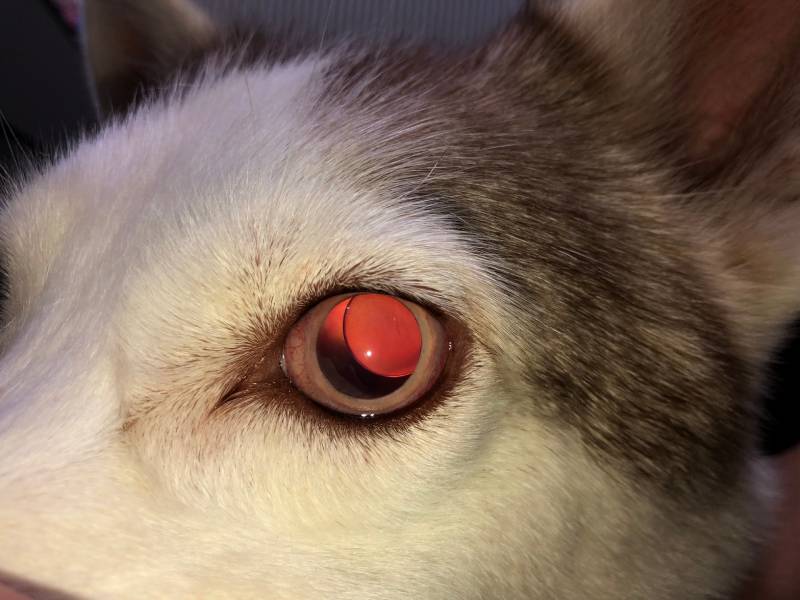
close up image of siberian husky dog with glaucoma
Image Credit: bewitch_closet, Shutterstock

Reaction to Light

You may have noticed that your dog’s eyes look red when your dog looks at you and catches the light (from lamps or car headlights, for example) on their eyes at a certain angle or in pictures. In these scenarios, your dog’s eyes shining red or even a green/yellow color is a completely normal response and nothing to be concerned about.

Dogs have a layer of cells in the eye behind the retina called the tapetum lucidum. As light hits your dog’s eyes, the tapetum reflects the light back. This reflection enhances their ability to see in low-light conditions. The tapetum lucidum can contribute to the appearance of a red or greenish glow in a dog’s eyes, especially when exposed to light in low-light environments or when a light source (such as a camera flash) is directed at their eyes.

Except for light reflection, any redness noted in your Husky’s eyes needs investigation and treatment (if required) by your veterinarian.

If you need to speak with a vet but can't get to one, head over to PangoVet. It's our online service where you can talk to a vet online and get the advice you need for your pet — all at an affordable price!

PangoVet_Mention-in-Content Savings V1

divider dog paws 3 oct 2024

Conclusion

The color changes you might observe in your Husky’s eyes are typically associated with breed tendencies, genetics, or as a natural response to light. These are all normal and you have no control over them. If, however, you notice unusual changes in your dog’s eyes, behavior, or any part of their general health, it’s a good idea to consult with a veterinarian to rule out any underlying health issues, especially if their eyes are turning red or pink.


Featured Image Credit: Sbolotova, Shutterstock

Want content like this delivered to you?

Sign Up For Our Newsletter

News, insights, expert advice, and everything dog

* By submitting, you agree to our Terms & Conditions and Privacy & Cookies Policy.


How useful was this post?

Click on a star to rate (you can leave written feedback after clicking submit)

Help us improve Dogster for pet parents!

Your feedback really matters.

What did you like about this post? Also how can we improve it?

Join the conversation

Leave a Reply

You’re very welcome to leave a comment or question. Please know that all comments must meet our community guidelines, and your email address will NOT be published. Let’s have a positive and constructive conversation.


Dogster's Digital Magazine is Back!​

Dogster Magazine Cover June 2026

Vet-approved health & behavior advice

Real dog stories & community features

The Organization Helping Pets Feel Safer, Happier, and ‘Fear Free’ – Heroes of the Pet World

For many pet owners, stress during veterinary visits, grooming appointments, travel, or even routine handling can feel like an unavoidable part of life...

Why Some Dogs Treat Mealtime Like Playtime – And When to Pay Attention

Most dogs are reliable eaters. Bowl goes down, food disappears. So when a dog starts batting kibble across the kitchen floor, tossing pieces...

Major Win for Dogs: Ontario Becomes the Final Province to Ban Ear Cropping and Debarking

​​Ontario has approved new animal welfare regulations that will prohibit elective ear cropping and devocalization (debarking) procedures in dogs from January 1, 2027....

Dogster’s Weekly Photo Contest Winners: Most Adorable Puppy (June 8, 2026)

Every week our team gets the privilege of sorting through our readers photos to choose what dogs will win this weeks contest! See...

More related

American Cocker Spaniel Breed: Info, Pictures, Facts, Traits & More

The American Cocker Spaniel is an iconic dog known for their doe eyes and luxurious coats. Most people can recognize a Cocker Spaniel...

23 Most Popular Dog Breeds in Australia in 2026

Australia is a great place to visit if you love exotic animals. From kangaroos and dingoes, the country is bursting at the seams...

Autoimmune Hemolytic Anemia in Dogs: Signs, Causes & Treatment (Vet Answer)

Autoimmune hemolytic anemia is a life-threatening condition in which a dog’s immune system starts attacking and destroying the body’s own red blood cells....

WholeHearted Dog Food Review 2026: Pros, Cons & Our Verdict

WholeHearted is a line of dog foods owned and operated by Petco, one of the largest pet retailers in the United States. A...

Keep reading

How to Measure Dog Food Portions Based on Breed Size & Weight

Simple as it may sound, measuring dog food portions accurately is an art. According to a 2019 study, improperly measuring your dog’s food can result in health consequences, including nutritional deficiencies and obesity. Obesity affects around 25–30% of dogs, with...

measures a portion of dry dog food using an electronic scale

How to Keep Birds Away from Dog Food: 7 Easy & Effective Ideas

If you are someone that feeds your dog outdoors, you are bound to have some trouble with the local wildlife scavenging for their share. Birds are intelligent creatures that are built for survival. When they pick up on an easy...

adorable border collie dog drinking from a water bowl

What Foods Are Dangerous for Dogs? Vet-Reviewed Fruits, Veggies & More

Fruits and vegetables are a necessary part of a human’s diet, but did you know that they can play a role in your dog’s diet too? Unfortunately, not all fruits and veggies are safe to give to your dog, and...

is chocolate bad for dogs

Can Dogs Eat Cardamom? Is It Safe? Vet Reviewed Dietary Guidance

If you’re a dog owner and a fan of flavorful spices, you might be wondering whether it’s safe to share your love for cardamom with your furry friend. Cardamom is a popular spice used in various cuisines worldwide and is...

Can Dogs Eat_Cardamom

Can Dogs Eat Tamales? Vet-Verified Nutrition Facts & FAQ

Tamales are popular in Mexican cuisine, and people worldwide love to eat them. If you also love to eat tamales and have a dog, you’ve probably noticed your canine lurking around, looking for tamale scraps. Tamales are not suitable for...

Can Dogs Eat Tamales

Pro Pac Dog Food vs Blue Buffalo: What to Choose in 2026, Pros & Cons

Choosing the right food for your beloved canine companion can be a real headache! In fact, it’s normal to feel a bit overwhelmed by the myriad options available in the dog food market. How do you choose a good diet...

Dogster_Dog Food Pro Pac VS Blue Buffalo

Can Dogs Eat Oranges? Vet-Reviewed Facts & FAQ

Most people love eating oranges during summer or making freshly squeezed orange juice. If you are a dog parent, you surely know the troubles of eating snacks with your dog staring at you the entire time. While this is adorable,...

Can Dogs Eat_oranges

Can Dogs Eat Peanut Butter Crackers? Vet-Approved Facts

Dogs love food and they don’t seem to be too discerning when it comes to what they chow down on. Most owners have wondered at some point if their dog has eaten something that they shouldn’t have. So what is...

Can Dogs Eat Peanut Butter Crackers

Love Dogs? So Do We! Join the Dogster Community

Stay informed with expert pet care insights delivered straight to your inbox! Discover professional guidance on animal behavior, feeding tips, trusted product picks, and much more.


Sign up for the Dogster Email Newsletter