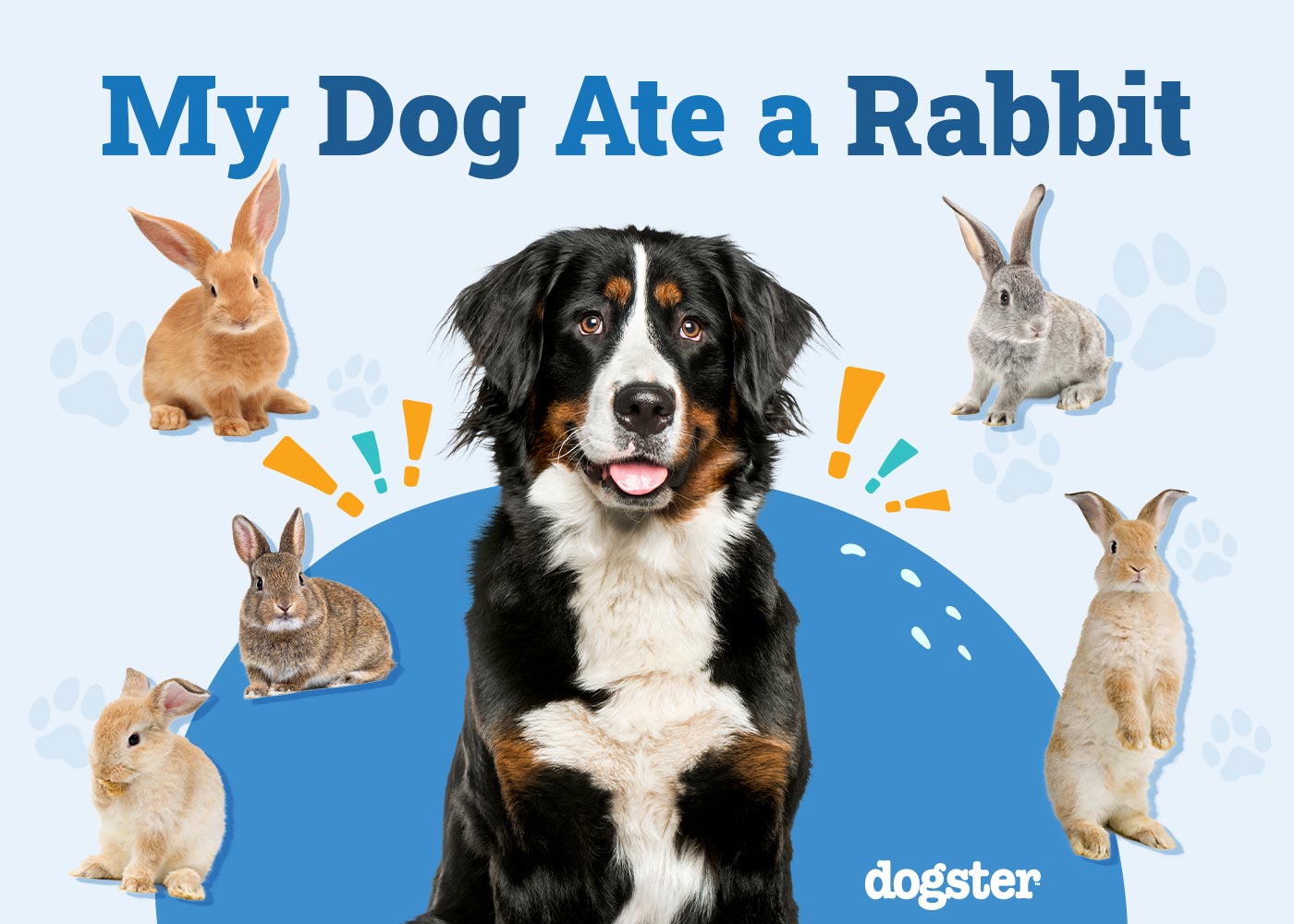
Dogs can be goofy, playful, and loving, but they are also natural predators and can be quite focused and driven, especially when in pursuit of something. Although you may find it amusing when your dog gets excited at the sight of a squirrel, the truth is that many domestic canines are fully capable of chasing down and killing wild animals.
Therefore, if your dog ate a baby bunny or an adult rabbit, you should be aware of potential problems that may arise. It’s also a good idea to consult with a veterinarian to determine the appropriate steps that you should take.

What Should I Do If My Dog Eats a Rabbit?
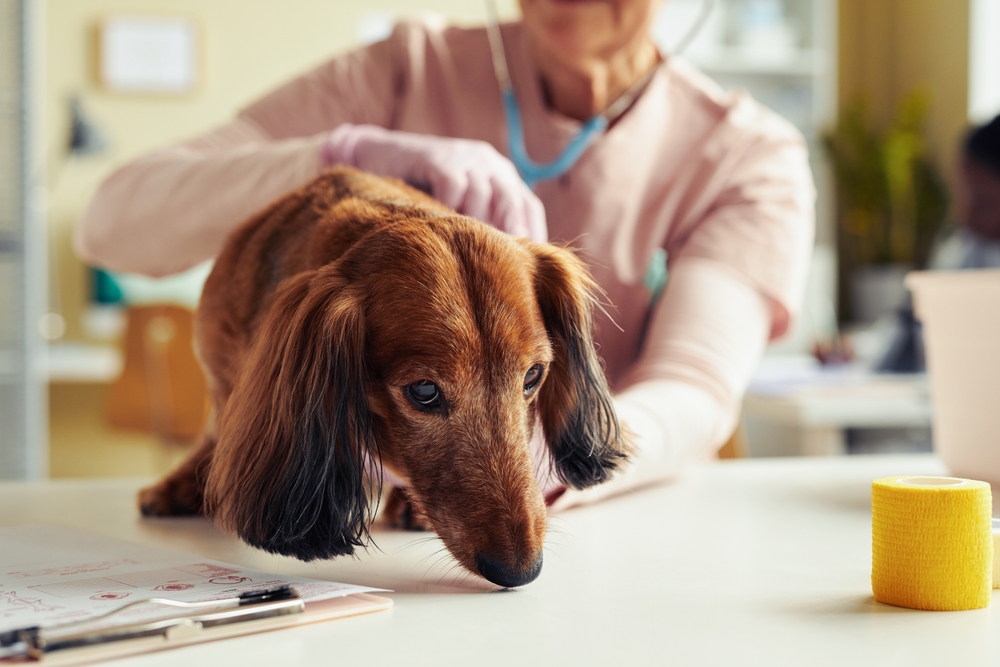
Contact a veterinarian for guidance on your next steps. This is even more critical if your dog ate a rabbit or other animal that was already dead.
A vet might want to know:
- When this occurred
- What species of animal was eaten
- How much your dog ate
- If your dog is exhibiting any signs of illness
- If your dog is showing any behavioral changes
Your vet might ask you to bring in your dog for testing or to keep them at home but monitor them for any signs of illness, such as:
- Diarrhea
- Vomiting
- Loss of appetite
- Lethargy
- Loss of coordination
Keep your veterinarian informed of the situation and whether your dog is demonstrating any of these signs.
If you need to speak with a vet but can't get to one, head over to PangoVet. It's our online service where you can talk to a vet online and get the advice you need for your pet — all at an affordable price!

The 5 Risks of a Dog Eating a Rabbit
Although wolves frequently consume rabbits, it’s generally not safe to assume that dogs can too. Domestic canines are used to having a specific diet formulated to meet their nutritional needs, and many can become ill when their diet is suddenly changed. A rabbit is essentially raw food with fur and bones, so if your dog has never eaten anything like this before, they may become sick.
Here are the things that you should look out for if your dog has eaten a rabbit.
1. Rabbit Fever
If a rabbit is infected with Francisella tularensis, a rare bacterial disease commonly known as tularemia or rabbit fever, a dog can contract it if they eat that rabbit.
- Mild fever
- Lack of appetite
- Lethargy
- Conjunctivitis
- Uveitis
- Enlarged lymph nodes
- Draining abscesses
If your dog shows any of these, seek medical attention immediately. Tularemia can be treated with antibiotics but may require IV fluids and the surgical removal of the abscesses if they are present.
Unfortunately, tularemia is also a zoonotic disease, which means it can spread to humans and other animals. Therefore, it is essential to isolate the dog until they have fully recovered to prevent the disease from spreading.

2. Tapeworm
Wild animals, including rabbits, are prone to internal parasites like tapeworms, which will infect a dog when the animal is eaten.
- Licking and biting the anus
- Small white segments of the tapeworm in the poop and around the anus
- Weight loss
- Tapeworms in the dog’s vomit
Tapeworms must be treated with veterinarian-approved medication.
- You may be interested in: Tapeworm in Dogs: Our Vet Explains The Signs, Causes, Treatment & Prevention
3. Ticks and Fleas
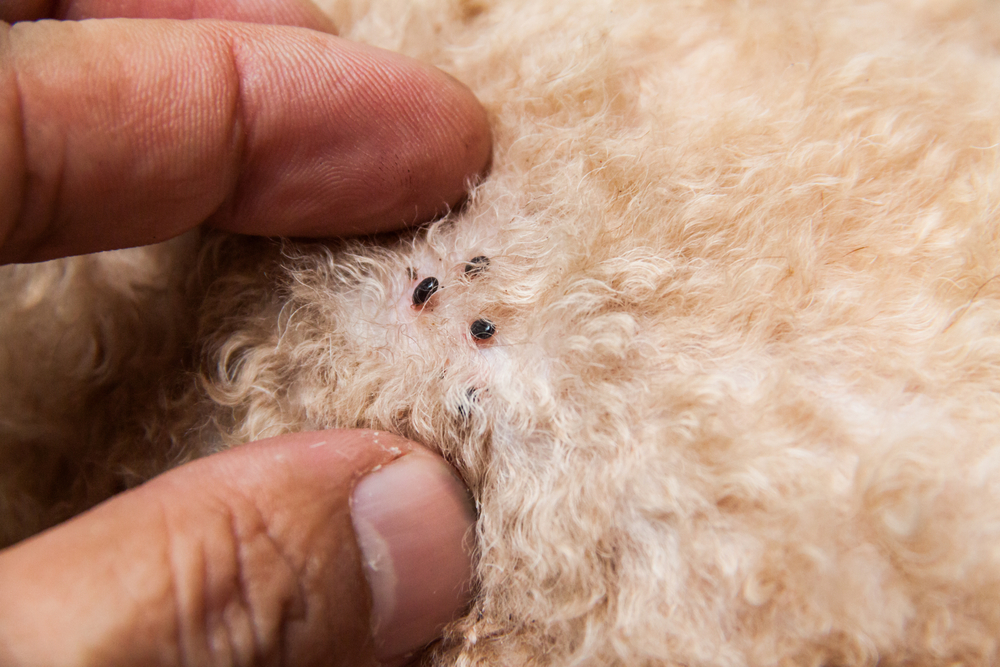
Wild animals like rabbits are commonly infested with fleas and ticks, which can get passed on to your dog when they come in contact with these animals.
- Excessive scratching
- Adult fleas on the dog’s body
- Tiny black “pepper-like” flakes, known as flea dirt, found on the dog and any area they spend time
- Irritated skin and hair loss
- Pale gums if severely infested
Ticks that have attached to your dog are typically easily seen and should be removed as soon as possible to prevent transmission of certain diseases.
Both fleas and ticks drink your dog’s blood, and can pass on diseases such as tapeworms or Rocky Mountain Spotted fever. Your dog and any other pets in your home will need treatment with prescription medication, and you’ll need to thoroughly clean your entire home, with an emphasis on your dog’s bedding.
4. Stomach Upset
Some dogs may experience stomach upset or gastritis after eating a rabbit, which can include vomiting, stomach pain, diarrhea, or constipation. Dehydration is also a common issue in these scenarios.
Some dogs might just become mildly ill and not be interested in eating, but if this goes on for more than 24 hours, call your vet.
5. Obstruction
Parts of a rabbit, like the fur and bones, can be difficult to digest and can become a blockage in your dog’s digestive tract or intestines.
- Loss of appetite
- Vomiting
- Lethargy
- Weakness
- Abdominal pain
- Diarrhea
- Constipation
- Weight loss
The most common sign of a blockage is a dog that is vomiting but not pooping. This is an emergency situation and needs your veterinarian’s help immediately! It commonly requires surgery.

How Can I Prevent My Dog From Eating Rabbits?
You can try a few things to stop your dogs from chasing and killing rabbits or other wildlife.
1. Keep Them Leashed
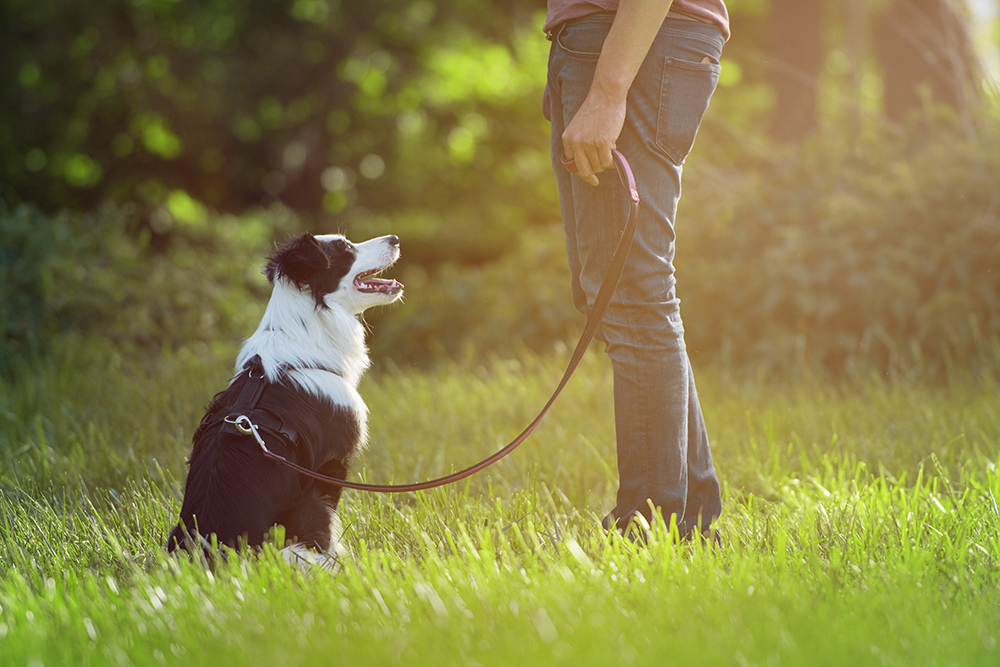
If your dog is prone to chasing anything that moves, it’s best to keep them on a leash when out on walks. Stick with a standard leash and avoid retractable ones.
2. Train Them
You should ensure that your dog has been trained to “leave it” and that you have a good recall command for them. This is particularly crucial for hunting dogs like spaniels and retrievers, as they are ruled by instinct to chase and retrieve small animals and birds.
3. Use a Muzzle
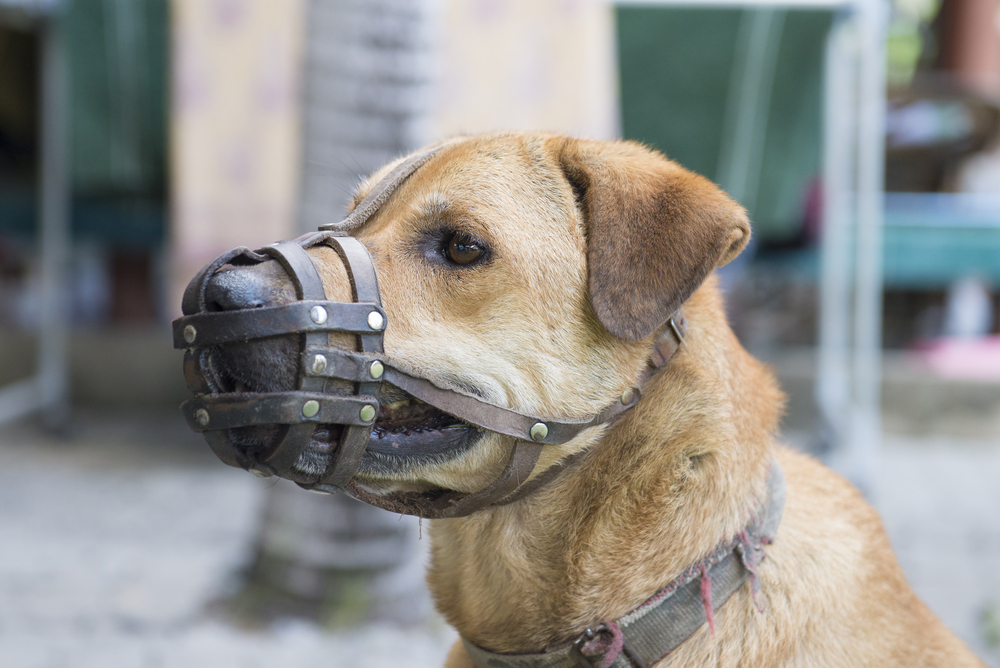
Some dogs tend to regularly eat things that they shouldn’t, such as rocks and dirt. If you can’t stop your dog from attacking wildlife and you’ve tried everything else, consider using a basket muzzle when they’re outside, as this will enable your dog to pant and drink water but not devour things.
- Related read: 5 Best Dog Muzzles – Reviews & Top Picks
FAQ
What If My Dog Eats a Dead Animal?
A few of the same issues already discussed can be a concern when your dog eats a dead animal, but there are other potential problems—for example, bacterial infections like Salmonella, leptospirosis, and other harmful bacteria. Additionally, there’s a risk of secondary poisoning if the dead animal has died from eating something toxic, such as rat poison.
Can a Dog Get Myxomatosis From Eating a Rabbit?
Myxomatosis is a fatal disease that affects rabbits. Fortunately, a dog eating a rabbit infected with myxomatosis will not be affected by the disease.

Conclusion
While for many dogs, chasing down small animals is a natural instinct, it should not be encouraged. There are risks associated with consuming wild animals, such as parasites, diseases, and possible sickness.
Therefore, keep your dog leashed and ensure that you’ve trained them well. If you ever have concerns about your pet’s health and safety, don’t hesitate to call your vet.
Featured Image Credit: Andraž Cerar, Shutterstock