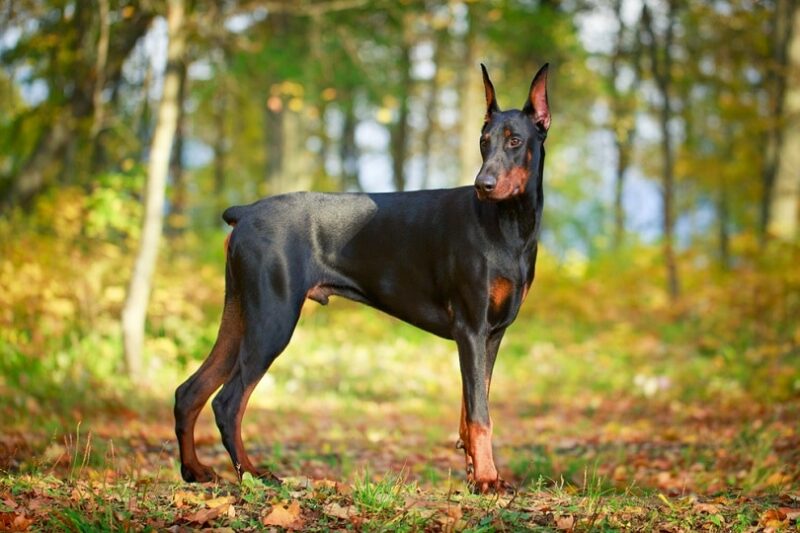
While dogs are generally regarded for companionship, these animals can help with more duties than you can imagine. The intelligent, loyal, and well-built working dogs have aided many professionals and individuals, from search and rescue missions to military and household duties.
Over the years, breeders bred working dogs primarily to assist humans. For this reason, these dogs have inborn instincts supplemented with intensive training to perform specialized tasks.
Working dog breeds may have traditionally worked as herding and protection dogs, but their work scope has expanded today. Here are some working dogs and their specific jobs.

What Are Working Dogs?
Working dogs are a diverse group of dogs with various shapes and sizes, skilled in several disciplines. They can be service or assistance dogs trained to assist with various tasks, such as aiding people with disabilities, guarding property and livestock, pulling sleds, and performing rescue missions.
These dogs are quick to learn, intelligent, willful, watchful, alert, robust, and headstrong. Working dogs may make incredible companions, but they may be less suitable for some households due to their enormous sizes.
They are instinctively protective and active and may become restless if they lack regular vigorous activity and mental stimulation. Potential families need to properly train and socialize such dogs right from their puppy years, although they may still require training over time.
Inadequate socialization and activity may push working dogs to become lethargic, depressed, and engage in destructive behavior. Some species in this group may not be suitable for novice dog owners.
The 10 Working Dog Breeds and Their Specific Jobs
1. Boxer

| Lifespan: | 10-12 years |
| Temperament: | Patient, protective, funny, gentle, playful, active, strong |
| Color: | White, brindle, fawn |
| Height: | 23-25 inches |
| Weight: | 50-85 pounds |
True to its name, a Boxer is a “handsy” dog that faces all situations with its front paws. These dogs hold the dubious honor for being among the first dog breeds to do police and military work.
Boxers are strong, intelligent, active, and so athletic that they’ve always excelled in dog shows. When he’s not racing the agility course or shining in the obedience trails, a Boxer will be gladly guarding your family and property.
These photogenic dogs take their watchdog and family guardian tasks seriously, thanks to their strong protective instincts, although they are not aggressive.
2. German Shepherds

| Lifespan: | 10-12 years |
| Temperament: | Alert, trainable, intelligent, obedient, wary of strangers |
| Color: | All except white |
| Height: | 23-25 inches |
| Weight: | 75-95 pounds |
If you need any job done, just get a German Shepherd. This popular dog breed is the trademark K-9 unit in law enforcement, but you can still use them to guard private personnel, property, and livestock.
German Shepherds have physiques and the gait suited to do just about any hard work, which is its primary purpose. They have a wolf-like appearance that makes people unfairly consider them aggressive and reserved around strangers.
However, they are intelligent, obedient, and can be friendly. These pups are less suited for household ownership and require outlets for their drive.
3. Siberian Husky

| Lifespan: | 11-13 years |
| Temperament: | Energetic, active, athletic, friendly, hardworking, loving |
| Color: | All colors |
| Height: | 21-23 inches |
| Weight: | 35-50 pounds |
You may keep it for its looks rather than speed, strength, and endurance, but a Siberian Husky remains the sled master. Siberian Huskies have a long history of carrying loads over long distances in snow and subzero temperatures.
Although Siberian Huskies may no longer be used to pull sleds today, they still participate in recreational dog sled races thanks to their boundless energy and speed.
4. Akita

| Lifespan: | 10-12 years |
| Temperament: | Fearless, protective, loyal, affectionate, intelligent, aggressive, watchful |
| Color: | Any color |
| Height: | 25-27 inches |
| Weight: | 65-130 pounds |
Akitas are large and powerful legendary dog breeds whose bloodlines extend back to early Japanese history, where anyone with this loyal breed was royal.
These dogs tend to be quiet, loyal, independent, and reserved, but they are hardwired to guard and protect everything in their path. For this reason, Akitas are fastidious, fearless, wary of strangers, and often intolerant of other animals.
5. BloodHound

| Lifespan: | 10-12 years |
| Temperament: | Sensitive, lovable, obedient yet stubborn, non-confrontational, friendly, cautious, loyal |
| Color: | Tan, black & tan, red & tan |
| Height: | 25-32 inches |
| Weight: | 90-110 pounds |
Everything about Bloodhounds conforms to their employment in high-priority tasks like the police force, military, and rescue missions. These dogs have high agility and a robust sense of smell. They were famous for trailing games such as deer and boar in feudal France, the reason the media has often regarded Bloodhounds as ferocious breeds.
While it’s true that Bloodhounds are an indomitable breed to reckon with, these dogs are very gentle, friendly, and single-minded. They have unmatched intelligence levels and highly-valued investigation prowess.
Bloodhounds have elite tracking powers so much that their training results are always admissible and valid in a court of law.
6. Bullmastiff

| Lifespan: | 8-10 years |
| Temperament: | Energetic, composed, noble, confident, independent, obedient, cordial, low-key |
| Color: | Red, fawn, brindle |
| Height: | 25-27 inches |
| Weight: | 100-130 pounds |
Bullmastiffs may be sensible with strangers, but they have well-established protective and territorial instincts and can have a hard time distinguishing friends from enemy.
English gamekeepers developed this breed to watch over their expansive feudal plots, the reason for its robust build and fearless demeanor. A Bullmastiff’s large size and fierce appearance naturally provide them with the ability to guard, protect, and ward off intruders.
7. Labrador Retriever

| Lifespan: | 10-12 years |
| Temperament: | Intelligent, agile, energetic, loyal, active, easy-to-train |
| Color: | Black, yellow, chocolate |
| Height: | 21-25 inches |
| Weight: | 65-80 pounds |
Also known as Labs, these dogs were developed to help hunters to find fowls and retrieve their game, just like their cousin Golden Retrievers. Today, Labrador Retrievers are great fetchers, obedient, and like dock diving, making them popular in search and rescue missions and police work.
They are also suitable for service, therapy tasks, and household companions thanks to their trainability, calmness, and friendliness. If you are lucky to have this happy-go breed in your home, be sure of two things: they are energetic and will jump in the water at any chance. They are intelligent and loyal and will love it if you provided an outlet for their energy.
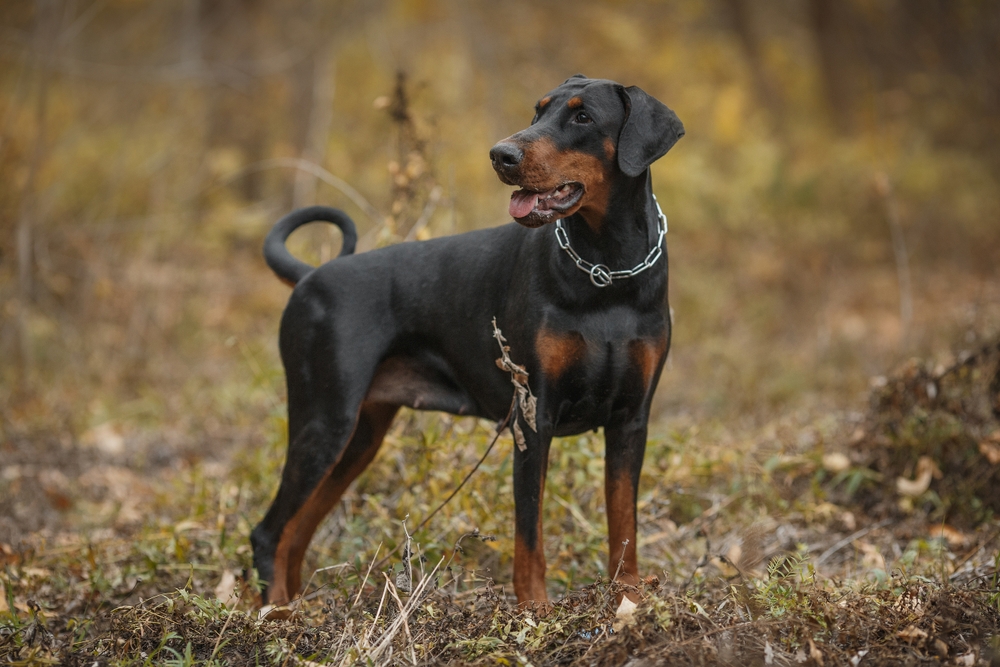
8. Doberman Pinschers
| Lifespan: | 10-12 years |
| Temperament: | Loyal, affectionate, people-oriented, but can be aggressive, vicious, ferocious if not trained |
| Color: | Blue, red, white, black, fawn (all with rust-colored markings) |
| Height: | 21-25 inches |
| Weight: | 55-90 pounds |
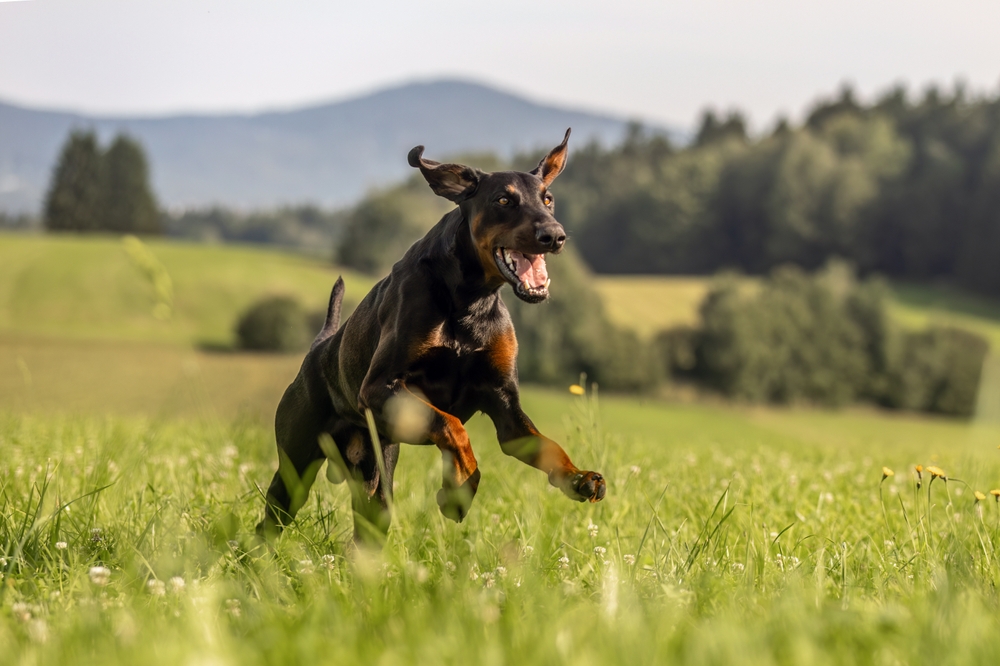
Doberman Pinschers are ferocious guard dogs with a reputation as aggressive, vicious, and untrustworthy dogs when it comes to guarding and protecting their home. Well, Karl Friedrich Louis Doberman intended just that when he bred them to help in his tax collection job.
Although these dogs are problematic and provide an intimidating defense, they can be less aggressive, loving, and affectionate with socialization as puppies and proper training. Dobs can also work in the military and law enforcement.
9. Irish Wolfhound

| Lifespan: | 6-7 years |
| Temperament: | Gentle, affectionate, dignified, generous, loyal, patient, sensitive, easygoing |
| Color: | Cream, black, red, wheaten, blue |
| Height: | 31 inches and above |
| Weight: | 115-180 pounds |
Irish Wolfhounds got their names from their purpose-hunting down wolves. But as the wolves disappeared with the onset of modernization, they soon fell out of favor and neared extinction.
These gentle and the tallest known giant dogs are intensely visual, energetic, and fast. Irish Wolfhounds still possess a hunting drive and will chase anything that moves.
Today, Irish Wolfhounds are service dogs, used explicitly as sight dogs for the visually impaired, thanks to their acute vision capacity. They can also be reserved around strangers, meaning they are great for a household that needs aid. However, potential owners should help stimulate their naturally sharp eyesight through activities like fetch, disc dog, and lure-coursing.
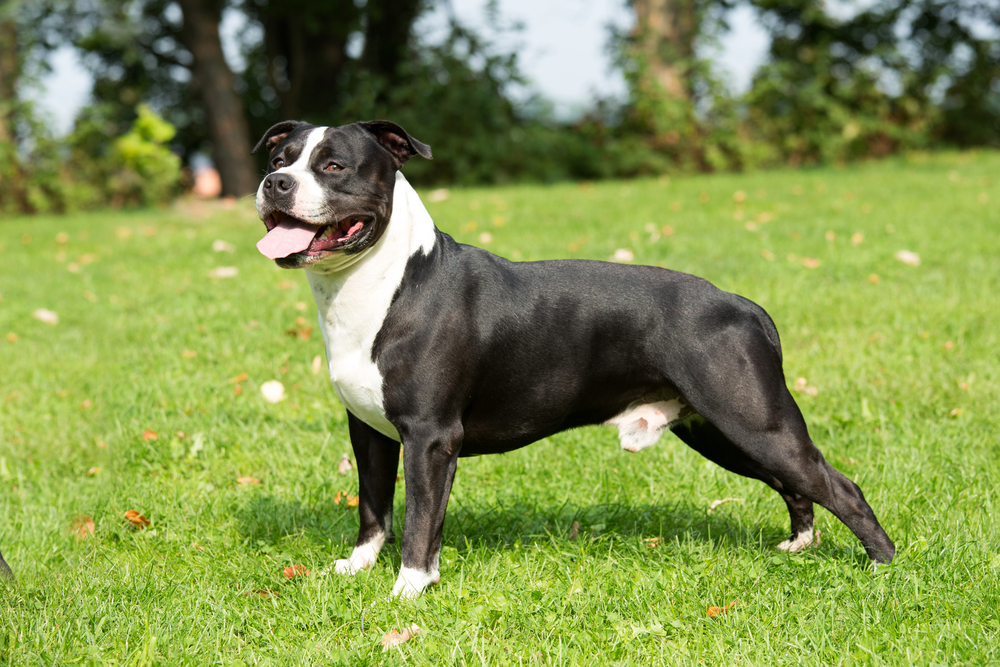
10. American Staffordshire Terrier
| Lifespan: | 12-14 years |
| Temperament: | Confident, joyful, intelligent, outgoing, obedient, affectionate, courageous, persistent |
| Color: | Any color |
| Height: | 18-19 inches |
| Weight: | 45-70 pounds |
Amstaff is a strong, athletic, medium-sized American dog breed that can be a great household pet as well as helping in police work.
American Staffordshire Terriers were bred to be combative, active, and muscular. They supplement these features by being courageous and so persistent that they can fight intruders to death to protect their owners’ property.
What Is the Form and Function of Working Dogs?
Breeders also create these dogs for loyalty, intelligence, watchfulness, and obedience, besides their specific needs like strength and size. Owners then build on these characters and reinforce them through foundational training.
Advanced training follows next based on the dog’s size and physical and behavioral strengths to ensure that they are physically and behaviorally fit for the tasks. The session can be so rigorous that it can turn puppies into pro-detectors.
Trainers might mold a less active dog for tasks like detecting diseases and hazards. These dogs are trained to recognize compound odors of interest that link to specific illnesses, drugs, explosives, or invasive characters. On the other hand, robust and more active pups are ideal for law enforcement and perform tasks, like search and rescue after disasters, guarding, and racing.
In Summary
Dogs have a long history of serving humans as hunters and guardians, a role they hold to date, even though they do more than hunting and protecting now. They also act as a bridge to independence for the disabled, a path to justice in the police force, and disease detection in hospitals.
You’ll never want to disrupt a working dog when it’s doing its job; they require a high level of focus.
Featured Image Credit: DragoNika, Shuttersrock
 What Are Working Dogs?