Get

In Your Inbox

Dogster is reader-supported. When you buy via links on our site, we may earn an affiliate commission at no cost to you. Learn more.

Orange Pomeranian: Info, Pictures, Origin & History

Share

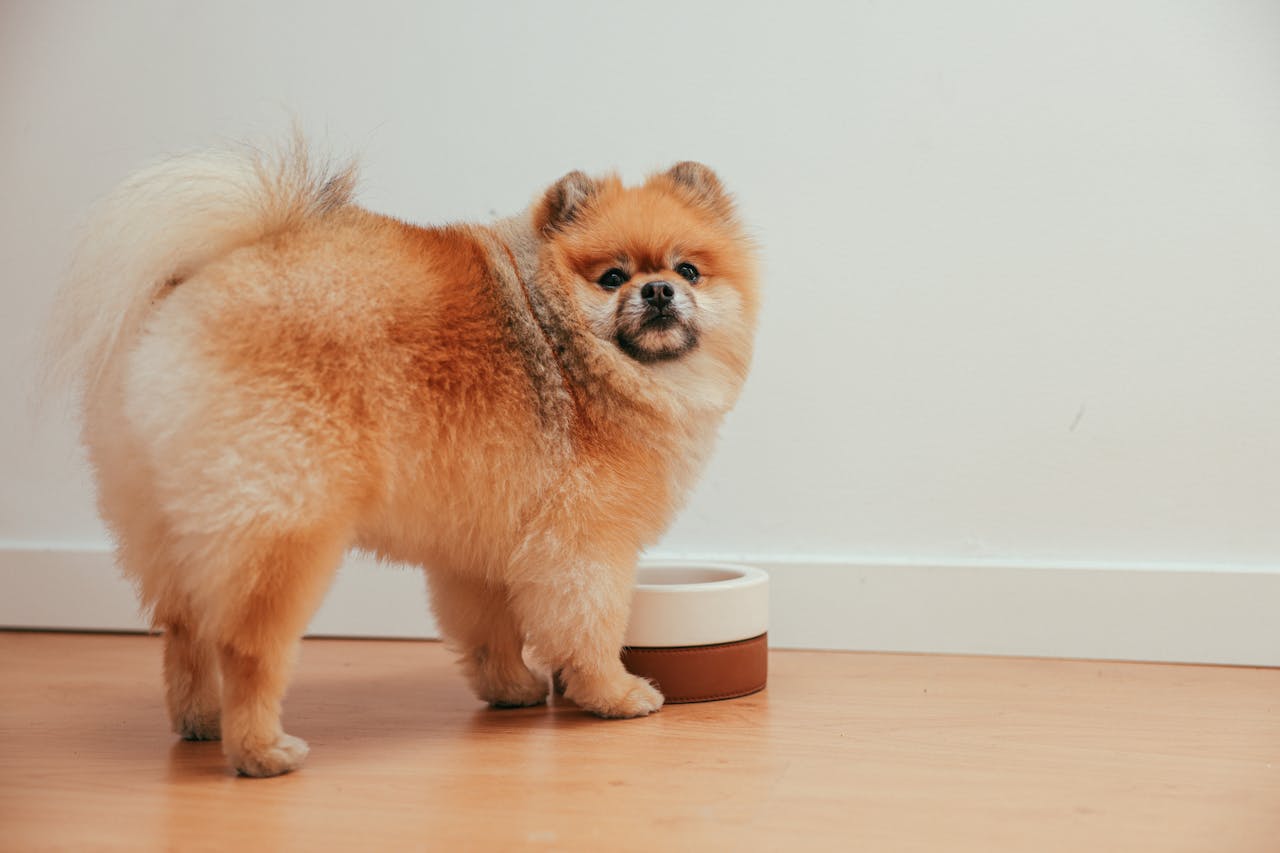
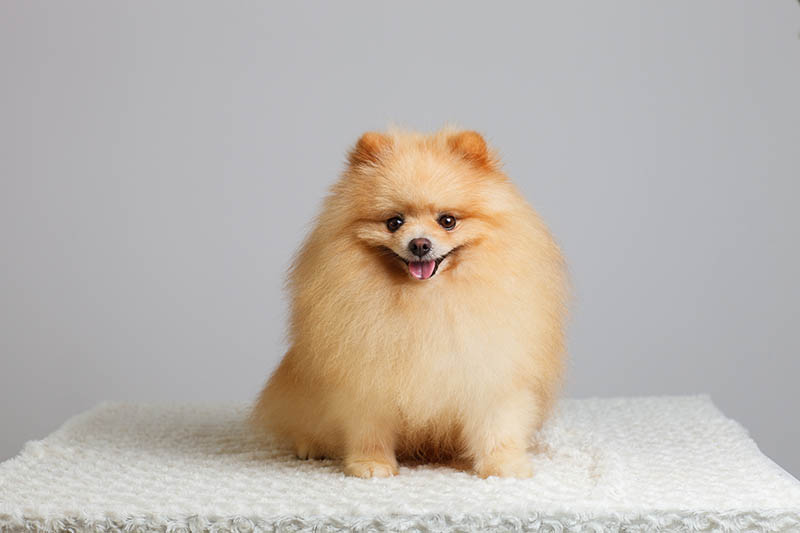
Pomeranian dog isolated in front of white background

Pomeranians mostly come in orange. It’s considered the classic coloration and is mostly utilized by breeders who produce dogs for the show ring. If you go to a dog show, odds are very high that all of the Pomeranians are orange. However, Pomeranians do come in a few other colors, like black and brown. Some are even tri-colored.

Breed Overview

Height:

6–7 inches

Weight:

3–7 pounds

Lifespan:

12–16 years

Colors:

Light cream to a deep mahogany

Suitable for:

Apartment living and those looking for smaller dogs

However, if you’re looking for a classical Pomeranian, you probably want an orange one.

The orange coloration was around since the beginning of this breed’s history. Therefore, it isn’t surprising that so many of these orange dogs exist today.

Orange Pomeranian Breed Characteristics

Energy
+
High-energy dogs will need a lot of mental and physical stimulation to stay happy and healthy, while low-energy dogs require minimal physical activity. It’s important when choosing a dog to make sure their energy levels match your lifestyle or vice versa.
Trainability
+
Easy-to-train dogs are more skilled at learning prompts and actions quickly with minimal training. Dogs that are harder to train will require a bit more patience and practice.
Health
+
Some breeds, due to their size or their breeds potential genetic health issues, have shorter lifespans than others. Proper exercise, nutrition, and hygiene also play an important role in the lifespan of your pet.
Lifespan
+
Some dog breeds are prone to certain genetic health problems, and some more than others. This doesn’t mean that every dog will have these issues, but they have an increased risk, so it’s important to understand and prepare for any additional needs they may require.
Sociability
+
Some dog breeds are more social than others, both towards humans and other dogs. More social dogs have a tendency to run up to strangers for pets and scratches, while less social dogs shy away and are more cautious, even potentially aggressive. No matter the breed, it’s important to socialize your dog and expose them to lots of different situations.

divider single dog paw oct 2024

The Earliest Records of Orange Pomeranians in History

Pomeranian dog on the beach
Image Credit: cyndibec, Pixabay

As we’ve stated, Pomeranians have probably been orange since the beginning of their establishment. We don’t know exactly how this breed got its start. They probably came from the region of Pomerania, and area consisting of part of present-day Poland and Germany, where they got their name from.

They originate from Spitz-type dogs from Iceland and Scandinavia, though they are much smaller than most of these canines. Their ancestors may have been utilized for herding and guarding livestock. However, their small size means that they were probably companion dogs, instead.

We don’t have many records of them until the 16th century. At this time, they were loved by European royalty. Queen Victoria of England popularized this canine in the 19th century. She kept several of them due to their smaller size and luxurious coats. Thanks to her attention, the dog became a status symbol.

How the Pomeranian Gained Popularity

After Queen Victoria kept Pomeranians, more and more working-class people began to keep them, too. Advances in breeding and transportation made it easier for these smaller dogs to be distributed and produced, spreading them easier throughout Europe.

These dogs very likely became popular thanks to their smaller size. They’re well-suited to apartment living and smaller homes. Plus, they can thrive in a range of different environments.

Formal Recognition of the Pomeranian

This breed was formally recognized in the 19th century. The first breed standard was written in 1891 by the Kennel Club in England. This standard helped set the breed in stone.

Over the years, many kennel clubs from around the world recognized this breed. For instance, the Pomeranian was recognized by the American Kennel Club in 1900. Most kennel clubs around the world recognize this breed today, largely thanks to its popularity.

Because this breed is very well-established, Pomeranians don’t tend to differ much from one area to another.
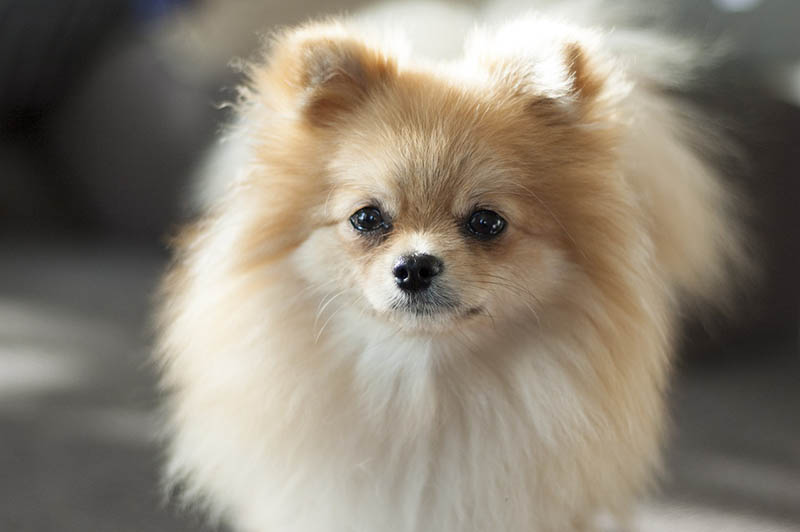
close up pomeranian Dog
Image Credit: Brigitte Schellens, Pixabay

divider single dog paw oct 2024

Top 8 Unique Facts About Pomeranians

1. They used to be much larger.

Pomeranians weren’t always as small as they are today. In the past, they were probably utilized as herding dogs and grew to be much larger. It took many decades of careful breeding to make them smaller. Today, many breeds of dogs are getting smaller, so this isn’t exactly odd.


2. They’re named after their region of origin.

Pomeranians are named after the region of Pomerania, which is now part of Germany and Poland.


3. Pomeranians were extremely popular among nobility.

In the past, Pomeranians were mostly kept by nobility. For the first few centuries of their existence, the common person didn’t have enough money to pay for the upkeep of a dog solely for companion purposes. Therefore, it was this nobility that largely led to this breed being so popular.


4. They come in many colors.

When you mention Pomeranians, most people imagine the orange variety. That’s mostly the color they come in. However, you can also find black, white, brown, sable, and particolored. These are rarer and not nearly as common in the show ring. If you want something besides an orange Pomeranian, you often have to find a specialty breeder.
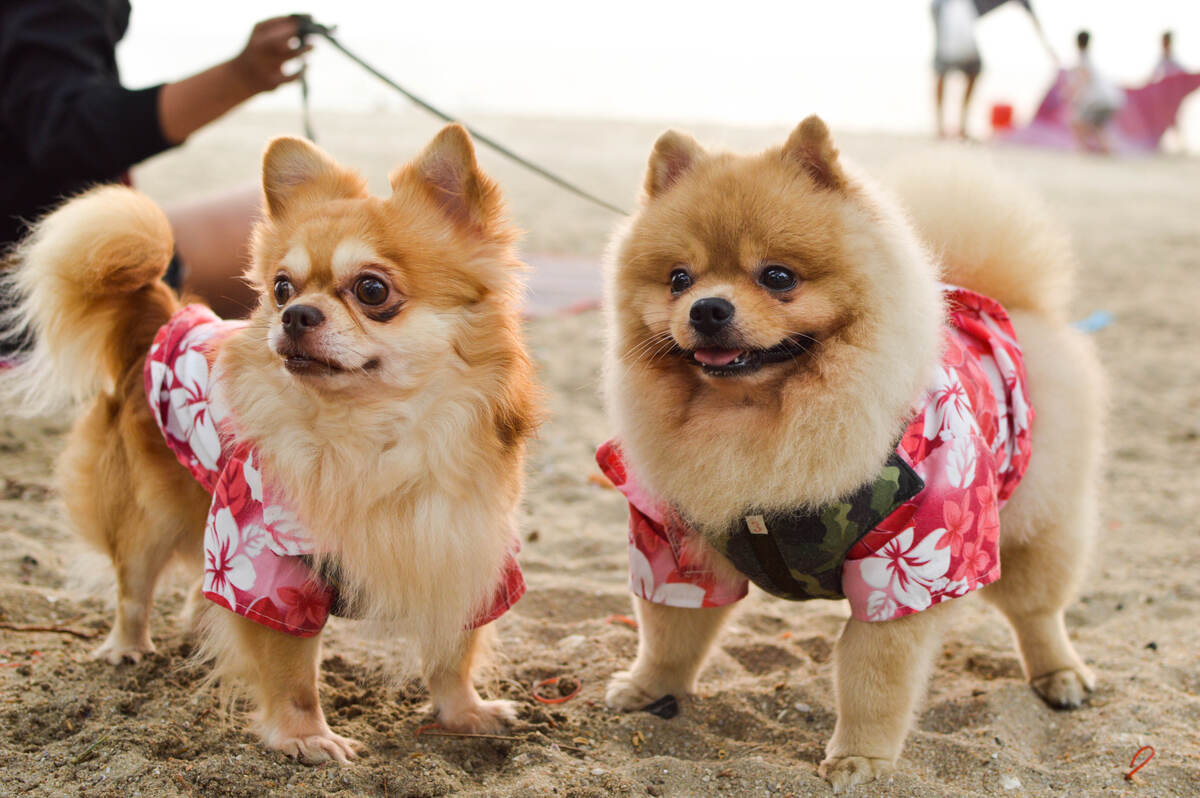
pomeranian dogs on a beach
Image Credit: palita sandee, Shutterstock

5. They’re rather loud.

Pomeranians can be rather loud, despite their smaller size. Their distinctive bark makes them a great watchdog. However, it can also be hard to tolerate, as they tend to bark at everything.


6. Pomeranians are prone to dental problems.

These canines are prone to dental problems. Most small dogs are, so this isn’t unusual. It’s because their face is small, crowding their teeth. It’s important to provide them with extra dental cleanings and keep their teeth brushed. You may want to budget for more vet expenses as your dog gets older, as this is when dental problems often occur.


7. They’re quite intelligent.

These dogs aren’t known as the most intelligent dogs out there. However, they do have quite a bit of intelligence. They can be trained fairly easily, though they aren’t as obedient as most other dogs out there.


8. They live pretty long for a small dog.

Their lifespan is between 12 to 16 years, which is quite long for a smaller dog. Therefore, you should ensure you have years to dedicate to these dogs before adopting one. (Of course, this assumes that they are well taken care of, including preventative vet care.)

small pomeranian barking
Image By: Shchus, Shutterstock

divider single dog paw oct 2024

Do Orange Pomeranians Make Good Pets?

Orange Pomeranians have been bred as companion animals for a long time. Therefore, they have many of the traits commonly associated with companion animals. For instance, they’re loyal and outgoing dogs. They love to be with their families and can bond with just about everyone. They do well in smaller spaces thanks to their smaller size.

They’re quite intelligent, which can make them easy to train. However, they aren’t necessarily as obedient, so they won’t always listen to commands in a real-world setting. They’re not necessarily as stubborn as other dogs, either. Because they’re so small, Pomeranians are very suitable for smaller spaces, like apartments. They do need a bit of exercise, though.

Of course, a lot depends on how a Pomeranian is raised. Socialization, upbringing, and training all affect how a Pomeranian may act in the end. Therefore, it’s important to ensure that your canine is raised well from a young age.

divider single dog paw oct 2024

Final Thoughts

Most Pomeranians come in orange. However, there are several other colorations, too. The orange color likely existed since these dogs’ beginnings.

For much of their history, Pomeranians were kept by nobility and monarchs, like Queen Victoria. These monarchs kept them as companion animals, as they were the only people with enough disposable income to keep dogs solely as companions.

Today, they’re known as adorable, companion animals. Their smaller size works well in smaller spaces, making them perfect for apartments and similar areas. Furthermore, they also work well for those who want a lap dog, as they’ve been bred mostly to be companion animals.


Featured Image Credit: KUNANEK SUPAKOSOL, Shutterstock

Want content like this delivered to you?

Sign Up For Our Newsletter

News, insights, expert advice, and everything dog

* By submitting, you agree to our Terms & Conditions and Privacy & Cookies Policy.


How useful was this post?

Click on a star to rate (you can leave written feedback after clicking submit)

Help us improve Dogster for pet parents!

Your feedback really matters.

What did you like about this post? Also how can we improve it?

Join the conversation

Leave a Reply

You’re very welcome to leave a comment or question. Please know that all comments must meet our community guidelines, and your email address will NOT be published. Let’s have a positive and constructive conversation.


Talk With A Vet Online

Peace of mind,
anywhere, anytime

Affordable vet advice

Why Some Dogs Treat Mealtime Like Playtime – And When to Pay Attention

Most dogs are reliable eaters. Bowl goes down, food disappears. So when a dog starts batting kibble across the kitchen floor, tossing pieces...

Major Win for Dogs: Ontario Becomes the Final Province to Ban Ear Cropping and Debarking

​​Ontario has approved new animal welfare regulations that will prohibit elective ear cropping and devocalization (debarking) procedures in dogs from January 1, 2027....

Dogster’s Weekly Photo Contest Winners: Most Adorable Puppy (June 8, 2026)

Every week our team gets the privilege of sorting through our readers photos to choose what dogs will win this weeks contest! See...

The Spice Cabinet Dangers Most Dog Owners Don’t Think About

Most people know chocolate is off-limits for dogs. Fewer realize that some of the most common herbs and spices sitting in a kitchen...

More related

How Long Will It Take for Dog Hair to Grow Back? Vet-Verified Facts

Dogs come in all shapes and sizes, and depending on the breed, they can grow either short, medium, or long hair. They can...

Penny’s Kayaking Adventure: Why I Take Her With Me

Hi, I’m Savanna! Read my introduction to learn more about me and my spunky Chihuahua mix, Penny. Small dogs have a reputation for...

Piebald Weimaraner: Info, Pictures, Origin & History

The Piebald Weimaraner is a stunning canine that combines the elegance and athleticism of the Weimaraner with a striking piebald coat pattern, making...

How Long Do Dogs Live? Vet-Reviewed Average Lifespan & Factors

As owners, we always wish for our pups to live long and healthy lives. While proper care is essential, the breed and size...

Keep reading

Relievet CBD Dog Treats Review 2026: Our Expert’s Opinion

What Are Relievet CBD Dog Treats? How Do They Work? Hemp, or the marijuana plant, has been used since before recorded human history began for many purposes. These purposes include religious use, recreational use, pain control, mood stability, and other...

Relievet CBD Dog Treats

Can Dogs Eat Mango? Vet-Approved Safety & Feeding Tips

No matter what you’re eating, your dog likely stares on with envy. Most dogs love to eat what their humans eat, but dogs have no idea if the food is good or bad for them or possibly even downright toxic—this...

Can Dogs Eat Mango

9 Best Rawhide Alternatives for Dogs In 2026 – Reviews & Top Picks 

While some owners swear by rawhide chews, because they are especially good at keeping power chewers busy for hours at a time, many owners refuse to use them. Some manufacturers use chemicals like bleach and hydrogen peroxide to remove the...

A dog and it's antler A brown and white dog lying on it's bed chewing on a deer antler

9 Best Foods for Rottweiler Puppies in 2026 – Reviews & Top Picks

If you’re getting a Rottweiler puppy, it’s vital to know the right kind of food to feed them. Because your Rottie will grow up to be a pretty hefty dog, you’ll need to find a specially formulated food for large...

rottweiler puppy done eating

What to Do When Your Dog Food Has Been Recalled: 7 Useful Recommendations

You want your dog to have the best of everything, including dog food. Even if you’ve found the perfect food for them, one they love that is also nutritious, though, you may not be able to feed them that food...

dry dog food in a bowl on wooden table

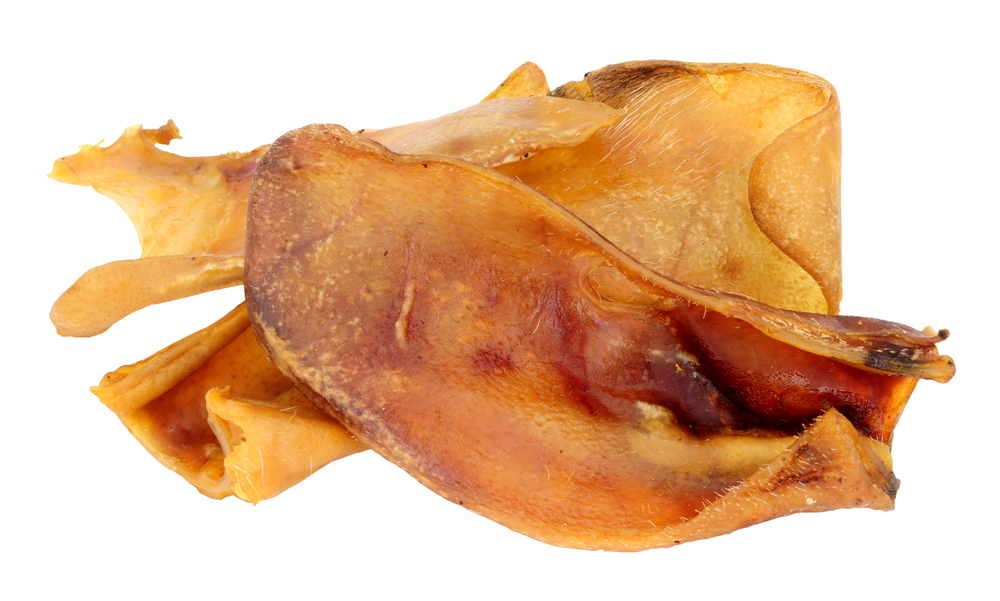
Are Pig Ears Good for Dogs? Vet-Verified Facts & Guide

Pig ears have been popular dog treats for quite a while, but it’s always a good idea to investigate whether any treat is suitable for your dog. When it comes to pig ears, the answer is “sort of.” Pig ears...

Pig Ears

10 Best Dog Foods for Autoimmune Disease in 2026: Vet Approved Reviews

Like humans, dogs have an immune system to protect them from illness and disease. When this natural defense system can’t distinguish between foreign cells and the body’s own cells, it can turn on itself. An autoimmune disease is when the...

Dog-with-a-full-food-bowl_nancy-dressel_shutterstock
10 Best Dog Foods for Huskies to Gain Weight in 2026: Reviews & Top Picks

It can be stressful to have a dog that is underweight, and Huskies are a breed that are particularly prone to this because of their high activity level. It can also be difficult to determine your Husky’s body composition due...

young siberian husky eating

Love Dogs? So Do We! Join the Dogster Community

Stay informed with expert pet care insights delivered straight to your inbox! Discover professional guidance on animal behavior, feeding tips, trusted product picks, and much more.


Sign up for the Dogster Email Newsletter