As owners, we always wish for our pups to live long and healthy lives. While proper care is essential, the breed and size of the dog also play significant roles in their projected lifespan. We can give an estimate between 10-15 years on average but many factors come into place.
Therefore, it is necessary to understand the different factors that affect a dog’s longevity to provide them with the best possible care as they age. Let’s look closer at what influences a canine’s lifespan.

A Dog’s Average Lifespan
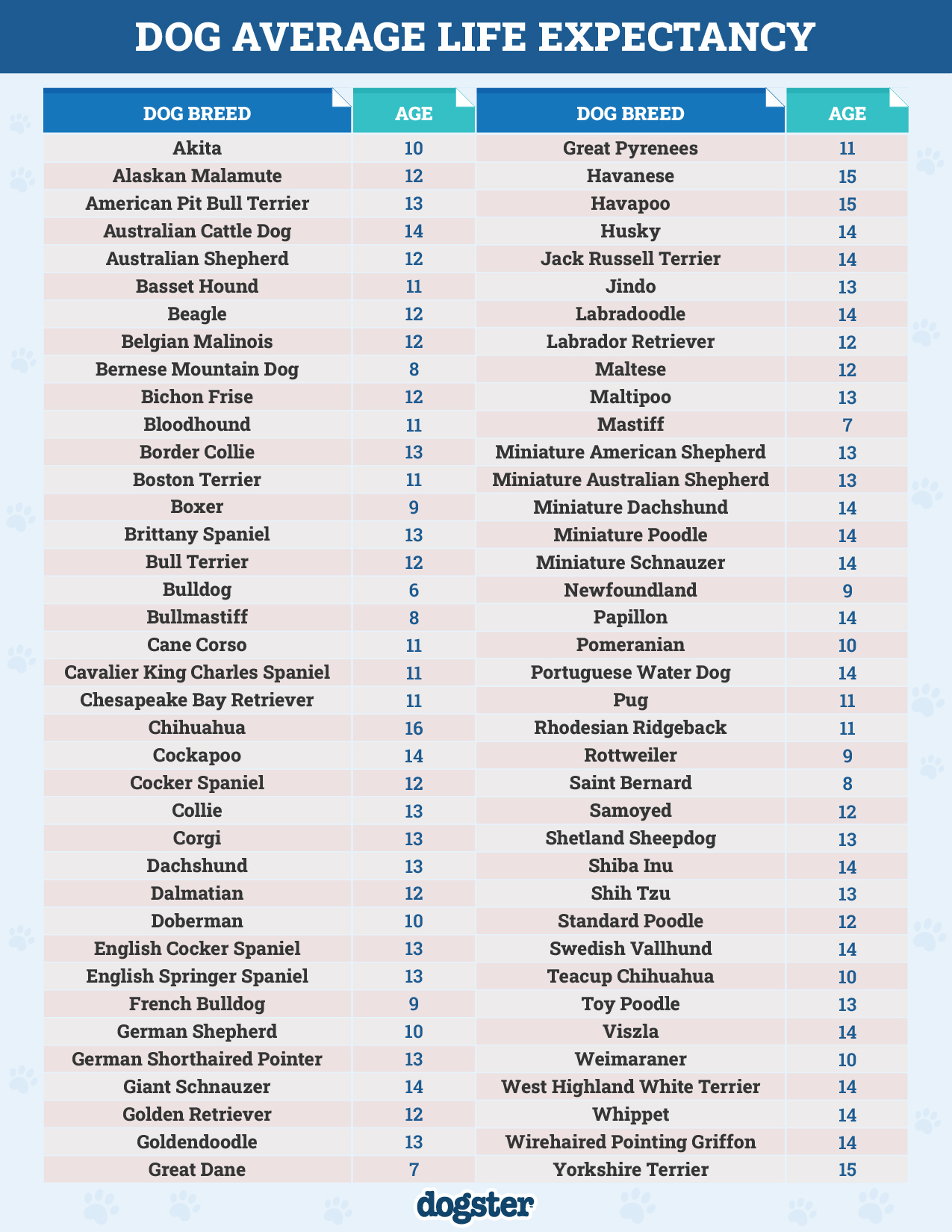
On average, domestic dogs live for 10 to 13 years, but a dog’s lifespan may heavily depend on their size. Small breeds generally live longer than large breeds, and mixes tend to live longer than purebreds, which can inherit genetic conditions that may affect their lifespan.
Small Dogs

Small dogs typically have the longest lifespans, averaging 10 to 15 years. Certain small breeds, like the Chihuahua, have a projected lifespan of 14 to 18 years but some are known to live into their 20s.
Medium Dogs
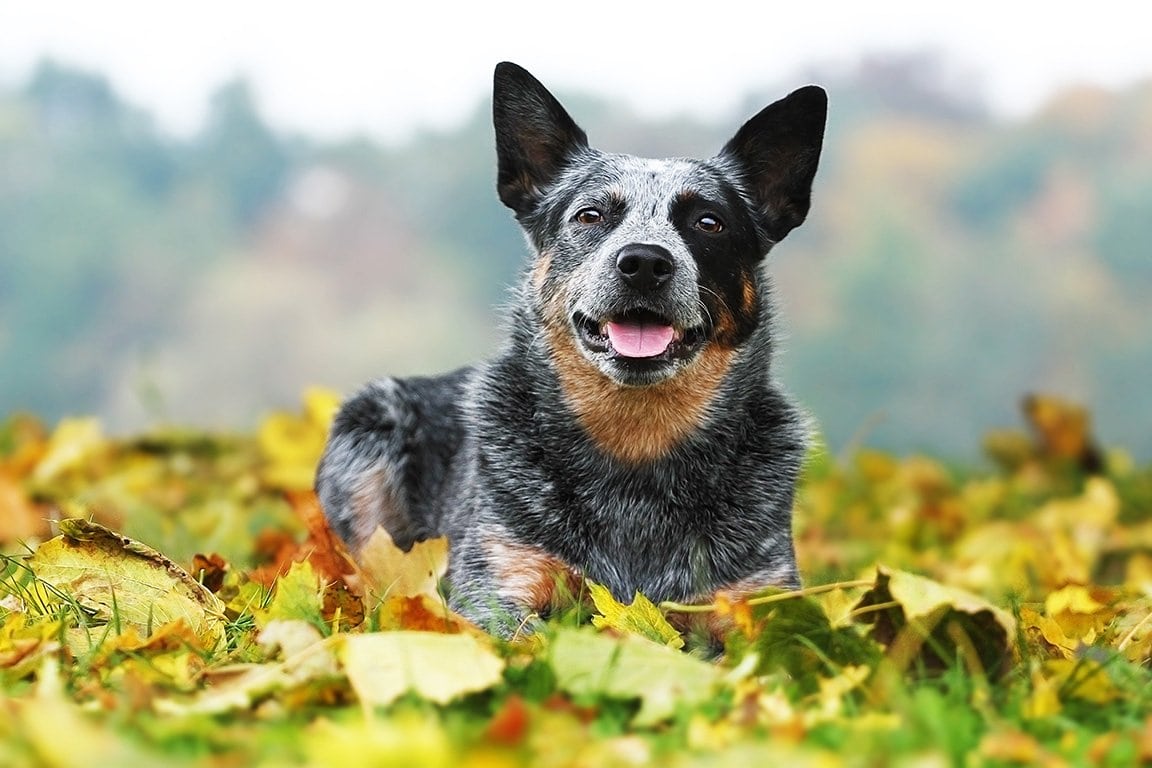
Medium-sized dogs have an average lifespan of 10 to 15 years. That said, Bluey, an Australian Cattle Dog, was the world’s oldest dog, having lived until the age of 29 1!
Large Dogs

Large breeds have a shorter lifespan than medium-sized breeds, ranging from 9 to 12 years. They may have a higher susceptibility to conditions like arthritis and cancer, particularly among specific popular breeds, such as Golden Retrievers and Bernese Mountain Dogs.
Giant Dogs
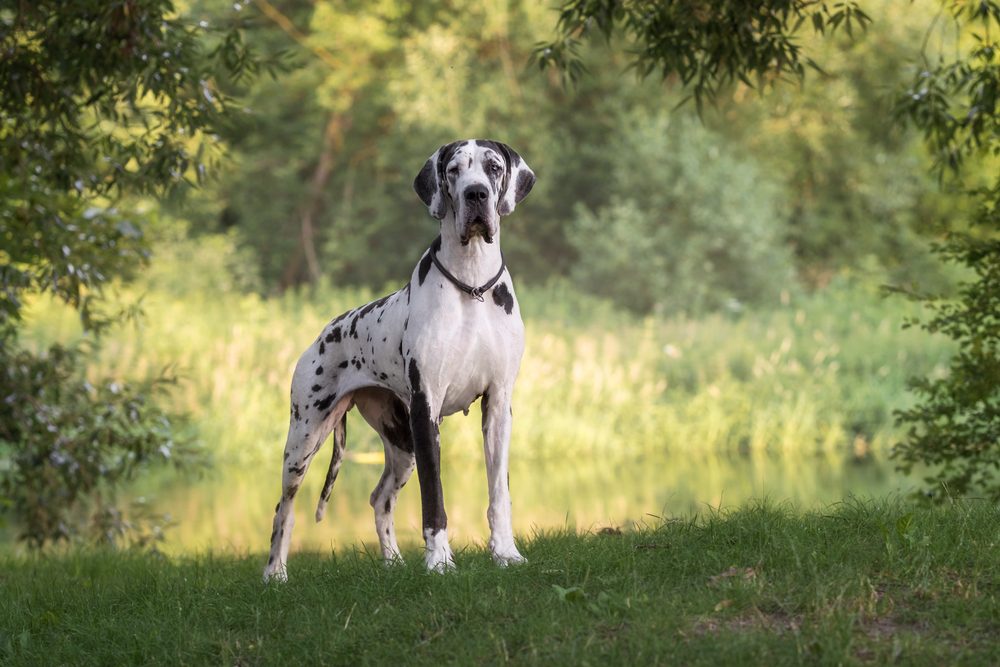
Giant breeds have the shortest lifespan, with an average of 8 to 10 years. Huge dogs like Great Danes are considered seniors as early as 6 years of age. Unfortunately, many giant breeds are more susceptible to certain health conditions that may shorten their lifespan.
How to Care For Your Dog for a Long Lifespan
There are various ways to help your dog live longer. Ensuring their well-being in all aspects of their life can help maintain their longevity and increase their lifespan.
Feeding & Diet
It’s essential to provide your dog with high-quality dog food in the right amounts to help keep them healthy. Overfeeding your dog and/or giving them too many treats and table scraps can result in weight gain and obesity, which can lead to things like diabetes, which can definitely shorten their lifespan.
It’s best to seek advice from a veterinarian about what kind of food to serve and how much and how often to feed your dog.
If you need to speak with a vet but can't get to one, head over to PangoVet. It's our online service where you can talk to a vet online and get the personalized advice you need for your pet — all at an affordable price!

Exercise
Regular exercise is critical for dogs to maintain a healthy weight and prevent conditions like obesity.
Apart from the physical benefits, exercise helps in keeping them mentally stimulated. It plays a crucial role in preventing depression and behavioral problems. It can also strengthen the bond between you and your pup.
Training

Training your dog is a great way to keep them mentally stimulated, but it is also crucial for their safety. Your dog should receive basic training, such as learning how to stay, sit, and leave it.
Teaching them good recall is essential, as it can mean the difference between your dog getting hurt and getting out of harm’s way.
Grooming
Grooming your dog makes them look good, but it is also vital for their overall well-being. Your pup needs regular coat brushing, bathing, teeth brushing, ear cleaning, and nail trimming. Through the grooming process, you will get to know your pet better, and this can help you detect any potential underlying health issues or abnormalities.
Regular grooming is a crucial part of your dog’s care and should not be overlooked.
Healthcare

Take your dog to annual wellness checks with your vet to ensure their continued health and well-being. Regular check-ups can help detect any potential health conditions before they escalate, and your vet can also perform professional teeth cleaning, which is highly recommended for your dog’s oral and overall physical health.
In addition, your dog needs to receive their annual vaccines and flea, tick, and heartworm preventative medications.
The Life Stages of a Dog

Most puppies aren’t ready to go home with their new family until they are between 8 and 10 weeks of age. As a dog matures, the average age when they’re considered an adult is 1 year, but this depends on their breed and size.
Small dogs generally reach their adult size between 9 and 12 months. Medium breeds usually reach their full growth by 12 to 14 months, while large breeds reach their adult size by 12-18 months. Giant breeds take much longer to reach their full adult size and may continue to grow until they are 24 months old.
The final life stage for canines is when they become seniors. The age at which they receive this designation also depends on their size:
- Small dogs are considered seniors when they are around 10 to 12 years of age.
- Medium-sized dogs are thought to be seniors when they are around 8 to 9 years old.
- Large and giant dogs are considered seniors by 6 to 7 years of age.
How to Tell Your Dog’s Age
Determining the age of a dog whose birthday is unknown can be challenging. However, there are a few physical characteristics that can give you a rough idea of how old they are.
Puppies have baby teeth that start to erupt between 3 and 6 weeks of age. By 4 to 6 months, their adult teeth will have come in. Additionally, as dogs age, they are more prone to tartar and plaque buildup, and bad breath may become more noticeable if they haven’t had proper dental care.
Another sign of aging in dogs is graying fur, usually around the muzzle, but it can spread to the entire face. However, this isn’t a reliable indicator because some canines may go gray earlier than others, and some won’t go gray at all.
Cloudy eyes with a bluish-gray cast can also indicate an older dog. However, this may not be the case for all canines, and young dogs may also have cloudy eyes due to certain health conditions. A dog’s activity level or lack thereof may reveal their age, though a young dog may be less active due to health conditions.
While these signs can give you a rough estimation of a dog’s age, it’s best to consult a veterinarian for a more accurate assessment.

Conclusion
If you have been considering bringing home a new dog but are hoping to find a long-lived breed, do your research. If you decide to get your dog from a breeder, always look for one who performs the necessary health checks to ensure that their pups won’t have any inherited health conditions. Mixed breeds tend to have less instances of the same genetic breed-specific conditions as purebred dogs, but there are no guarantees.
Get to know your dog’s background, and visit your veterinarian regularly to develop a preventative care plan. This way, your dog should stay healthy and happy well into their golden years.
Featured Image Credit: Lenkadan, Shutterstock