Sadly, there are quite a few eye problems that can affect dogs. Different breeds are more prone to specific eye problems than others. Sometimes there is a genetic component, and other times the disease develops due to external factors.
Luckily, many of these conditions can be treated and cured if they are caught early enough. It is important to keep your eye out for these problems, though, as early treatment is essential to the dog’s health.

The 9 Common Eye Problems for Dogs
1. Cherry Eye
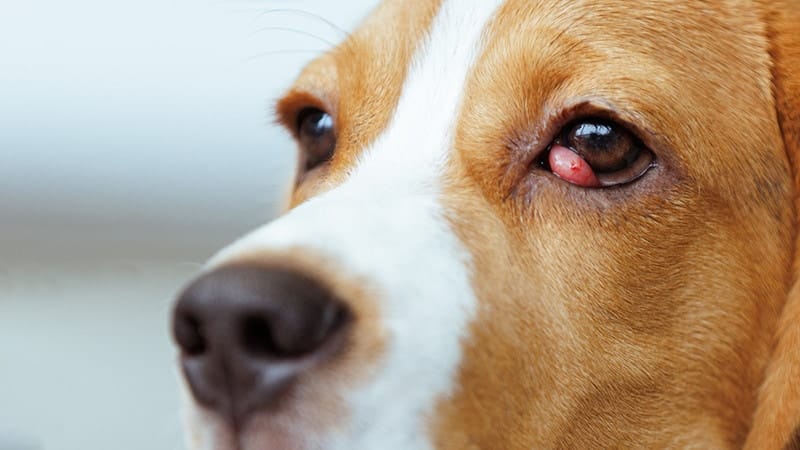
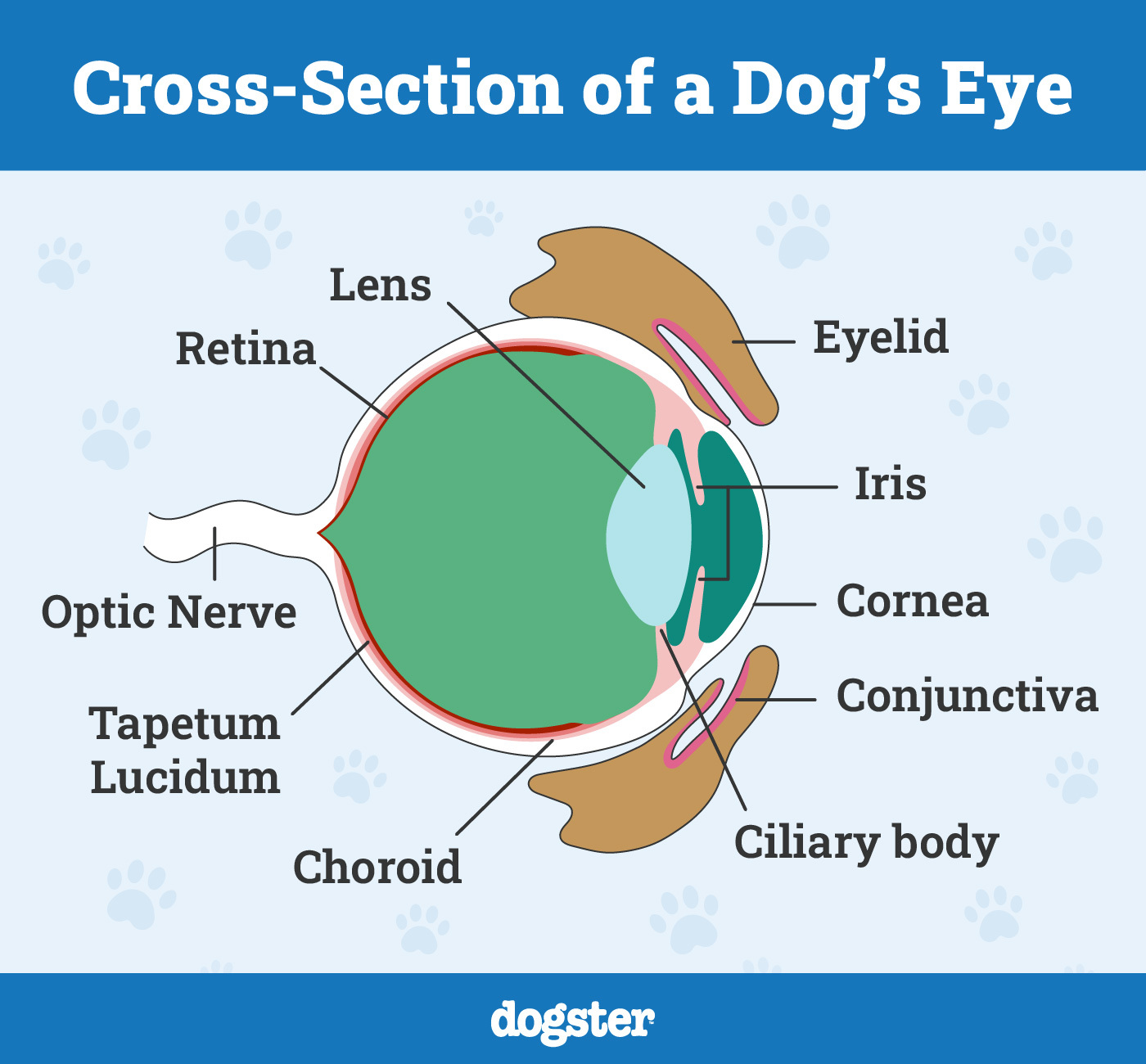
Unlike us, dogs have three eyelids. The upper and lower eyelids close to cover the surface of the eye, while the third eyelid comes from the inner corner of the eye and moves diagonally. This third eyelid contains a small tear gland that is necessary to keep your dog’s eye wet. This gland is located underneath your dog’s third eyelid, so it isn’t visible. Occasionally, the gland may slide up, however. This will leave a red bump in the corner of your dog’s eyes.
This condition does have a genetic component. Those that get it in one eye are much more likely to get it in the other eye later. Luckily, this condition is not very serious as long as your vet performs surgery to return the gland to its normal position. Removing the gland is not a treatment option, as this increases the risk of suffering from dry eye in the future.
2. Dry Eye

Dry eye is also called keratoconjunctivitis sicca (KCS). This condition is characterized by the tear gland producing fewer tears than normal. Tears are extremely important for all sorts of functions, such as removing foreign bodies and hazards from the dog’s eye and keeping the eye moist. Dry eye can cause all sorts of serious problems, such as corneal ulcers, scarring, and even blindness.
This condition has many causes, but the most common is an immune-mediated damage to the gland. Your vet will prescribe artificial tears, which will need to be dropped into your dog’s eye several times a day. There are also medications to stimulate the production of tears, which works in some cases. For some dogs affected severely, a surgery that redirects a saliva duct to the eye may be recommended by your vet.
3. Corneal Wounds
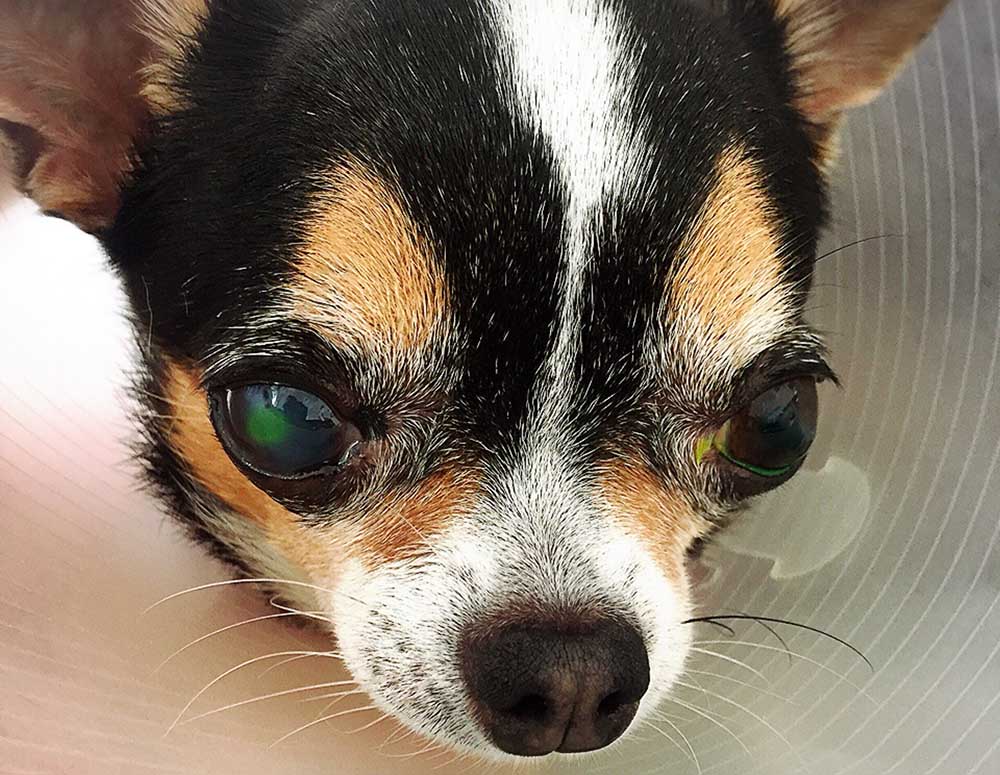
Just like people, dogs can scratch their eyes and cause wounds that are medically called corneal ulcers. This can be done in a number of ways. Usually, direct trauma is the cause. Your dog may have accidentally poked themselves in the eye with a stick, ran through tall grass, or scraped their eye while playing.
Some dogs are more prone to wounds than others. Dogs with eyes that “pop out” are more likely to injure them simply because more of the eye is exposed.
Usually, dogs with this condition will rub their eyes, which may be red and swollen. They will act similarly to a person with an injured eye. Their vision may be affected, or they may become light-sensitive.
Prompt intervention from your vet is vital for avoiding complications such as infections and even eye perforation. Treatment may involve antibiotic and pain relief eye drops, a protective collar, and oral medication. Sometimes, surgery is necessary, depending on the size and the depth of the ulcer.
4. Conjunctivitis

Lining the inside of your dog’s eyelids and the eye itself is the conjunctiva, the pinkish layer that is typically visible when it’s inflamed. Conjunctivitis or pink eye occurs when this membrane suffers from inflammation, causing the signs that you would expect: redness, swelling, eye discharge, and discomfort.
Conjunctivitis has many causes since the membranes become inflamed for a reason. These reasons include infections, irritations, allergic reactions, and immune-mediated problems. For conjunctivitis to resolve, the underlying condition needs to be found and treated. Treatment may include foreign body removal, antibiotic ointment, or anti-inflammatory drops, among others.
If you want more information or are concerned about the health of your pet, you should contact your vet.
If you need to speak with a vet but can't get to one, head over to PangoVet. It's our online service where you can talk to a vet online and get the advice you need for your pet — all at an affordable price!

5. Glaucoma

The eye contains a liquid inside it that is maintained at a constant pressure, called intraocular pressure (IOP), in a perfect balance. When this gets disrupted and the pressure increases, glaucoma occurs. There are many signs of this disease, including pain, impaired vision, redness, cloudiness, dilated pupils, and tearing. Emergency treatment is vital, as blindness can occur otherwise.
Your vet will examine your dog’s eyes to understand the reason for glaucoma to develop and will start intensive medication to reduce the pressure inside the eye. Treatment usually involves eye drops to bring the IOP to normal levels. Surgery may be recommended in a few cases. Sometimes, this condition is caused by an underlying problem, which will need to be treated.
6. Entropion

Some breeds have eyelids that are prone to rolling inward, which is called entropion. Because your dog has hairs on the outside of the eyelid, this can cause serious problems. The hairs will rub against the surface of your dog’s eyes and irritate them, causing pain and ulcers in some cases. Pawing at the eye and tearing are common signs, though you can often see that the eyelid is rolled as well. Eventually, without treatment, the eye will be damaged.
This condition is more frequent in puppies and can be fixed with surgery. Depending on the severity of the problem and the age of the dog, surgery might need to be done in two stages. Entropion is often linked to the anatomy of the dog, and breeding from affected dogs is not recommended.
7. Progressive Retinal Atrophy

PRA is a progressive disease that eventually leads to blindness. It is genetic, so puppies inherit the disease from their parents to be affected. Some breeds have genetic tests available to determine if parents are carriers of PRA, which helps prevent puppies from inheriting it. This is one reason why it is so important to adopt from a qualified breeder, as they are more likely to do this necessary genetic testing.
There is no cure for this condition, and it inevitably leads to blindness. The first sign of PRA is usually night blindness. The dogs may not appear to be severely affected until they are placed in an unusual environment or go completely blind. Luckily, the condition is painless.
8. Cataracts

Cataracts can affect dogs of any age, but they are more common in older dogs. It is important to take your dog for a check up with your veterinarian if you detect vision problems in your dog, as untreated cataracts will eventually lead to complete blindness and sometimes other eye problems, such as glaucoma, lens luxation, and retinal detachment.
Cataracts are treatable with surgery by veterinary ophthalmologists, and the sooner the operation is performed, the better the chances of success.
9. Pannus
When chronic superficial keratitis (CSK) or pannus occurs, blood vessels and scar tissue invade the cornea. Severe cases result in blindness, as most of the corneal area will be covered. This disease is mostly seen in German Shepherds and is associated with the exposure of the eyes to ultraviolet light. However, any breed can be affected. As the tissue progresses, the lesions will enlarge and scarring will occur.
If not treated, this disease leads to blindness. Pannus is treated with the use of topical anti-inflammatory and/or immuno-suppresive eye drops and the use of protective eyewear in dogs that tolerate it. Sometimes, antibiotics are also used for a short period of time. Close collaboration is key to treatment success.
Conclusion
Since there are quite a few eye problems that can affect dogs, it’s important to get your pet checked out by a vet as soon as you notice any signs of them. Squinting, rubbing at their eyes, redness, cloudiness, or discharge are some common abnormalities that your dog may show that warrant an urgent vet appointment. While some eye conditions are genetic, others are caused by external factors. Either way, treatment is needed in all cases, and the sooner you can get them seen by a professional, the better off they’ll be.
You might also be interested in:
Featured Image Credit: Pixabay
 The 9 Common Eye Problems for Dogs