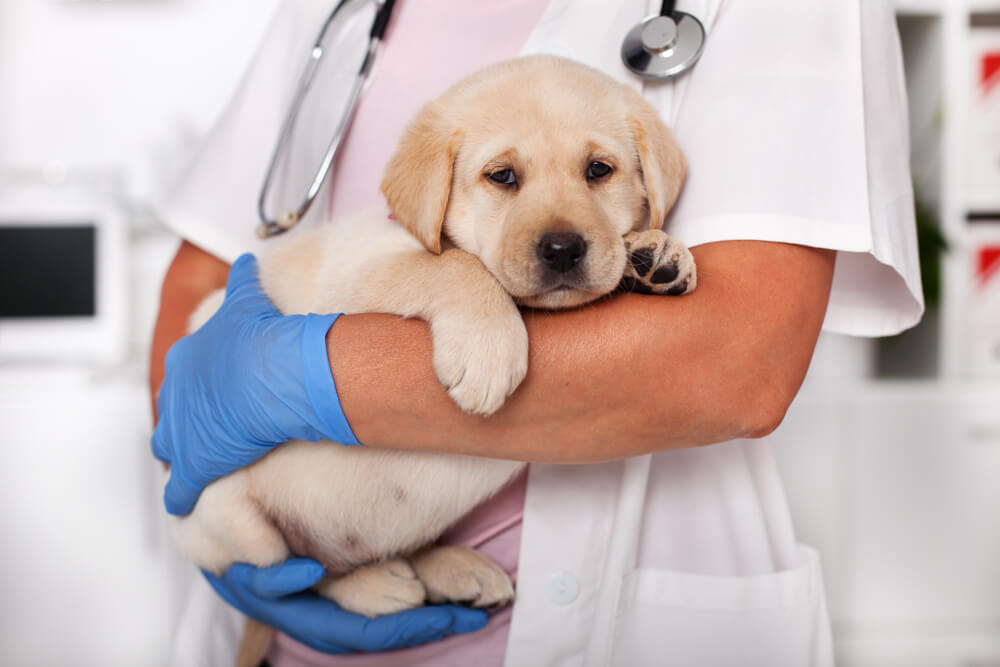
Coccidia is an infection of the intestinal tract frequently seen in puppies. It is caused by a single-celled organism called protozoa. These parasites invade the cells lining the intestinal tract, causing damage that leads to clinical signs such as watery diarrhea and weight loss. Puppies are particularly vulnerable to the disease as they have an immature immune system, so they do not cope as well as adult dogs.
There are effective treatment options depending on the type of coccidia present and the severity of the infection. Some dogs can have subclinical infections where they shed the coccidia, but they do not have any clinical signs.

What Is Coccidia in Puppies?
Coccidia, also known as Canine Cystoidospora spp (previously known as Isospora), is a single-celled protozoan parasite that infects the gastrointestinal tract of dogs. It is commonly seen in puppies, but it can affect adult dogs, too. It dwells in the wall of the intestines.
Dogs become infected when they ingest the oocysts (the eggs) of the parasite. These are often picked up in contaminated feces from other dogs when they are out walking or playing. Once the eggs have been ingested, they mature inside the dog’s intestine and go on to release sporozoites. The sporozoites have the ability to invade the intestinal lining cells. They then reproduce and cause considerable damage to the intestinal wall in the process.
New eggs are produced and shed in the dog’s feces.

What Are the Signs of Coccidia in Puppies?
- Watery diarrhea, often with blood or mucous present
- Vomiting
- Reduced appetite/off food completely
- Weight loss/failure to thrive
- Pain/discomfort around the abdominal area
- Dehydration
- Lethargy
- Depression
- Death
Coccidia can be tricky to spot and diagnose as despite the list of clinical signs above that can often be seen, some dogs present with no clinical signs and are asymptomatic. These dogs still shed the oocysts in their feces and can easily spread them to other dogs. This is why it is important for dogs to have fecal egg counts regularly to make sure they are not asymptomatic spreaders.
Seek veterinary advice if you’re concerned about your pet’s well-being.
If you need to speak with a vet but can't get to one, head over to PangoVet. It's our online service where you can talk to a vet online and get the advice you need for your pet — all at an affordable price!
What Are the Causes of Coccidia in Puppies?
Dogs pick up coccidia from their environment by ingesting the oocysts from a contaminated source such as feces or soil. Puppies are more susceptible to coccidia infection for several reasons. They have an underdeveloped immune system, and while their immune system is immature, they do not have the resources to fight off infections as an adult dog would.
Puppies are naturally curious and spend a lot of their infancy exploring their world with their mouths. They often chew or lick things and this puts them at higher risk of ingesting coccidia oocysts from their environment. Puppies undergo a few very stressful life changes at a young age. They have to leave their mother and their litter mates, and they have to adjust to a new home and new people/other animals. They also get microchipped and vaccinated. All of these things can be very disruptive and cause a lot of stress. This can weaken their immune system and make them more vulnerable to infection.
Other factors that can contribute to the occurrence of coccidia in puppies include crowded environments. If dogs are kept in close proximity to lots of other dogs, the risk of exposure increases if an infected dog is present.
The oocysts can survive in the environment for weeks; therefore, poor hygiene can also contribute to the spread of this disease. Inadequate cleaning practices and poor sanitation where the puppy lives increase the risk of them picking up coccidia.

Diagnosis of Coccidia in Puppies
Your vet will start by taking a full clinical history and performing a physical exam. They will be looking for signs such as dehydration, weight loss, and pain or discomfort around the tummy area if they are suspicious of coccidia.
A urine sample and a blood test can be taken to check white and red blood cell counts, assess organ function, and look for signs of dehydration and electrolyte imbalances.
The best way to definitively diagnose coccidia is to perform a fecal examination. A fresh stool sample will be taken from your dog and examined under a microscope to look for oocysts. Your vet will usually be able to identify the coccidia oocysts, which are the eggs of the parasite. Some types of coccidia need special preparation techniques, such as flotation or sporulation, to enhance their visibility under the microscope.
Fecal flotation is a process where the oocysts are separated from other fecal debris, which makes them easier for your vet to spot. A fecal smear involves looking at a fresh sample under the microscope and searching for motile parasites. This is less effective at identifying coccidia but can be useful for identifying and ruling out other causes of the clinical signs.
Prompt diagnosis and treatment are vital for preventing serious complications in young puppies. Early diagnosis will also prevent the spread of the disease to other puppies; however, if one is infected in a litter, they all will be.
How Do I Care for a Puppy with Coccidia?
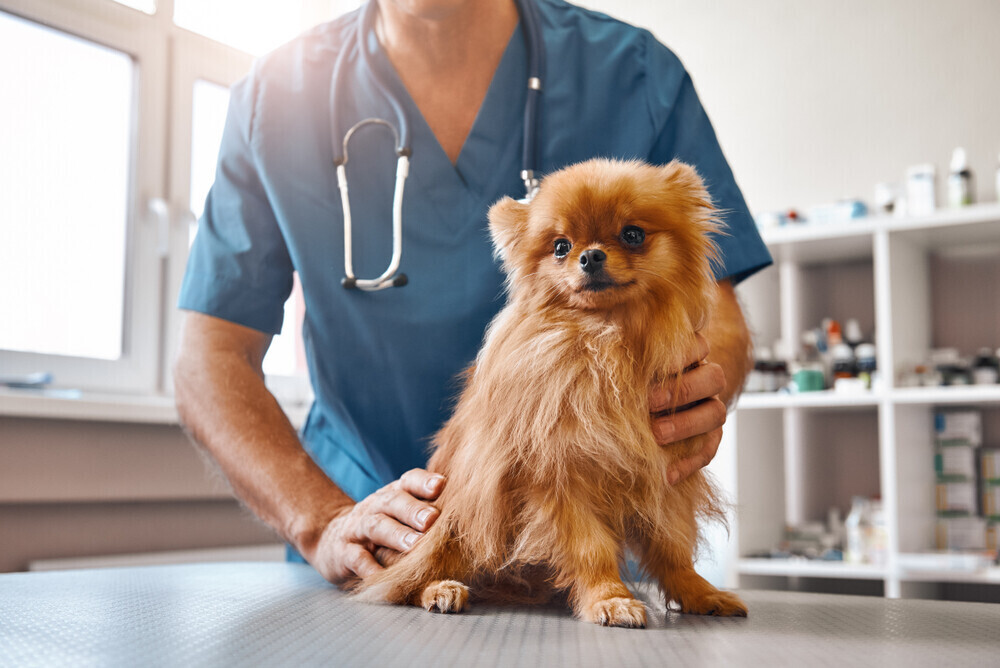
After your vet has diagnosed coccidia in your puppy, they will advise you of a suitable treatment plan depending on the severity of the disease and the clinical signs present. The aim will be to eliminate the parasite and address the clinical signs.
Anti-parasite medication will be used. Your vet will choose one that is effective against coccidia species. This will depend on the type of coccidia that has been diagnosed and the severity of the infection. Anti-parasite medication for coccidia is usually given orally. It can be given as a tablet, liquid, or paste. Your vet will discuss with you the best way to dose your puppy.
Depending on how badly affected your puppy is, your vet may need to administer supportive care.
- Intravenous fluid therapy. To rehydrate the puppy and regain balanced electrolytes lost due to diarrhea. Dehydration alone can kill a puppy, so it is very important to ensure they are fully hydrated. Electrolytes are essential minerals that will be lost through the passing of diarrhea. It is vital that these are replenished to maintain normal bodily functions.
- Pain relief. If the puppy is uncomfortable.
- Dietary modification. A bland diet may be recommended for 2–3 days after to help settle the puppy’s stomach and promote healthy digestion. The normal food can gradually be reintroduced as they begin to recover.
- Probiotics. These supplements can aid in the restoration of good bacteria in the gut that will have been disrupted by the coccidia infection.
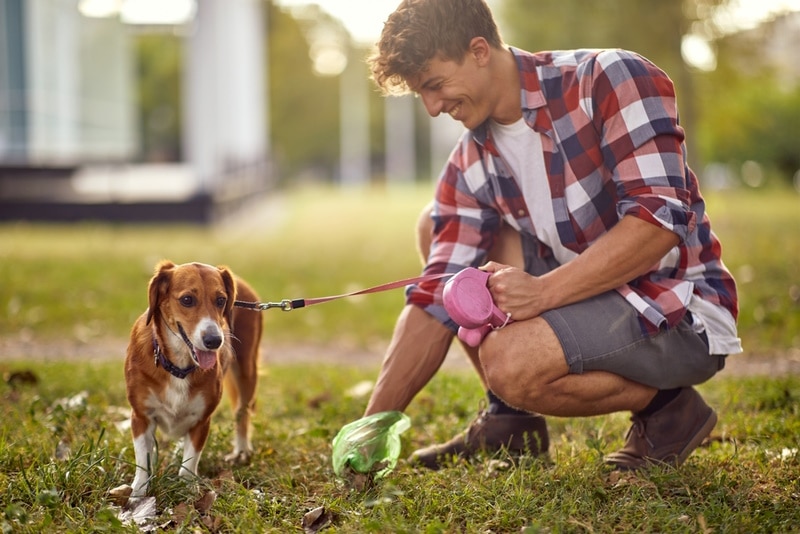
Once the infection has been treated, owners must be aware that reinfection of vulnerable dogs is common. Coccidia has evolved to be resistant to harsh environments and cleaning products. The oocysts can survive for a long time in the ground. This is one of the reasons it’s so important to keep the environment clean and stick to strict hygiene practices. It is advisable to pick up any feces immediately after your dog has passed them.

Frequently Asked Questions (FAQ)
Can coccidia be prevented in puppies?
There is no direct way to prevent coccidia in puppies. There are, however, many ways to reduce the risk of them being exposed to the parasite. Regularly worm your dog using a broad-spectrum dewormer that includes coccidia. Your vet will be able to advise you on this.
Always have your vet perform fecal analysis to monitor for oocytes being shed. This should be done a minimum of once a year but more frequently if there are suspicious clinical signs, for example, watery diarrhea.
Avoid any environments with other dogs that have a known coccidia infection. If you have a puppy, accept that they will have an immature immune system, and don’t take them to places where lots of dogs congregate so as to reduce the chances of them being exposed.
Can coccidia be passed on to humans?
The species of coccidia that usually infects dogs cannot cause disease in humans. However, there are other, less commonly seen species that can infect humans. These include cryptosporidium. This is a parasite that can be passed from dogs to humans. Humans who are immunosuppressed are particularly vulnerable. This is why it is so important to clean up after your dog and always get them checked out regularly at your vet. Good hygiene and diligent hand washing are also important to prevent the spread of diseases.
Are there different types of coccidia?
There are many different types of coccidia that can cause an infection in dogs. It is important to remember that not all types of coccidia cause clinical signs. Your vet will be able to diagnose the type by carrying out fecal examination. This can influence the treatment approach, so it is important to do so.

Conclusion
Coccidia is a commonly seen issue in puppies. It can be a serious disease with fatal consequences if left untreated. It is very important to contact your vet if you see any suggestive clinical signs of coccidia in your puppy, as early intervention can improve your pup’s prognosis and prevent fatal complications from occurring.
Featured Image Credit: Ilike, Shutterstock