In this article
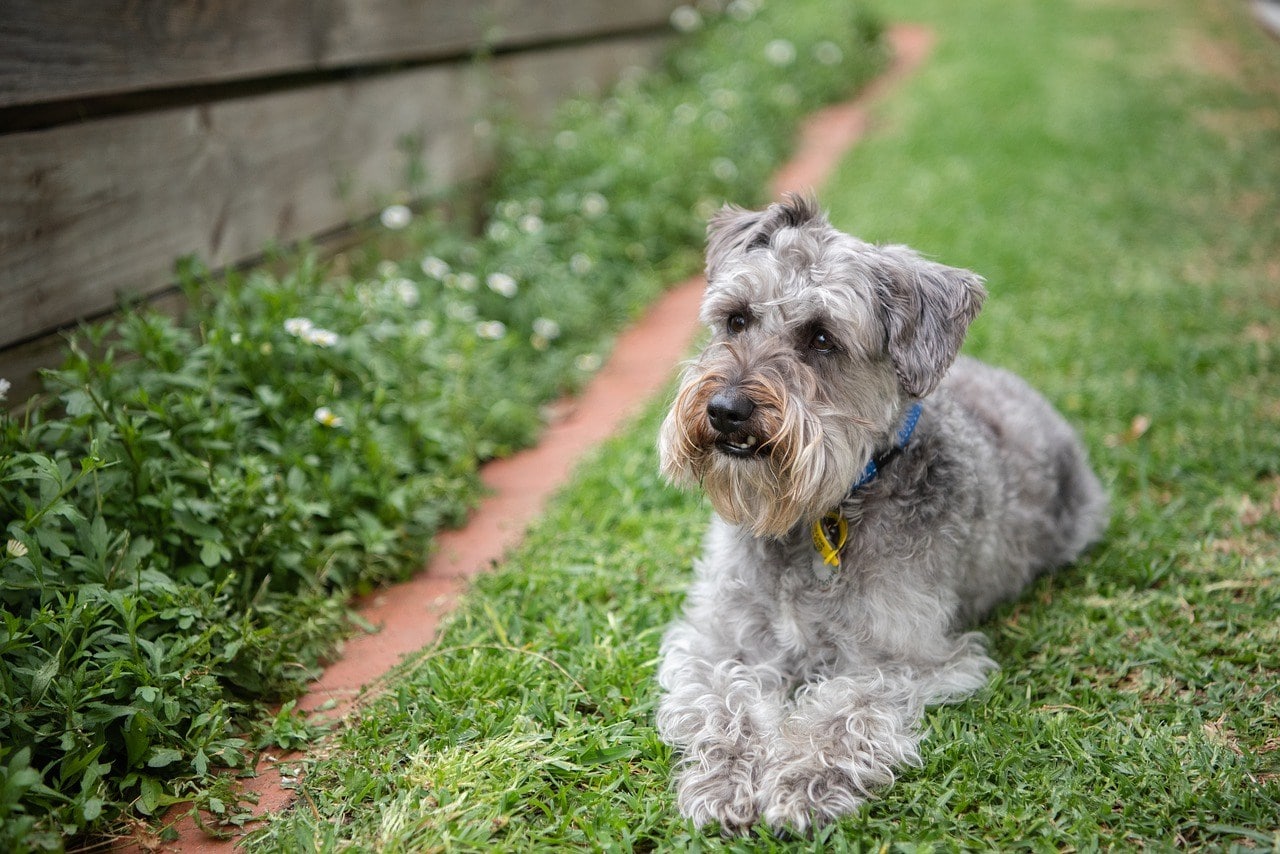
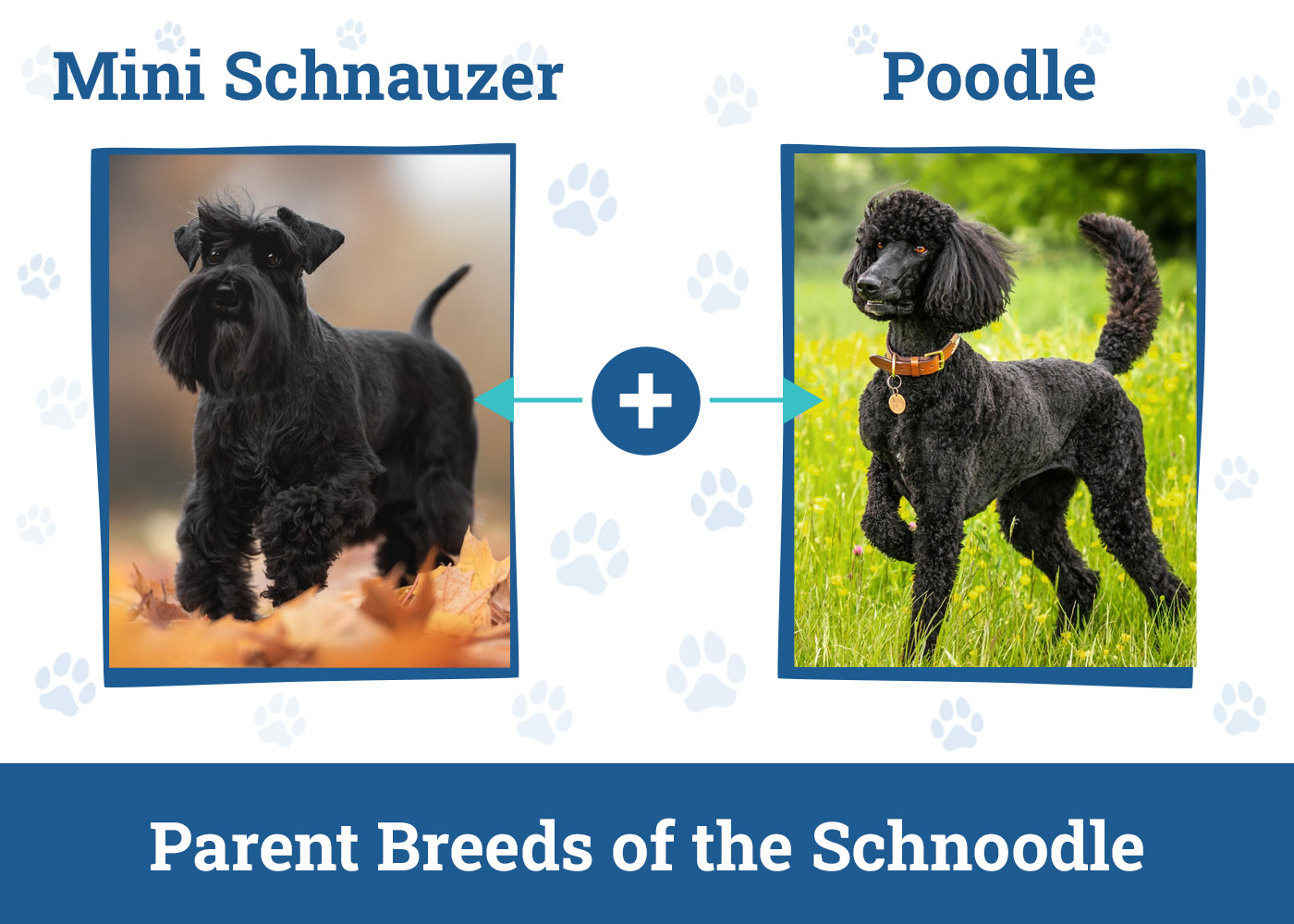
View 8 More +As a cross between a Poodle and a Schnauzer, the Schnoodle is gaining in popularity by the day. These dogs are extremely intelligent and eager to please, even if they do have a stubborn streak every now and again.
Breed Overview
Height:
15–26 inches
Weight:
7–16 pounds
Lifespan:
10–18 years
Colors:
Black, gray, silver, brown, white, apricot, black and white, or black and tan
Suitable for:
Families, single-pet homes, those in apartments, and those with pet allergies
Temperament:
Intelligent, stubborn, loving, protective, and loyal
But while these pups are cute and adorable, they don’t always get along with other pets, and they’re extremely expensive to acquire. So, what else do you need to know about Schnoodles, and is one right for your home? We break down everything that you need to know about these dogs here.
Schnoodle Characteristics
Schnoodle Characteristics
Schnoodle Puppies
If you’re in the market for Schnoodle puppies, do know that you’ll need to open your pocketbook a bit. Compared to most other non-purebred puppies, a Schnoodle is quite expensive.
Temperament & Intelligence of the Schnoodle 🧠
Both the Schnauzer and the Poodle are extremely intelligent breeds, and as such, the Schnoodle is typically smart too. They’re also eager to please and extremely loyal.
When you combine these traits, it’s not hard to see why they’re among the easiest dog breeds to train out there. However, they do have a bit of a stubborn streak, and if they think that they can get away with something, they will.
Schnoodles also like to figure things out on their own, so if you’re not stimulating them intellectually and physically, you might find that they’re getting themselves into trouble and giving you headaches in other ways.
Are These Dogs Good for Families?🏡
Due to their friendly temperament, loving demeanor, and desire to please, the Schnoodle is a great family dog. However, since they’re small, you need to be careful having them around small kids because as they learn to walk, they can stumble into your Schnoodle and accidentally hurt them.
Also, if you live a busy life, ensure that you have plenty of time to spend with your Schnoodle. They can accompany you to different events, but it requires a bit of socialization to get them to a point where they will behave themselves outside the home.
Does This Breed Get Along With Other Pets? 🐶 😽
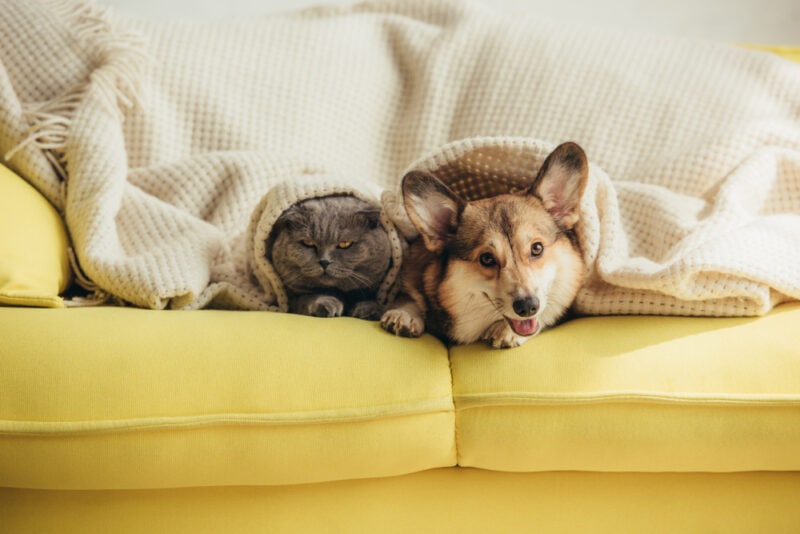
While the Schnoodle does great with kids and other family members, when it comes to other pets, they’re notoriously tough to socialize. This goes for other dogs and other pets like cats. While it mostly depends on your pup’s personality, expect a tougher time socializing them if you plan on having them around other pets.
Things to Know When Owning a Schnoodle
While owning a Schnoodle isn’t too much different than owning any other dog, there are basic care requirements that you need to be aware of before you bring one home.
Food & Diet Requirements🦴
Since a Schnoodle is a small dog, you don’t have to spend a ton of money feeding them every month. You should feed them between .5 and 1.25 cups of high-quality kibble each day.
Don’t skimp on the quality of food. While you might save a few bucks each month, there’s a good chance that you’ll end up spending more on vet bills, and you could even shorten your pup’s life.
Feel free to supplement their diet with treats, but don’t overdo it, so they’ll still eat their food and won’t put on any excess weight.
Exercise🐕
The Schnoodle is a high-energy pup, but since they’re small, their exercise requirements tend to be manageable. You’ll want to give your Schnoodle between 30 and 60 minutes of exercise each day to keep them happy and healthy.
However, even when they’re indoors, you should supply them with plenty of toys to keep them busy and moving. If they can’t burn energy when they’re inside, you’ll need to increase their outdoor activities even more.
Training🦮
Due to their high intelligence and eagerness to please their owners, the Schnoodle is one of the easier dog breeds to train. Whether you’re looking to train them to complete complex tasks or just want a well-behaved dog, a Schnoodle is an excellent choice for beginners.
However, one area in training that takes extra work is socializing them with other animals. This takes an experienced hand and a great deal of patience for most Schnoodle owners.
Grooming ✂️
While the Schnoodle does shed, they’ll still need professional grooming to keep their hair in check. This is standard for hypoallergenic dogs, but it is still an extra expense that you’ll need to account for.
You’ll also need to brush out your Schnoodle’s coat a few times a week and brush their teeth daily to keep up with their oral hygiene. Finally, you need to keep an eye on their nails and trim them as needed, but with daily walks, you might not need to worry about this.

Health and Conditions❤️
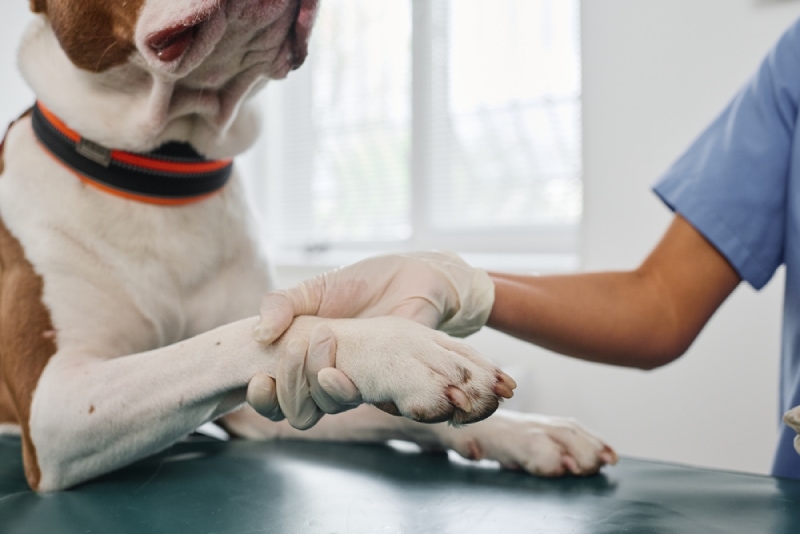
While the Schnoodle is a fairly healthy breed, typically even more so than purebreds, there are a few conditions that you need to keep an eye out for. If you notice any of the following conditions or any abnormal behavior from your dog, you should take them to a vet as soon as possible.
Keep in mind that the best way to keep your Schnoodle healthy is to ensure that they get enough exercise and to give them a high-quality diet. But since most health issues are genetic, it’s imperative that you find a reputable breeder when purchasing your Schnoodle.
- Obesity
- Cataracts
- Allergies
- Diabetes
- Progressive retinal atrophy
- Epilepsy
- Legg-Calve-Perthes disease
- Addison’s disease
Male vs. Female
While there are not many differences between male and female Schnoodles, there are two that you should be aware of. First, males tend to be a bit larger than females. This primarily comes down to the size of their parents and which breed they take after, but males from the same litter tend to be larger than females.
Second, males tend to need more attention and be more in your face than females. It’s not that you can ignore a female; it’s just that males will demand attention, while females will expect you to come to them with it. This does come down to your dog’s personality, but on average, males tend to seek out their owners more often.

3 Little-Known Facts About the Schnoodle
1. Schnoodles Are Hypoallergenic But They Do Shed
Both the Schnauzer and the Poodle are hypoallergenic breeds, but that doesn’t mean they don’t shed. While Schnoodles don’t shed excessively, you will still need to clean hair off your clothes and furniture. Being allergic to pets has everything to do with pet dander, not the shedding of hair!
2. Schnoodles Often Don’t Do Well With Other Pets
While it ultimately comes down to their personality, as a general rule, Schnoodles don’t do well with other pets. So, unless you plan on spending a ton of time socializing them and have experience as a pet handler, it’s best to keep a Schnoodle as an only pet.
3. Schnoodles Have Tons of Energy
They might be small, but Schnoodles are a bundle of energy. You’ll need to take them out every day to avoid destructive boredom behaviors. Still, their small size does temper their high energy, so it’s perfectly fine to get a Schnoodle even if you live in an apartment or small home.

Conclusion
If you don’t have other pets at home and want a hypoallergenic pup that’s easy to take care of and train, a Schnoodle is an outstanding choice. Just keep in mind that they’re an expensive dog up front, and you’ll still need to pay for their monthly expenses when caring for them.
Schnoodles aren’t low-priced dogs, but there’s a reason that they’re so sought after, even though they don’t handle other pets well.
Featured Image Credit: pen_ash, Pixabay