Why Does My Dog Whine All the Time? 7 Vet-Verified Causes & How to Stop It


In this article
Whining is one of several common canine vocalizations, and dogs use it to express a variety of emotions. Whining can happen occasionally, like when your dog is excited to see you come home, or it can be something that happens often. If your dog whines a lot, they could be trying to communicate a need or an underlying issue that needs addressing, like anxiety.
To help you understand why your dog is whining, we'll share seven common reasons dogs whine and what they're trying to tell you. Then, we'll share some tips on stopping excessive whining.

The 7 Reasons Your Dog May Whine All the Time
1. Excitement

Though we often associate whining with dogs being in distress, some dogs whine simply because they're excited or happy. This could be because they're pleased to see you when you get home or they're gearing up to play.
Some dogs whine when they're waiting for their dinner or when they spy something interesting on the other side of the window, like a squirrel or bird. Excited or happy whining may be accompanied by a wagging tail, happy barks, a "smiling" expression, floppy ears, and a wiggly body.
2. Stress & Anxiety
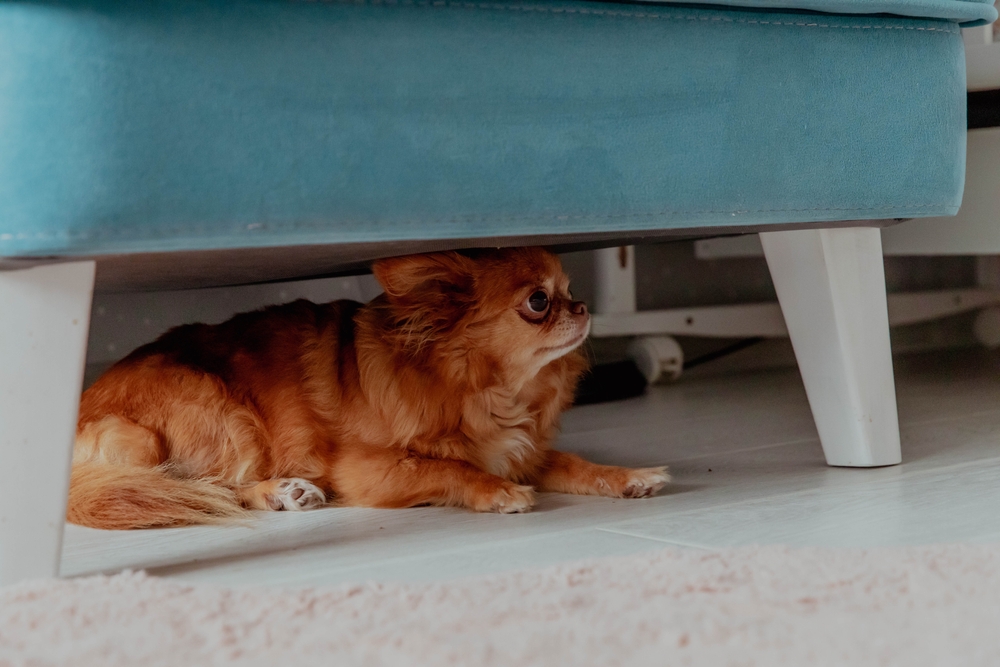
It's common for dogs to whine when they feel stressed, anxious, or afraid. Other signs of stress in dogs include panting, pinned-back ears, lip-licking, yawning (different from tired yawning), pupil dilation, trembling, and tucking the tail between the legs.
There are various potential stress triggers for dogs, and these may be influenced by specific experiences your dog has had. For example, because of their impressive sense of smell, your dog may recognize the scent of the veterinary clinic even before you've arrived there, triggering a stress response.
3. Boredom

If a dog doesn't get enough mental stimulation or physical exercise, they may engage in behaviors like excessive whining. Boredom also causes some dogs to become destructive with behaviors like chewing or scratching things around the house or urinating or defecating in the house instead of outside.
This happens because the dog doesn't have a sufficient outlet for their energy so that energy builds up and converts to frustration and stress. If your dog whines a lot, you might want to consider whether they're getting enough stimulation.
4. Asking for Attention
As we touched on above, dogs might whine to get attention from their caregivers. Sometimes, this is a response to not having their needs met (food, water, exercise, mental stimulation, affection, etc.) or because they're letting you know they need to go outside to use the bathroom.
However, in some cases, whining for attention happens simply because your dog wants more cuddles, a good scratch behind the ear, or a game of fetch—and they want it now!
Attention-seeking behaviors can be reinforced by the caregiver. For example, if a dog whines because they want a treat and the caregiver responds every time by giving them a treat, the dog learns that whining reaps rewards.
5. Medical Issues

Whining can be a signal that your dog is feeling pain or discomfort due to a medical condition or injury. If your dog didn't use to whine and has suddenly started to do so regularly, it's essential to get them checked by a vet for medical issues.
Other signs of illness or injury in dogs to watch out for include (but are not limited to) behavioral changes (like not wanting to be touched all of a sudden), bathroom habit changes, lethargy, hiding away, frequent vomiting or diarrhea, appetite loss, weight loss, mobility issues (like struggling with stairs, for example), and breathing issues.
6. Separation Anxiety
Dogs that get stressed when you leave the house or when they sense that you're going to leave are experiencing separation anxiety. This can happen because a dog hasn't formed positive associations with being alone or because they've experienced trauma in the past. Changes in routine, like moving house, can also trigger separation anxiety.
Signs of separation anxiety include excessive vocalizing (barking, whining, etc.), pacing, panting, urinating and defecating in the house, destructive behavior, drooling, and trembling.
7. Appeasement

Some dogs communicate submissiveness by whining excessively around people and other animals. Dogs that whine in submission also tend to avert their eyes away from the person or animal, tuck their tail under, and lower the head and body. Displaying appeasement behavior is how dogs deflect threats if they feel another dog or person could attack them. It's their way of saying "I am not a threat."

The 4 Ways How to Stop Excessive Whining
Identifying the trigger is the key to preventing excessive whining in dogs. Here are some tips:
1. See a Vet
Before anything else, take your dog to a vet for a checkup. This will rule out potential medical causes for the excessive whining and ensure your dog gets treatment if necessary. It also gives you the opportunity to get advice from your vet on how to manage whining due to non-medical causes.
2. Evaluate if Your Dog's Needs Are Being Met
Dogs whine to alert you to various situations, like if they're hungry, thirsty, or feeling uncomfortable in any way. They also whine to express that they need the bathroom or are bored due to a lack of exercise and interaction.
Could your dog need an extra play session of two throughout the day? Are they walked for long enough based on their energy level (this differs from dog to dog)? Do they have enough opportunities to go out to pee? Do they get enough quality time with you? Are they getting the right food portion sizes and enough water?
Identifying what your dog may be asking of you and providing what's missing, if need be, could help reduce excessive vocalizing.

3. Work on Separation Anxiety
Reducing separation anxiety in dogs takes a lot of time and patience. There are various methods, including desensitizing your dog to alone time by starting with leaving them alone in another room for a few seconds at first, then gradually building up the time before you open the door. Offering a reward each time your dog is able to wait calmly, even for a few seconds at first, can help with this.
As your dog gets better and better at this, you can progress to leaving the house for a few moments at a time, again building up the time they spend alone. When you do leave your dog at home while you head out, make it an enjoyable time by ensuring your dog has a cozy bed, enough water, and some interactive toys to keep them busy.
4. Don't Encourage Certain Behaviors
If you suspect that your dog whines to get something they want from you, like some of your food when you're at the table, set boundaries by not engaging with the dog while they're whining at you. Don't instill the idea that whining gets your dog what they want when they want.
Try teaching your dog to go and lie down somewhere whenever you eat or offer a distraction, like feeding the dog at the same time as you eat or offering a kibble-dispensing toy to keep them busy.
Conclusion
Sometimes, whining can be completely innocent, like if your dog is thrilled at your return home, but excessive whining and/or other vocalizations can mean something that needs to be addressed, whether medical or environmental. Your vet is the best person to ask for advice if you have an excessively vocal dog.
Sources
https://www.bluecross.org.uk/advice/dog/behaviour-and-training/stress-in-dogs
https://www.humanesociety.org/resources/separation-anxiety-dogs
https://vcahospitals.com/know-your-pet/canine-communication---interpreting-dog-language
https://www.battersea.org.uk/pet-advice/dog-advice/how-stop-your-dog-begging-food
https://www.aspca.org/pet-care/dog-care/common-dog-behavior-issues/whining
https://be.chewy.com/help-my-adult-dogs-whining-is-out-of-control/
Featured Image Credit: Tagwaran, Shutterstock
Expert dog care, straight to your inbox
Vet-reviewed advice, training tips, and the best of Dogster. Free, and you can unsubscribe anytime.
By signing up, you agree to our Terms & Conditions and Privacy & Cookies Policy.
Kit Copson is a freelance writer and lifelong animal lover with a strong interest in animal welfare. She has parented many furry beings over the years and is currently a proud cat mom of two—one very chilled (unless hungry) Siamese and a skittish but adorable Domestic Shorthair—and dog mom of one—an adopted Bichon Poodle cross. When not writing about or spending time with pets, Kit can be found drawing in her sketchpad, reading, or more often than not, drinking tea.
Join the conversation
Ask a question, share your story, or send private feedback.